10 Must-Know Facts for the Next Pub Quiz Night

Pub quiz nights have evolved from humble weekday tavern gatherings into an international pastime celebrated by casual friends and competitive trivia buffs alike. The appeal lies in a potent combination of social camaraderie, spirited rivalry, and the satisfaction of dredging up obscure knowledge under pressure. Whether your goal is to claim a cash jackpot, win a free round of drinks, or avoid the embarrassment of the wooden spoon, having a firm grip on core trivia subjects provides an immediate advantage.
Quizmasters pull questions from an expansive landscape of topics, ranging from planetary superlatives and biological curiosities to milestone historical events and classical masterpieces. Because many trivia sets lean on recurring themes, mastering fundamental reference points across geography, science, history, and the arts equips your table to answer rapidly and decisively. By understanding these essential facts and mastering the procedural nuances of quiz night, any squad can transform from enthusiastic participants into perennial contenders.
Key takeaways
- Pub quizzes frequently test baseline global superlatives, including Earth's largest oceans, longest rivers, highest peaks, and most expansive deserts.
- Iconic twentieth-century historical dates and fine art milestones serve as reliable question anchors across trivia formats.
- A balanced team roster that combines diverse subject proficiencies outperforms groups whose members share identical interests.
- Adhering to basic table etiquette—such as speaking quietly and trusting first instincts—prevents unnecessary point deductions.
Essential facts for trivia success
Every seasoned quizmaster maintains a mental repository of high-yield questions that balance accessibility with subtle details. These ten core facts span the most frequently tested categories in pub trivia, giving your team the exact figures, dates, and names needed to lock down points.
Pacific Ocean
- Category: Ocean Geography
- Total Area: 63.8 million square miles
- Deepest Point: Mariana Trench (36,070 feet)
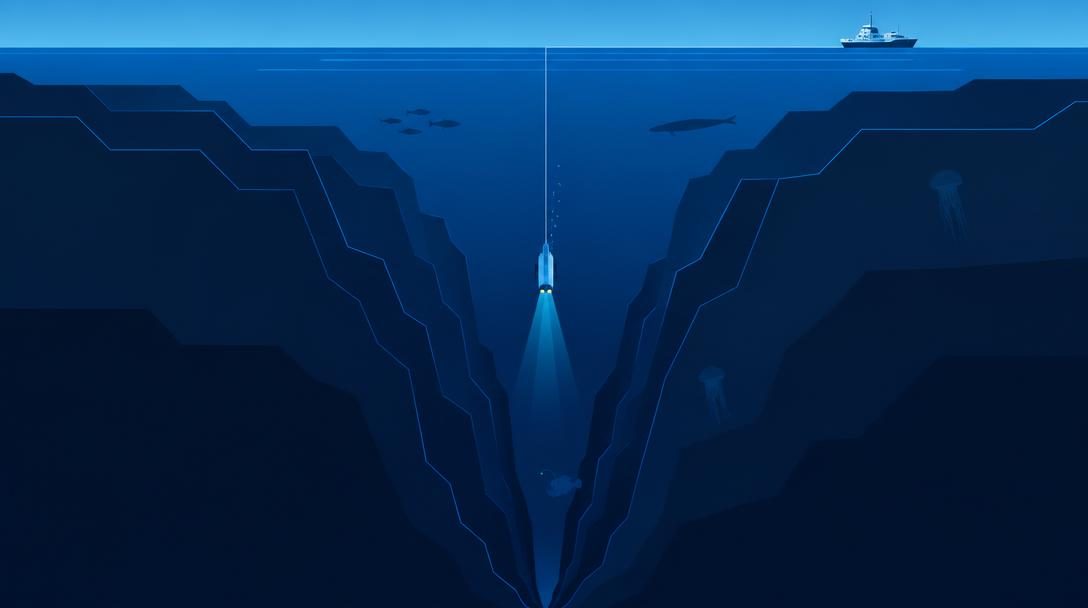
Covering an astounding 63.8 million square miles, the Pacific Ocean stands as Earth's largest and most expansive body of water, dwarfing all other marine basins combined. Beyond its colossal horizontal footprint, the Pacific also harbors the world's ultimate abyss: the Mariana Trench. Plunging down 36,070 feet at its deepest recess, this oceanic rift regularly features in physical geography questions that probe world extremes and seafloor topography.
Human body composition
- Category: Human Biology
- Water Percentage: Approximately 60%
- Key Resource: Enough fat to produce 7 bars of soap
Science rounds routinely explore the chemical and physical characteristics of human anatomy. On average, the human body is composed of approximately 60% water, requiring roughly 8 glasses of water daily to maintain standard metabolic hydration. Another quirky statistical staple beloved by trivia hosts is that the average adult human possesses sufficient stored fat to yield 7 bars of soap, a surprising metric that frequently catches casual players off guard.
Global demographics
- Category: World Demographics
- Most Populous Nation: China (over 1.4 billion people)
- Second Most Populous: India (over 1.3 billion people)
National populations represent standard fodder for geography and current affairs rounds. China holds the title of the world's most populous nation with a population exceeding 1.4 billion residents, while India ranks as a near second, home to over 1.3 billion individuals. Demography questions often hinge on the sheer comparative scale of these two Asian powerhouses relative to the global populace.
Great Barrier Reef
- Category: Marine Ecology
- Geographic Location: Off the coast of Australia
- Length: Spans over 1,400 miles
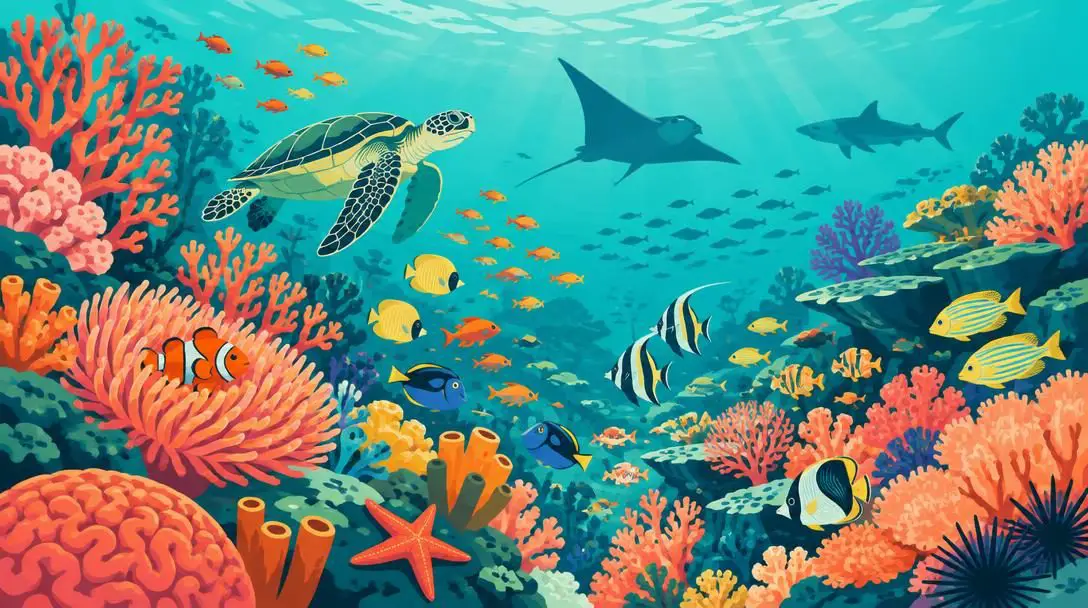
Stretching over 1,400 miles along the northeastern coastline of Australia, the Great Barrier Reef represents the largest coral reef system on the planet. Comprising thousands of individual reefs and home to thousands of distinct marine species, this aquatic habitat regularly surfaces in nature, environmental science, and geography categories assessing renowned natural wonders.

Wright brothers' first flight
- Category: Aviation History
- Date: December 17, 1903
- Location: Kitty Hawk, North Carolina
- Flight Duration: 12 seconds
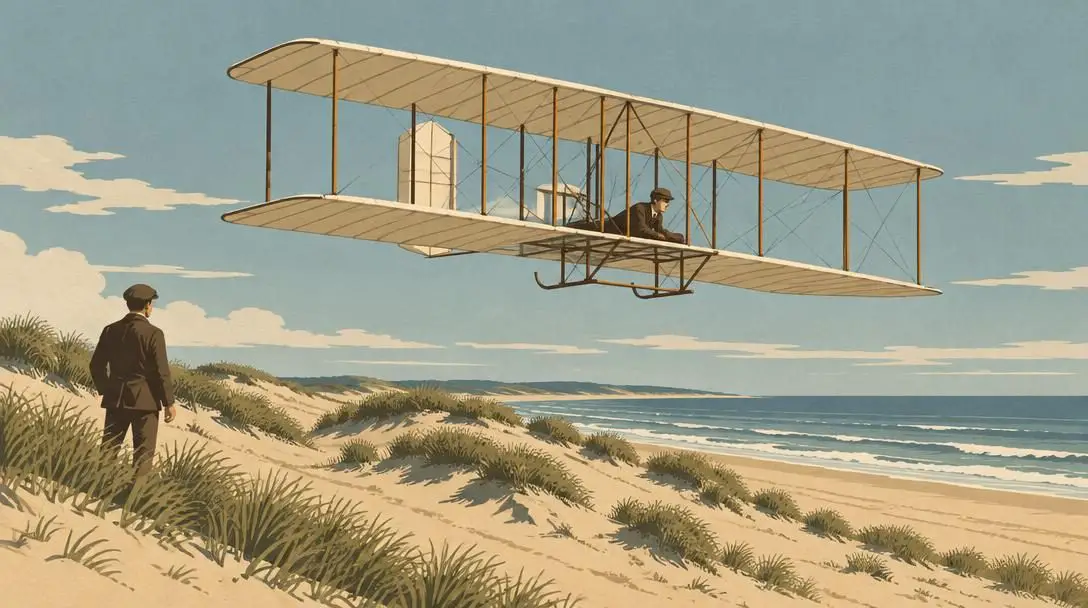
Aviation and twentieth-century milestone rounds frequently focus on the dawn of powered aviation. On December 17, 1903, Orville and Wilbur Wright executed the first successful controlled, powered airplane flight on the dunes of Kitty Hawk, North Carolina. Though the historic maiden voyage sustained flight for a fleeting 12 seconds, its monumental impact makes the exact date, locale, and flight time mandatory knowledge for history rounds.
Antarctic Desert
- Category: Planetary Extremes
- Total Area: Over 5.5 million square miles
- Defining Characteristics: Coldest, driest, and largest desert on Earth
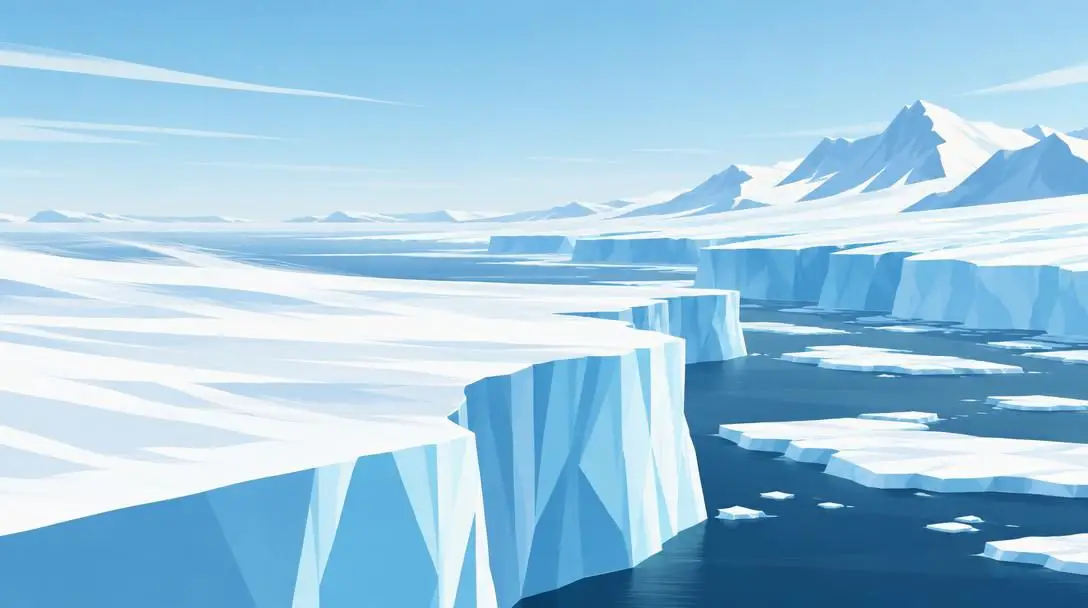
One of the most persistent trick questions in competitive trivia asks teams to identify Earth's largest desert. While novice teams instinctively name sun-scorched dunes such as the Sahara, the correct answer is the polar Antarctic Desert. Spanning more than 5.5 million square miles, this polar expanse qualifies ecologically as both the coldest and driest desert on Earth due to its meager annual precipitation levels.
Mount Everest
- Category: Mountain Heights
- Elevation: 29,029 feet
- Mountain Range: Himalayas
- Eponym: Sir George Everest
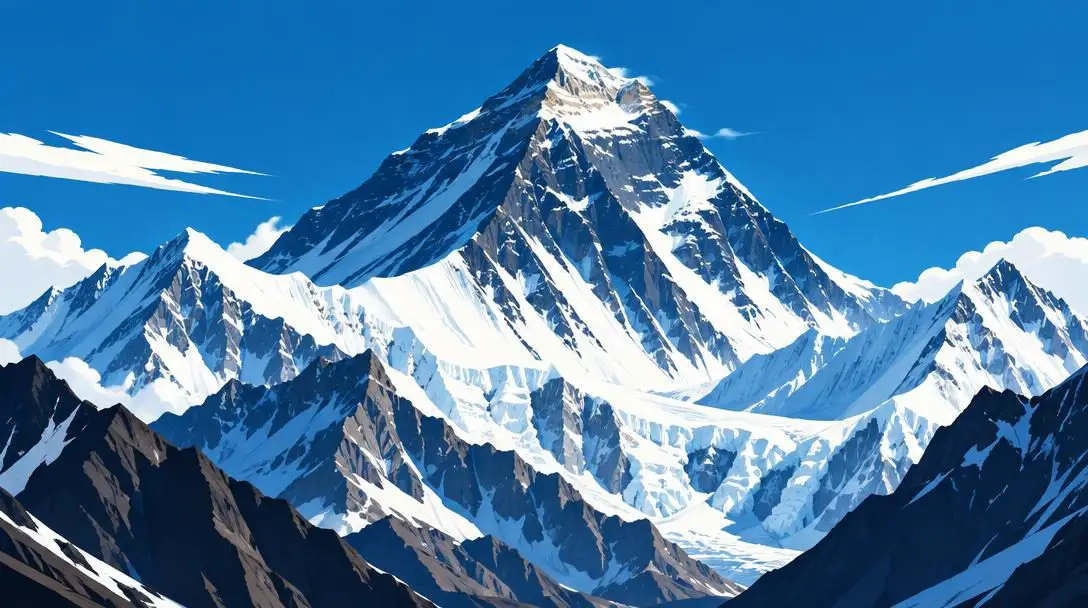
Towering at 29,029 feet above sea level within the Himalayan range, Mount Everest ranks as the highest mountain on Earth. A favorite ironical tidbit among trivia hosts is that the peak takes its English name from British surveyor general Sir George Everest, an explorer who never actually laid eyes on the mountain itself during his lifetime.
Nile River
- Category: Continental Rivers
- Total Length: Over 4,100 miles
- Countries Traversed: 11 African nations
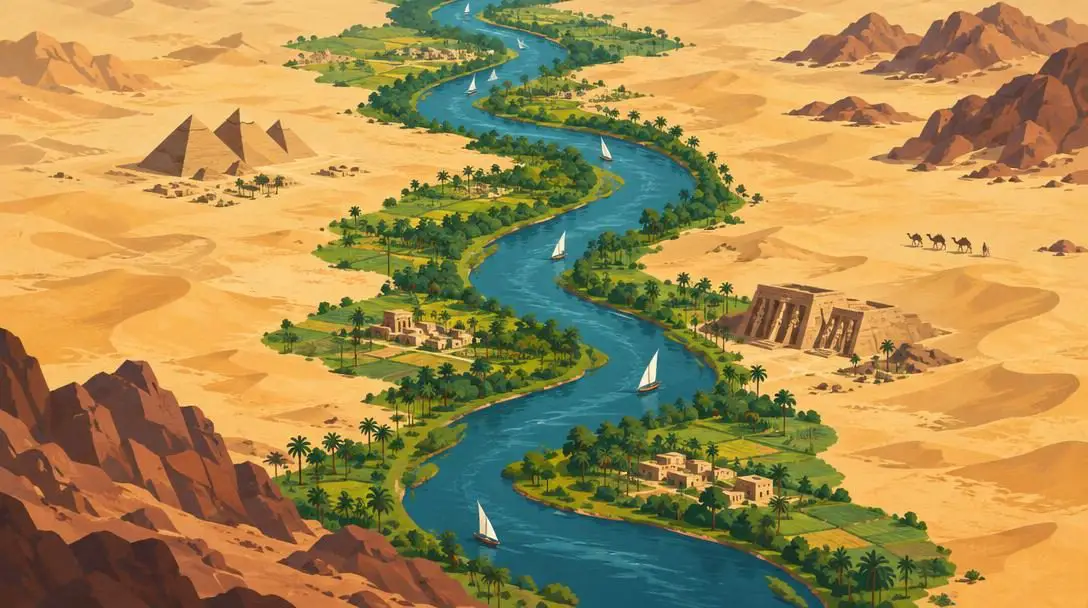
Snaking across more than 4,100 miles of northeastern Africa, the Nile River retains its historic standing as the world's longest river. Flowing through eleven sovereign African countries, its fertile banks fostered the development of ancient Egypt, leading historians and trivia writers to frequently refer to the waterway as a primary cradle of human civilization.
Mona Lisa

- Category: Renaissance Art
- Artist: Leonardo da Vinci
- Current Home: Louvre Museum in Paris
- Estimated Valuation: Over $800 million
Painted during the Italian Renaissance by polymath Leonardo da Vinci, the Mona Lisa remains the most widely recognized portrait in Western art. Housed permanently in the Louvre Museum in Paris, France, the cultural icon holds an estimated valuation exceeding $800 million. Art history questions frequently pivot between the painter, its French institutional home, and its immense monetary valuation.
First moon landing
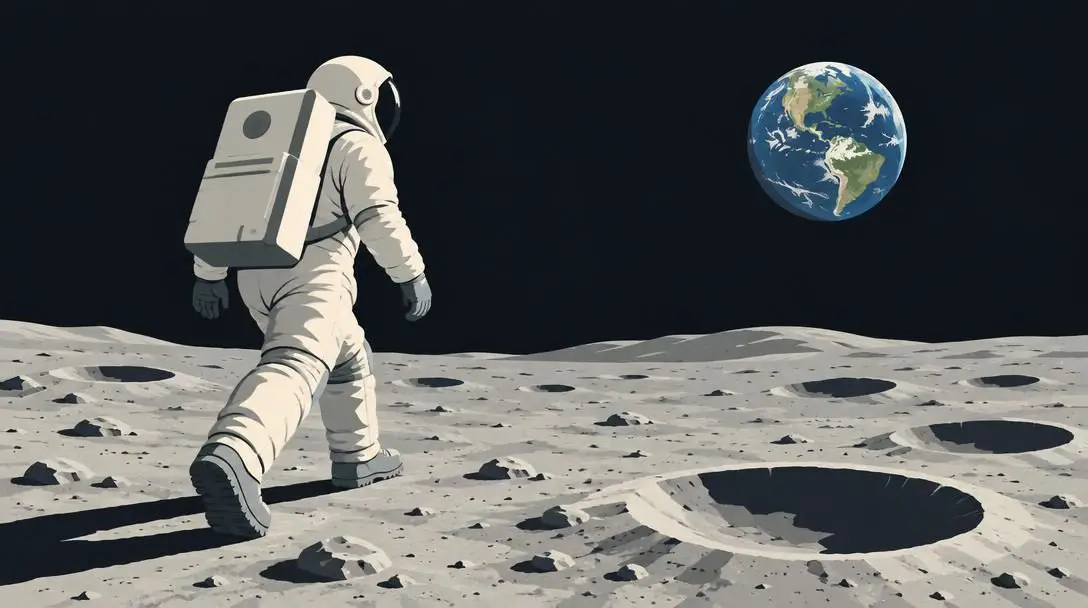
- Category: Space Exploration
- Date: July 20, 1969
- First Person on the Surface: Neil Armstrong
Space history trivia relies heavily on Apollo program milestones. On July 20, 1969, American astronaut Neil Armstrong set foot on lunar soil, cementing humanity's first successful manned extraterrestrial landing. Upon stepping down from the lunar module, he uttered the immortal words: “That’s one small step for man, one giant leap for mankind.” This event remains a central reference point for science and twentieth-century history categories.
A successful pub trivia team relies on a solid grasp of core facts that frequently appear in questions across geography, biology, history, and the arts.
Global geographical extremes at a glance
Geographical superlatives recur with extraordinary frequency in trivia leagues worldwide. Memorizing these essential environmental extremes can secure quick, effortless points during general knowledge rounds.

| Feature | Record Classification | Primary Metric | Geographic Location |
|---|---|---|---|
| Pacific Ocean | Largest ocean | 63.8 million square miles | Global marine basin |
| Antarctic Desert | Largest desert | Over 5.5 million square miles | Antarctica |
| Nile River | Longest river | Over 4,100 miles | Eleven African nations |
| Mount Everest | Highest mountain | 29,029 feet | Himalayas |
| Great Barrier Reef | Largest coral reef | Over 1,400 miles long | Off the coast of Australia |
The mechanics of a standard pub quiz
Understanding how a quiz operates structurally minimizes confusion and helps teams manage time, scoring, and tactical decisions throughout the evening.
Competitions typically begin with team registration. Groups of two to six players convene, pay any required entry fee, and register a team name. The quizmaster distributes score sheets, answer forms, and pens. A standard contest features several rounds consisting of five to ten questions each, compartmentalized by subject disciplines such as history, geography, science and nature, arts and literature, or pop culture.
During gameplay, the quizmaster reads each prompt aloud, customarily offering one repetition before proceeding. Teammates must confer quietly to preserve answer security. At scheduled intervals—either after every individual round or at the halftime mark—answer sheets are collected or swapped between rival tables for grading. Running tallies are recorded on a leaderboard. Should a tie arise for top placements, hosts stage a sudden-death tie-breaker, where the team that writes the closest numerical answer or submits the fastest verified answer takes the victory.
How to prepare your team for victory
Transforming a social outing into a winning campaign requires organizational discipline and role clarity at the table.
- Recruit a balanced squad: Avoid drafting players who share identical fields of knowledge. Build a roster spanning natural sciences, global geography, fine arts, and twentieth-century political and military history.
- Appoint a primary scribe: Select one teammate who possesses clear, rapid handwriting to manage the official answer sheet, avoiding messy cancellations and grader misinterpretations.
- Drill foundational superlatives: Spend time reviewing standard planetary records—including the Pacific Ocean's size, Mount Everest's height, and the Antarctic Desert's boundary figures.
- Establish a dispute protocol: Decide before the quiz starts how your table will resolve deadlocks when two players support conflicting answers, such as deferring to the person with greater category focus.
- Parse every prompt carefully: Pay strict attention to clarifying qualifiers, identifying whether the host demands an individual's full name, a calendar year, a nation, or a precise measurement.
Mistakes that cost teams points
Even encyclopedic trivia buffs regularly forfeit winning positions due to unforced tactical blunders. Avoiding these widespread habits will keep your scorecard intact:
- Overturning your initial instinct: Teams routinely derive the correct solution within seconds, only to talk themselves into an alternate choice during subsequent deliberation. Unless someone provides undeniable factual refutation, maintain your first answer.
- Broadcasting answers through loud chatter: Background noise in pubs often encourages participants to raise their voices. Neighboring teams will gladly intercept loose conversation to gain free points.
- Ignoring category context: When answering prompts regarding world deserts, novice players rush to write sunny locales, overlooking the vast polar dimensions of the Antarctic Desert.
- Overcomplicating simple prompts: Quizmasters intentionally balance esoteric questions with baseline general knowledge. Do not assume straightforward inquiries about human body water content or national populations contain hidden tricks.
- Submitting partial responses: Neglecting to provide complete surnames, titles, or designated geographic markers can lead to half-credit or complete disqualification from strict markers.
Frequently asked questions
What is considered the largest desert on Earth?
The Antarctic Desert is Earth's largest desert, covering over 5.5 million square miles. It qualifies scientifically based on its low annual precipitation levels, despite being cold and icy rather than hot and sandy.
How long did the Wright brothers' first flight last?
The first successful powered flight by the Wright brothers on December 17, 1903, in Kitty Hawk, North Carolina, lasted for exactly 12 seconds.
Who was Mount Everest named after, and did he ever see it?
The mountain is named after Sir George Everest, a British surveyor general who never actually saw the peak that bears his name.
What is the deepest point in the Pacific Ocean?
The deepest section is the Mariana Trench, which extends to an extraordinary depth of 36,070 feet beneath the surface.
How many countries does the Nile River flow through?
The Nile River extends over 4,100 miles and courses through eleven different African nations on its path toward the Mediterranean Sea.
The bottom line
Dominating a pub quiz night is rarely a matter of raw luck; it is the natural byproduct of structured preparation, coordinated teamwork, and an appreciation for recurring trivia motifs. Familiarizing yourself with foundational landmarks—from the expansive depths of the Pacific Ocean and the heights of Mount Everest to landmark events like the 1903 Wright brothers' flight and the 1969 Apollo moon landing—lays a rock-solid foundation for competitive play. With these must-know facts at your command, your team will be equipped to tackle diverse categories, outmaneuver the competition, and hoist the trivia trophy at your next pub quiz night.