5 advantages of using a disposable phone number when traveling abroad
Traveling abroad is an exciting experience that gives travelers the opportunity to discover unfamiliar destinations, immerse themselves in distinct cultures, and create lasting memories. However, international journeys also present specific security and logistical challenges that require careful preparation. Among the most pressing concerns travelers encounter today is the risk of identity theft and digital fraud. Personal safety in an unfamiliar environment encompasses not only safeguarding physical belongings like passports and wallets, but also shielding your private data and digital communication channels.
Criminals frequently target tourists and international visitors to acquire personal contact details, particularly mobile phone numbers. Because a primary telephone number is tied to personal identity, financial verifications, and online profiles, unauthorized access to it exposes travelers to serious fraud and privacy violations. Adopting a disposable phone number creates an essential buffer between your permanent identity and the public networks, local service providers, and strangers you interact with during your trip.
Key takeaways
- A primary phone number serves as a sensitive identity anchor, making temporary numbers an effective shield against international identity theft and fraud.
- Prepaid disposable phone numbers prevent costly international roaming charges from appearing on your domestic carrier bill.
- Temporary numbers allow you to coordinate logistics with tour guides, drivers, and accommodation hosts without giving out your long-term personal contact information.
- Discarding the temporary line at the end of your travels eliminates ongoing marketing spam and unsolicited calls accumulated during your journey.
Understanding Disposable Phone Numbers and International Travel Risks
A disposable phone number is an alternate line intended solely for temporary or short-term communication. Unlike standard mobile contracts that remain active for years and are directly tied to your legal identity, home billing address, and credit history, a temporary number exists only as long as you need it. Once your travel is complete, the line is deactivated, expired, or deleted, permanently cutting off any incoming contact to those specific digits.
Historically, obtaining an alternate line required travelers to purchase local physical prepaid SIM cards or temporary hardware directly upon arrival at a foreign airport or convenience stall. Modern telecommunications have expanded these options to include specialized virtual applications, mobile platforms, and prepaid digital setups that can be arranged before even boarding a flight. Regardless of the exact platform used, the core function remains constant: providing an active voice and messaging line that handles immediate trip logistics without tethering foreign contacts to your permanent personal profile.
Temporary contact numbers offer a practical layer of security, separating your day-to-day international communication from your permanent personal profile.
Because disposable numbers operate on a prepaid basis, users pay upfront for specific periods of time, call minutes, or text volumes. When you submit your contact info to unsecured Wi-Fi landing pages, airport booking slips, transport apps, or excursion counters, that public exposure terminates the moment you discard the number. Malicious actors or aggressive marketing databases are left with a deactivated sequence that leads nowhere.
5 Advantages of Using a Disposable Phone Number Abroad
Switching to a temporary communication line while traveling internationally provides five distinct advantages for personal safety, budget control, and everyday peace of mind.
1. Protect Your Personal Information
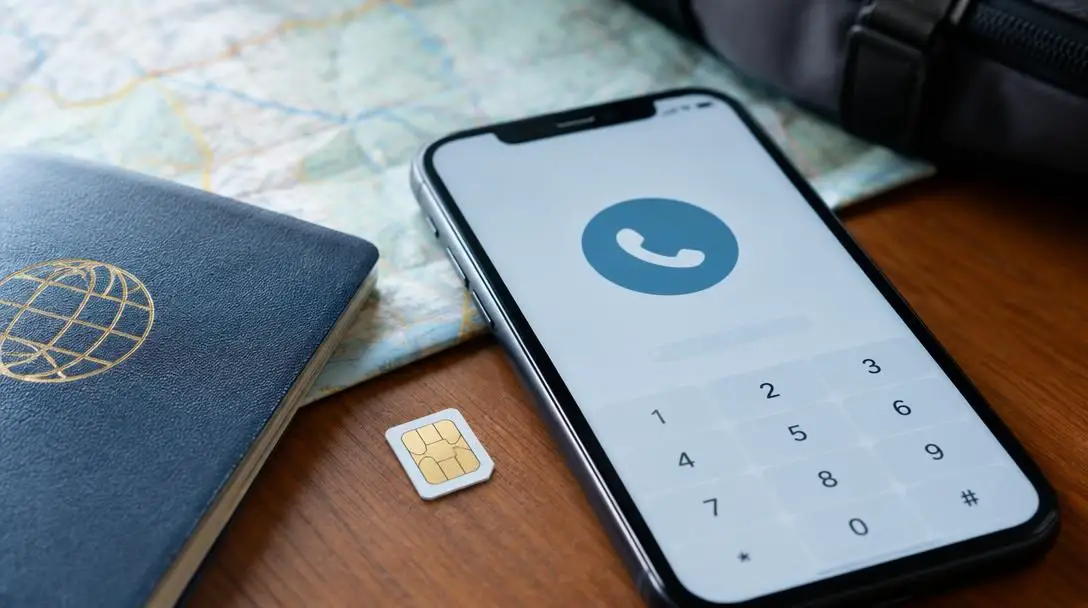
Using your primary mobile number in foreign destinations exposes sensitive personal data to unnecessary risks. In modern telecommunications, personal mobile numbers function as universal identity markers. If a criminal gains access to your primary digits, they may attempt identity theft, account takeovers, or coordinated fraud. When traveling, people regularly enter phone numbers into hotel guest registries, scooter and car rental contracts, local tour slips, and unsecured public Wi-Fi portals. A disposable number ensures that your real, permanent contact line remains completely unexposed, severely limiting the ability of bad actors to connect your temporary travel footprint to your lifelong digital identity.
2. Avoid Roaming Charges
Managing travel expenses is essential, and mobile carrier bills can turn into an expensive financial surprise if not handled proactively. International roaming fees charged by domestic carriers often add up quickly, billing high rates for every individual outbound call, incoming voice connection, and cellular text message sent over foreign towers. Disposable numbers operate on clear, prepaid structures. By using a prepaid temporary service, you establish a firm communication budget before your trip begins. You can make calls and exchange messages within the limits of your prepaid balance without returning home to surprise roaming fees on your primary statement.
3. Maintain Your Privacy
International travel involves meeting dozens of unfamiliar people, including local guides, short-term lodging hosts, taxi and rideshare drivers, shopkeepers, and fellow tourists. While staying reachable is necessary for smooth travel coordination, handing out your permanent personal telephone number to casual acquaintances compromises long-term personal privacy. A disposable phone number provides an ideal middle ground: you remain fully reachable for excursions, meetups, and local deliveries throughout your stay, but once the journey ends and the number is discarded, those contacts have no ongoing access to your personal life.
4. Avoid Unwanted Calls and Messages
Submitting a phone number to local vendors, travel platforms, transport booking sites, and foreign airport networks frequently leads to your contact details being added to third-party marketing directories. If you use your everyday number, these telemarketing databases, promotional agencies, and automated robocallers will continue dialing your phone long after you unpack your bags at home. With a disposable line, all unsolicited solicitations, commercial promotions, and spam messages are contained within a temporary channel. When unwanted promotional calls begin cluttering the line, you can mute notifications or discard the number entirely without affecting your regular personal communications.
5. Stay Connected With Friends and Family
While data security and expense management are critical, keeping in touch with loved ones back home remains a core priority of any international journey. A disposable phone number provides a reliable, direct channel for friends and family to reach you without requiring them to pay inflated international rates or navigate complex setups. By giving your temporary contact details to close family members prior to departure, they can check in on your itinerary, receive emergency updates, and hear about your experiences, all while your primary domestic line remains safely protected from international exposure.

At a Glance: Primary Numbers vs. Disposable Travel Numbers
Understanding the operational differences between your everyday telephone number and an alternate travel line can help you decide how to manage your international communications.
| Feature | Primary Domestic Number | Disposable Travel Number |
|---|---|---|
| Identity Association | Linked permanently to legal name, banking, and credit history | Unlinked short-term identifier with minimal personal records |
| Billing Structure | Postpaid billing or contracts subject to foreign roaming fees | Strictly prepaid upfront; zero risk of surprise overages |
| Vendor Exposure | Permanent contact captured by hotel logs and tour forms | Temporary contact that expires when the journey ends |
| Post-Trip Spam | Unwanted marketing calls continue reaching your main device | Spam calls terminate completely once the line is deactivated |
| Discard Capability | Difficult and disruptive to change if compromised | Easily canceled, deleted, or left to expire instantly |
Practical Steps for Setting Up a Disposable Number
Establishing an alternate communication channel before or during an international journey is a straightforward process when approached systematically. Follow these sequential steps to implement a temporary number for your travels:
- Assess Your Communication Needs: Review your travel itinerary, the countries you plan to visit, the overall duration of the trip, and determine whether you need cellular voice minutes, SMS capabilities, or basic local messaging.
- Research Available Services: Evaluate reputable temporary number services, mobile applications, and virtual platforms to compare geographic coverage, operating features, usability, and pricing tiers.
- Select and Install the Service: Choose the platform that matches your specific route and budget, then download the necessary application or secure the setup details according to the provider's instructions.
- Test the Line Locally: Before departure, place an outbound test call and send a test text message to verify that incoming and outgoing communications route accurately.
- Share With Important Contacts: Send your new disposable contact number to close family members and trusted friends so they have an immediate way to reach you during emergencies.
- Use for On-the-Ground Logistics: Provide the disposable number for hotel check-ins, local transport apps, tour reservations, rental agreements, and new acquaintances.
- Discard the Number When Finished: Once your journey has concluded, delete the application, cancel the active subscription, or allow the prepaid duration to expire naturally.
Common Mistakes to Avoid
While temporary communication lines offer substantial security and budget advantages, managing them improperly can create logistical problems. Keep these common mistakes in mind when organizing your travel communications:
- Linking the Temporary Number to Permanent Accounts: Never register a disposable number as your recovery contact for banking portals, primary email addresses, or two-factor authentication systems that you will need to access long after the trip concludes.
- Forgetting to Inform Family of the Change: If you neglect to provide the disposable number to close family members prior to leaving, they may attempt to contact your switched-off primary line, causing unnecessary alarm.
- Not Tracking Expiration Dates: Because disposable numbers function on prepaid lifespans, failing to monitor the active time frame can result in the line expiring abruptly during the middle of an excursion.
- Choosing a Service Without Research: Selecting a provider without confirming that it supports the specific countries and telecommunication standards on your travel itinerary can lead to sudden service blackouts.
Frequently asked questions
What exactly is a disposable phone number?
A disposable phone number is an alternate, temporary telephone line intended for short-term use. Unlike your permanent carrier number, it is not tied to long-term contracts or your primary identity records, and it can be deactivated or discarded whenever it is no longer needed.
Can my family call me on a disposable travel number?
Yes. As long as you share your temporary phone number with your family and trusted contacts, they can place calls and send text messages directly to that line throughout your trip.
How does a disposable number prevent roaming charges?
Disposable phone numbers operate through prepaid setups or virtual applications rather than routing through your domestic carrier's foreign roaming agreements. Because you pay for the service upfront, you avoid incurring high per-minute and per-text international fees from your regular provider.
Can I use a disposable number for two-factor authentication?
You should not link temporary numbers to permanent services like primary banking, core email accounts, or critical two-factor authentication profiles. Once you discard the number after your trip, you will permanently lose the ability to receive login verification codes sent to that line.
What happens to my calls and messages after I discard the number?
Once you cancel, delete, or allow a disposable number to expire, the line is fully deactivated. Any subsequent incoming calls or text messages sent to that sequence will no longer reach your device, cutting off unwanted contacts and telemarketers entirely.
The bottom line
Incorporating a disposable phone number into your international travel checklist is one of the most effective ways to balance digital privacy, communication convenience, and financial control. By shielding your primary mobile line from hotel registries, public networks, and casual acquaintances, you safeguard your personal information against fraud while preventing international roaming surprises on your monthly carrier bill. Take the time to evaluate providers, verify destination support, and test your alternate line before departing so you can enjoy your travels with complete peace of mind.