5 Awesome Bands Who Suck Live
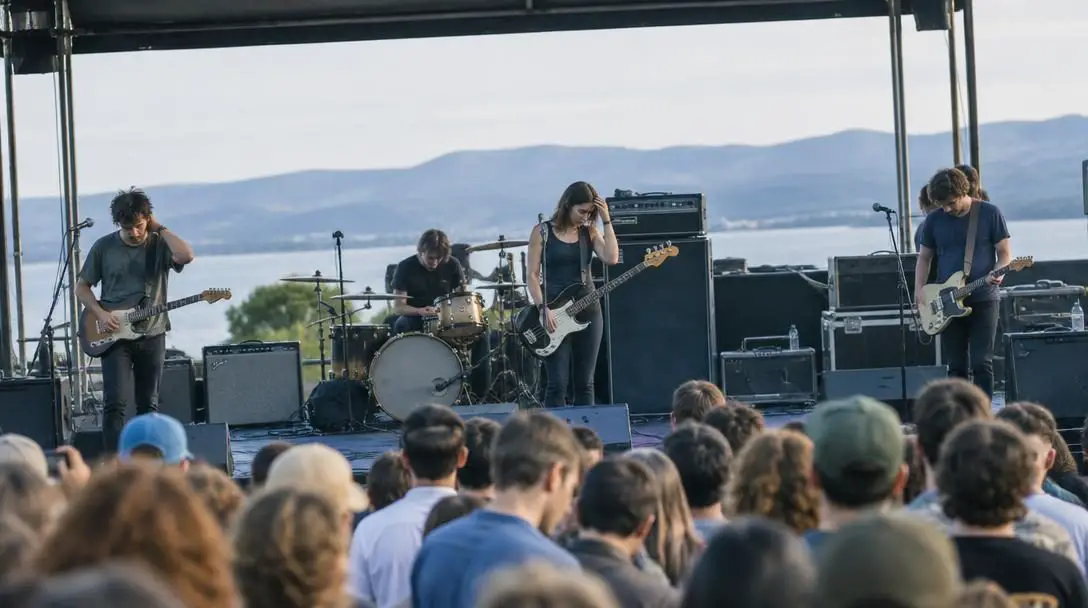
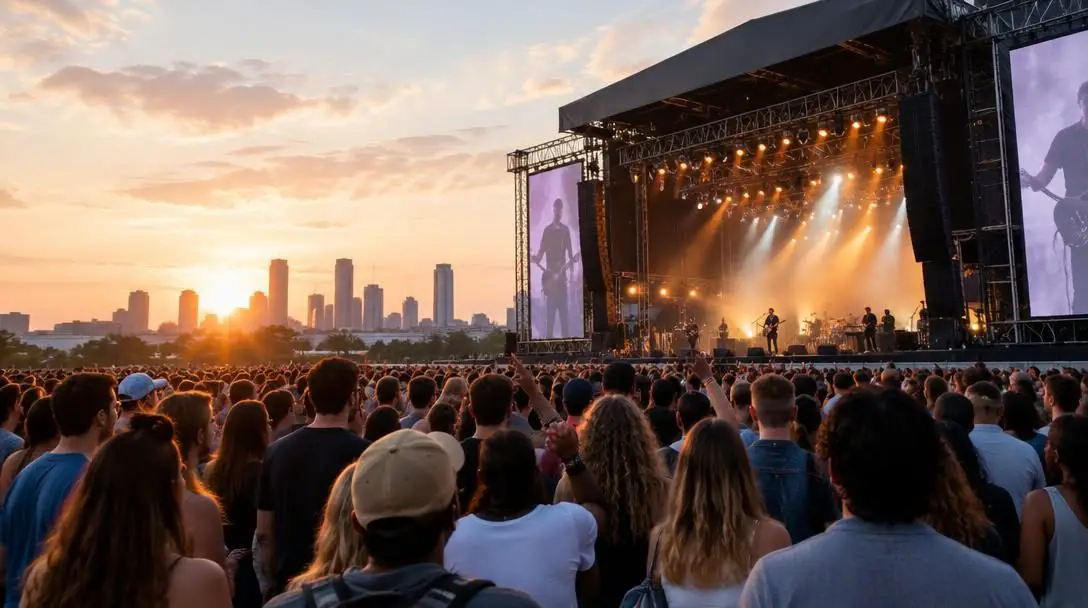
There is an undeniable magic to the anticipation of a live rock concert. Securing a ticket, standing among hundreds or thousands of expectant listeners, and waiting for the house lights to dim creates a distinct communal charge that streaming a track through headphones can never quite replicate. For many passionate music fans, seeing an iconic act take the stage is intended to be the ultimate culmination of their fandom, bringing the songs they love into vibrant, physical reality.
Yet, that thrilling anticipation can curdle into profound disappointment when the performance falls flat. Some of the most celebrated recording artists in popular music history, responsible for universally acclaimed albums, struggle to recreate that same brilliance in an auditorium or stadium. The vast gulf between a controlled studio environment and the chaotic variables of a concert stage means that exceptional songwriting does not always translate into a rewarding live show.
Key takeaways
- Modern studio production provides acoustic control, precision mixing, and unlimited vocal takes that mask shortcomings impossible to hide on a concert stage.
- Iconic acts such as Nirvana, Guns N' Roses, and The Strokes have frequently drawn criticism for sloppy execution, vocal strain, or detached stage presence.
- Complex sonic architectures, like the dense feedback layers of My Bloody Valentine, can turn into an indistinct wall of noise in conventional concert halls.
- Decades of continuous touring take an inevitable physical toll on veteran bands, leading to uninspired or mechanically routine performances.
- Concertgoers can safeguard their experiences by standing near the soundboard, using high-fidelity earplugs, and setting realistic expectations for live sound.
Studio Perfection Versus Stage Reality: An Overview
To understand why world-class artists can falter in person, one must first look at the modern recording studio. In a studio setting, musicians work in carefully designed acoustic environments with access to multi-track layering, pitch correction, isolated instruments, and endless opportunities to repeat a difficult passage until it is flawless. Every note is weighed, balanced, and sculpted to create an ideal listening experience. When bands tour, those safety nets vanish instantly, replaced by unpredictable room acoustics, shifting monitor mixes, and the sheer physical exhaustion of live performance.
| Band | Prominent Era | Primary Live Criticism | Key Contributing Factor |
|---|---|---|---|
| Nirvana | 1990s | Disjointed, sloppy sets | Personal turmoil, health issues, and chaotic execution |
| Guns N' Roses | Late 1980s to early 1990s | Rushed shows and late starts | On-stage meltdowns, tardiness, and vocal strain |
| My Bloody Valentine | 1990s shoegaze era | Overwhelming, disorienting noise | Extreme volume and lost melodic nuance in live acoustics |
| The Rolling Stones | Five decades of touring | Routine, lackluster performances | Physical toll of aging over relentless touring schedules |
| The Strokes | Early 2000s | Flat delivery and apathy | Detached vocal presence and low audience engagement |
A flawless studio recording sets an impossibly high standard that raw stage adrenaline and cavernous venue acoustics cannot always match.
Five Acclaimed Bands That Struggle on the Concert Stage
Over the decades, multiple legendary rock and alternative groups have faced widespread audience backlash for their uneven in-person performances. The following five acts illustrate how studio mastery does not always guarantee a compelling concert.
Nirvana
- Prominent era: 1990s
- Key songwriter: Kurt Cobain
- Live reputation: Disjointed and erratic
- Studio signature: Tight hooks and balanced dynamic shifts
Nirvana stands as one of the defining cultural forces of the 1990s, driven by the exceptional songwriting of the late Kurt Cobain. Their studio records captured an exquisite balance between punishing distortion and melodic pop sensibilities. On stage, however, that delicate equilibrium often unraveled. Many attendees at their concerts described the sets as disjointed, musically sloppy, and characterized by a persistent failure to establish a meaningful connection with the audience.
Much of this inconsistency stemmed from Cobain's mounting health problems, struggles with substance abuse, and the immense psychological weight that culminated in his tragic suicide. When physical and emotional strain overwhelmed the band, their live concerts could quickly slide into unfocused chaos. While hardcore adherents often defended these erratic sets as raw, unvarnished expressions of authentic grunge rebellion, countless ticket holders walked away feeling that the melodic hooks and dynamic nuance of the records had been completely lost in the noise.
Guns N' Roses
- Peak commercial era: Late 1980s and early 1990s
- Frontman: Axl Rose
- Common live complaints: Excessive tardiness, rushed songs, and backing tracks
- Performance challenge: Severe vocal strain on demanding hard-rock tracks
At their commercial peak, Guns N' Roses represented the absolute pinnacle of swaggering arena rock. Despite delivering monumental hits and generating immense media fanfare, the group's live reputation was frequently marred by inconsistency. Frontman Axl Rose developed a notorious reputation for diva-like behavior, volatile on-stage temper tantrums, and unannounced multi-hour delays that kept packed arenas waiting well past midnight.

When the band finally did perform, concertgoers frequently reported shows that felt rushed, loose, and emotionally disconnected. The aggressive, screeching vocal style that defined their studio hits placed immense strain on Rose's vocal cords, leading to accusations that the band leaned on pre-recorded backing tracks to compensate for diminished vocal strength. Between internal band friction, unpredictable pacing, and vocal fatigue, their arena spectacles frequently devolved into deeply frustrating experiences for paying fans.
My Bloody Valentine
- Seminal release: Loveless
- Defining genre: Shoegaze
- Sonic architecture: Dense guitar distortion and unconventional time signatures
- Concert obstacle: Intolerable volume levels blurring delicate melodies
My Bloody Valentine’s landmark record Loveless is universally celebrated as a masterpiece of shoegaze, blending breathtaking pop melodies with shimmering, layered guitar textures. In the studio, the group spent years meticulously sculpting frequencies to ensure that fragile vocal harmonies and subtle melodic lines remained audible beneath a tempest of distorted feedback. In a cavernous concert venue, however, that intricate balance is almost impossible to replicate.
On stage, the group's signature sound frequently collapses into an undifferentiated, physically oppressive wall of sound. Coupled with unconventional time signatures and staggering sound pressure levels, their live sets can alienate listeners who expect the dreamy clarity of the album. Audiences unprepared for the sheer physical assault of their feedback-heavy arrangements often leave the venue disoriented and ear-fatigued rather than mesmerized.
The Rolling Stones
- Touring timeline: More than five decades on the road
- Signature anthems: "Satisfaction" and "Brown Sugar"
- Primary criticism: Lackluster, mechanical, and uninspired execution
- Core challenge: The natural physical toll of touring across multiple decades
Having toured consistently for more than fifty years, The Rolling Stones remain one of the most enduring live acts in rock history. Their legendary catalog, featuring timeless anthems like "Satisfaction" and "Brown Sugar," can still whip massive stadium crowds into a frenzy. Nevertheless, music critics and casual concertgoers alike have pointed out that their performances can be profoundly hit-or-miss, with numerous shows criticized as mechanical and uninspired.
The physical demands of executing high-energy, rhythm-and-blues rock across five decades of constant touring are monumental. As musicians age, maintaining the relentless kinetic bounce and vocal bite that made their early live shows legendary becomes a steep biological challenge. With tour itineraries that span dozens of cities year after year, it is inevitable that certain nights feel more like a routine corporate obligation than a fiery rock-and-roll revival.
The Strokes
- Breakout period: Early 2000s
- Frontman: Julian Casablancas
- Initial media status: Hailed as the saviors of rock and roll
- Main stage issue: Flat vocal delivery and visible apathy
When The Strokes emerged in the early 2000s, critics and fans swiftly crowned them as the saviors of modern rock and roll. Their early studio recordings crackled with sharp, angular guitar riffs, tight urban rhythms, and an effortlessly cool vocal delivery. Yet, when brought to festival stages and theaters, the band's live shows have frequently been criticized as surprisingly flat and low-energy.
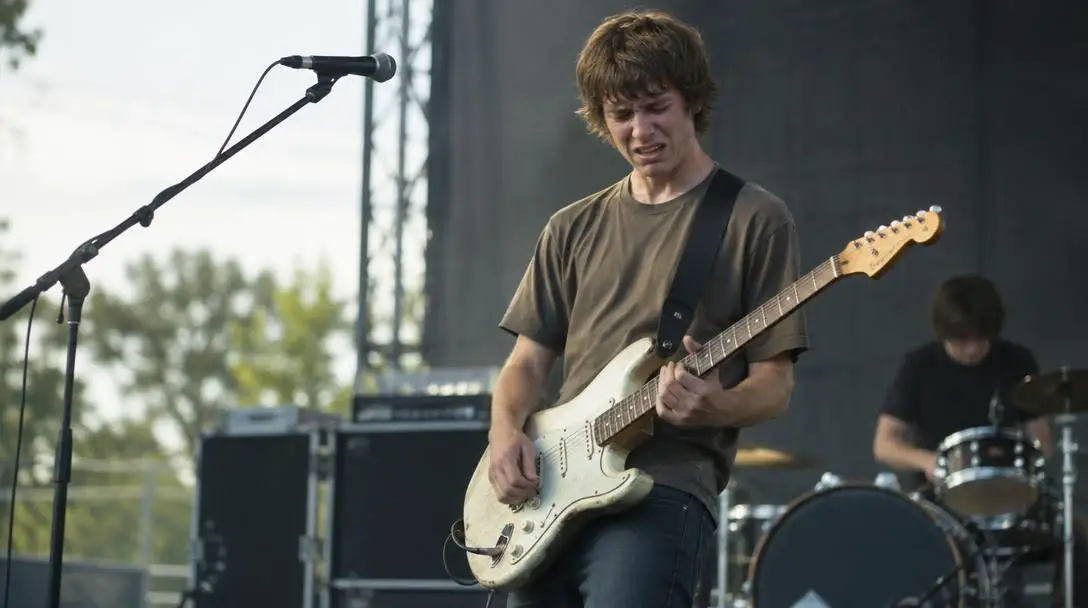
Much of this critique centers around lead singer Julian Casablancas, whose detached and apathetic stage mannerisms can read as sheer disinterest to audiences standing dozens of yards away. The vocal style that sounds chic and laconic through studio microphones often fails to project the necessary energy across a large room. Without a dynamic emotional exchange between the frontman and the crowd, even their most celebrated garage-rock tracks can feel perfunctory and dull when performed live.
The Mechanics of Live Sound: Why Albums Don't Always Translate
The gap between a magnificent record and a disappointing concert rarely comes down to a simple lack of talent. Staging a modern rock concert requires dozens of independent technical, physical, and psychological factors to align under difficult conditions.
- Acoustic Variables: Every venue presents unique acoustic obstacles. Concrete flooring, vaulted metal ceilings, and awkward room shapes create harsh reflections, standing waves, and flutter echoes. Frequencies that were finely balanced in a controlled mastering suite can quickly turn into muddy bass and harsh treble in an arena.
- Stage Monitoring Systems: Performers rely on wedge stage monitors or in-ear monitors to hear themselves and their bandmates over loud amplifiers and drum kits. If a singer cannot clearly hear their own pitch or the rhythm section, their intonation deteriorates rapidly, resulting in flat, off-key, or out-of-time performances.
- Physical Stamina and Vocal Fatigue: Vocal cords are delicate soft tissue. In a recording session, a vocalist can record a challenging verse, rest for an hour, drink tea, and attempt another take. On tour, artists must sing demanding, high-impact parts for ninety minutes consecutive nights under intense, dehydrating stage lighting.
- Crowd Dynamics and Showmanship: Songwriting is an introverted, reflective craft; performing is an extroverted, theatrical discipline. An artist can be an absolute genius at arranging chord progressions while lacking the natural charisma, comedic timing, or physical presence required to hold the attention of ten thousand spectators.
How to Prepare for a Better Live Concert Experience
Attending live concerts requires a significant investment of time and money. By following a structured approach before and during the event, music lovers can mitigate common acoustic issues and avoid setting themselves up for disappointment.
- Research recent setlists and tour reviews: Search recent fan reports and reviews from earlier dates on the current tour. Vocal ranges change, setlists vary, and recent reports can provide an honest snapshot of an artist's current physical form and pacing.
- Calibrate your expectations: A live performance is an interpretation of an album, not an exact playback. Preparing yourself for tempo fluctuations, altered vocal keys, and spontaneous arrangements will prevent frustration when the show deviates from the studio record.
- Invest in high-fidelity acoustic earplugs: Conventional foam earplugs muffle higher frequencies, making the entire band sound muddy. High-fidelity earplugs reduce sound pressure evenly across the frequency spectrum, allowing you to hear melodies and lyrics clearly even at extreme volumes.
- Choose your viewing position strategically: Sound radiates unevenly through rooms. Standing directly against the front barrier often places you beneath the main line-array speakers, while standing far to the sides results in harsh reflections. Aim for the center of the venue near the soundboard for the clearest audio.
- Account for the venue's acoustic nature: Understand the strengths and limitations of the performance space. A historic theater with plush seating naturally absorbs excess reverberation, whereas an outdoor festival or a basketball stadium requires realistic expectations regarding echo and low-end clarity.
Common Mistakes Fans Make When Evaluating Live Shows
Concertgoers often leave venues frustrated because of unrealistic assumptions about the nature of live performance. Recognizing these common pitfalls can help you judge a concert fairly.
- Expecting a replica of multi-tracked records: Believing a four-piece band should replicate dozens of studio guitar overdubs and multi-layered vocal harmonies without using playback tracks is fundamentally unrealistic.
- Blaming musicians for venue acoustics: If the lead guitar sounds shrill or the bass lines drown out the vocals, the problem often stems from the building's physical geometry or front-of-house mixing decisions rather than the musicians' technical playing.
- Disregarding vocal aging: Demanding that veteran vocalists in their sixties or seventies hit the identical piercing high notes they recorded in their twenties ignores basic human biology.
- Confusing coolness with apathy: In some alternative and post-punk genres, a reserved or detached demeanor is an intentional stylistic choice, not necessarily evidence that the band is disinterested in performing.
Frequently asked questions
Why do bands use pre-recorded backing tracks during live concerts?
Bands often use backing tracks to fill out complex arrangements, replicate studio synthesizers, or reinforce vocal harmonies that cannot easily be reproduced by the members on stage. However, over-relying on backing tracks can make a show feel artificial, especially if used to mask a lead singer's diminished vocal abilities.
Why does My Bloody Valentine play at such extreme volume levels?
My Bloody Valentine uses extreme volume as an artistic medium to create a physical, immersive wall of sound through guitar feedback and resonance. While this creates a unique sensory experience, it can easily overwhelm conventional venue acoustics and make subtle melodies difficult to decipher without proper ear protection.
Does a poor live concert mean a band lacks musical talent?
Not necessarily. Exceptional songwriters, arrangers, and studio musicians often struggle with stage anxiety, vocal endurance, or the extroverted demands of crowd entertainment. Great studio musicianship and captivating live showmanship are distinct skill sets that do not always overlap.
Where is the best place to stand for optimal sound quality at a concert?
The best listening position is generally right in front of or immediately adjacent to the soundboard. The front-of-house audio engineer mixes the concert from that exact spot, meaning the balance between vocals, drums, and guitars is optimized for that specific location in the room.
The Bottom Line
Recognizing the sharp divide between the recording studio and the concert stage does not mean giving up on live music. Rather, it allows concertgoers to approach performances with open eyes and realistic expectations. When an artist steps onto a stage, they leave behind the pristine, controlled universe of endless takes, digital pitch alignment, and clinical sound baffling to confront raw room acoustics, physical exhaustion, and the unpredictable energy of a live audience.
If your ultimate priority is hearing pristine, audiophile-grade fidelity where every vocal run and delicate guitar harmonic sits in flawless proportion, you will almost always find greater satisfaction listening to the studio master on a high-quality home audio setup. But if you value the thrill of human unpredictability, spontaneous artistic choices, and the communal celebration of music, attending a concert remains an essential experience—even when iconic bands prove to be gloriously, undeniably human on stage.