5 benefits of using a temporary phone number for online customer service inquiries

Modern consumers interact with businesses across numerous digital touchpoints every single day. Whether troubleshooting software, tracking down a delayed shipping parcel, asking for billing clarifications, or requesting an order refund, digital customer service has become an indispensable element of electronic commerce. Traditionally, initiating contact with a support desk required providing a primary mobile number or home landline, binding a consumer's essential identity to an external corporate help desk.
Because a personal phone number acts as an identity anchor across banking portals, social media accounts, and security verification tools, handing it over to unfamiliar corporate platforms introduces substantial digital exposure. Temporary phone numbers provide a controlled, disposable layer of separation, allowing consumers to resolve their customer support requests without leaving their primary contact details in corporate databases or marketing queues.
Key takeaways
- Temporary phone numbers protect personal phone lines from unauthorized marketing, corporate data leaks, and social engineering fraud.
- Cloud-based routing keeps primary SIM hardware completely detached from third-party help desk records and service tickets.
- Segregating customer inquiries across dedicated numbers prevents confusion when managing multiple active service cases.
- Users should avoid linking temporary numbers to primary account recovery systems unless they intend to retain the line indefinitely.
How temporary phone numbers operate in customer support
Temporary phone numbers function by routing incoming voice calls and text messages through cloud-based systems, dedicated software applications, or secondary subscriber connections rather than through the physical hardware connection of a primary SIM card. When a user requests a temporary or virtual number, the service provider assigns an active, functional telephone number that behaves identically to a standard carrier line from the perspective of an external caller.
When an online customer service inquiry requires a callback, shipping status update, or two-factor confirmation code, the consumer inputs the temporary number instead of their private mobile line. Inbound communications from the business support agent are instantly forwarded to the user's secondary device, mobile application, or web-based messaging portal. The company's help desk software, internal databases, and communication logs register only the temporary contact details.
Once the underlying transaction or troubleshooting ticket is closed, the user can de-allocate, deactivate, or ignore the temporary number. Any subsequent outreach, automated marketing message, or unauthorized contact attempt directed at that line simply terminates at the inactive forwarding service, ensuring zero interruption to the consumer's everyday mobile experience.
Five core advantages of using a temporary number
Deploying an intermediate communication channel for customer service provides tangible improvements in both personal data protection and daily administrative organization. These benefits directly address the vulnerabilities introduced by modern multi-channel help desks.
Heightened security against fraud and scammers
Customer support portals are frequent targets for cyberattacks, social engineering campaigns, and internal data mismanagement. When a support record is breached, any personal data contained in the ticket—including contact numbers—can end up circulating on unauthorized lists. Malicious actors frequently cross-reference compromised phone numbers with public records to attempt SIM-swapping, password resets, or identity theft. Using a secondary, disposable number creates an essential safety barrier. If support databases suffer an intrusion, bad actors obtain only an isolated secondary contact point, leaving the consumer's primary identity anchor untouched and secure.
Complete privacy protection
Submitting a primary telephone number to an unfamiliar merchant or service provider often leads to unintended data distribution. Many corporate privacy policies allow customer records to be shared with advertising affiliates, internal sales departments, or third-party data brokers once a support ticket is completed. This practice results in persistent cold calls, promotional texts, and automated sales pitches. A dedicated temporary number blocks these promotional pipelines at the source. Consumers gain absolute control over who can contact them, shutting down marketing avenues as soon as the customer service interaction concludes.
Ease of use and convenience
Managing communications across several vendors can become tedious, especially when juggling various customer service portals, specialized accounts, and access credentials. Secondary and virtual numbers eliminate this friction by centralizing multi-party communications within a single mobile app or web interface. A consumer can resolve a billing question with a utility company while simultaneously addressing a warranty issue with a gadget manufacturer without logging in and out of different accounts. Once an inquiry is settled, the user no longer faces unwanted calls or follow-up surveys interrupting their workday.
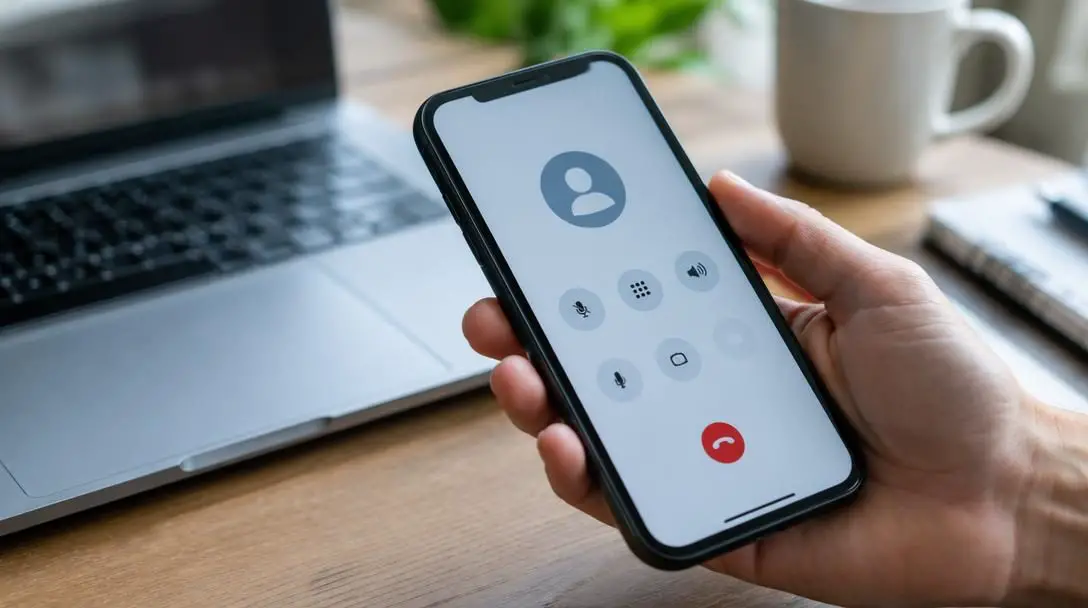
A temporary number allows consumers to interact with customer service teams while keeping their private contact details hidden from third-party databases, agents, and potential threat actors.
Enhanced efficiency through organized channels
Tracking multiple customer support tickets through a single primary inbox or call history frequently causes miscommunication and confusion. If multiple service teams reach out within the same afternoon, deciphering which representative is calling about which order can be challenging. By assigning distinct temporary numbers to separate vendors or service requests, consumers keep their active issues completely segregated. The incoming routing indicates precisely which company is calling before the phone is even answered, streamlining personal administrative workflows.
Faster response times and greater flexibility
Segmenting inquiries through dedicated virtual lines significantly improves operational speed. Because inbound updates arrive through clearly defined channels, consumers can immediately recognize critical status notifications and supply requested verification details without delay. Furthermore, if a customer switches their underlying mobile service provider, upgrades their handset, or transitions between broadband carriers, their customer support lines remain intact inside the cloud application. Support interactions experience zero downtime or complicated carrier porting procedures.
Comparing temporary number configurations
Temporary numbers can be established through several distinct delivery models depending on the required duration, technical capabilities, and inquiry complexity. The following table highlights the operational characteristics across the most common formats.
| Number Format | Ideal Duration | Primary Use Case | Inbound SMS Support | Level of Isolation |
|---|---|---|---|---|
| Single-Use Disposable | Hours to days | One-off verification, brief shipping queries | Basic text only | Maximum isolation |
| App-Based Virtual Line | Weeks to months | Extended warranty claims, ongoing support | Full SMS and MMS | High isolation |
| Prepaid Secondary SIM | Flexible / Ongoing | High-volume purchasing, marketplace selling | Full SMS, MMS, and voice | Hardware-level separation |
Step-by-step setup for customer service inquiries
Setting up an intermediate contact channel requires minimal technical overhead and can be completed in minutes before reaching out to a help desk.

- Determine communication needs: Assess the type of support engagement required. Identify whether the issue requires voice callbacks, two-way text messaging, or automated short-code verification codes.
- Research available providers: Review services offering prepaid numbers or cloud-based virtual phone lines geared toward consumer communication management.
- Compare features and pricing: Evaluate service durations, inbound message allowances, renewal flexibility, and pricing structures across potential providers.
- Set up an account: Install the provider's application or access their web dashboard, follow the registration prompts, and generate a new operational phone number.
- Input the number for service requests: Submit the generated temporary number on the vendor's help desk portal, contact form, or callback interface rather than your personal line.
- Manage the inquiry: Monitor inbound calls and texts inside the provider's application to provide requested information and bring the support ticket to resolution.
- Retire or retain the number: Decide whether to hold the number for future interactions with that specific brand or deactivate it to sever all future contact.
Common pitfalls and mistakes to avoid
Although temporary phone numbers provide significant advantages for privacy and security, mismanaging them can cause communication breakdowns during complex customer service cases.
- Letting numbers expire prematurely: Some temporary services recycle or deactivate numbers after a short period of inactivity. If a customer service dispute or warranty replacement takes weeks to resolve, an expired number prevents the support desk from delivering critical case updates.
- Neglecting account recovery dependencies: Never assign a temporary or short-lived number as the primary recovery method for valuable services like primary email accounts or financial platforms unless you intend to retain access to that specific line indefinitely.
- Choosing services without verification support: Certain support systems verify consumer identities using automated short-code text messages. Some virtual number providers do not accept short-code SMS, which can block necessary verification steps.
- Failing to monitor the number: Missing an incoming callback or time-sensitive confirmation code can cause support agents to close your inquiry ticket, resetting your place in the support queue.
- Overlooking service terms: Different providers enforce distinct renewal policies, regional calling restrictions, and acceptable use limits. Failing to check these details can result in sudden service interruptions during a support claim.
Key considerations before selecting a provider
Selecting the most effective temporary number solution requires evaluating the nature of your ongoing service inquiries against available service models. A mismatched provider can introduce unnecessary complexity into an otherwise simple support interaction.
Evaluate the typical lifespan of your inquiries. For single-purchase questions on unfamiliar e-commerce sites, an inexpensive short-duration disposable number is generally sufficient. In contrast, complex transactions involving insurance claims, freight shipments, or technical repairs benefit from a virtual number service that allows continuous monthly retention without the risk of abrupt recycling.
Additionally, examine the user interface of the provider's platform. The software should make it easy to separate conversations, review call histories, adjust notification preferences, and archive closed inquiries. A clear, intuitive interface ensures that keeping your customer service communications isolated remains convenient and organized over the long term.
Frequently asked questions
Can customer support agents tell that I am using a temporary phone number?
In most instances, customer service representatives cannot tell that an inquiry is originating from a temporary or virtual number. The number appears on their call dashboard and ticketing system as a standard telephone line. However, specialized fraud-prevention tools may identify certain virtual numbers as VoIP services.
Will I be able to receive automated verification texts through a temporary number?
Yes, provided you choose a provider that supports SMS verification. While many services process standard text messages and short-code alerts without issue, some basic disposable lines restrict automated security codes, so checking compatibility beforehand is recommended.
What happens if a company calls back after I have discarded the number?
Once a temporary number is retired, deactivated, or deleted, all incoming calls and text messages are discontinued. The caller will receive a standard disconnection notification or out-of-service tone, ensuring that no further communications reach your private phone.
Is it legal to use a temporary phone number for customer service requests?
Using a secondary or temporary phone number for customer service inquiries, shopping, and identity protection is entirely legal. It serves as a personal privacy filter, allowing individuals to manage how their contact records are shared across commercial entities.
Can I keep the same temporary number if my customer service issue takes longer than expected?
Many virtual phone providers offer options to extend, renew, or convert temporary numbers into ongoing subscriptions. As long as you renew the number before the initial active period expires, you can retain the line for as long as your service inquiry requires.
The bottom line
A personal phone number serves as a critical identity anchor across modern digital systems, making it too valuable to distribute indiscriminately across customer support desks and merchant databases. Using a temporary phone number for online customer service interactions offers an effective way to safeguard personal privacy, prevent persistent marketing outreach, and protect against security breaches. By selecting an appropriate provider and managing number lifecycles responsibly, consumers can resolve their support inquiries efficiently while keeping their private contact details entirely secure.