5 Best Live Acts in History
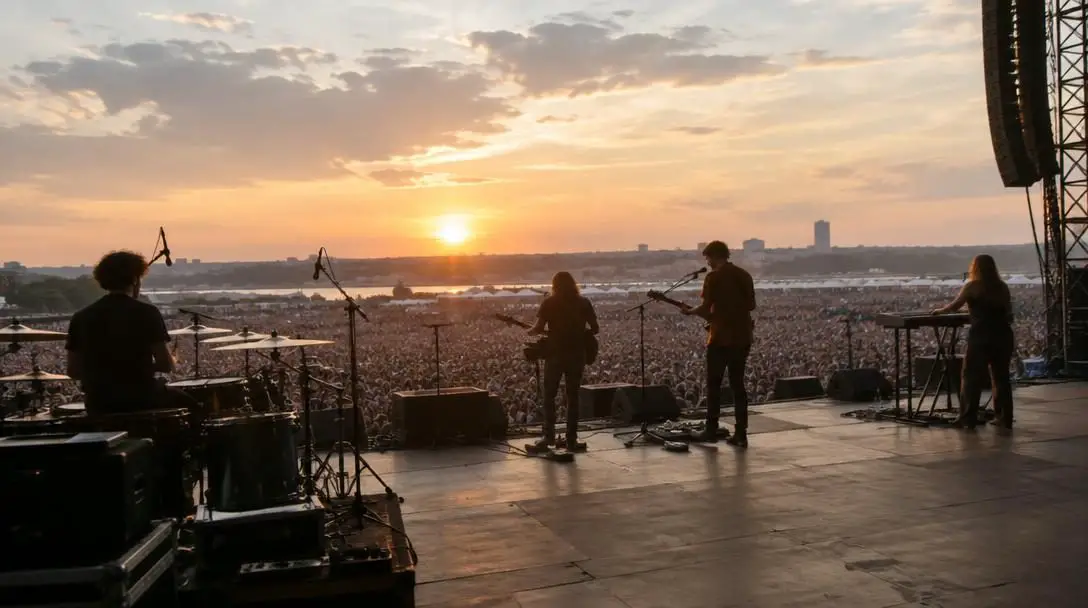
The way the world listens to music has shifted dramatically over recent decades. While physical formats such as eight-track cartridges, cassette tapes, and compact discs have largely retreated into nostalgia, digital streaming and on-demand audio have taken over daily listening habits. Yet despite how frictionless recorded sound has become, the ancient impulse to gather in a shared physical space has never waned. Streaming a master track through headphones cannot replicate the visceral physical energy of standing shoulder to shoulder with thousands of people while a band commands the room from an elevated platform.
Across modern musical history, certain artists elevated their concerts far beyond routine promotional tours, establishing benchmarks of stamina, showmanship, and sensory immersion. Whether delivering a transcendent, introspective journey into the cosmos or orchestrating an all-out, high-octane rock celebration, the following legendary performers redefined what it means to experience music in the flesh.
Key takeaways
- Live concerts retain a unique, irreplaceable physical power that digital and physical playback formats cannot duplicate.
- Iconic acts distinguish themselves through distinct performance styles ranging from Pink Floyd's psychedelic stagecraft to AC/DC's unrelenting tempo.
- Freddie Mercury and Prince demonstrated how virtuosic musical talent and intimate crowd connections can unify tens of thousands of stadium attendees.
- Legendary performers rely on core mechanics including dynamic momentum, authentic enthusiasm, and instrumental mastery presented as theater.
Legendary Performers at a Glance
While every great touring artist brings a unique dynamic to the stage, the greatest acts in history developed distinct signatures that separated them from standard touring bands. The table below outlines how these landmark headliners approached their live productions.
| Artist | Signature Concert Trait | Key Defining Element | Notable Era or Showcase |
|---|---|---|---|
| The Rolling Stones | Multi-decade endurance and high-voltage charisma | Mick Jagger's unrelenting physical vitality | 1960s debut through marathon 1970s tours and beyond |
| AC/DC | Relentless, non-stop sonic barrage without cooldowns | Angus Young's kinetic stage showmanship | Multi-decade stadium runs spanning three lead vocalists |
| Pink Floyd | Atmospheric, multi-sensory psychedelic soundscapes | Dense fog, lasers, and immersive conceptual imagery | The Roger Waters era featuring stadium-scale masterworks |
| Queen | Masterful stadium-wide audience connection and melody | Freddie Mercury's magnetic call-and-response leadership | The historic 1985 Live Aid performance at Wembley |
| Prince | Virtuosic multi-instrumental mastery and spiritual flair | Electrifying guitar wizardry and sublime stage command | Torrential rain-soaked Super Bowl halftime show in Miami |
The 5 Best Live Acts in Modern History
Evaluating live performance history requires looking beyond chart positions and record sales. The true test of a stage act rests in how thoroughly an artist captivates an audience, commands physical space, and leaves an indelible mark on cultural memory. These five performers stand as the pinnacle of concert history.
The Rolling Stones
- Active on Stage: 1960s to the modern era
- Key Dynamic: Sustained stage stamina across multiple generations
- Defining Era: 1970s marathon concert tours
The Rolling Stones have occupied a prime position on music lovers' bucket lists since the mid-1960s. For the vast majority of touring ensembles, age brings a noticeable decline in physical agility and live energy. The Rolling Stones, led by the inexhaustible movement of Mick Jagger, completely disrupted that narrative. Rather than slowing their stride, they carried their high-voltage show across every single decade they took the road.
While their contemporary setlists may not match the sheer, exhaustive length of the marathon shows they routinely delivered throughout the 1970s, their performances maintain a rare magnetic quality. The group still projects an undeniable passion for live interaction that younger acts struggle to emulate. Because of this unparalleled longevity and consistent touring excellence, many music historians and concertgoers rank them as the definitive live rock and roll outfit of all time.
AC/DC
- Core Production Style: Relentless pacing without acoustic cooldown sets
- Lead Showman: Lead guitarist Angus Young
- Vocal Eras: Sustained stadium success across three lead singers
Standard rock pacing often relies on deliberate dynamics, inserting mid-tempo acoustic tracks or quieter ballads so the musicians can catch their breath while the frontman rests on a stool. AC/DC has long rejected that convention. Their live philosophy centers on delivering a relentless barrage of high-octane tracks back-to-back, sustaining an intense volume and momentum that never allows the room to cool down.
Much of this electric atmosphere is propelled by lead guitarist Angus Young, whose kinetic sprints, duckwalks, and theatrical guitar solos make him one of rock history's most mesmerizing figures. Backing that physical commitment is an enormous financial investment in grand-scale, elaborate set pieces that transform stadiums into giant, high-voltage celebrations. Most remarkably, AC/DC maintained this world-class touring standard across different decades while seamlessly transitioning between three distinct lead vocalists.
Pink Floyd
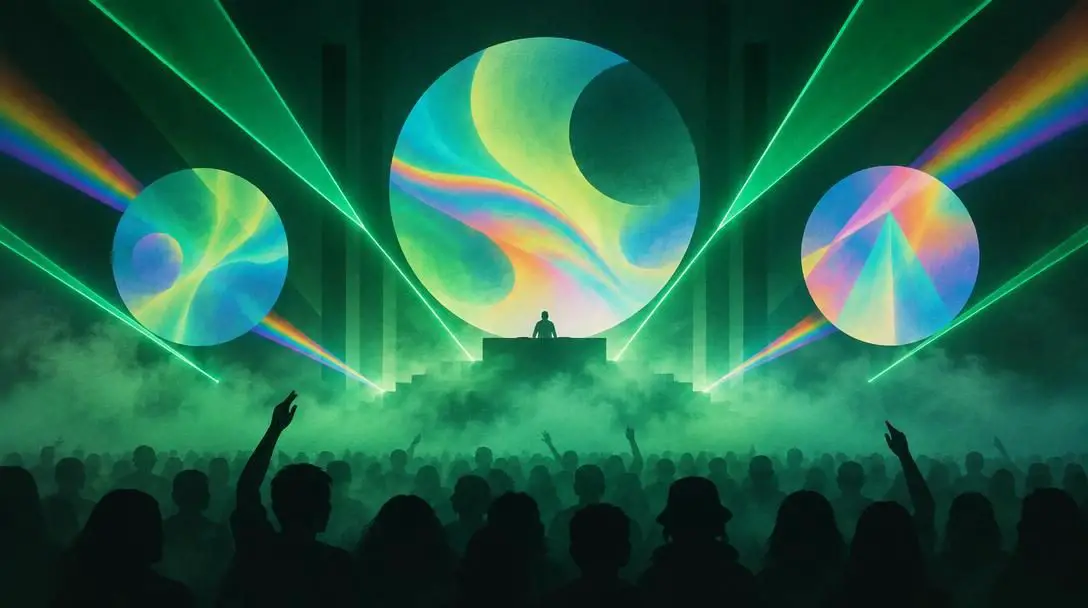
- Show Philosophy: Immersive, psychedelic sensory atmosphere
- Hallmark Visuals: High-powered lasers, thick fog, and conceptual projections
- Signature Tracks: "Comfortably Numb" and "Wish You Were Here"
Where AC/DC demands pure athletic adrenaline from a crowd, stepping into a Pink Floyd concert historically required an entirely different headspace. The English progressive rock pioneers built an international reputation on deeply atmospheric, psychedelic stage shows that engaged every human sense. Their legendary productions blended sophisticated light shows, synchronized laser arrays, thick blankets of fog, and poignant cinematic footage projected above the musicians.
For purists, the group's definitive live peak arrived during the tenure of bassist and singer Roger Waters, whose commanding vocal presence cut through cavernous stadiums with remarkable clarity and weight. Coupled with David Gilmour's soaring guitar solos during staples like "Comfortably Numb" and the poignant communal resonance of "Wish You Were Here," Pink Floyd's concerts felt less like conventional band recitals and more like profound, spiritual journeys that reliably raised goosebumps across vast crowds.
Queen
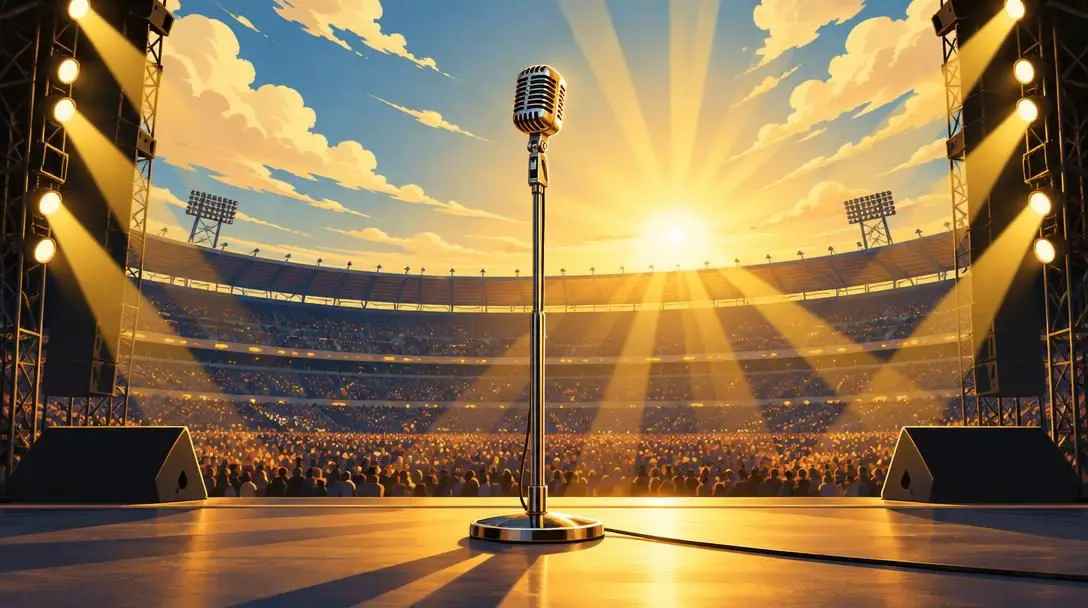
- Signature Performance: Live Aid at Wembley Stadium (1985)
- Legendary Frontman: Freddie Mercury
- Modern Touring Lineup: Collaborative tours featuring Adam Lambert
Some historic acts depend heavily on elaborate theatrical props, but Queen proved that transcendent concert magic can arise purely from pristine vocal melodies and an absolute master of ceremony. Frontman Freddie Mercury possessed an intuitive, unrivaled capacity to hold tens of thousands of concertgoers in the palm of his hand, turning vast open-air arenas into intimate gathering spaces through his magnetic charisma and vocal endurance.
A legendary live concert does not require towering set pieces when a performer knows how to transform an entire stadium into a unified choir.
The ultimate testament to Queen's prowess remains their legendary set during the 1985 Live Aid broadcast. In a brief, compact performance, Mercury unified an entire stadium through vocal call-and-response exercises and soaring anthems, establishing an iconic moment in broadcast history. Following Mercury's tragic passing due to illness, Queen eventually revived their live legacy for modern audiences, touring worldwide with former American Idol runner-up Adam Lambert to deliver polished, crowd-pleasing arena celebrations that honor the band's rich catalog.
Prince
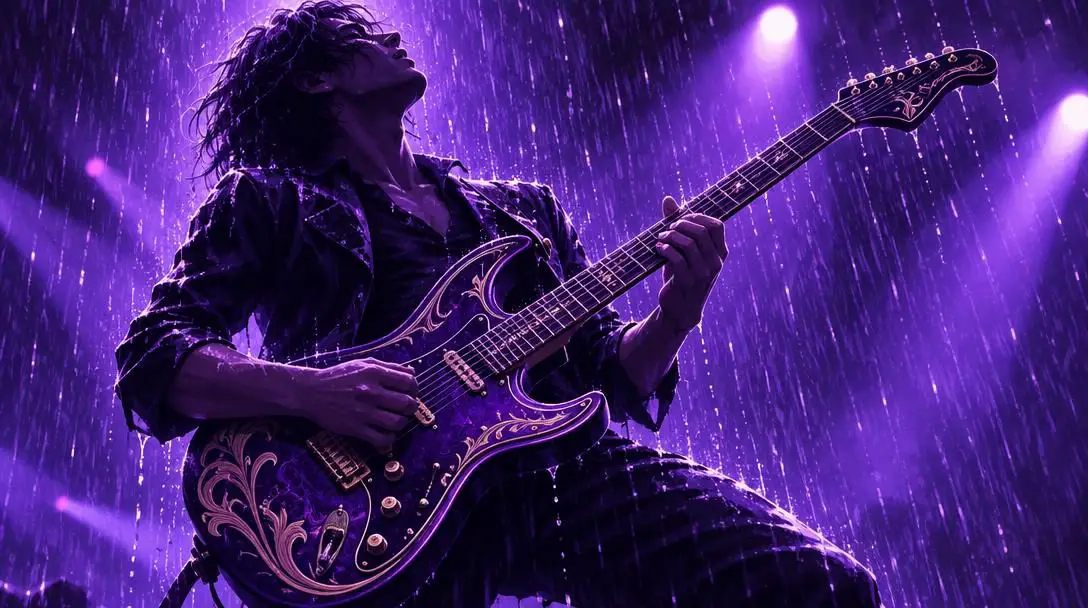
- Signature Showcase: Super Bowl Halftime Show in Miami
- Key Musical Quality: Virtuosic multi-instrumental stage prowess
- Distinctive Atmosphere: Sublime, otherworldly purple-tinged aesthetic
Describing the sensory environment of a Prince concert in standard musical terminology is virtually impossible. Walking into his venue felt like stepping into an otherworldly, purple-hued universe characterized by pure artistic freedom. Observers frequently remarked that his performances carried the spiritual gravity and emotional catharsis of a gospel revival, driven by searing, transcendent electric guitar solos alongside essential Hammond organ foundations.
Prince was a true musical polymath, blessed with the extraordinary technical capability to play nearly any instrument on stage at an elite level. This virtuosic versatility gave his shows a sense of spontaneous danger and absolute precision. His defining live triumph occurred during his historic Super Bowl halftime performance in Miami, where he delivered a breathtaking, incandescent version of "Purple Rain" while performing without hesitation through a torrential tropical downpour.
The Anatomy of Stage Command: What Sets Legendary Performers Apart
Analyzing these five generational talents illustrates that captivating live performances are built on distinct structural pillars. Musicians seeking to transition from capable players to legendary performers consistently deploy several fundamental principles.
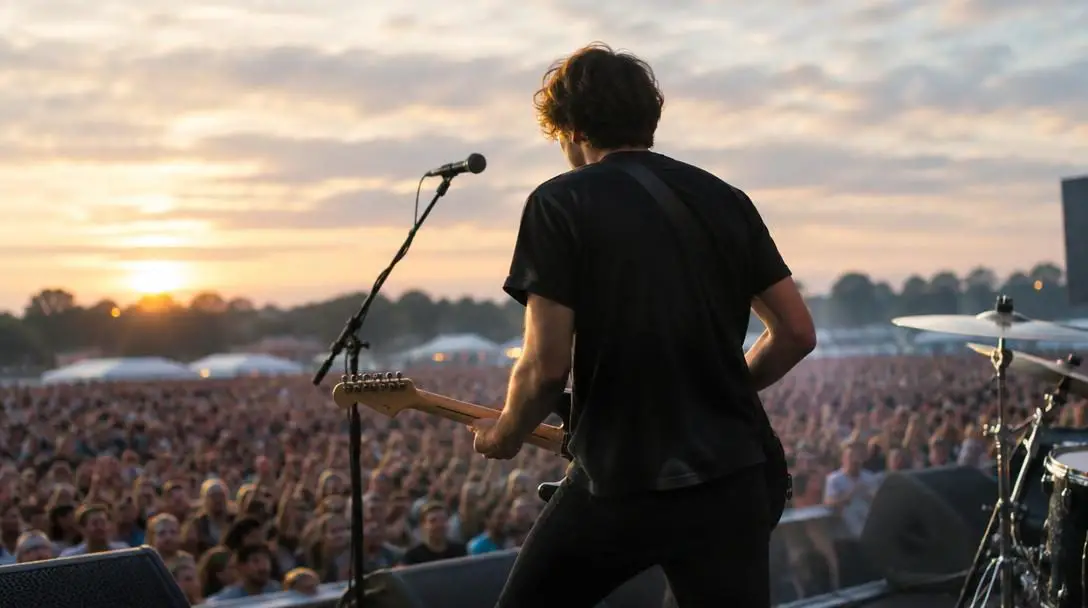
- Unbroken Dynamic Momentum: AC/DC demonstrates the value of tempo. By eliminating extended downtime or pacing lulls between tracks, they maintain high adrenaline in the venue, preventing collective enthusiasm from dissipating.
- Charismatic Call-and-Response: As perfected by Freddie Mercury, great frontmen treat concertgoers as active participants rather than passive listeners. Establishing direct physical and vocal dialogue turns an audience into a collaborative instrument.
- Multi-Sensory Production: Pink Floyd's innovative deployment of projections, lasers, and fog demonstrates that non-auditory design elements can dramatically expand the emotional weight of complex musical arrangements.
- Instrumental Mastery as Physical Theater: Prince and Angus Young proved that instrumental virtuosity should not remain static behind a microphone stand; turning complex soloing into a kinetic, whole-body spectacle amplifies the drama.
- Visible, Unwavering Authenticity: The continuing allure of The Rolling Stones rests on visible joy. Audiences respond deeply when they sense that veteran musicians still genuinely delight in playing their instruments on stage.
Essential Preparation for Arena and Stadium Concerts
Securing tickets to see major headliners in vast outdoor venues or metropolitan arenas requires more foresight than visiting a neighborhood music club. Proper logistical planning ensures the outing remains exhilarating rather than chaotic.
- Secure tickets through verified distribution channels: High-profile tours frequently sell out in minutes. Register for official fan-club presales, study vendor policies beforehand, and avoid unverified secondary exchanges that lack admission guarantees.
- Map venue transit and security parameters early: Major stadiums enforce rigorous bag-size restrictions and detailed security checkpoints. Review mass transit schedules and pre-book parking permits well ahead of time to avoid missing opening numbers.
- Bring personal hearing protection and supportive footwear: Arena experiences demand standing on dense concrete surfaces for hours under extreme sound pressure. High-fidelity earplugs reduce acoustic volume evenly without muddying vocal clarity or musical nuance.
- Maintain hydration and monitor physical stamina: Fast-paced shows require sustained stamina. Balance any beverage consumption with cold water so dehydration and fatigue do not compromise your evening.
- Designate an offline meeting location: Mobile phone networks routinely suffer severe congestion inside dense concrete arenas packed with tens of thousands of users. Always establish a clear, physical landmark outside the seating bowl to reunite if your group gets split up.
Common Pitfalls That Detract From the Live Experience
Even devoted concertgoers can stumble into habits that undermine their overall enjoyment. Avoiding these frequent blunders keeps the focus where it belongs: on the stage.
- Watching the concert through a mobile phone screen: Holding up a phone to record entire songs distracts you from the immediate sensory reality and obstructs the sightlines of everyone standing behind you. Snap a quick commemorative photograph, then keep the device stowed.
- Arriving moments before stage time: Stadium security lines and metal detectors take time to clear. Cutting arrival times too close often leads to stressful rushes, long concourse lines, and missed introductory numbers.
- Neglecting hearing preservation: Exposure to prolonged, unattenuated stadium amplification can cause permanent acoustic trauma or tinnitus. Skipping ear protection is one of the most common and damaging mistakes fans make.
- Underestimating outdoor weather shifts: Open-air stadium concerts remain exposed to Mother Nature. Dressing without regard for sudden temperature drops, high winds, or unexpected rain showers can turn a legendary show into an endurance test.
Exploring the Next Frontier of Live Entertainment
Examining the history of these five transformative performers offers a valuable lens through which to appreciate the contemporary concert landscape. Music fans seeking to deepen their appreciation can explore several rewarding pathways.
A great place to start is studying preserved concert films. Historic footage, such as Queen's 1985 performance at Live Aid or Prince's rain-soaked appearance in Miami, offers masterclasses in how artists engaged crowds long before modern smartphone culture altered the visual landscape of arena crowds. Watching these broadcasts reveals how camera operators captured unvarnished, raw stagecraft.
Additionally, pay close attention to modern arena and festival headliners. Evaluating contemporary tours lets you see how today's performers balance technological automation—such as timecoded backing tracks and automated lighting—against the spontaneous charisma demonstrated by Mick Jagger or Freddie Mercury. Finally, do not overlook smaller independent venues. Every legendary band featured on this list cut their teeth in modest clubs, basement bars, and local music halls. Supporting local live music today allows you to discover emerging artists while they are actively refining the stage presence that could one day fill football stadiums.
Frequently asked questions
Why do music historians consider The Rolling Stones such an important live act?
The Rolling Stones established the template for the modern rock tour. Their enduring reputation rests on their extraordinary consistency and physical stamina, maintaining an electric, high-energy stage performance across every decade since the 1960s.
What made Queen's 1985 Live Aid performance so influential?
Queen's appearance at Live Aid demonstrated Freddie Mercury's exceptional ability to command a stadium of over 70,000 people without relying on elaborate staging. His magnetic charisma, vocal prowess, and direct audience interaction unified the crowd into a single chorus.
How did AC/DC approach concert pacing differently from other bands?
Unlike most rock bands that insert lower-tempo ballad sets to rest during long concerts, AC/DC delivers a continuous, high-octane sonic barrage from start to finish, propelled by the relentless theatrical showmanship of lead guitarist Angus Young.
What defined the visual production of Pink Floyd's golden era?
Pink Floyd pioneered immersive, psychedelic stage environments utilizing dense fog, intricate laser displays, and evocative visual projections, crafting a multi-sensory journey designed to deepen the emotional themes of their music.
What is widely considered Prince's most famous live performance?
Prince's halftime performance at the Super Bowl in Miami stands as his most celebrated live spectacle, highlighted by an incandescent guitar performance of "Purple Rain" delivered live during a relentless tropical downpour.
The Bottom Line
The transition from analog physical media to digital streaming has fundamentally altered how society discovers and listens to recorded music, but the human appetite for transcendent live performance remains unchanged. Artists like The Rolling Stones, AC/DC, Pink Floyd, Queen, and Prince proved that live music at its highest level is not merely an auditory performance; it is a shared cultural ritual. By mastering pacing, emotional intimacy, visual spectacle, and sheer instrumental virtuosity, these historic acts established an enduring standard of stagecraft that continues to inspire performers and concertgoers around the globe.