5 Best Page-turners For Music Lovers

Music is an immediate and deeply emotional art form, but behind every recorded track, live performance, and cultural movement lies an intricate human story. While listeners once absorbed songs purely through sound, radio broadcasts, and brief liner notes, literature written by and about musicians has grown into an indispensable medium for understanding how creative breakthroughs actually happen.
Music books do something sound alone cannot: they preserve the gritty atmosphere, economic realities, social tensions, and personal sacrifices that mold legendary records. Whether chronicling the bohemian streets of late-1960s New York, tracing the urban origins of hip-hop in the Bronx, or breaking down the modern pop hit factories, the best page-turners give readers three-dimensional access to artistic genius.
Key takeaways
- Music books reveal the behind-the-scenes struggles, recording techniques, and cultural climates that audio recordings alone cannot fully convey.
- Memoirs from trailblazers like Patti Smith, Bob Dylan, and Miles Davis offer firsthand creative philosophy rather than standard biographical timelines.
- Cultural and journalistic accounts by writers such as Jeff Chang and John Seabrook unpack the broader social forces and production machinery driving global hits.
- Pairing active reading with companion listening sessions dramatically enriches both the literary and musical experience.
At a glance: Five landmark books for music fans
Different music books satisfy different curiosities, ranging from deeply personal memoirs to sweeping socio-political histories and technological exposés. The table below outlines how each of these standout works approaches the craft of sound and storytelling.
| Book Title | Author | Primary Genre / Subject | Narrative Format |
|---|---|---|---|
| Just Kids | Patti Smith | Punk rock, poetry, visual art | Personal memoir and tribute |
| Chronicles, Volume One | Bob Dylan | Folk, rock, songwriting craft | Selective autobiographical vignettes |
| The Song Machine: Inside the Hit Factory | John Seabrook | Modern pop music production | Journalistic industry exposé |
| Can't Stop Won't Stop | Jeff Chang | Hip-hop culture, politics, fashion | Comprehensive cultural history |
| Miles: The Autobiography | Miles Davis | Jazz history, trumpet, improvisation | Unfiltered musician autobiography |
The 5 best page-turners for music lovers
Whether you are drawn to the poetic foundations of punk, the enigmatic storytelling of rock, the digital precision of top-40 pop, the revolutionary power of hip-hop, or the fierce improvisation of jazz, these five works stand out as essential reading.
"Just Kids" by Patti Smith

- Author: Patti Smith
- Key Figures: Patti Smith, Robert Mapplethorpe
- Setting: New York City, late 1960s and 1970s
- Core Themes: Artistic devotion, friendship, bohemian life, punk poetry
Patti Smith's celebrated memoir is an intimate and moving tribute to her relationship with photographer Robert Mapplethorpe and their formative years in New York City during the late 1960s and 1970s. Rather than an aloof chronicle of rock stardom, the narrative focuses on the uncompromising pursuit of artistic expression during a period of intense financial hardship and cultural transformation.
Smith details how mutual dedication and relentless creative experimentation allowed two young artists to nurture one another's talents before either attained wide recognition. Her lyrical prose captures the shared spaces, flea markets, and chance encounters of downtown Manhattan, evoking a vanished era when poetry, visual art, and the emerging energy of punk rock mingled freely.
"Chronicles, Volume One" by Bob Dylan

- Author: Bob Dylan
- Subject Matter: Folk and rock origins, songwriting philosophy
- Approach: Non-linear autobiographical reflections
- Key Focus: Creative junctures and artistic evolution
Bob Dylan avoids the standard conventions of chronological autobiography in Chronicles, Volume One. Instead of offering an exhaustive cradle-to-career account, Dylan transports readers directly into specific turning points in his creative journey, revealing his personal worldview, artistic doubts, and relentless search for fresh musical expression.

From his early days soaking up folk songs in winter-chilled Greenwich Village apartments to the intense recording sessions of later decades, Dylan examines the mechanics of songwriting and the heavy pressures of living in the public eye. His prose is candid, observational, and rich in evocative detail, demystifying his legendary reputation while deepening appreciation for his singular command of song craft.
"The Song Machine: Inside the Hit Factory" by John Seabrook
- Author: John Seabrook
- Industry Focus: Contemporary pop music manufacturing
- Featured Creators: Max Martin, Dr. Luke, songwriting teams
- Core Topic: Digital audio workstations, hooks, and chart dominance
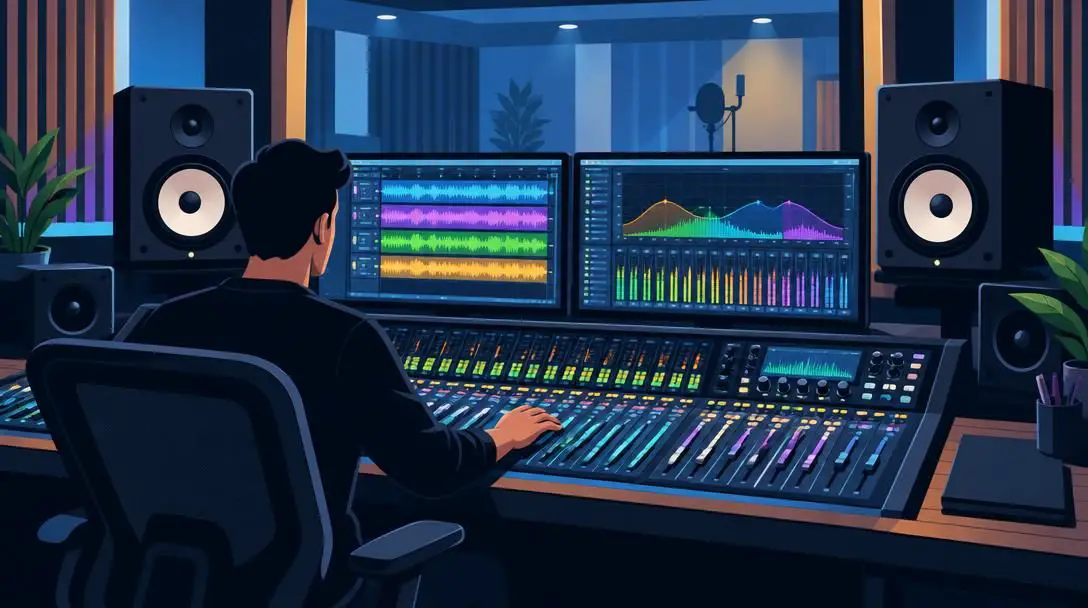
In The Song Machine, journalist John Seabrook investigates the high-stakes, scientifically tuned engine driving modern commercial pop. By focusing on visionary producer-songwriters like Max Martin and Dr. Luke, Seabrook reveals how contemporary chart-toppers are rarely the work of solitary singer-songwriters, but rather the result of collaborative assembly lines designed to engineer unforgettable melodic hooks.
The book breaks down how the rise of digital audio workstations transformed songwriting into a modular craft, where tracks, beats, and melodies are pieced together with mathematical precision. Seabrook blends investigative reporting with cultural commentary, offering readers a clear look at how contemporary pop tracks are crafted, manufactured, and marketed to capture global attention.
Understanding the economic realities and technical breakthroughs behind a record transforms listening into a richer, three-dimensional experience.
"Can't Stop Won't Stop: A History of the Hip-Hop Generation" by Jeff Chang
- Author: Jeff Chang
- Cultural Scope: The birth and global ascent of hip-hop
- Geographic Roots: The Bronx, New York
- Interdisciplinary Coverage: Music, street art, fashion, community activism
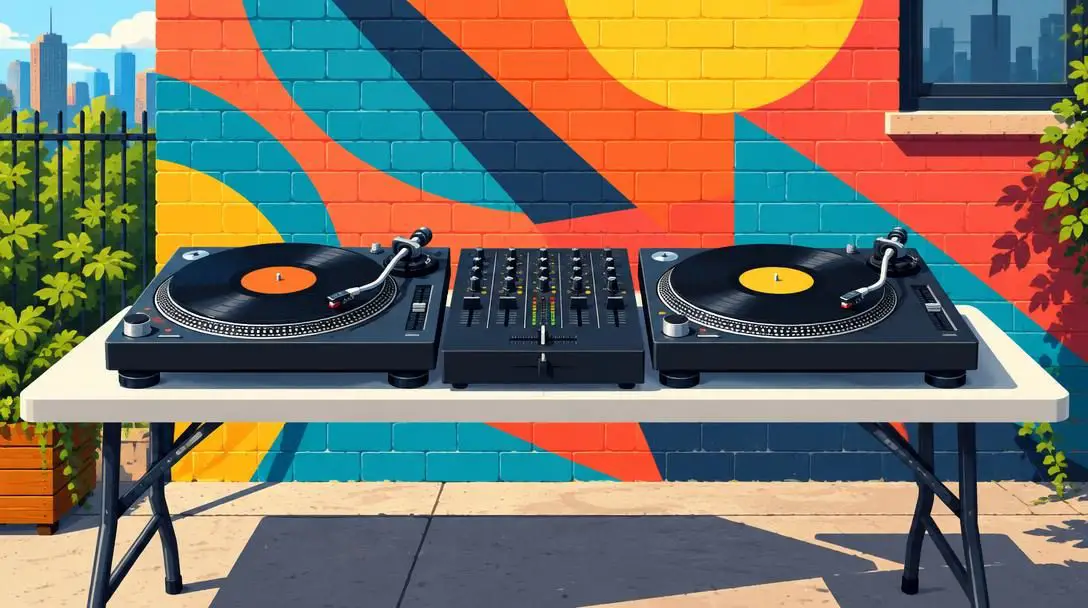
Jeff Chang delivers an authoritative, expansive cultural history in Can't Stop Won't Stop. Beginning with the systemic disinvestment and social unrest in the South Bronx during the 1970s, Chang shows how neighborhood block parties, DJ innovations, b-boying, and graffiti coalesced into an unprecedented cultural explosion.
Drawing on an extensive array of interviews and historical documents, Chang deliberately amplifies voices that standard histories frequently neglect. He treats hip-hop not merely as a commercial music genre, but as a generational response to social and economic adversity, tracing its evolution from local community gatherings to an unstoppable international movement shaping world politics, youth identity, and contemporary fashion.
"Miles: The Autobiography" by Miles Davis

- Author: Miles Davis (with Quincy Troupe)
- Musical Genre: Modern jazz, bebop, cool jazz, fusion
- Narrative Tone: Uncompromising, candid, conversational
- Major Themes: Creative reinvention, racism, artistic collaboration
Few musicians reshaped modern music as many times as Miles Davis, and his autobiography captures that legendary trajectory in his distinctive, unfiltered voice. Davis pulls no punches as he recounts his musical education, his historic band lineups, his battles with substance abuse, and his experiences navigating systemic racism within the American entertainment industry.

What makes the book compelling is Davis's unyielding commitment to relentless sonic reinvention. From his early work in bebop alongside Charlie Parker through cool jazz, hard bop, modal jazz, and electrified fusion, Davis explains the restless creative decisions that kept him decades ahead of his peers. His recollections offer a direct, raw window into the mindset of a true musical titan.
How music books work: Memoirs, cultural histories, and exposés
Understanding the literary framework behind a music book helps readers select the exact reading experience they want. Most music writing falls into one of three distinct categories, each offering a different lens on the creative world:
- Personal memoirs: Books like Just Kids, Chronicles, Volume One, and Miles: The Autobiography are driven by intimate, subjective memory. These works prioritize emotional truth, inner psychology, and immediate creative impressions over detached, encyclopedic documentation.
- Comprehensive cultural histories: Books like Jeff Chang's Can't Stop Won't Stop treat music as one component of a broader societal tapestry. These authors use archival documents, oral histories, and sociological analysis to show how political realities, neighborhood architecture, and economic shifts give rise to new soundscapes.
- Journalistic industry exposés: Books like John Seabrook's The Song Machine peel back the curtain on the business and engineering apparatus of sound. These works examine the commercial dynamics, legal frameworks, and digital technologies that turn raw talent into global commodities.
Practical steps for reading and engaging with music books
To extract the deepest insights from literature about music, readers can integrate active listening techniques into their reading routine. The following process turns reading into an immersive, multimedia exploration:
- Assemble a companion playlist: Before opening a chapter, look ahead at the albums, tracks, or studio sessions discussed. Queue them up so you can pause reading and immediately hear the chord changes, vocal nuances, or production tricks described on the page.
- Map the creative scenes: Take note of specific studios, clubs, and neighborhoods mentioned by the author. Visualizing the geographic concentration of talent—such as downtown Manhattan or the South Bronx—clarifies how close-knit artist communities inspire mutual innovation.
- Inspect liner notes and technical credits: When an exposé like The Song Machine highlights the role of mix engineers, vocal producers, or beatmakers, look up the detailed production credits on the tracks in your own library to see who actually built the sounds you love.
- Track recurring creative collaborators: Keep a running mental log of session players, producers, and rival musicians who appear across different memoirs. Seeing how figures like Bob Dylan or Miles Davis crossed paths with other giants provides a cohesive understanding of twentieth-century music history.
- Investigate the broader cultural context: Connect the music to the historical era. When authors describe economic recessions, political protests, or new visual art trends, research how those outside forces pushed artists to discard old conventions.
Common mistakes readers make with music literature
Approaching music literature requires a slightly different mindset than reading traditional fiction or standard historical biographies. Avoiding these frequent missteps will ensure a far more rewarding experience:
- Treating memoirs as objective historical records: Artists write memoirs from memory, reflecting personal grudges, selective recall, and artistic self-mythology. A memoir should be enjoyed for its personal truth rather than cited as an impartial historical encyclopedia.
- Reading entirely in silence: Reading about intricate soundscapes, chord structures, and vocal arrangements without listening to the recordings misses half the message. Always keep headphones nearby.
- Confining your reading to a single favorite genre: Rock fans who only read rock biographies or jazz enthusiasts who ignore pop production miss the remarkable cross-pollination between styles. Great musical innovations almost always occur when genres collide.
- Ignoring the non-performing contributors: Concentrating solely on the singer or lead guitarist overlooks the pivotal influence of producers, recording engineers, arrangers, and songwriters who fundamentally shape the recorded work.
- Divorcing music from its social environment: Viewing artistic breakthroughs as isolated flashes of individual genius ignores the community struggles, technological changes, and social conditions that sparked them in the first place.
Frequently asked questions
Which book should I start with if I want to read about the creative process?
Bob Dylan's Chronicles, Volume One and Patti Smith's Just Kids offer exceptional, intimate explorations of the creative process. Smith captures the daily devotion required to build an artistic life, while Dylan provides direct insight into how an artist observes the world, selects influences, and crafts songs under intense pressure.
Do I need technical musical training to understand books like "The Song Machine"?
No. John Seabrook writes for general audiences, explaining technical recording terms, song structures, and digital workstation workflows in clear, narrative language that demystifies modern hit-making without alienating non-musicians.
Why is "Can't Stop Won't Stop" considered an essential music history?
Jeff Chang's book goes far beyond musical critique by grounding the emergence of hip-hop in urban renewal policies, systemic disinvestment in the Bronx, gang truces, and youth community organization. It treats hip-hop as a comprehensive cultural movement that revolutionized art, politics, and global youth identity.
How candid is Miles Davis in his autobiography?
Miles Davis is exceptionally candid throughout Miles: The Autobiography. Written with Quincy Troupe, the book does not shy away from harsh language, personal shortcomings, bitter rivalries, substance abuse, and outspoken reflections on institutional racism in the jazz industry.
Can reading about music change the way you hear familiar songs?
Yes. Discovering the studio arguments, equipment limitations, accidental mistakes, and emotional hardships behind a recording highlights subtle details, backing tracks, and performance choices you might have overlooked during casual listening.
The bottom line
Music is among the most immediate sensory experiences in human culture, but its greatest records rarely happen by accident. Behind every melody lies an intricate web of personal devotion, cultural struggle, technological experimentation, and collaborative friction. Books like Just Kids, Chronicles, Volume One, The Song Machine, Can't Stop Won't Stop, and Miles: The Autobiography bridge the gap between passive listening and active understanding.
By engaging with both personal memoirs and analytical histories, music fans gain a durable framework for appreciating not just the finished track, but the profound human journey that brought it into being. The next time you press play on your favorite record, bringing these stories with you will make the music resonate with unprecedented clarity and power.