5 Best Repackagings of WWE Wrestlers
Professional wrestling is a performance art built on the convergence of athletic capability, physical storytelling, and character presentation. An athlete can display flawless conditioning, exceptional timing between the ropes, and natural vocal delivery, but without an identity that captures the imagination of fans, their upward mobility remains sharply restricted. When an in-ring concept fails to connect or runs past its expiration date, promoters and performers rely on an essential creative tool known as character repackaging.
Repackaging involves overhauling a competitor's look, gear, entrance theme, moral alignment, and thematic attitude to match audience expectations and highlight their natural strengths. A complete creative pivot can rescue a career languishing under cartoonish or outdated booking, transforming overlooked undercard talents into generational headliners. Across organizations such as World Championship Wrestling (WCW), Extreme Championship Wrestling (ECW), and World Wrestling Entertainment (WWE), reinvention has repeatedly turned struggling athletes into permanent icons.
Key takeaways
- Character repackaging allows wrestlers to dismantle ineffective gimmicks and construct believable, crowd-connecting identities.
- Major headliners like Dwayne Johnson, Paul Levesque, and Steve Austin only unlocked their historic potential after abandoning their original television personas.
- A visual overhaul must be supported by authentic attitude adjustments, revised in-ring pacing, and complete commitment from the performer.
- Aligning an evolving talent with a prominent faction provides an ideal testing ground for fresh character traits and vocal styles.
The mechanics of wrestling character reinvention
A successful transition is rarely an accident; it is a coordinated creative intervention between the competitor and behind-the-scenes decision-makers. The process begins with a frank creative assessment to determine why a previous identity stalled out. Performers and creative writers examine audience reactions, merchandising figures, and narrative dead ends. If a wrestler consistently generates silence or negative pushback despite solid work inside the ring, management recognizes that the persona has reached a ceiling.
Once the need for change is established, the talent undergoes an aesthetic redesign. Altering physical appearance is the fastest way to signal a permanent departure from the past. Costumes, hairstyles, facial hair, boots, and signature colors are altered or replaced entirely. Entrance music and graphic packages shift in tandem, setting the emotional tone for the audience before the wrestler even steps through the curtain.
Repackaging involves overhauling a performer's outward persona, in-ring presentation, gear, music, and thematic attitude to better match audience expectations and showcase their real talents.
The transformation culminates in an attitude overhaul and in-ring adaptation. Wrestlers who struggled as smiling, pure-hearted heroes often unlock their charisma when given an arrogant, aggressive, or cynical edge. In parallel, their maneuvers in the ring adjust to mirror their revised identity; imposing monsters slow their pace to convey brute strength, while cunning brawlers drop fancy acrobatics in favor of direct, impactful strikes.
Top career transformations at a glance
| Wrestler | Original Persona | Repackaged Persona | Primary Catalyst for Change |
|---|---|---|---|
| Paul Levesque | Terra Ryzing / Hunter Hearst Helmsley | Triple H ("The Game") | Forming D-Generation X and dropping aristocratic snobbery |
| Glenn Jacobs | Isaac Yankem, DDS / "Fake" Diesel | Kane | Introduction as The Undertaker's masked, vengeful brother |
| Sting | Surfer Sting | The Crow vigilante | Scott Hall pitching a dark aesthetic shift inspired by cinema |
| Dwayne Johnson | Rocky Maivia | The Rock | Fan rejection of forced babyface cheerfulness |
| Steve Austin | The Ringmaster | "Stone Cold" Steve Austin | Stripping away generic management mouthpieces for authentic grit |
The 5 most impactful wrestler repackagings
The following five performers represent the most decisive, lucrative, and historically significant character overhauls in modern professional wrestling history.
Triple H
- Early Personas: Terra Ryzing, Greenwich Snob Hunter Hearst Helmsley
- Breakthrough Identity: Triple H ("The Game", "The Cerebral Assassin")
- Key Turning Point: Formation of D-Generation X with Shawn Michaels
Before Paul Levesque became an established company executive and multi-time world champion, he entered the business carrying the pun-laden moniker Terra Ryzing. The concept offered almost no room for long-term narrative growth. When he moved to WCW, he pivoted to playing an aristocratic Connecticut blueblood, an identity he brought with him to WWE under the high-society ring name Hunter Hearst Helmsley, often billed as the Greenwich Snob.
While the aristocratic gimmick gave Levesque steady television time, it carried an obvious ceiling that kept him isolated from the primary event picture. The decisive turning point arrived when he joined forces with Shawn Michaels to establish the rebellious, rule-breaking stable D-Generation X. In that environment, the cumbersome name Hunter Hearst Helmsley was abbreviated to Triple H. Levesque shed the last trappings of his snobbish heritage, adopted leather jackets, and began playing a dangerous, cold-blooded powerhouse. Dubbed "The Game" and "The Cerebral Assassin," this revitalized persona made him a fixture of the main-event picture for multiple decades.
Kane
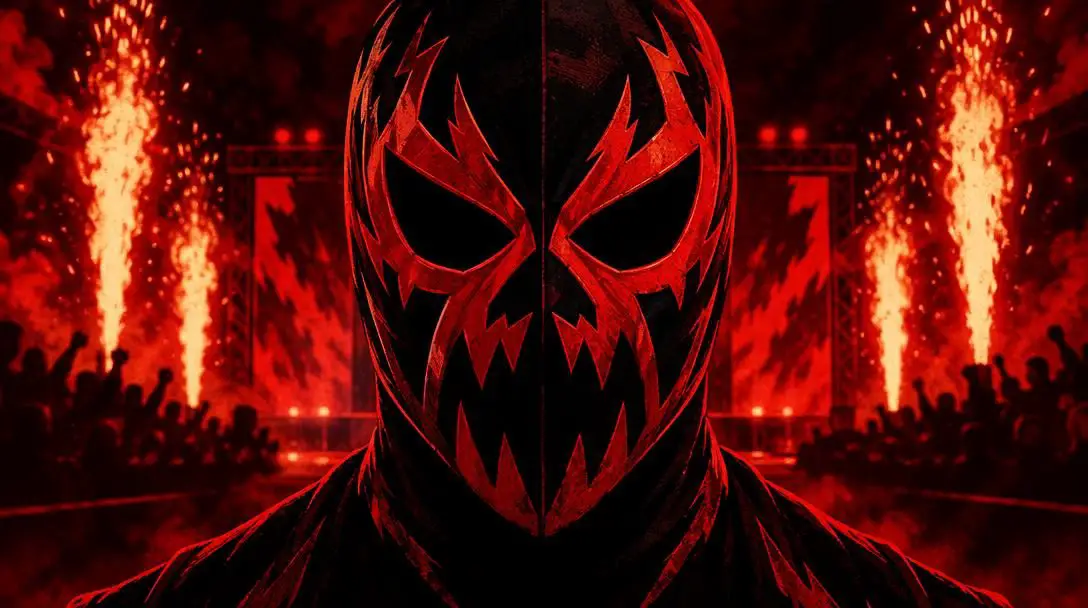
- Early Personas: Angus King, the Christmas Creature, Doomsday, Isaac Yankem, DDS, "Fake" Diesel
- Breakthrough Identity: Kane ("The Devil's Favorite Demon")
- Key Rivalries: The Undertaker, Stone Cold Steve Austin, Mankind, The Rock
Glenn Jacobs endured one of the most infamously bizarre sequences of failed personas in wrestling history before discovering the character that forged his hall-of-fame legacy. In regional promotions and early television runs, Jacobs was cast in throwaway roles like Angus King, the Christmas Creature, and Doomsday. WWE recognized his massive physical dimensions but struggled to apply them creatively, saddling him with the gimmick of an unhinged dentist named Isaac Yankem, DDS, followed by a deeply unpopular run portraying an impostor version of Diesel.
Jacobs possessed exceptional agility and physical presence for a heavyweight, but cartoonish personas prevented audiences from treating him as a legitimate main-event force. His career achieved lift-off when creative teams introduced him as Kane, the masked, fire-wielding, long-lost brother of The Undertaker. Positioned as "The Devil's Favorite Demon," Kane immediately connected with fans as a terrifying, unstoppable monster. The overhaul turned Jacobs into an indispensable pillar of the Attitude Era, anchoring premier storylines opposite top stars including Stone Cold Steve Austin, Mankind, and The Rock.
Sting
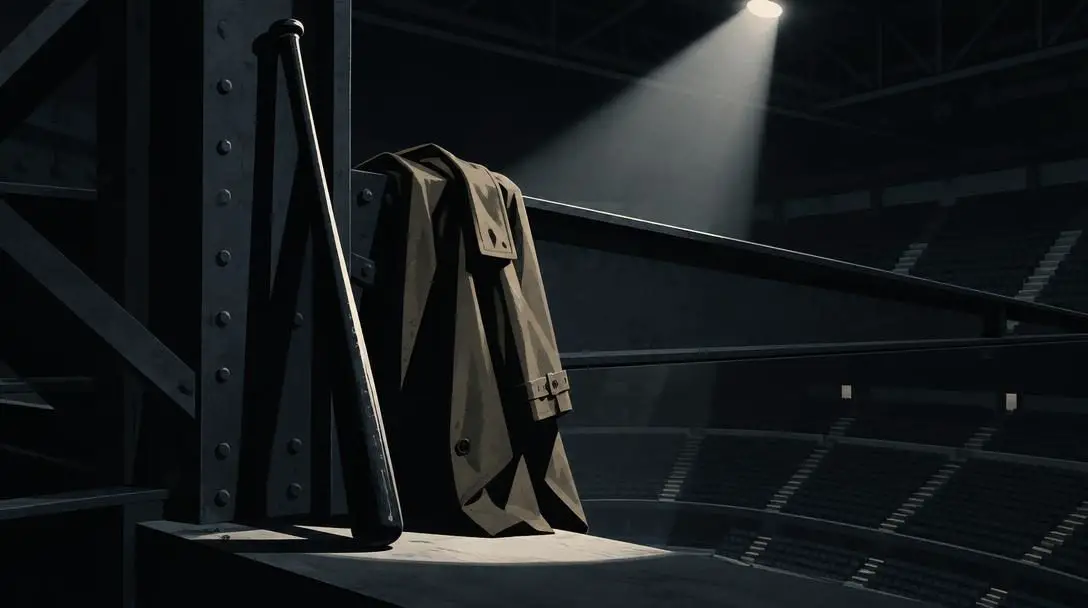
- Early Persona: Neon-clad "Surfer" Sting
- Breakthrough Identity: Silent, brooding "Crow" vigilante
- Inspiration: The movie "The Crow", suggested by Scott Hall
Throughout the late 1980s and early 1990s, Sting served as the colorful, energetic heartbeat of WCW. Sporting bleached-blonde flat-top hair, vibrant neon tights, and matching fluorescent face paint, his presentation mirrored the high-energy aesthetic of television programs like American Gladiators. The "Surfer" persona built him into an iconic fan favorite, but as the wrestling industry transitioned toward gritty, anti-hero storytelling in the late 1990s, his colorful presentation began to feel like a relic of a bygone era.
Seeing that the character was losing its edge against darker storylines, fellow competitor Scott Hall suggested an aggressive reimagining inspired by the motion picture The Crow. Sting embraced the concept completely, abandoning his high-volume interviews, neon wardrobe, and bleached hair. He adopted a long black duster coat, applied striking black-and-white face paint, and took up silent residence in the arena rafters as a solitary vigilante. By reinventing his visual signature, Sting transitioned into WCW's definitive franchise defender during the highest-rated era in company history.
The Rock
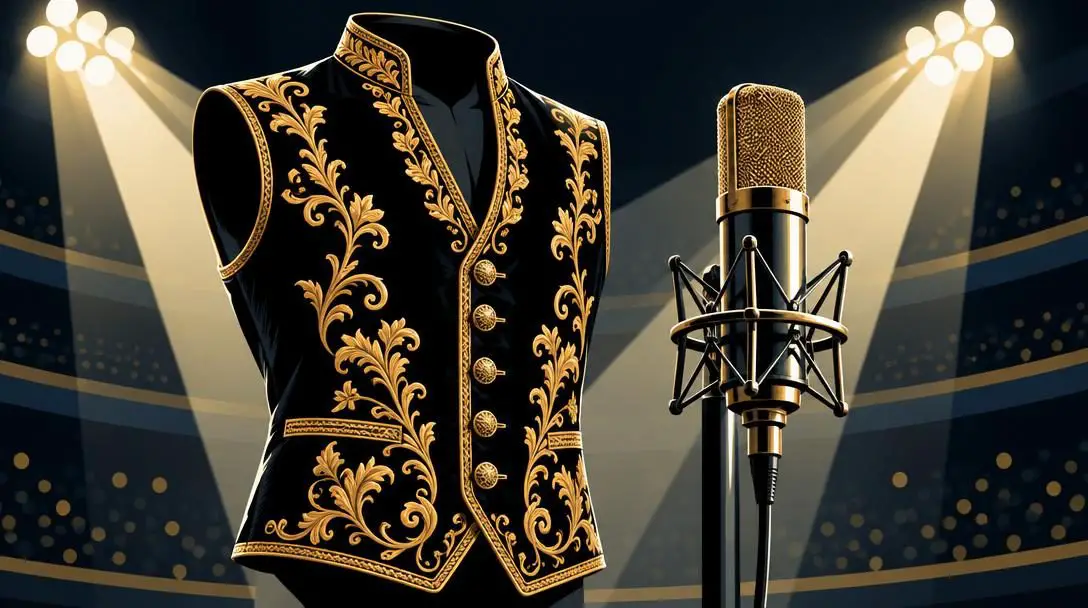
- Early Persona: Rocky Maivia
- Breakthrough Identity: The Rock ("The People's Champion")
- Formative Faction: The Nation of Domination
Dwayne Johnson is currently celebrated worldwide as a charismatic Hollywood titan and pop-culture powerhouse, but his initial wrestling run was met with overwhelming hostility. Debuting in WWE under the ring name Rocky Maivia, Johnson was presented as a squeaky-clean, perpetually smiling third-generation competitor. Clad in bright blue and green ring gear with streamers, his relentless cheerfulness felt artificial to fans who were quickly embracing edgier programming. Audiences openly rebelled against the push, chanting venomous slogans at him during live broadcasts.
Recognizing the creative failure, WWE executed a total course correction. Johnson dropped the Rocky Maivia moniker, shortened his name to The Rock, and joined the militant faction known as the Nation of Domination. Unleashed on the microphone, he abandoned the smiling hero routine to become an arrogant, razor-sharp trash-talker who spoke about himself in the third person. Fans instantly gravitated toward his magnetic delivery and natural bravado. The Rock subsequently evolved into the self-proclaimed "People's Champion," aligned with the villainous Corporation stable, and became one of the greatest box-office attractions in entertainment history.
Stone Cold Steve Austin
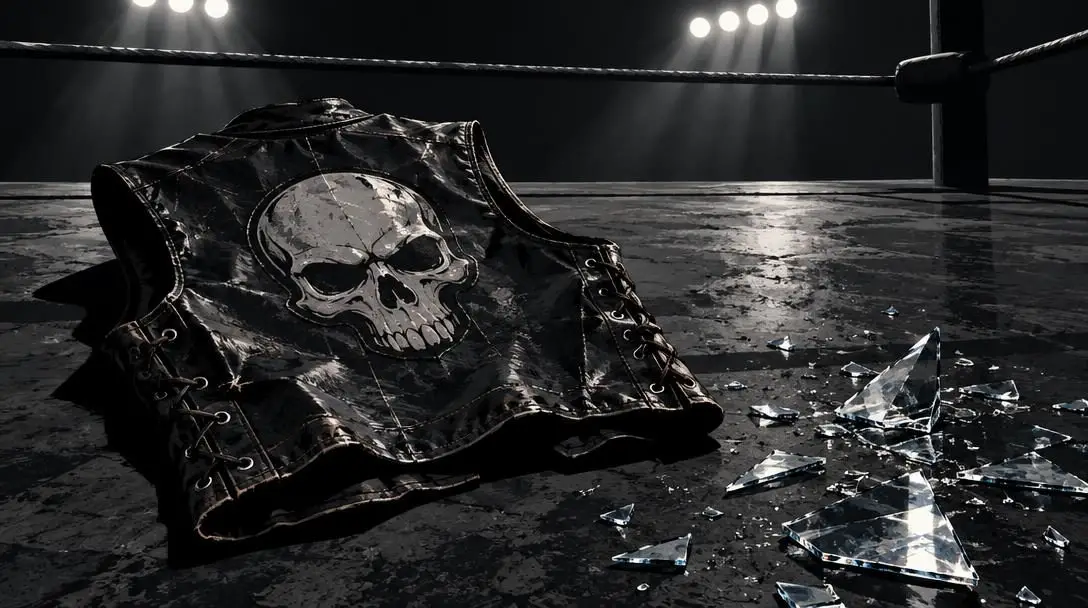
- Early Personas: The Hollywood Blonds (WCW), The Ringmaster (WWE)
- Breakthrough Identity: "Stone Cold" Steve Austin
- Defining Look: Shaved head, black trunks, leather vest with skull motif
Modern wrestling fans immediately associate Steve Austin with a shaved head, a black leather skull vest, and an explosive anti-authority demeanor. However, his early career followed a markedly different path. In WCW, Austin performed with shoulder-length blonde hair, competing as an athletic technician in The Dangerous Alliance and finding major tag-team success alongside Brian Pillman as The Hollywood Blonds. Following a transitional stint in ECW, Austin signed with WWE in 1995, where he was introduced under the sterile persona of The Ringmaster, managed by an outside mouthpiece and stripped of creative freedom.
Knowing that the generic presentation would choke his career, Austin took charge of his own trajectory. He discarded The Ringmaster moniker, shaved his head clean, and embraced a stripped-down, rugged appearance consisting of plain black boots, black trunks, and a sleeveless vest. Adopting the name "Stone Cold" Steve Austin, he unleashed an unapologetic, beer-drinking, working-class attitude that struck a deep chord with viewers. Austin became the catalytic focal point and greatest financial draw of the Attitude Era, proving that personal authenticity and raw edge could upend the entire wrestling industry.
Notable honorable mentions across wrestling history
The success of the top five performers is part of a broader lineage of wrestlers who salvaged or elevated their careers through sharp character pivots. Across various wrestling eras, several other prominent names transformed their trajectories through bold redesigns:
- Scott Steiner: Long known as an accomplished collegiate-style tag team specialist alongside his brother Rick, Steiner drastically shifted his look to emerge as "Big Poppa Pump," a bleached-blonde, hyper-intense singles powerhouse.
- Rikishi: Glenn Jacobs was not the only performer to escape early creative missteps; the wrestler formerly known as The Sultan discarded his Middle Eastern mask to re-emerge as Rikishi, a beloved, dancing heavyweight competitor.
- Hollywood Hogan: Hulk Hogan executed one of the most shocking pivots in pop-culture history when he discarded his iconic red-and-yellow heroic image to lead the villainous New World Order (nWo) in WCW.
- John Bradshaw Layfield (JBL): After spending years as a rough-and-tumble tag team brawler named Bradshaw, he transitioned overnight into a suit-wearing, wealthy Wall Street magnate who held the WWE Championship for an extended reign.
- Bray Wyatt: After an indistinct initial run on television as Husky Harris, the late Windham Rotunda crafted the haunting, swamp-dwelling cult leader Bray Wyatt, establishing one of the most imaginative psychological characters of modern times.
Strategic steps for executing a persona overhaul
Whether in professional wrestling or any live theatrical medium, abandoning an established identity demands disciplined planning and decisive execution. Successful performers follow a deliberate sequence to reintroduce themselves to audiences:
- Isolate natural personal strengths: Identify what the performer does better than anyone else. Glenn Jacobs possessed imposing physical size, Dwayne Johnson possessed electric verbal swagger, and Steve Austin had unfiltered working-class grit. The new identity must amplify authentic attributes rather than masking them.
- Sever ties with the prior persona: Unless long-term storytelling demands continuity, performers benefit from drawing a firm line between identities. Discarding old ring names, entrance songs, catchphrases, and signature gear encourages fans to evaluate the act with fresh eyes.
- Engineer a memorable introduction: A new identity needs an impactful debut angle. Kane demolished a steel cage door to confront The Undertaker, while The Rock used his entrance into the Nation of Domination to articulate his resentment toward ungrateful crowds.
- Commit without hesitation: Ambivalence will derail an in-ring transformation. When Sting committed to the Crow persona, he ceased talking entirely and maintained an unyielding, silent presence. Full commitment from the performer forces the audience to buy into the reality of the change.
Common mistakes that derail character reinventions
Not every creative shift produces a top-tier attraction. Many wrestlers undergo multiple overhauls without gaining traction because promotions fall victim to predictable creative errors:
- Making purely superficial adjustments: Changing an entrance theme or altering the color of an athlete's tights without shifting their underlying psychology will not trick an observant crowd. A true transformation requires an emotional reset.
- Ignoring the competitor's input: Forcing an athlete into a role they do not understand or believe in results in wooden, awkward performances. Scott Hall's suggestion for Sting worked because Sting actively connected with the source material.
- Abandoning ideas prematurely: Radical departures often require weeks or months of consistent television exposure before crowds fully understand the new dynamic. Dropping an overhaul after two weeks of lukewarm reaction ruins long-term character development.
- Contradicting natural charisma: Muting an exceptional speaker or forcing a naturally serious heavyweight into lightweight comedy roles works against an athlete's commercial ceiling.
Key factors for evaluating future roster shifts
The requirement for reinvention remains constant as the wrestling landscape evolves. Modern fans possess access to backstage information and react swiftly against storylines that feel contrived. When tracking which talents are prime candidates for an overhaul, creative teams and analysts evaluate several specific dynamics:
Crowd engagement patterns serve as the earliest warning sign. When live spectators fall silent during a wrestler's entrance or actively mock their signature spots, the current gimmick has expired. In these situations, placing an underperforming talent inside an established faction provides creative cover. Joining a stable—just as Triple H did with D-Generation X or The Rock did with the Nation of Domination—allows a competitor to experiment with mannerisms and speaking styles without carrying the entire burden of the segment.
Finally, longevity must take precedence over temporary shock value. A wild visual change may draw high social media engagement for a week, but sustained main-event rivalries require psychological depth. A gimmick must offer enough narrative room to support victories, defeats, title pursuits, and long-term feuds across multiple calendar years.
Frequently asked questions
What is character repackaging in professional wrestling?
Character repackaging is the process of completely overhauling a wrestler's ring name, appearance, costume, entrance presentation, and in-ring psychology. It is used to rescue stalled careers and align an athlete's talents with characters that better resonate with audiences.
Why did Rocky Maivia fail before becoming The Rock?
Rocky Maivia was introduced as an excessively cheerful, clean-cut babyface dressed in brightly colored outfits. In the late 1990s, wrestling fans were gravitating toward edgier, more rebellious anti-heroes, causing live crowds to reject Maivia's forced enthusiasm until he turned into an arrogant talker.
Who came up with the idea for Sting's "Crow" transformation?
Wrestler Scott Hall pitched the idea to Sting in WCW. Hall suggested that Sting discard his colorful neon surfer persona in favor of a silent, brooding vigilante inspired by the aesthetic of the film The Crow.
What gimmicks did Glenn Jacobs have before Kane?
Before his debut as Kane in 1997, Glenn Jacobs wrestled under various identities, including Angus King, the Christmas Creature, Doomsday, an evil dentist named Isaac Yankem, DDS, and an impostor version of Diesel.
How can a wrestling promotion tell if a repackaging has failed?
A repackaging fails when audience reactions remain silent, merchandise does not sell, or the new presentation contradicts the performer's natural athletic and speaking abilities. Superficial changes that lack narrative depth are the most common cause of failed reinventions.
The bottom line
Character repackaging is the lifeblood of creative momentum in professional wrestling. Athletic conditioning and in-ring execution are foundational requirements, but iconic status is dictated by how profoundly a persona resonates with an audience. From Steve Austin discarding The Ringmaster to Dwayne Johnson shedding the smiling facade of Rocky Maivia, the greatest careers in sports entertainment history were built on the courage to abandon failed concepts, strip away artifice, and fully embrace an authentic creative reinvention.