
5 Biggest “Final” Tours in Music History
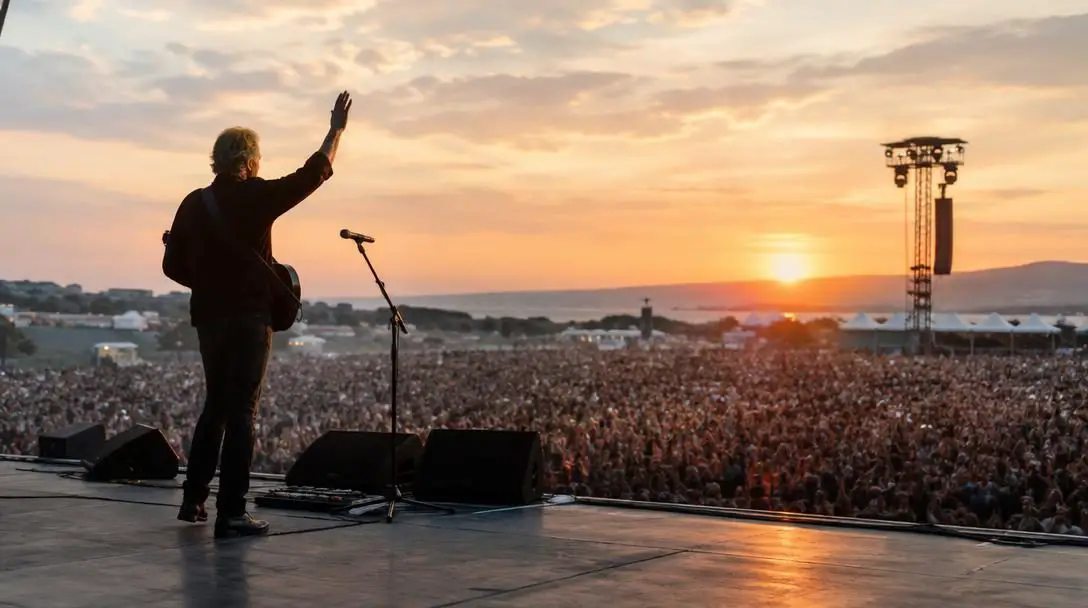
The farewell tour has long occupied an ambiguous space in the live music industry. Whenever bandmates clash, fatigue sets in, or creative priorities diverge, an announcement declaring a final run of performances inevitably follows. Decades of repeated "goodbye" announcements that were quietly reversed a year or two later have fostered a healthy skepticism among concertgoers. For many legacy acts, the farewell branding functions primarily as a commercial catalyst designed to create urgency, pack sporting arenas, and spike gross box-office revenues.
Yet across rock and metal history, select performers have entered their final tours with genuine intent. These monumental farewell treks represent the definitive conclusion of decades spent navigating the demands of the road. For the musicians involved, these extended outings provide an opportunity to honor sprawling back catalogs alongside multiple generations of followers, deliver emotional closure, and step away from global stages strictly on their own terms.
Key takeaways
- Farewell tours often serve as powerful marketing drivers, but certain legendary artists genuinely honored their retirement pledges.
- Major farewell productions demand years of strategic routing, intricate stage engineering, and intensive health management for aging performers.
- Navigating ticket sales for high-demand farewell shows requires early presale preparation, platform verification, and disciplined budgeting.
- Concertgoers should avoid impulsive purchases on secondary ticket markets immediately following sellouts, as ticket prices regularly fluctuate.
At a glance: Five landmark farewell tours
While each farewell tour reflects the unique personality and scale of the headlining act, comparing their trajectories highlights how differently artists approach the logistics of retirement.
| Artist | Tour title | Opening venue | Final destination | Defining milestone |
|---|---|---|---|---|
| Genesis | The Last Domino? Tour | Birmingham, England | The O2 Arena, London | Played all but eight scheduled shows despite pandemic delays |
| Slayer | The Final World Tour | San Diego, California | The Forum, Inglewood | Completed all 147 scheduled dates across global continents |
| Bob Seger | Travelin' Man Tour | State of Michigan | Baton Rouge, Louisiana | Kept routing strictly within domestic US venues |
| Kiss | End of the Road World Tour | Rogers Arena, Vancouver | Tonsberg, Norway | Mounted an expansive, multi-year arena and stadium spectacle |
| Elton John | Farewell Yellow Brick Road Tour | Allentown, Pennsylvania | Stockholm, Sweden | Became the highest-grossing concert tour in music history |
Five monumental farewell treks in modern rock history
Each of the following five tours represents an instance where iconic bands and solo artists committed to concluding their live performance legacies, mounting expansive productions that crossed continents before the final curtain fell.
Genesis

- Tour name: The Last Domino? Tour
- Core lineup: Phil Collins, Mike Rutherford, Tony Banks
- Tour span: September 20, 2021 – March 26, 2022
- Final venue: The O2 Arena, London, England
Genesis originally built their legacy as progressive rock pioneers before transforming into an international pop-rock juggernaut fronted by singer and drummer Phil Collins, bassist and guitarist Mike Rutherford, and keyboardist Tony Banks. While the trio had navigated numerous lineup configurations over the decades, they had not performed together on stage since 2007, leaving audiences with the impression that the band's live chapter had quietly ended. That silence broke when Phil Collins emerged from retirement to assemble the core trio for one comprehensive final run.
Tickets initially launched just before the COVID-19 pandemic swept across the globe, throwing the live entertainment industry into unprecedented paralysis. Global venue shutdowns forced the entire schedule backward, yet the group demonstrated remarkable resilience once touring resumed. Kicking off on September 20, 2021, in Birmingham, England, The Last Domino? Tour traveled through major markets across Europe and North America. Despite Collins performing seated as a result of severe physical limitations, the emotional gravity of the performances resonated deeply. Genesis successfully completed all but eight of their scheduled concerts, culminating in an emotional finale on March 26, 2022, at London's O2 Arena.
Slayer

- Tour name: The Final World Tour
- Genre standing: Thrash metal "Big Four" member
- Tour kickoff: May 10, 2018 (San Diego, California)
- Final concert: November 29, 2019 (The Forum, Inglewood, California)
Few heavy metal acts command the reverence accorded to Slayer. Regarded as an essential cornerstone of thrash metal's "Big Four," the band established an uncompromising standard of tempo, technical precision, and sonic aggression that influenced extreme music for decades. By 2018, the group had maintained a relentless touring schedule for more than 30 years. Rather than easing out of active touring with a symbolic handful of festival appearances, the band embarked on an ambitious, relentless global endeavor titled The Final World Tour.

Launching on May 10, 2018, at the Valley View Casino Center in San Diego, California, the outing took Slayer across nearly every continent over an intense 18-month timeframe. The band brought their punishing volume and elaborate stagecraft through extensive festival circuits and cavernous indoor arenas. After a demanding leg across South America in early Autumn 2019, Slayer closed their touring history on November 29, 2019, at The Forum in Inglewood, California. They achieved the rare feat of executing all 147 scheduled dates without cancellations, bowing out before the global pandemic brought international touring to a standstill.
Bob Seger

- Tour name: Travelin' Man Tour
- Geographic focus: United States domestic routing
- Tour kickoff: 2018 (Michigan)
- Final concert: October 2019 (Raising Cane's River Center Arena)
Bob Seger spent more than half a century serving as the unmistakable voice of American heartland rock. His catalog captured blue-collar aspirations through driving rhythms, soulful vocal rasps, and evocative storytelling. However, decades of energetic, physical stage shows eventually extracted an inevitable toll on his spine. Severe back complications left Seger grappling with chronic pain, prompting him to organize a focused final performance cycle designed to preserve his energy across a targeted operational window.
The resulting Travelin' Man Tour began in 2018 in Seger's home state of Michigan. Recognizing where his musical foundations were strongest, Seger opted to keep the entire farewell itinerary within the borders of the United States. While the enterprise was originally mapped out to wrap up within six months in March 2019, overwhelming ticket demand led to supplementary dates being integrated into the schedule. The definitive end of Seger's stage career arrived in October 2019 at the Raising Cane's River Center Arena in Baton Rouge, Louisiana, closing an enduring touring legacy strictly on his own terms.
Kiss

- Tour name: End of the Road World Tour
- Opening performance: Rogers Arena (Vancouver, Canada)
- Tour restart: August 2021 (United States)
- Scheduled final city: Tonsberg, Norway
Few bands have leveraged the concept of the farewell tour quite as frequently as Kiss. Across several decades, the masked rock icons mounted multiple anniversary milestones and retirement spectacles, causing casual observers and die-hard fans alike to question whether any announced exit would truly stick. By early 2019, however, the band insisted their stage era was officially drawing to a close, framing their retirement around a massive global production known as the End of the Road World Tour.
The ambitious run launched before a sold-out audience at Rogers Arena in Vancouver, quickly spreading across North America, Europe, and Japan. The production matched the grandiose reputation the group had cultivated since the 1970s, showcasing towering hydraulic lifts, extensive pyrotechnics, and complete theatrical costuming. When the COVID-19 pandemic halted the global entertainment circuit, the tour paused before resuming across the United States in August 2021. The tour stretched well into 2023, during which bassist Gene Simmons reached his 70th birthday milestone, establishing Tonsberg, Norway as the ultimate stage destination for their multi-year spectacle.
A genuine farewell tour represents an artist's deliberate choice to leave the stage before physical fatigue or creative decline makes the decision for them.
Elton John

- Tour name: Farewell Yellow Brick Road Tour
- Tour kickoff: September 8, 2018 (Allentown, Pennsylvania)
- Scope: Over 300 completed performances
- Final stop: Stockholm, Sweden (two-night engagement)
Like several of his classic rock peers, Elton John had floated thoughts of performance retirement on various occasions throughout his storied multi-decade career. Yet following the conclusion of his Wonderful Crazy Night Tour in 2018, the legendary pianist and songwriter committed decisively to one concluding, career-spanning global statement: the Farewell Yellow Brick Road Tour. The undertaking aimed to celebrate six decades of unmatched songwriting, flamboyant showmanship, and cultural influence.
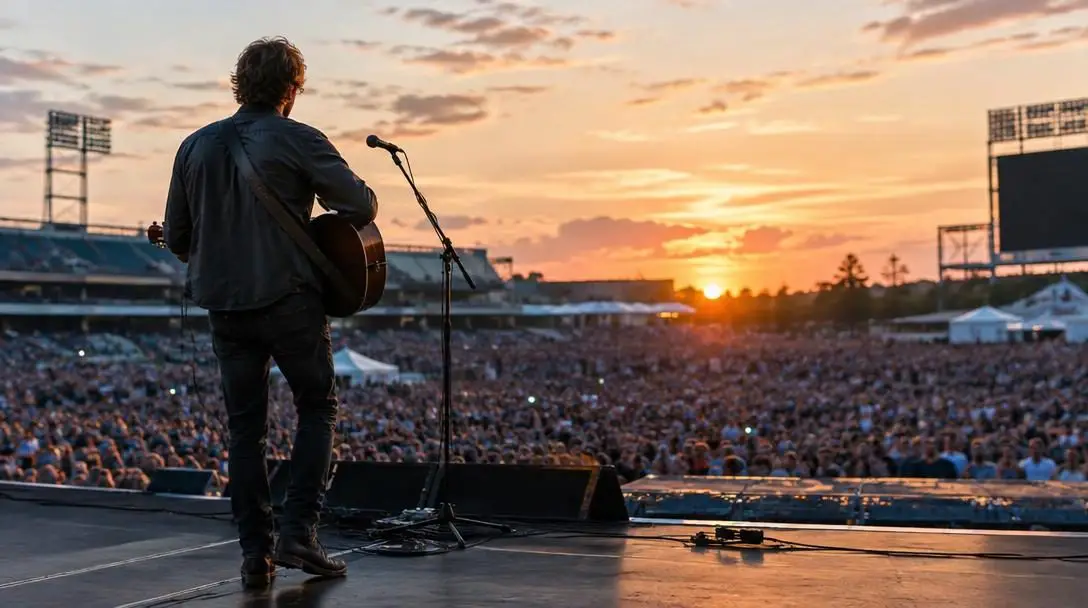
The tour began on September 8, 2018, in Allentown, Pennsylvania, introducing a visually rich narrative stage production complete with archival footage, historical memorabilia, and extended musical arrangements. Although interrupted by health considerations and pandemic restrictions, the production proved to be an unstoppable commercial juggernaut. Surpassing 300 total shows, the monumental run established new historical records by becoming the highest-grossing concert tour ever staged, before reaching its final, emotional conclusion during a two-night engagement in Stockholm, Sweden.
The operational machinery behind major farewell tours
Executing an international farewell tour demands far more than booking dates and rehearsing songs. These productions rank among the most sophisticated industrial efforts in entertainment, requiring cross-departmental coordination across several operational sectors:
- Strategic show routing: Tour directors balance venue calendars, freight transport times, and regional ticket demand. Efficient routing ensures production crews can transport massive staging arrays between major metropolitan hubs and secondary regional arenas without risking performer exhaustion.
- Production and stage design: Retirement runs typically discard standard touring backdrops in favor of bespoke scenic elements. Multi-tiered video walls, motorized camera rigs, custom pyrotechnics, and custom video sequences reflecting the artist's history must be built to withstand years of rapid assembly and teardown.
- Physical care and health management: Legacy performers face punishing schedules that challenge vocal stamina and joint health. Behind the scenes, specialized crews travel alongside medical staff, physical therapists, and personal trainers to oversee physical therapy, custom nutritional regimens, and voice preservation.
- Merchandising and memorabilia: The commercial footprint of a final outing is extraordinary. Merchandise divisions coordinate the localized manufacture and logistics of historical tour programs, event-specific lithographs, and apparel collections designed to satisfy surging fan desire for commemorative artifacts.
- Financial guarantees and insurance: Because aging performers face elevated health liabilities and geopolitical variables, promoters negotiate intricate contingency insurance. These policies provide essential fiscal protections covering illness, inclement weather, and broader global disruptions.
A strategic guide to attending farewell concerts
Because tickets for an artist's definitive goodbye tour carry immense cultural currency, obtaining seats at face value requires methodical preparation. Concertgoers should execute the following steps to maximize their chances of securing admission:
- Join official artist fan clubs: Performers frequently allocate the earliest access windows and premium ticket blocks directly to verified fan club members and newsletter subscribers well before the general public sale begins.
- Monitor presale opportunities: Track regional venue newsletters, credit card partner sponsorships, and ticketing network announcements to identify early presale codes before inventory enters broad distribution.
- Configure primary ticketing accounts: Log into primary ticketing portals well ahead of time. Ensure payment details, updated billing addresses, and multi-factor authentication methods are active so transactions can be completed without checkout errors.
- Establish regional travel flexibility: Farewell dates in primary media markets sell out in seconds. Be willing to travel to secondary cities or neighboring states where ticket inventory often remains accessible for longer periods.
- Set a clear financial ceiling: Intense consumer demand often causes volatile prices across secondary platforms. Determine an absolute budget ceiling in advance, calculating ticketing charges, parking, transit, and venue hospitality fees.
Costly missteps fans make when booking final tours
The emotional pressure surrounding a band's final live run frequently drives supporters into rushed, expensive errors. Keeping these common pitfalls in mind can safeguard both your finances and your concert experience:
- Assuming the first leg is your only window: Promoters routinely unveil conservative initial schedules to evaluate regional demand, subsequently tacking on second legs, outdoor stadium legs, or festival appearances later in the promotional cycle.
- Overpaying immediately on resale platforms: When initial allocations sell out instantly, panicked buyers often flood secondary exchanges, paying artificially inflated prices that typically drop as show day nears.
- Neglecting modern venue regulations: Arenas and stadiums frequently update admittance rules, including clear-bag requirements, strict cashless transaction systems, and proprietary digital ticketing app protocols.
- Watching the concert through a phone display: While capturing a small personal memento is natural, spending a historic performance filming clips on a mobile device isolates you from the shared emotional energy of a live finale.
Life after the final curtain: What happens next
When an act finally powers down their touring apparatus, the artist's creative imprint rarely vanishes. The transition away from the road often paves the way for new creative and commercial initiatives:
- Archival box sets and live albums: Production companies frequently record concluding tours using high-resolution audio and multitrack cinema rigs, releasing deluxe box sets, physical concert films, and streaming specials that preserve the tour for posterity.
- Continued studio collaboration: Retiring from the grind of commercial travel does not mandate stepping away from music entirely. Many veteran songwriters redirect their late-career energies toward studio production, film scoring, or guest features.
- Opportunities for rising talent: As classic arena headliners step down, significant headlining real estate opens across major global festivals, allowing mid-tier and emerging acts to step into premier performance spaces.
- Long-term financial planning for fans: Dedicated concertgoers should observe industry signals and touring milestones, setting aside financial reserves for future retirement announcements from their preferred legacy artists.
Frequently asked questions
Why do artists announce farewell tours if they might tour again?
Farewell branding generates significant public urgency, stimulating ticket demand and boosting merchandise sales for legacy performers. While some bands genuinely intend to retire, personal financial incentives, renewed band relationships, or lucrative festival offers sometimes persuade them to reconsider later on.
Which final tour generated the most revenue in music history?
Elton John's Farewell Yellow Brick Road Tour became the highest-grossing concert tour in music history, spanning over 300 performances across multiple continents before finishing in Stockholm, Sweden.
How did the COVID-19 pandemic affect these final tours?
The pandemic caused unprecedented global interruptions, forcing acts like Genesis, Kiss, and Elton John to suspend operations and reschedule extensive performance blocks across multiple years. Conversely, Slayer concluded their 147-show run in late 2019 just before venue shutdowns began.
Why did Bob Seger restrict his final tour to the United States?
Bob Seger struggled with severe back pain that limited his physical stamina, leading him to structure a focused domestic routing within the United States where his heartland rock catalog held its deepest foundational support.
Can musicians still release music after finishing a farewell tour?
Yes. A farewell tour concludes an artist's commitment to regular live road touring. Musicians frequently continue composing, recording studio albums, and participating in occasional non-touring creative collaborations from their home bases.
The bottom line
The farewell tour remains one of live music's most enduring and fascinating spectacles. While commercial interests have sometimes turned retirement announcements into promotional clichés, landmark outings by Genesis, Slayer, Bob Seger, Kiss, and Elton John prove that artists can orchestrate authentic, emotionally satisfying conclusions to their performing careers. Delivering these multi-year triumphs requires extraordinary physical endurance, logistical precision, and unwavering devotion to the audiences who supported them for decades.