5 Classic Albums Everyone Should Own

Personal music libraries are often shaped by shifting trends and individual discovery, but a select tier of records transcends personal taste to become universal cultural touchstones. While individual playlists can grow endlessly long with private favorites, certain releases captured the attention of critics and the public with such overwhelming force that they permanently reshaped the sonic landscape. For anyone looking to understand modern songwriting, recording techniques, and album architecture—particularly those who have not explored music from the 1990s and earlier—these essential records provide the foundational roadmap.
Music history is anchored by landmark releases that seized specific cultural moments, pushed production standards into uncharted territory, and set artistic benchmarks that musicians still study today. Whether propelled by historic commercial sales, raw and vulnerable songwriting, or fearless genre-blending, these works moved far beyond the eras in which they were tracked. Decades after their initial arrival, they remain essential cornerstones for both veteran vinyl collectors and curious newcomers building a balanced music library.
Key takeaways
- Foundational albums succeed because they combine chart-topping singles with deliberate, cohesive full-album pacing.
- Iconic releases from the 1970s through the 1990s established production standards across pop, hard rock, soft rock, and alternative music that endure today.
- Understanding the real-life personal turmoil and historical context behind these records deepens the listening experience.
- Approaching classic records as complete works rather than collections of isolated radio hits reveals their true artistic vision.
At a glance: Five landmark records
Each of these five releases represents an exceptional milestone in studio recording, combining critical acclaim with historic commercial achievements across distinct musical eras.
| Album | Artist | Release Date | Studio Album # | Primary Genre |
|---|---|---|---|---|
| Rumours | Fleetwood Mac | February 1977 | 11th | Soft rock |
| Back in Black | AC/DC | July 1980 | 7th | Hard rock / Heavy metal |
| Thriller | Michael Jackson | November 1982 | 6th | Pop / Funk / Rock / Dance |
| Purple Rain | Prince | June 1984 | 6th | Pop / Rock / Funk soundtrack |
| Jagged Little Pill | Alanis Morissette | June 1995 | 3rd | Alternative rock |
The essential albums that belong in every collection
Spanning three decades and multiple stylistic movements, these five albums achieved widespread critical acclaim while generating unforgettable hits that climbed the charts worldwide.
Rumours by Fleetwood Mac
- Release date: February 1977
- Album milestone: 11th studio album
- Historical ranking: Ranked #25 on Rolling Stone's 500 Greatest Albums of All Time
- Core genre: Soft rock
Fleetwood Mac earned an extraordinary level of notoriety through the enduring global resonance of their eleventh studio release, Rumours. Arriving in February 1977, the project stands as the definitive masterpiece of the soft rock era. What sets the record apart from its contemporaries is the sheer transparency of its lyricism. The songs were written under the direct, painful influence of the bandmates' unraveling relationships and turbulent personal lifestyles, transforming acute private heartbreak into universal anthems.
The record yielded towering radio hits including "Dreams", "Go Your Own Way", and "The Chain". Rather than descending into bitterness or chaos, the band channeled their emotional friction into pristine vocal arrangements, intricate acoustic guitar patterns, and meticulous studio precision. Ranked at #25 on Rolling Stone's list of the 500 greatest albums of all time, Rumours demonstrates how deeply personal narratives can connect with millions of listeners without losing their artistic nuance.
Thriller by Michael Jackson
- Release date: November 1982
- Album milestone: 6th studio album
- Sales record: Highest-selling album of all time globally
- Core genre: Pop, funk, rock, and dance
Michael Jackson's sixth studio effort, released in November 1982, established an unmatched commercial benchmark by becoming the highest-selling album of all time globally. As the King of Pop, Jackson put together a project designed to eliminate filler tracks entirely, enlisting premier session players and innovative arrangements to craft a truly transformative pop experience. Contemporary critics widely praised the record, recognizing that it pushed the entire recording industry forward into a bold new era.
The album is packed with massive commercial singles that dominated international airwaves, such as "Wanna Be Startin' Somethin'", "Billie Jean", "Beat It", "P.Y.T.", and the monumental title track "Thriller". By seamlessly weaving together infectious dance beats, heavy rock guitar solos, and rich funk grooves, Jackson created a genre-crossing phenomenon. Beyond its record-breaking retail sales, the release fundamentally revolutionized visual storytelling through cinematic music videos, forever altering how modern artists present their music to the world.
Jagged Little Pill by Alanis Morissette
- Release date: June 1995
- Album milestone: 3rd studio album
- Awards won: 2 Grammy Awards and 5 Juno Awards
- Historical ranking: Ranked #69 in the 2020 Rolling Stone Greatest Albums list
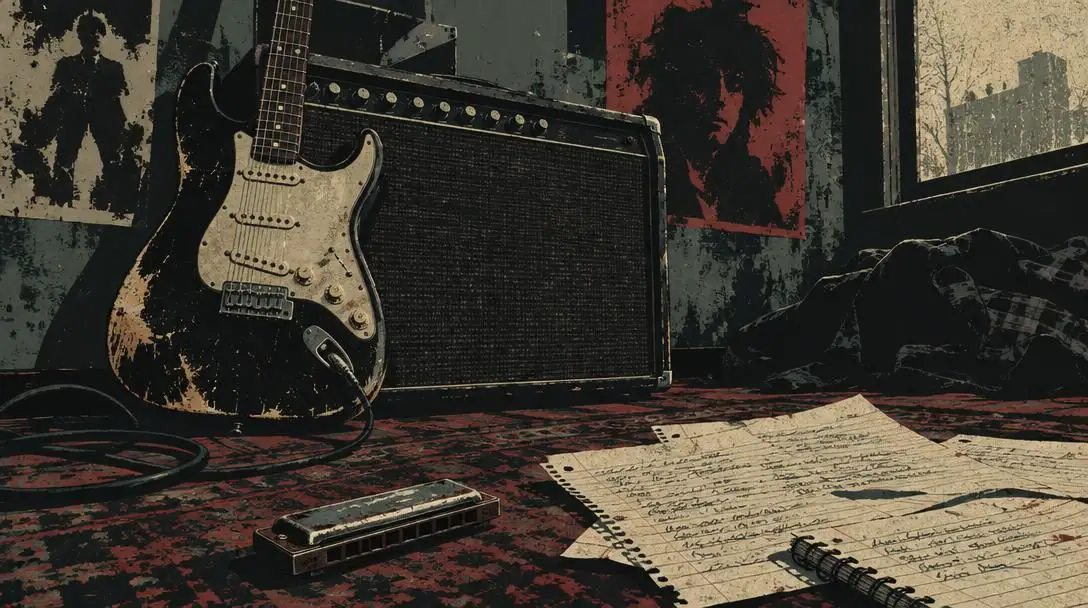
Released in June 1995, Alanis Morissette's third studio album, Jagged Little Pill, struck the alternative music scene with earthquake-like intensity. The record arrived at a time when alternative rock was hungry for unfiltered, genuine voices. Packed with angst, biting humor, and raw emotional vulnerability, Morissette delivered a tour de force that established her as a major musical force. Her songwriting discarded polite metaphors in favor of direct confrontation, addressing betrayal, personal growth, and independence with startling clarity.
The album was powered by an impressive run of chart-topping singles, including "Hand in my Pocket", "You Learn", "Head Over Feet", "Ironic", "See Right Through You", and the unforgettable breakout track "You Oughta Know". The industry quickly recognized the cultural magnitude of the work: Morissette took home two Grammy Awards and five Juno Awards for the project, and Rolling Stone placed the record at #69 in the 2020 edition of its Greatest Albums of All Time list. It remains a masterclass in passionate, cathartic rock songwriting.
These landmark releases captured cultural moments, redefined production standards, and established creative benchmarks that artists still reference today.
Purple Rain by Prince

- Release date: June 1984
- Album milestone: 6th studio album
- Media tie-in: Official soundtrack for the feature film Purple Rain
- Core genre: Rock, synth-pop, and funk
Prince confirmed his status as a singular creative genius with the June 1984 release of Purple Rain, his sixth studio album and the official soundtrack to his feature film of the same name. Blending blazing electric guitar solos, cutting-edge synthesizer programming, and kinetic funk basslines, the record erased standard radio boundaries. Prince performed with an unapologetic theatricality, showcasing an all-encompassing multi-instrumental mastery that few performers in history could match.
The project produced legendary anthems like "When Doves Cry", "Baby I'm a Star", "Darling Nikki", and the sweeping, emotional title cut "Purple Rain". The record was not without friction; tracks like "Darling Nikki" and the evocative imagery in the "When Doves Cry" music video sparked intense public controversy due to their explicit sexual subject matter. Yet despite outside pushback, the album flourished commercially and critically, demonstrating that bold artistic risks can yield timeless, genre-defining art.
Back in Black by AC/DC

- Release date: July 1980
- Album milestone: 7th studio album
- Sales standing: 4th best-selling album in the US; best-selling metal album globally
- Personnel transition: First album featuring lead vocalist Brian Johnson
In July 1980, Australian hard rock titans AC/DC unleashed Back in Black, their seventh studio album and an undeniable heavy metal milestone. The band faced immense creative pressure and personal heartbreak following the untimely death of their charismatic former frontman, Bon Scott. Rather than stepping away, the group recruited new lead singer Brian Johnson and headed into the studio to craft an uncompromising, hard-hitting musical tribute to their fallen comrade.
The resulting record stands as one of the best-selling metal albums in history and holds the title of the fourth best-selling album of all time in the United States. Fueled by unforgettable guitar hooks and explosive rhythmic drive, the tracklist includes timeless staples such as "Hells Bells", "Back in Black", "You Shook Me All Night Long", and "Rock and Roll Ain't Noise Pollution". The release revived the band's career, set a gold standard for heavy rock production, and reshaped the global metal landscape for decades to follow.
How classic albums work as cohesive art forms
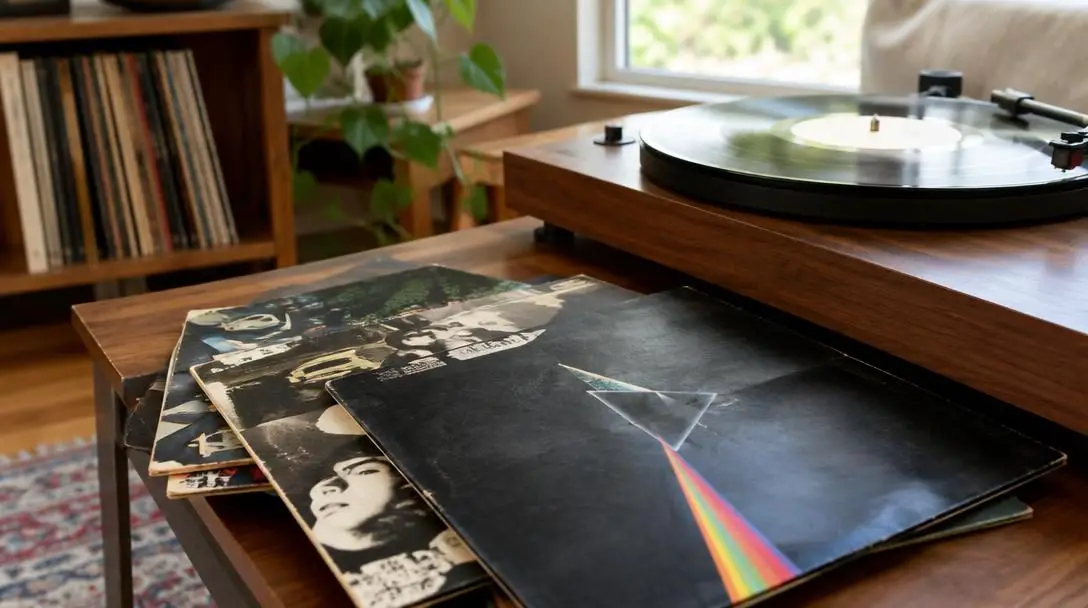
Modern streaming habits frequently focus on standalone singles pulled into personalized algorithms. However, legendary albums were created with an overarching architectural vision, built to be experienced from start to finish as unified artistic statements.
- Deliberate track sequencing: Song order is carefully curated to create momentum, providing energetic surges alongside reflective breathing room to maintain engagement across the entire runtime.
- Thematic consistency: Foundational records maintain an unmistakable emotional tone, lyrical narrative, or production motif, whether dealing with romantic estrangement, collective grief, or self-discovery.
- Pacing between sides: Conceived during the vinyl and cassette eras, classic records feature two distinct acts. Each physical side required an attention-grabbing opener and a conclusive, resonant closer.
- Signature production cohesion: Working hand-in-hand with skilled producers and audio engineers, musicians established recognizable sonic textures that unite individual tracks into a seamless listening experience.
Practical steps for experiencing and collecting classic records
Building an intentional music library is an enriching pastime that brings you closer to the cultural heritage of popular sound. Follow these practical steps to get the most out of your exploration.
- Select your medium: Decide whether you want to experience these albums physically on vinyl, CD, or cassette tape, or digitally through lossless, high-resolution streaming services.
- Listen without distractions: Reserve dedicated, uninterrupted time to play an album completely through from front to back, resisting the urge to jump straight to the famous radio singles.
- Read along with the lyrics: Keep liner notes, lyric inserts, or digital lyric sheets open as you listen to absorb the wordplay, phrasing, and narrative progression.
- Examine the personnel: Investigate the backing musicians, guest contributors, recording engineers, and producers who worked on the tracking sessions to learn how collaborative teams built the signature sound.
- Gradually expand your collection: Begin with the core title that matches your preferred genre—whether pop, alternative, or hard rock—before expanding outward into the remaining foundational records.
Common mistakes to avoid when exploring legendary albums
Approaching historic releases for the first time can occasionally lead to misconceptions if you judge them solely through the lens of modern listening culture. Keep these pitfalls in mind as you explore.
- Focusing only on chart-topping singles: Judging an album solely by its famous radio tracks causes you to overlook the deeper cuts that build the narrative fabric of the record.
- Expecting contemporary production styles: Older albums utilize vintage microphones, analog tape machines, and acoustic balances native to their era. Expecting them to match modern hyper-compressed digital mixing limits appreciation.
- Overlooking the historical context: Listening without understanding what was happening in an artist's personal life or the broader culture can dull the revolutionary impact of songs that pushed societal boundaries.
- Dismissing genres outside your comfort zone: Writing off hard rock or 1990s alternative rock because you lean toward modern pop prevents you from recognizing universal songwriting craftsmanship.
- Listening on substandard equipment: Highly textured, dynamic albums feature subtle bass grooves, vocal harmonies, and drum transients that get flattened when played through low-quality phone speakers.
Expanding your musical journey beyond the essentials
Once you have spent time absorbing these five landmark albums, there are natural pathways to expand your musical horizons. A rewarding next step is to explore the immediate discographies surrounding these titles. Investigating the albums an artist recorded just before and directly after their commercial pinnacle reveals how their voice developed and how they managed the immense creative expectations that followed monumental success.
Another fruitful path involves exploring the broader scenes and movements that these albums helped inspire. If the unrelenting, riff-heavy power of Back in Black resonates with you, explore the wider wave of 1980s hard rock and heavy metal releases. If the fierce vulnerability of Jagged Little Pill leaves an impression, explore the rich landscape of 1990s alternative rock singer-songwriters. Each landmark record operates as a doorway into a wider musical community.
Frequently asked questions
Which album on this list has sold the most copies worldwide?
Michael Jackson's 1982 release Thriller is the highest-selling album of all time globally, driven by historic singles like "Billie Jean", "Beat It", and "Thriller".
Why was Prince's Purple Rain surrounded by controversy upon its release?
The album encountered pushback due to explicit sexual themes found in the lyrics of "Darling Nikki" as well as the provocative imagery featured in the music video for "When Doves Cry".
What major tragedy influenced the recording of AC/DC's Back in Black?
The album was recorded shortly after the death of AC/DC's original lead singer, Bon Scott. It served as a tribute to Scott and marked the band's debut with their new vocalist, Brian Johnson.
What personal circumstances shaped the songwriting on Fleetwood Mac's Rumours?
The tracklist was written and recorded amid severe interpersonal turmoil, romantic breakups, and lifestyle friction among the band members, directly inspiring songs such as "Go Your Own Way", "Dreams", and "The Chain".
How many major awards did Alanis Morissette win for Jagged Little Pill?
Alanis Morissette earned two Grammy Awards and five Juno Awards for Jagged Little Pill, which was also ranked at #69 in the 2020 edition of Rolling Stone's Greatest Albums of All Time list.
The bottom line
Classic albums endure because they offer far more than a handful of catchy radio hooks. Releases like Rumours, Thriller, Jagged Little Pill, Purple Rain, and Back in Black captured pivotal cultural chapters while demonstrating the full expressive possibilities of the album format. By experiencing them as complete, cohesive works with attention to their historical origins, any listener can build an authentic appreciation for the foundational sounds that continue to shape the world of music today.