5 Clean Beauty Tricks: The Ultimate Guide to Non-Toxic Skincare and Makeup
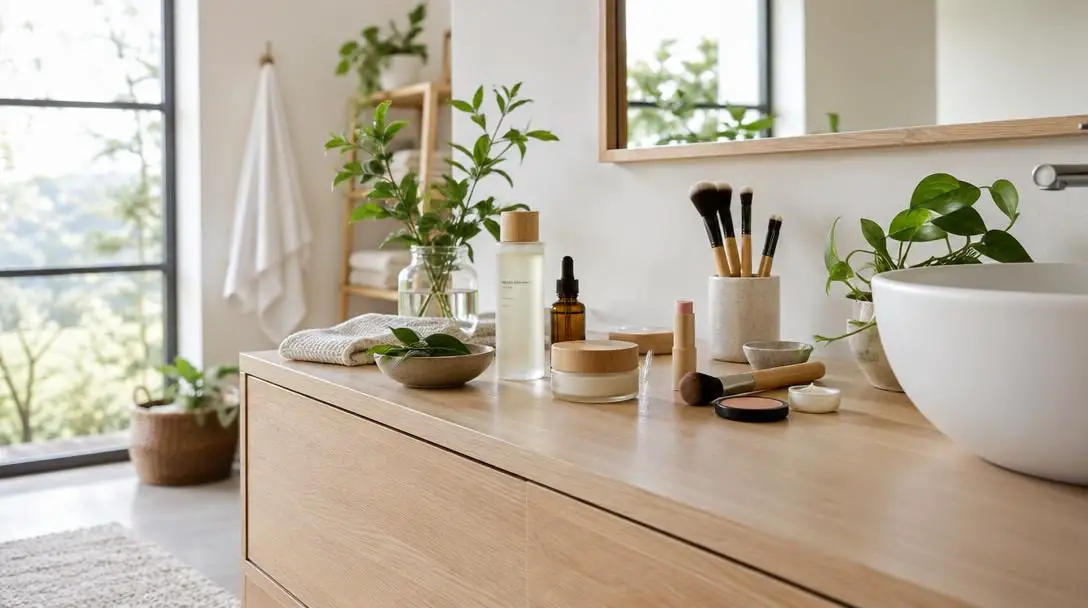
Every single day, people around the world smooth, brush, and dab dozens of personal care formulas onto their bodies. From foaming facial washes and deeply hydrating creams in the morning to primers, foundations, setting powders, and vivid lip colors for evening outings, personal care rituals have become effortless second nature for countless consumers. Yet behind glossy packaging and compelling promotional claims, an increasing number of shoppers are pausing to examine what these everyday items actually contain. Many conventional beauty products are loaded with synthetic additives and potentially hazardous chemicals that can take a significant toll on both personal well-being and the surrounding environment.
Transitioning away from conventional formulations does not require abandoning your favorite self-care rituals or giving up makeup entirely. Instead, adopting thoughtful clean beauty tricks allows you to maintain glowing, healthy skin while achieving a fresh, natural makeup look. By making conscious, health-minded adjustments to your daily routine, you can dramatically reduce your everyday exposure to problematic substances while supporting your body with wholesome, restorative care.
Key takeaways
- Clean beauty focuses on pure, transparent formulations crafted without sulfates, parabens, phthalates, or synthetic fragrances.
- Because the skin absorbs topical substances into the body, avoiding endocrine-disrupting chemicals is essential for lifelong wellness.
- Carefully reading ingredient lists and choosing plant- and mineral-based items helps you bypass misleading marketing claims.
- Adopting multi-purpose staples and crafting simple kitchen skincare recipes reduces household waste and lowers beauty expenses.
- Emphasizing natural features with lightweight formulas like tinted moisturizers and lip balms lets your skin breathe and thrive.
Understanding Clean Beauty and Skin Permeability
Before revamping your personal vanity or shopping for replacements, it is essential to understand what the clean beauty movement represents. At its core, clean beauty refers to personal care items formulated without questionable or harmful chemicals, including sulfates, parabens, phthalates, and synthetic fragrances. The movement is anchored in principles of safety, purity, and radical transparency, maintaining that personal care items should nurture your physical self rather than pose hidden health hazards.
When cosmetic formulations prioritize plant-derived and mineral components, they supply the skin with genuine nourishment without introducing questionable industrial additives. This distinction is critical because modern personal care is far more than an aesthetic indulgence; it is a foundational component of daily bodily maintenance. What you smooth over your face and body works in tandem with your biological systems, making safety just as vital as cosmetic performance.
The human skin serves as the body's largest organ, creating a protective shield against external elements. However, this biological barrier is inherently permeable rather than completely impenetrable. When conventional products are applied daily, their chemical components do not simply sit harmlessly on the surface of the skin. Many of these synthetic substances are absorbed directly into the body, accumulating over months and years of continuous exposure.
Once absorbed, certain industrial additives can interfere with delicate internal functions. Chemicals such as parabens and phthalates are known endocrine disruptors, meaning they can mimic or block natural hormones and disrupt critical messaging systems. Scientific evidence has linked these substances to reproductive complications, hormonal imbalances, and cancer risks. Furthermore, synthetic fragrances and harsh cleansing agents like sulfates can strip away natural protective oils, causing surface redness, contact dermatitis, and long-term irritation.
What you put on your body should nurture you rather than pose hidden hazards or long-term health risks.
Five Clean Beauty Tricks for Daily Skincare and Makeup
Embracing a non-toxic personal care regimen does not have to feel overwhelming or intimidating. By focusing on five practical clean beauty tricks, you can design a simple, deeply nourishing routine that safeguards your health while bringing out the natural radiance of your skin.
1. Read the Labels
One of the most powerful habits you can develop as an informed consumer is reading the ingredient label on every product you consider buying. Marketing claims displayed prominently on the front of a bottle—such as "pure," "botanical," or "clean"—can frequently be misleading. In contrast, the full ingredient list printed on the back reveals the exact chemical makeup of the formula. Because many standard beauty products contain hidden toxins that compromise skin integrity and overall wellness over time, checking this panel is your primary line of defense.
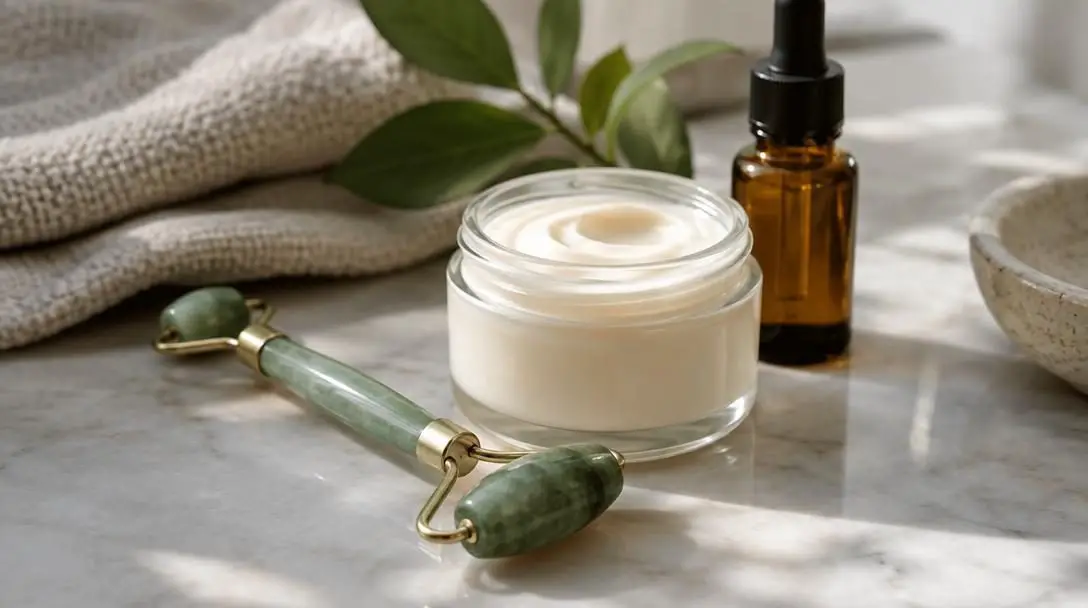
When reviewing product labels, you should immediately check for notable red flags, specifically steering clear of sulfates, parabens, phthalates, and artificial fragrances. At the same time, look for wholesome natural ingredients like aloe vera, jojoba oil, and shea butter. Pay attention to ingredient order as well: manufacturers list components in order of concentration, so beneficial botanicals should appear near the top of the list rather than buried at the bottom. Wholesome ingredients like shea butter and jojoba oil offer deep, biocompatible hydration without exposing your body to avoidable synthetic risks.
2. Choose Natural and Organic Products
Actively selecting natural and organic products is another essential strategy for establishing a clean routine. Certified natural and organic personal care items are crafted from raw materials derived from renewable plants and earth-derived minerals. Unlike standard drugstore and department store cosmetics that rely heavily on artificial petrochemicals, synthetic emulsifiers, and lab-created stabilizers, true organic products are formulated without these potentially toxic additives.
Using plant-based and organic items ensures you are treating your skin with gentle, bioavailable nutrients. Plant oils, botanical extracts, and mineral pigments deliver essential fatty acids, antioxidants, and soothing hydration that work in harmony with your skin's natural architecture. By relying on formulas built from organic botanical extracts rather than synthetic compounds, you shield your body from unnecessary toxins while giving your complexion the fundamental building blocks it needs to remain soft, supple, and resilient.
3. DIY Skincare
Making your own skincare remedies at home is a creative, practical way to take total ownership of your clean beauty journey. Crafting treatments in your own kitchen offers several distinct advantages: it gives you absolute control over every single ingredient, prevents accidental exposure to hidden preservatives or masking fragrances, and saves money. When you make your own formulas, there is no guesswork involved, as you can personally verify the quality and purity of everything that touches your skin.
There are many simple DIY skincare recipes you can make using everyday natural staples such as honey, coconut oil, and aloe vera. For example, raw honey acts as a gentle, hydrating facial mask that calms irritation, while pure aloe vera provides immediate, lightweight soothing relief to dry or sun-exposed skin. Blending coconut oil with natural exfoliants produces a replenishing body polish without the synthetic microplastics or preservatives found in commercial scrubs. These straightforward homemade solutions deliver rich hydration and nourishment for a glowing complexion at a fraction of the cost of store-bought luxury items.
4. Invest in Multi-Purpose Products
The modern cosmetics industry thrives on consumer separation, convincing shoppers that they require a separate, highly specialized bottle for every square inch of their face and body. This approach clutters bathroom counters, drains bank accounts, and generates substantial plastic waste. Investing in versatile, multi-purpose beauty products counteracts this trend by streamlining your daily regimen into a handful of effective essentials.
Many pure, natural substances perform wonderfully across multiple applications. A prime example is coconut oil, which functions exceptionally well as an intensive facial moisturizer, an effortless makeup remover that melts away stubborn waterproof pigments, and a restorative deep-conditioning hair mask. When selecting multi-use products, always verify that the formulation consists of clean, natural ingredients. This guarantees that whether you apply the product to your delicate eyelids, your legs, or the ends of your hair, you are maintaining a non-toxic environment for your entire body.
5. Enhance Natural Beauty
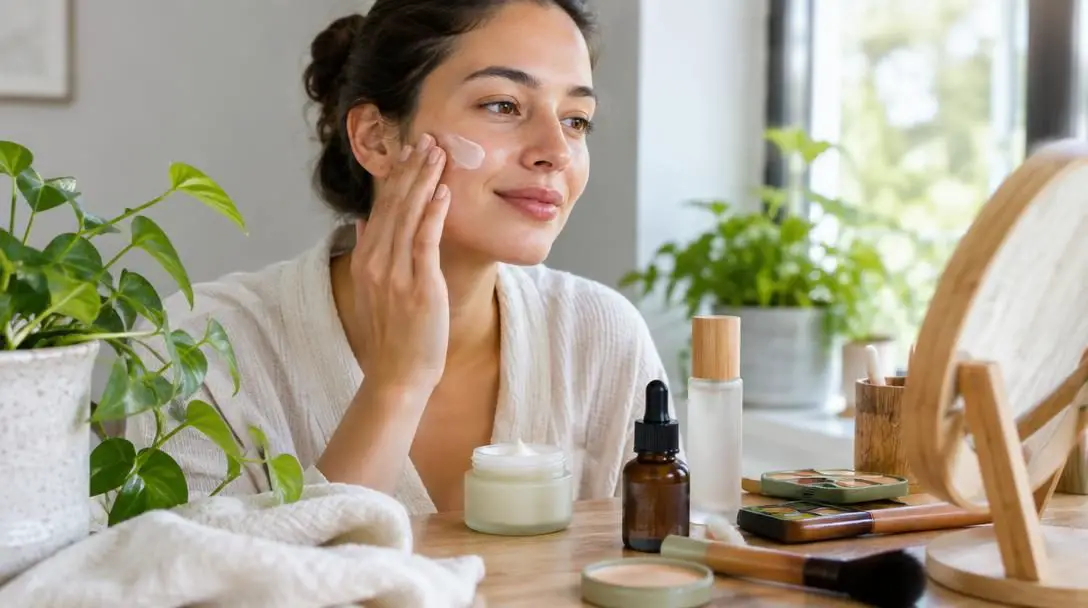
The core objective of clean beauty is not to conceal your face under a heavy mask of artificial pigments, but rather to enhance your natural beauty. This philosophy encourages embracing your distinctive facial features and scaling back your reliance on dense, full-coverage makeup products. Shifting the spotlight from cosmetic cover-ups to foundational skin health allows your genuine skin texture to shine through comfortably.
You can effortlessly declutter your makeup bag by swapping heavy, pore-clogging cosmetics for lightweight, skin-nourishing alternatives:
- Swap heavy foundations for tinted moisturizers: Tinted formulas even out skin tone and impart a natural dewy finish while allowing your pores to breathe throughout the day.
- Swap synthetic lipsticks for natural lip balms: Botanical lip balms provide lasting, rich moisture and a soft, healthy shine without synthetic dyes or petroleum-based waxes.
- Prioritize skin prep over cosmetic coverage: When your skin is nourished with clean botanicals, you naturally require fewer corrective concealers and mattifying powders.
Ingredients at a Glance: Toxic Culprits vs. Clean Replacements
Transitioning to non-toxic beauty becomes much easier when you understand which synthetic ingredients to leave behind and which wholesome, plant-based alternatives to welcome into your daily routine.
| Ingredient Category | Conventional Red Flags | Clean Botanical Alternatives | Primary Function & Benefits |
|---|---|---|---|
| Deep Hydrators | Mineral oil, synthetic petroleum byproducts | Shea butter, jojoba oil | Provides breathable barrier repair and deep moisture without clogging pores. |
| Soothing Agents | Synthetic fragrances, parabens | Aloe vera, raw honey | Calms surface redness, delivers antioxidants, and supports natural skin healing. |
| Multi-Use Oils | Silicone-based smoothing serums | Pure coconut oil | Conditions hair cuticles, dissolves makeup, and softens dry patches naturally. |
| Cleansing Bases | Sulfates (SLS, SLES), synthetic detergents | Gentle plant cleansers, oil-based balms | Lifts impurities without stripping natural lipids or disrupting the skin barrier. |
| Complexion Bases | Heavy synthetic foundations with phthalates | Mineral tinted moisturizers | Evens out facial tone lightly while letting the underlying skin breathe freely. |
A Step-by-Step Guide to Transitioning Your Routine
Replacing an entire vanity of personal care products overnight can feel daunting, chaotic, and financially impractical. Tossing out dozens of full bottles creates unnecessary waste and makes it difficult to tell which clean products work best for your skin. Following a structured, progressive method guarantees that your transition to clean personal care is enjoyable and sustainable over the long term.
- Audit your current collection: Gather all your daily skincare and makeup products in one well-lit area. Turn each container around, inspect the ingredient lists carefully, and identify formulas containing parabens, sulfates, phthalates, or synthetic fragrance.
- Adopt a gradual replacement strategy: Do not discard every product at once. Instead, continue using your current items until they are empty, replacing each one with a certified clean, organic, or natural alternative as it runs out.
- Start with leave-on formulas: Prioritize replacing products that linger on your skin for hours at a time, such as daytime moisturizers, eye creams, and body lotions, before swapping out rinse-off products like cleansers.
- Introduce simple kitchen DIYs: Mix basic pantry staples like honey, coconut oil, or pure aloe vera into your weekly routine to experience the nourishing power of raw ingredients firsthand.
- Streamline with multi-functional heroes: Replace single-use products with versatile options like coconut oil to reduce bathroom clutter, save money, and cut down on plastic packaging.
- Lighten your cosmetic coverage: Phase out full-coverage synthetic foundations and synthetic lipsticks in favor of clean tinted moisturizers and hydrating botanical lip balms.
Common Mistakes to Avoid Along the Way
As you begin curating a non-toxic personal care collection, it is easy to stumble into common consumer traps. Staying mindful of these missteps will save you considerable time, money, and skin distress as you refine your habits.
- Falling for front-of-package marketing: Brands frequently use earthy colors, leaf illustrations, and terms like "green" or "botanical" on their front labels while continuing to hide sulfates, phthalates, and synthetic fragrances in the fine print on the back. Always verify claims against the official ingredient deck.
- Purchasing specialized products for every minor issue: Accumulating dozens of targeted serums and single-use formulas leads to consumer clutter and unnecessary packaging waste. Relying on multi-purpose plant oils and balms simplifies your routine and minimizes household trash.
- Using heavy makeup to conceal skin concerns: Relying on thick layers of synthetic foundation to hide dry flakes, dullness, or uneven tone often exacerbates the underlying problem by suffocating the skin. Focus first on feeding your skin with restorative ingredients like aloe vera, shea butter, and jojoba oil.
- Overhauling your routine all at once: Swapping ten products in a single day can overwhelm your skin barrier and make it impossible to identify which product caused an issue if you experience a reaction. Introduce clean alternatives one formula at a time.
Frequently asked questions
What makes clean beauty products different from conventional beauty products?
Clean beauty products are formulated specifically without toxic or questionable ingredients such as sulfates, parabens, phthalates, and synthetic fragrances. While conventional beauty items often utilize synthetic stabilizers, artificial scents, and petroleum-based fillers, clean beauty focuses on transparent, non-toxic formulations powered by plant-derived extracts and natural minerals that nourish the skin without posing long-term health risks.
Why are sulfates, parabens, and phthalates considered harmful?
These synthetic chemicals can penetrate the skin barrier and enter the body through regular, repeated exposure. Parabens and phthalates act as endocrine disruptors that interfere with the body's hormonal messaging, which has been linked to reproductive issues, developmental concerns, and cancer. Sulfates are aggressive cleansing agents that can strip the skin of its essential natural oils, leading to chronic barrier irritation, redness, and sensitivity.
How can coconut oil replace multiple commercial beauty products?
Pure coconut oil is an exceptionally versatile botanical fat that functions effectively in three key beauty roles: as an intensive body and facial moisturizer that locks in hydration, as a gentle oil-based makeup remover that breaks down stubborn cosmetic pigments, and as a nourishing hair mask that restores softness and shine to dry strands.
Can I transition to clean beauty on a budget?
Yes. You can transition affordably by using up your existing products before purchasing replacements, making DIY skincare treatments at home with accessible pantry staples like honey and aloe vera, and investing in multi-purpose products like coconut oil that eliminate the need to purchase separate, single-use cosmetics.
How does clean makeup differ in appearance from conventional makeup?
Clean makeup is designed to enhance your natural beauty rather than mask your features under dense layers of pigment. By swapping heavy synthetic foundations for breathable tinted moisturizers and replacing synthetic lipsticks with nourishing lip balms, clean cosmetics deliver a luminous, fresh, and lightweight finish that lets your genuine skin texture shine through comfortably.
The bottom line
Cultivating a clean, non-toxic beauty routine is not about pursuing cosmetic perfection or discarding every bottle in your home overnight. Rather, it represents a thoughtful, health-conscious shift toward honoring your skin as a living, permeable organ that deserves nourishing care. By reading ingredient labels carefully, selecting natural and organic formulas, embracing simple DIY treatments, investing in multi-purpose staples, and letting your natural skin take center stage, you actively protect your physical health while cultivating a radiant, lifelong glow.