5 Creative Hobbies to Try for a More Fulfilling Life in Your 60s
Entering your 60s often brings significant lifestyle shifts that reshape your daily schedule. For many adults, this decade marks a major transition away from demanding professional careers, long-standing workplace responsibilities, or the daily routines of child-rearing. While having abundant free time can feel genuinely liberating, it also presents a fresh challenge: finding intentional ways to spend your hours so that life remains intellectually engaging, purposeful, and mentally stimulating. Maintaining an active lifestyle is vital as you age, making personal fulfillment and emotional health central priorities for long-term well-being.
Creative hobbies offer a unique pathway to achieving sustained joy and vitality. Unlike purely passive pastimes, creative pursuits demand an active investment of your thoughts, emotional energy, and focused attention. Whether you are returning to an artistic medium you set aside decades ago or testing a craft for the first time, creative exploration allows you to exercise your mind, express your individuality, and build deeply rewarding everyday routines. Prioritizing personal creativity can transform your 60s into a vibrant era of self-discovery.
Key takeaways
- Creative hobbies demand active physical and mental engagement, providing purposeful daily routines during retirement.
- Activities like painting, writing, gardening, cooking, and photography are accessible, flexible, and do not require prior professional expertise.
- Focusing on the creative process rather than immediate perfection protects your enjoyment and supports steady personal growth.
- Starting small with essential supplies prevents financial strain while allowing your artistic habits to develop naturally over time.
- Connecting with fellow hobbyists through local clubs, workshops, or online forums enriches the experience through shared feedback and camaraderie.
Comparing Creative Outlets for Your 60s
Choosing an artistic medium depends on your personal living environment, physical preferences, and what kind of mental engagement you find most restorative. While some individuals crave quiet introspection, others prefer hands-on tactile activities or sensory experiences. The following comparison highlights the core mechanisms and focus areas of five popular creative pastimes.
| Hobby | Primary Supplies | Core Mechanism | Key Benefit |
|---|---|---|---|
| Painting | Canvas, brushes, acrylic or watercolor paint | Interaction of pigment, surface, and water or medium | Visual self-expression and stress reduction |
| Writing | Notebook, journal, or computer | Translating thoughts and observations into structured language | Therapeutic reflection and mental clarity |
| Gardening | Pots, planters, quality soil, hand tools | Applying plant biology, hydration, and soil nutrition | Connection with nature and gentle mind-body exercise |
| Cooking | Pantry staples, fresh ingredients, cookware | Applying heat and balancing contrasting flavor profiles | Sensory enjoyment and cost-effective nutrition |
| Photography | Digital camera or modern smartphone | Capturing, framing, and manipulating ambient light | Visual mindfulness and creative memory preservation |
Top Creative Hobbies to Explore
There are countless pursuits available to retirees and older adults, but five specific disciplines stand out for their adaptability, accessibility, and potential for lifelong enrichment. Each medium exercises different cognitive muscles and can be enjoyed independently or shared with a broader community.
Painting
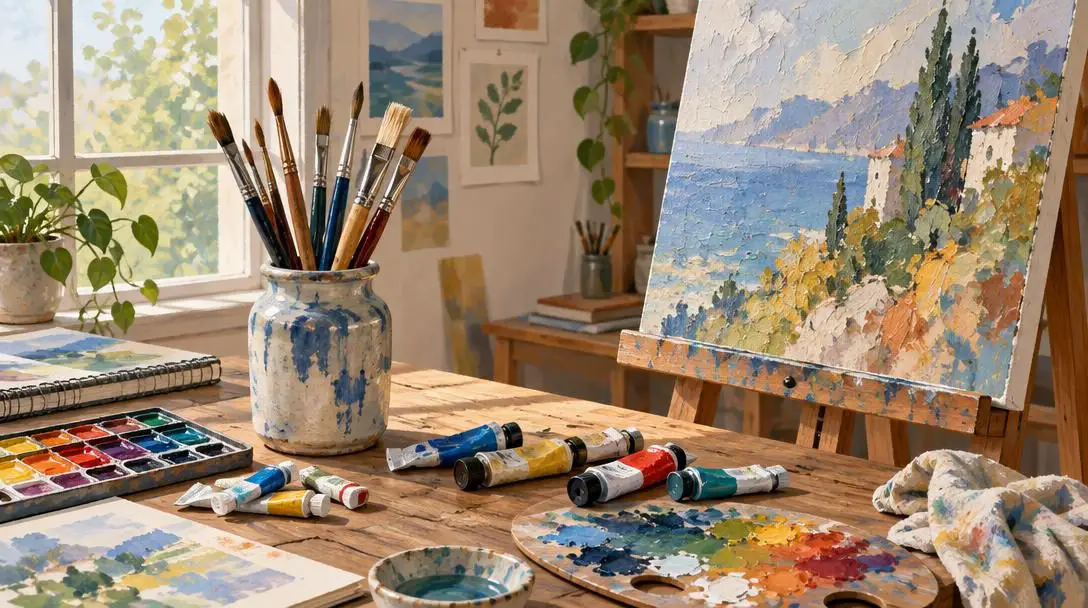
- Core mediums: Acrylics or watercolors
- Key supplies: Canvas, brushes, and pigment
- Primary mental benefit: Focused mindfulness and stress relief
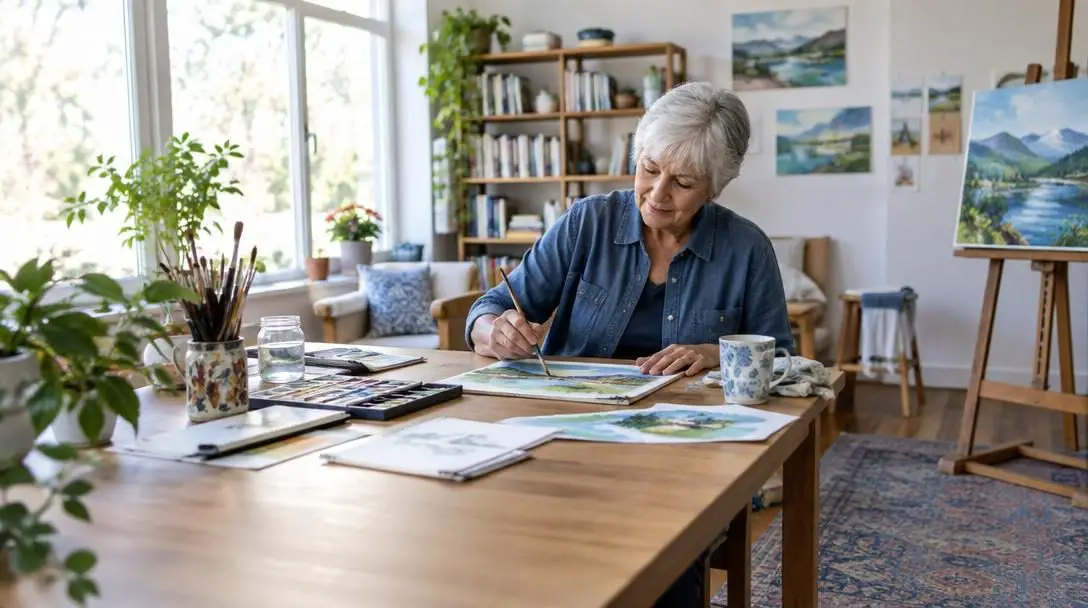
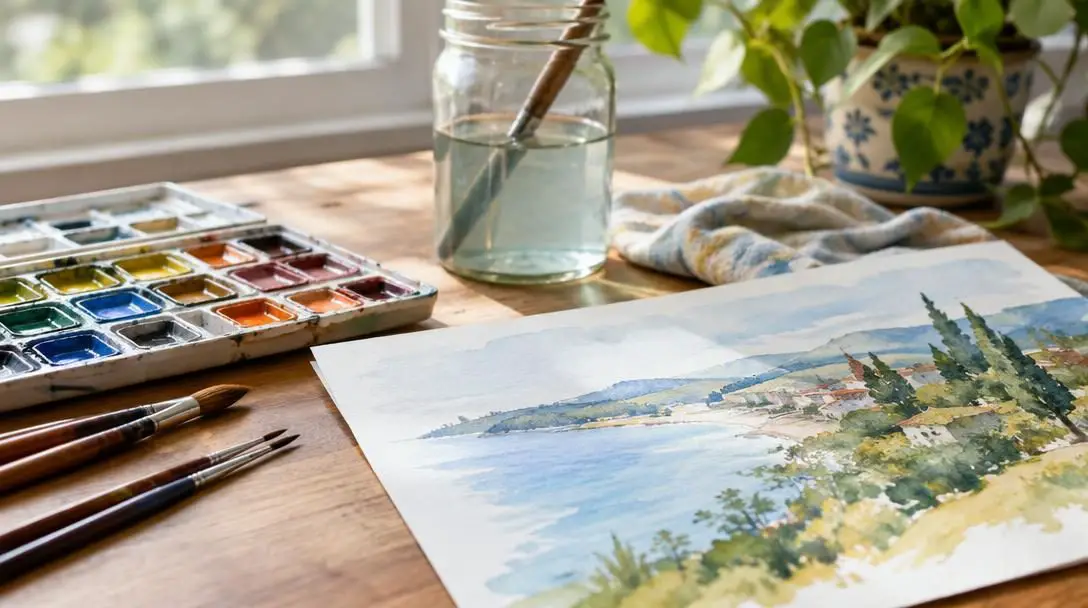
Visual self-expression is an effective way to center your thoughts and ease everyday tension. Painting provides an accessible channel for exploring color and composition without requiring formal art training or innate talent. Many beginners assume that entering the fine arts requires specialized studio space, but all you need to start is a modest surface, basic brushes, and a starter palette of watercolor or acrylic paints.
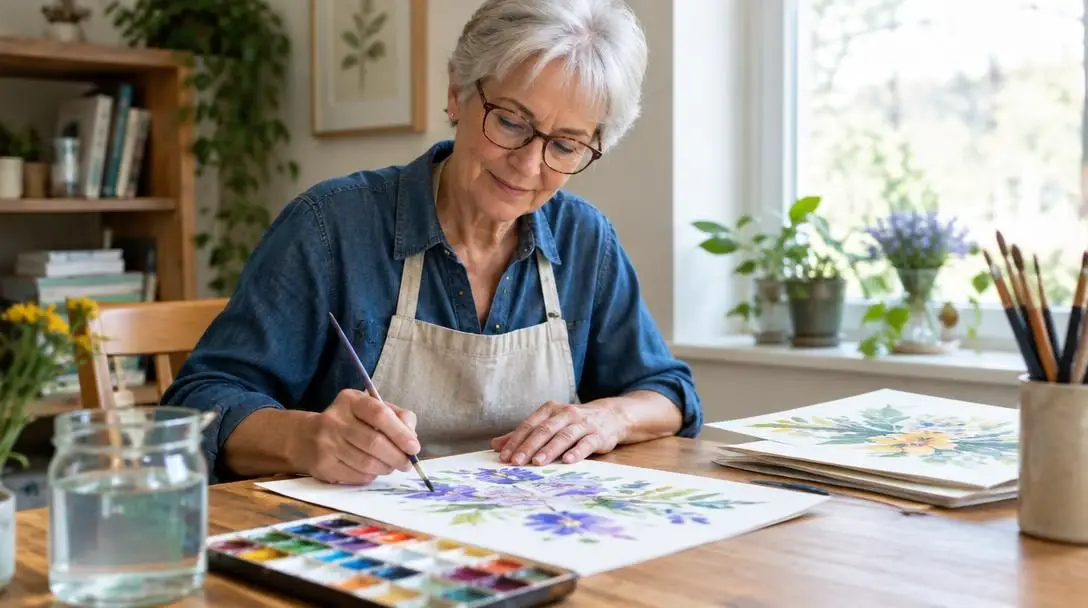
The practice of painting works through the relationship between pigment, vehicle, and surface. If you choose acrylic paints, you work with a fast-drying, water-soluble medium that enables you to quickly layer colors and easily correct mistakes by applying fresh paint over dried sections. In contrast, watercolor painting relies on the natural transparency of pigments interacting with absorbent paper, creating delicate gradients, washes, and luminous effects. Step-by-step online beginner tutorials can teach you how to hold brushes, mix pigments, and apply paint smoothly. Establishing a quiet, comfortable space and granting yourself permission to play with varied brushstrokes turns painting into a deeply relaxing ritual.
Writing
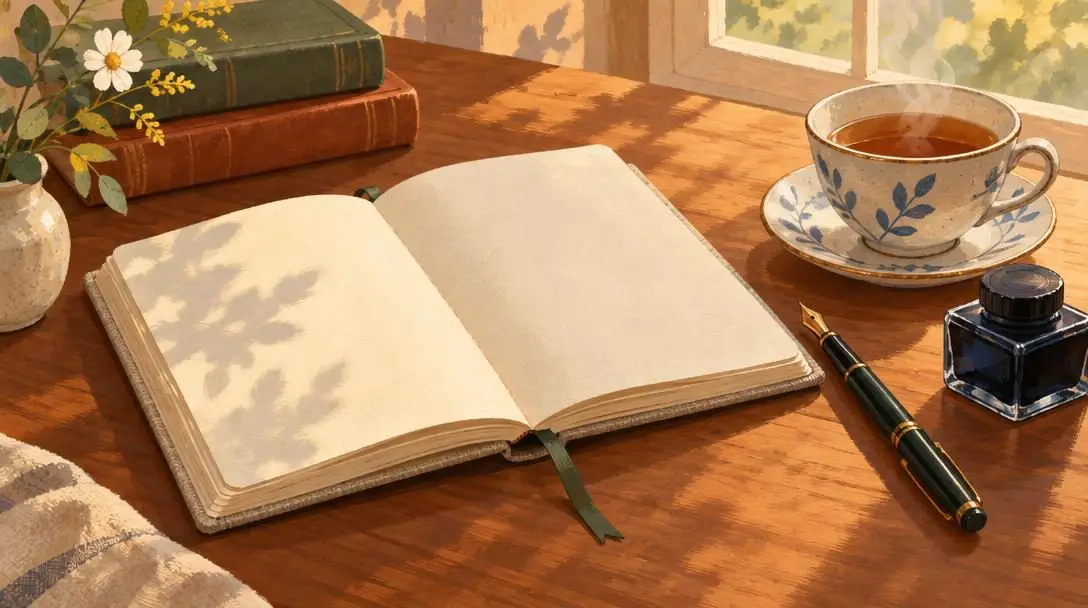
- Primary formats: Personal journaling, short stories, and poetry
- Core mechanic: Converting thoughts into structured language
- Key mental benefit: Emotional processing and mental clarity
Therapeutic reflection makes writing one of the most accessible and mentally grounding hobbies you can adopt. Putting pen to paper offers a confidential, private outlet for working through life events, organizing your daily perspectives, and recording personal history. Because there are no rigid rules dictating how you express yourself, you are entirely free to focus on the expressive process rather than worrying about publication standards or rigid grammatical perfection.
Writing functions by translating internal feelings, memories, and observations into clear narrative structures. Personal journaling functions as an exploratory tool to help untangle complex emotions and clear mental clutter. Meanwhile, creative writing—such as poetry or short fiction—sharpens your cognitive faculties by demanding character development, scene setting, and descriptive language. The secret to writing lies in establishing a consistent daily rhythm, even if you write for just ten minutes at a time. If you face a blank page, beginner prompts available online can spark fresh inspiration, while joining a writing workshop or local circle offers constructive encouragement from like-minded peers.
Gardening
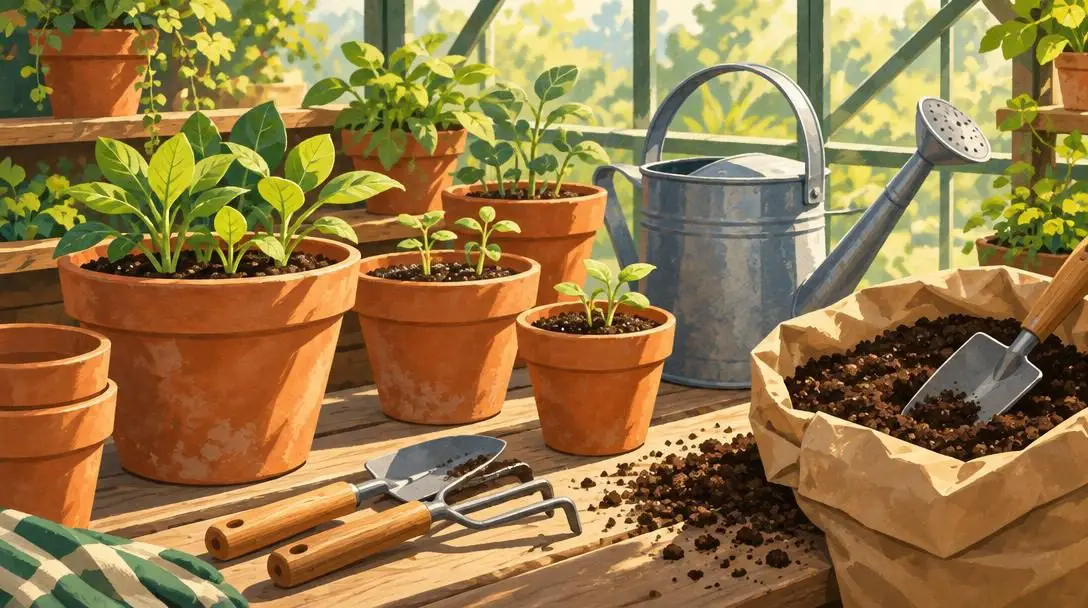
- Space options: Garden plots, window boxes, and containers
- Core requirements: Light, hydration, quality soil, and fertilizer
- Key physical benefit: Gentle movement combined with outdoor air
Nurturing living systems provides a grounding sense of purpose that directly links your daily routine with the natural world. Gardening is widely appreciated as a therapeutic pursuit that gets you outside for fresh air while providing gentle physical activity that exercises both mind and body. It is also remarkably scalable: you do not need an extensive yard or dedicated landscape to participate. Gardeners living in apartments or smaller homes can cultivate flourishing container gardens, tabletop planters, or windowsill herb boxes.
Successful plant cultivation operates on the core mechanics of plant biology, seasonal cycles, and soil balance. Plants require balanced access to sunlight, moisture, and nutritional inputs to build strong root structures and lush foliage. Beginners should choose plant varieties that match their specific living space, lighting exposure, and regional climate. Regular plant maintenance—including observing soil moisture levels, applying fertilizer appropriately, watering regularly, and pruning dead growth—creates an intuitive daily routine that rewards you with fresh blooms, greenery, or homegrown produce.
Creative hobbies replace passive leisure with active mental engagement, transforming everyday routines into opportunities for purpose and renewal.
Cooking
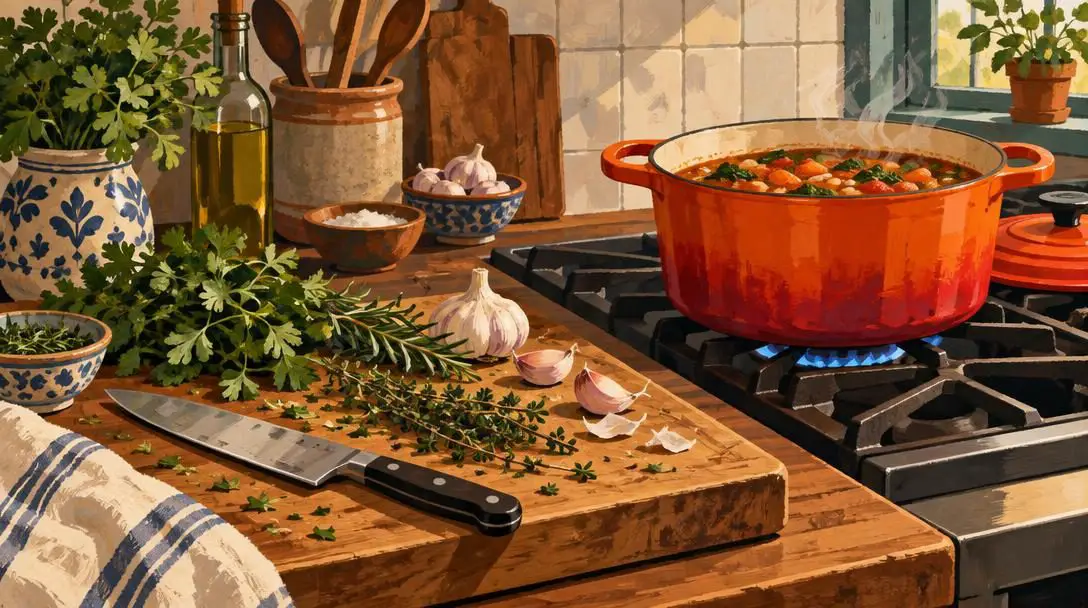
- Culinary benefits: Healthier eating and decreased dining expenses
- Core mechanisms: Temperature control, flavor pairing, and knife work
- Key sensory benefit: Immediate gratification through taste and aroma
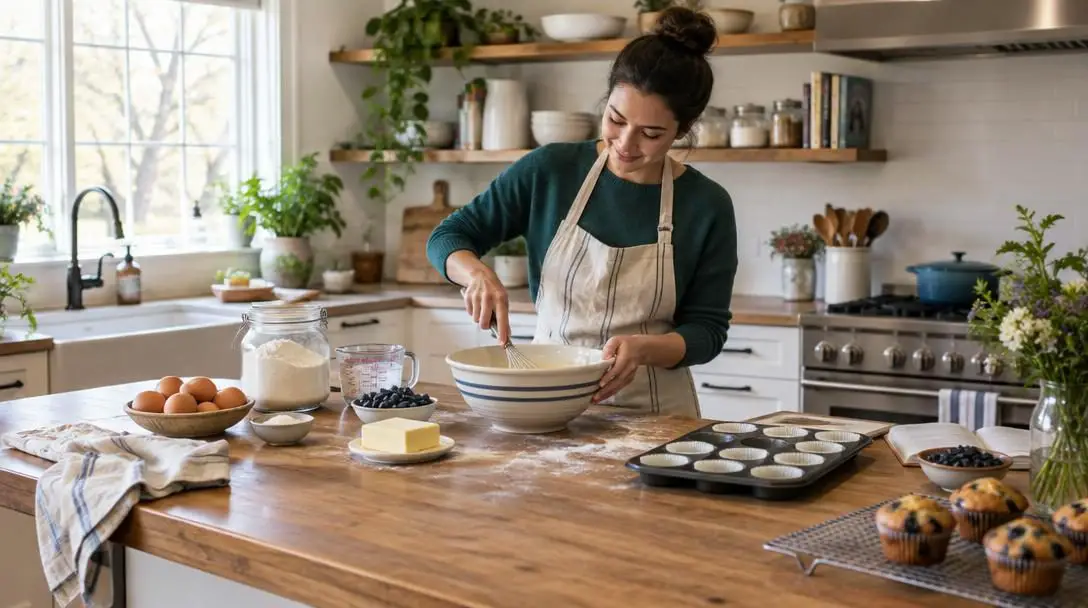
Hands-on culinary crafting turns daily meal preparation from an uninspired chore into an exciting creative outlet. Cooking delivers immediate gratification, making it an ideal pastime for anyone who appreciates fine food and distinct flavors. Exploring new recipes encourages healthier eating habits, allows you to enjoy wholesome home-cooked meals, and saves money compared to regularly dining out at commercial restaurants.
At its core, cooking blends culinary science with sensory intuition. It relies on applying controlled heat to alter ingredient textures while combining complementary or contrasting tastes—such as sweet, salty, sour, and bitter elements. Cultivating an adventurous cooking hobby means viewing kitchen missteps, such as over-salted broths or browned edges, as helpful learning moments rather than failures. To excel, focus on sourcing fresh ingredients, keeping an organized workspace, practicing sound food safety protocols, and gradually testing new culinary cultures and cooking techniques through instructional blogs and online classes.
Photography
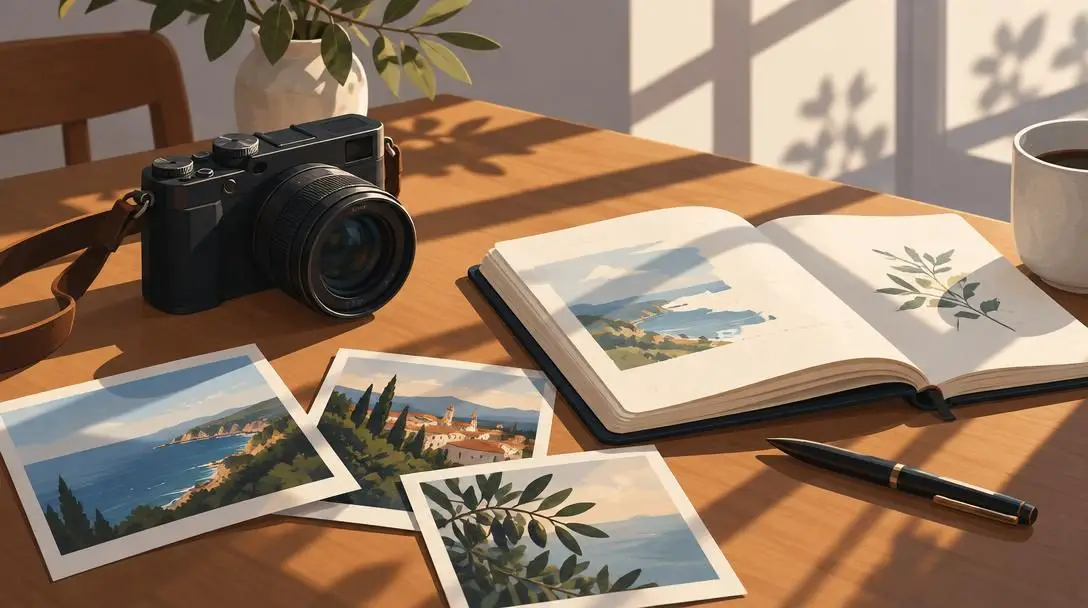
- Essential equipment: Digital camera or modern smartphone
- Core mechanic: Framing, focus, and manipulating ambient light
- Key creative benefit: Visual storytelling and heightened everyday awareness
Observational mindfulness lies at the heart of photography, making it an extraordinary tool for preserving memories and viewing your surroundings with fresh perspective. The ubiquity of capable digital cameras and advanced smartphones means you can capture stunning imagery without investing in darkroom equipment or mastering complex optical gear. The craft simply asks you to slow down and study how light, texture, and shadows interact around you.
Photography works through the precise framing and manipulation of available illumination. To develop your artistic eye, experiment with diverse lighting environments, such as the soft glow of morning sunrise or the stark contrast created by midday sun. Changing your physical angles, getting close to small details, and photographing diverse subject matter—from family portraits and historic architecture to local wildlife—trains you to uncover hidden beauty in common places. Photography can also become a lively social hobby when you participate in community photo walks, submit work to digital forums, or join an area camera club.
Practical Steps to Build a Sustainable Creative Habit
Beginning a creative practice in your 60s should feel exciting rather than intimidating. Rather than attempting an abrupt lifestyle overhaul, you can build momentum through steady, deliberate steps. Follow this structured approach to establish a lasting creative routine that fits comfortably within your week:
- Evaluate your personal interests and daily schedule: Review how you spend your typical week to identify open pockets of time and determine which creative medium genuinely excites your curiosity.
- Acquire foundational supplies only: Avoid the urge to buy expensive gear immediately. Purchase basic, dependable materials—such as an entry-level set of paints, a single blank notebook, a small planter with soil, or standard kitchen staples—to test the waters first.
- Designate a dedicated creative zone: Set up a tidy, well-lit, and comfortable corner of your home where you can work on your chosen hobby without interruptions or the need to unpack supplies each session.
- Schedule brief, consistent practice blocks: Consistency matters far more than duration. Dedicate ten to fifteen minutes each day to writing, or an hour on the weekend to test a new recipe or garden planter.
- Leverage free beginner instruction: Consult digital tutorials, public library resources, instructional culinary videos, and creative prompts to learn core techniques at your own pace.
- Connect with fellow enthusiasts: Build supportive community ties by joining an online interest group, registering for a local community center workshop, or visiting hobby clubs in your area.
Common Pitfalls and How to Avoid Them
When starting an unfamiliar artistic practice later in life, beginners frequently encounter internal and external hurdles that can dampen their initial excitement. Being aware of these common traps will help you maintain your enthusiasm and protect your creative momentum over time.
- Expecting instant mastery: Beginners often compare their initial efforts to the refined portfolios of seasoned experts. Creativity is a developmental journey, and your early attempts represent essential learning experiences rather than a final verdict on your artistic ability.
- Overspending on professional equipment: While durable, reliable materials make learning smoother, purchasing top-of-the-line equipment before understanding your specific creative preferences can generate unnecessary financial stress and needless complexity.
- Bypassing basic setup and safety steps: Skipping essential preparatory work—such as neglecting soil drainage in gardening, ignoring safe food handling guidelines in the kitchen, or failing to prime a painting surface—often leads to frustrating, preventable mistakes.
- Turning your pastime into a high-pressure chore: Establishing rigid deadlines, enforcing harsh performance expectations, or stressing over productivity can drain the relaxation from your hobby. Your primary objective should always be personal fulfillment and joy.
- Isolating your efforts entirely: Keeping your work entirely hidden due to self-consciousness deprives you of the helpful feedback, mutual support, and fresh inspiration that come from engaging with a welcoming hobby community.
Expanding and Evolving Your Practice
As you gain confidence in your chosen creative medium, your artistic goals and interests will naturally mature. A pursuit that begins as a casual weekend experiment can slowly evolve into a central feature of your lifestyle. For example, a small container garden on your patio might inspire you to build raised vegetable beds, or simple daily journal reflections might develop into a collection of personal memoirs or short fiction pieces. Allow your creative goals to evolve naturally without forcing artificial milestones.
You can also create enriching synergies by combining multiple creative hobbies. Produce harvested from your backyard garden planters can serve as fresh ingredients for your culinary experiments. Your growing photography skills can be applied to capture your painted canvases or document seasonal changes in your garden. Furthermore, sharing your creative work—whether by gifting painted artwork to relatives, hosting a home-cooked dinner for neighbors, or displaying framed photographs at a community center—strengthens your social relationships and reinforces the sense of purpose that makes creative living in your 60s so deeply satisfying.
Frequently asked questions
Do I need previous artistic experience to start painting in my 60s?
No, you do not need previous artistic training or natural talent to enjoy painting. Basic beginner supplies—including canvas, brushes, and acrylic or watercolor paints—along with free online instructional guides will give you all the foundational knowledge needed to start exploring color and form immediately.
What is the easiest way to overcome creative block when writing?
The most effective way to overcome a creative block is to write without self-criticism using guided prompts found in books or online. Setting a timer for just ten minutes and focusing on stream-of-consciousness journaling or personal memories helps you build momentum without worrying about perfection.
Can I maintain a rewarding garden if I live in an apartment without a yard?
Yes, gardening is remarkably adaptable and does not require an expansive yard. You can cultivate a thriving garden using small tabletop planters, outdoor patio containers, or sunny windowsill boxes planted with compact flowers, herbs, or microgreens.
How can I practice photography without purchasing an expensive digital camera?
You can take compelling photographs using a modern smartphone camera. Smartphone sensors and lenses are sophisticated enough to help you master fundamental photography skills, such as framing compositions, studying directional lighting, and experimenting with unique physical angles.
How much time should I dedicate to a creative hobby each week?
You can build an enjoyable and sustainable practice with modest time commitments. Spending just ten to fifteen minutes a day writing or an hour on the weekend testing a recipe or caring for plants is plenty of time to experience the mental and emotional benefits of a creative outlet.
The bottom line
Your 60s represent a prime opportunity to invest in your own curiosity, joy, and emotional health. Moving beyond passive entertainment and dedicating your time to hands-on pastimes like painting, writing, gardening, cooking, or photography provides mental stimulation, stress reduction, and a profound sense of accomplishment. By starting with basic materials, establishing manageable routines, and focusing on creative exploration rather than rigid perfection, you can build fulfilling habits that enrich your life for decades to come.