5 Effective Cardio Workouts for Seniors: Experts Weigh In
As the human body ages, maintaining regular physical activity becomes essential for preserving vitality, functional independence, and overall quality of life. Natural physiological shifts—including gradual declines in skeletal muscle mass, structural changes within joint cartilage, and reduced cardiovascular capacity—can accelerate rapidly when sedentary habits take hold. Fortunately, routine exercise provides a potent defense against physical decline, helping older adults safeguard their mobility, protect joint integrity, and support long-term heart health.
According to the Centers for Disease Control and Prevention (CDC), consistent physical activity provides major health advantages for older adults, from preventing chronic conditions to enhancing mood and cognitive resilience. However, traditional high-impact exercises that subject aging bones and connective tissues to repetitive pounding—such as road running or intense jumping—often elevate the risk of joint pain and orthopedic injury. Low-impact cardiovascular exercise solves this challenge by elevating the heart rate and challenging the circulatory system without placing excessive mechanical stress on delicate joints.
Key takeaways
- Regular low-impact cardiovascular exercise protects joint integrity while reducing the risk of falls and chronic illness.
- Gentle aerobic options like walking, swimming, cycling, dancing, and chair aerobics deliver substantial fitness gains without heavy vertical impact.
- Aquatic workouts and seated routines provide supportive environments for seniors managing arthritis, mobility limitations, or balance instability.
- Safe exercise adoption requires proper footwear, adequate hydration, thorough warm-ups, and ongoing communication with a healthcare professional.
The Science of Low-Impact Cardio for the Aging Body
Cardiovascular conditioning relies on a straightforward physiological mechanism: large muscle groups contract rhythmically over sustained periods, prompting the heart and lungs to deliver oxygenated blood throughout the body. When older adults participate in aerobic exercise, the heart muscle adapts by pumping more efficiently, which lowers resting blood pressure, enhances circulation, and builds stamina for daily activities.
What distinguishes low-impact cardio from higher-intensity modalities is the management of ground reaction force. In low-impact activities, at least one foot remains firmly planted on the ground, or the individual's body weight is supported by an external medium, such as water or a sturdy seat. This structural support drastically lowers the vertical collision forces that travel through the ankles, knees, hips, and lumbar spine. As a result, cartilage, ligaments, and tendons remain protected from excessive wear and tear while the cardiovascular system still operates within an effective training zone.
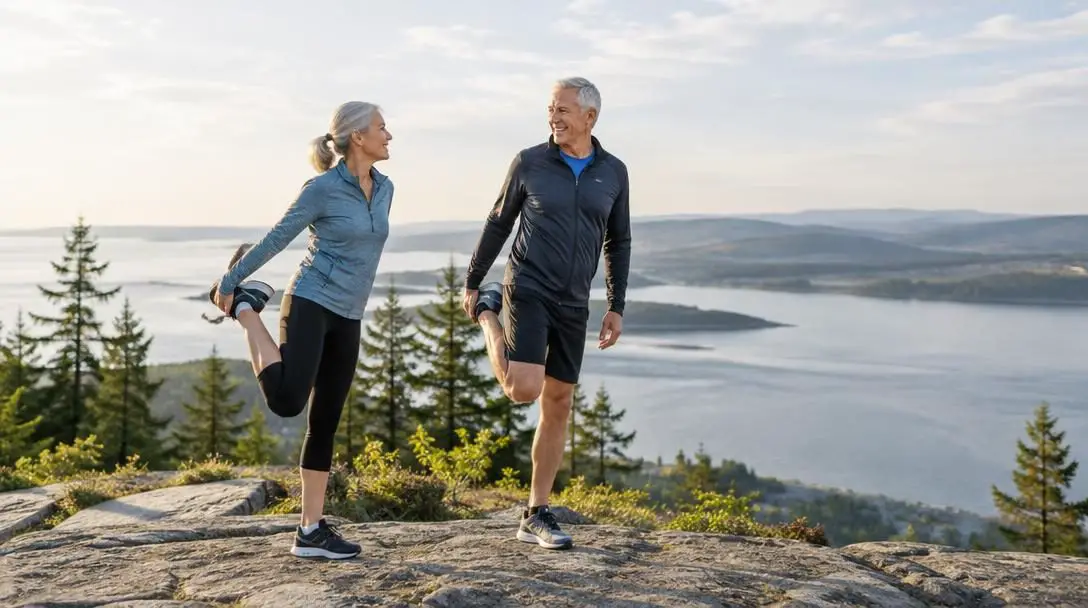
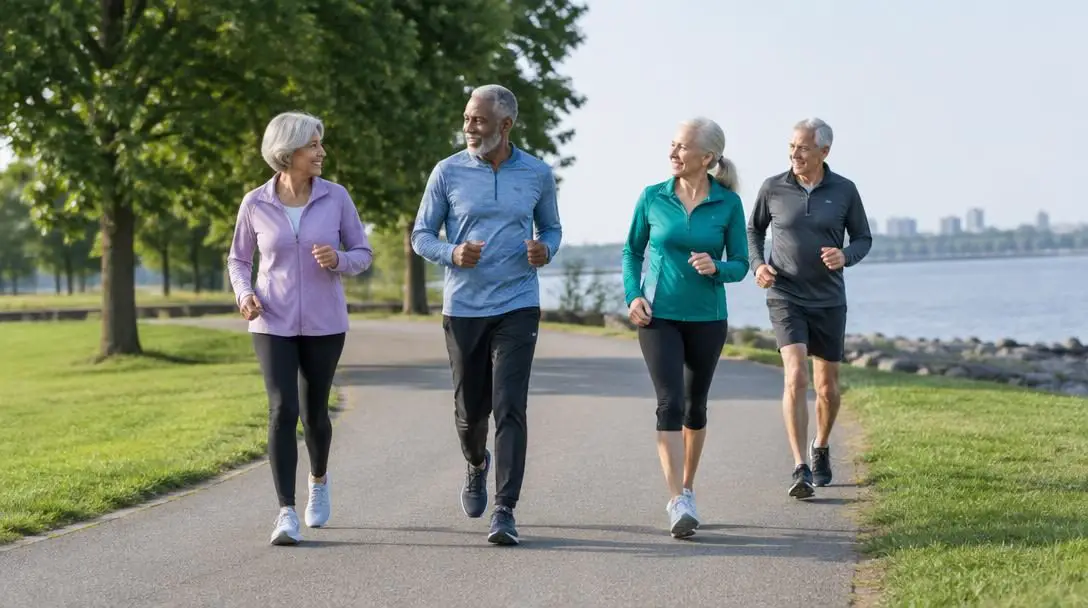
Consistent physical movement serves as a primary countermeasure against physical degradation, supporting healthy function throughout our later years.
Beyond heart health, low-impact exercise plays a vital role in neuromuscular conditioning. Workouts that require rhythmic footwork, directional shifts, or continuous balance training stimulate proprioceptive pathways—the sensory feedback systems that inform the brain of body position. Sharpening these pathways preserves balance and coordination, providing direct protection against accidental falls. Simultaneously, regular cardiovascular training stimulates neurochemical release in the brain, helping to reduce stress, elevate emotional well-being, and support cognitive vitality.
Five Recommended Low-Impact Workouts for Seniors
To help older adults achieve cardiovascular benefits without aggravating joint pain, fitness experts recommend five adaptable, low-impact exercises. Each activity provides unique physical and social benefits, making it easy to tailor an exercise plan to personal mobility levels.
| Exercise | Setting | Support Mechanism | Primary Musculoskeletal Benefit |
|---|---|---|---|
| Walking | Indoor or outdoor paths, treadmill | Ground contact maintained | Bone density and lower-body strength |
| Swimming | Indoor or outdoor pool | Water buoyancy | Full-body muscular control with zero joint impact |
| Cycling | Stationary bike, recumbent bike, smooth roads | Saddle and backrest support | Leg endurance and knee-friendly motion |
| Dancing | Studio, living room, community hall | Continuous foot-to-ground shifting | Dynamic balance, coordination, and flexibility |
| Chair Aerobics | Home chair, community class | Full seated support | Accessible conditioning without balance demands |
Walking
- Target Duration: At least 30 minutes daily
- Format: Outdoor routes or indoor treadmills
- Impact Level: Low impact, weight-bearing
Walking remains the cornerstone of senior fitness due to its accessibility, versatility, and minimal barrier to entry. Requiring no specialized athletic training, a daily brisk walk gently raises the heart rate into a moderate cardiovascular zone while stimulating bone density through weight-bearing contact. Seniors can complete their sessions outdoors in neighborhoods and parks, or indoors on a motorized treadmill when weather conditions are unfavorable. Starting with manageable distances and gradually building up duration or pace allows older adults to expand their endurance safely without overtaxing their joints or recovery reserves.
Swimming
- Primary Benefit: Near-weightless aerobic conditioning
- Best For: Arthritis and joint stiffness
- Activity Styles: Lap swimming, water aerobics, gentle pool movement
For seniors coping with chronic joint discomfort or degenerative joint disease, swimming represents an ideal exercise modality. The natural buoyancy of water counteracts the downward pull of gravity, unloading pressure from compressed spinal discs, hips, and knees. This aquatic environment permits a broader, pain-free range of motion while water resistance works muscles across the upper and lower body simultaneously. Engaging in continuous pool laps, guided water aerobics, or self-paced swimming routines enhances cardiovascular endurance, strengthens major muscle groups, and refines balance to lower fall risks on dry land.
Cycling
- Equipment Options: Upright stationary, recumbent, or road bikes
- Key Advantage: Smooth, circular pedal stroke with minimal impact
- Safety Note: Outdoor riding requires cautious navigation of terrain and traffic
Cycling offers an exceptional lower-body workout that builds quadriceps, hamstrings, and calf muscles while elevating heart performance. Because the pedaling action is smooth and continuous, the knees and ankles do not absorb harsh ground collisions. Many seniors find particular comfort using recumbent stationary bikes, which feature ergonomic bucket seats and supportive backrests that alleviate lumbar tension and eliminate fall hazards. Outdoor cycling remains an alternative for confident riders, provided they avoid rough terrain and congested roadways.
Dancing
- Styles: Line dancing, ballroom dancing, social group classes
- Physical Focus: Multi-planar movement, agility, and flexibility
- Mental Focus: Rhythm, social interaction, and mood elevation
Dancing combines cardiovascular exercise with artistic expression and community engagement. Moving to music naturally requires the body to travel in multiple planes of motion, challenging the nervous system to coordinate footwork, rhythm, and posture. Group sessions like ballroom or line dancing not only build aerobic endurance and joint flexibility, but they also provide rich social interactions that help combat isolation, alleviate emotional stress, and boost psychological health.
Chair Aerobics
- Intended Audience: Seniors with limited mobility or balance instability
- Delivery: Home workout videos or community center classes
- Core Goal: Elevated heart rate without standing fall hazards
Chair aerobics ensures that physical activity remains universally accessible, regardless of mobility limitations or chronic stability issues. By executing rhythmic upper- and lower-body movements from the security of a sturdy chair, participants completely eliminate the danger of falling while standing. These seated routines guide exercisers through arm reaches, seated leg lifts, torso rotations, and rhythmic marching, effectively driving cardiovascular adaptation, improving upper-body strength, and enhancing core flexibility.
How to Safely Start a Senior Cardio Routine
Embarking on a new physical fitness program should always follow a structured, cautious approach. Taking measured preparatory steps helps avoid early burnout, limits muscle strain, and sets the stage for a lasting fitness habit.
- Consult your healthcare provider: Meet with your physician or a medical specialist prior to beginning any fitness regimen. A healthcare professional can assess your medical history, review pre-existing health conditions, and provide clear parameters for safe intensity thresholds.
- Select activities you genuinely enjoy: Exercise adherence depends heavily on personal enjoyment. Whether you prefer the social setting of line dancing, the soothing qualities of swimming laps, or the fresh air of a morning neighborhood walk, choose exercises that bring personal satisfaction.
- Assemble supportive, comfortable gear: Wear breathable, non-restrictive garments that permit full joint mobility. Invest in well-fitting, supportive footwear that provides adequate arch support and stable grip to prevent slips or awkward foot strikes.
- Start at an easy pace: Honestly evaluate your baseline fitness and begin with modest durations and light intensity. Allow your body several weeks to adapt before gradually extending workout length or picking up your speed.
- Warm up before every session: Dedicate five to ten minutes to gentle, low-intensity movement before increasing your pace. Dynamic warm-ups gently elevate body temperature, lubricate joint cartilage, and prime the heart for exercise.
- Maintain continuous hydration: Drink water before, during, and after physical exertion. Keeping fluid levels replenished supports blood volume, wards off muscle cramps, and assists your body in regulating core temperature.
Common Mistakes to Avoid in Senior Fitness
Staying injury-free requires staying mindful of physical limitations and avoiding frequent errors that compromise safety:
- Progressing too quickly: Rushing to match past athletic performance or attempting advanced workout durations too soon can lead to severe muscle fatigue, tendon strain, or chronic overuse injuries.
- Skipping the preliminary warm-up: Engaging in aerobic effort with cold, stiff muscles places sudden strain on the cardiovascular system and elevates the danger of pulled connective tissues.
- Overlooking pre-existing health conditions: Failing to modify routines around personal medical diagnoses, such as osteoarthritis, hypertension, or spinal stenosis, can aggravate chronic symptoms.
- Ignoring adequate hydration: Aging often diminishes natural thirst cues, making it easy for older adults to become dehydrated without realizing it. Inadequate fluid intake frequently triggers dizziness, lightheadedness, and muscle cramping.
- Exercising in hazardous environments: Walking or cycling across cracked sidewalks, poorly lit paths, slick floors, or high-traffic roads dramatically increases the likelihood of catastrophic falls and collisions.
- Wearing worn or unsupportive shoes: Old footwear with degraded treads or compressed cushioning alters foot strike mechanics, transferring undue stress up into the knees, hips, and lower back.
- Pushing through sharp pain: While mild muscular effort and fatigue are normal sensations during exercise, sharp, burning, or stabbing joint pain is an unmistakable warning sign to stop immediately.
Progressing and Adapting Your Exercise Plan Over Time
As you maintain a consistent exercise routine over weeks and months, your body will naturally adapt. Workouts that initially felt demanding will begin to feel comfortable, indicating improved cardiovascular endurance, better muscular efficiency, and enhanced stamina. To sustain these health benefits, periodically evaluate your workouts and introduce gradual adjustments, such as slightly increasing your walking speed, adding a few minutes to your cycling routine, or completing an extra lap in the pool.
Flexibility in your workout planning is equally important. Physical capabilities can shift due to seasonal changes, minor injuries, or flare-ups of chronic conditions. If outdoor walking becomes difficult during winter months or across uneven ground, pivot smoothly to an indoor treadmill or try chair aerobics at home. If knee discomfort flares up during walking, transition temporarily to swimming or a recumbent bike to continue building aerobic capacity while giving weight-bearing joints a rest.
Finally, keep an ongoing dialogue open with your healthcare team. Use regular checkups to review your fitness habits, report any recurring aches, and confirm that your exercise intensity aligns with your current health profile. By listening to your body and adapting your routine as needed, you can enjoy the energizing benefits of cardiovascular fitness for years to come.
Frequently asked questions
How much cardio should older adults aim for each week?
A widely recommended goal is aiming for approximately 30 minutes of moderate-intensity exercise, such as brisk walking, on most days of the week. Those beginning a new fitness program can divide this time into smaller increments throughout the day, such as three 10-minute sessions, gradually working up to continuous exercise.
Why is low-impact exercise preferable to high-impact exercise for seniors?
Low-impact workouts ensure that at least one foot stays connected to the ground or the body remains supported by water or a seat. This design protects delicate joint cartilage, hips, and the spine from the intense vertical impact forces produced by running or jumping, allowing older adults to condition their cardiovascular system safely.
Which cardio exercise is best for an older adult with severe joint pain?
Swimming and water aerobics are exceptionally well-suited for individuals managing arthritis or chronic joint pain. Water buoyancy counteracts gravity, lifting the body's weight and permitting full-body movement without compressive force on the joints. Chair aerobics is another excellent, zero-impact alternative.
Is outdoor cycling safe for older adults?
Outdoor cycling is viable for seniors with good balance and reflex control, but it carries risks related to traffic, road obstacles, and uneven terrain. Older adults looking to eliminate fall hazards often choose stationary bikes or recumbent bikes, which offer sturdy backrests and secure seating.
How can seniors tell if they are dehydrated during exercise?
Because the sensation of thirst often diminishes with age, older adults may not feel thirsty even when their fluid levels drop. Key warning signs of dehydration during activity include sudden dizziness, fatigue, dry mouth, lightheadedness, and unexpected muscle cramping. Drinking water consistently before, during, and after workouts helps prevent this issue.
The bottom line
Prioritizing physical activity in your later years does not require exhausting high-impact workouts that strain aging joints. By selecting low-impact cardiovascular exercises like walking, swimming, cycling, dancing, or chair aerobics, seniors can safely improve heart function, preserve muscular strength, and reduce the risk of debilitating falls. Starting gradually, using proper equipment, and maintaining regular communication with a medical professional will help ensure a safe, sustainable journey toward lifelong mobility and independence.