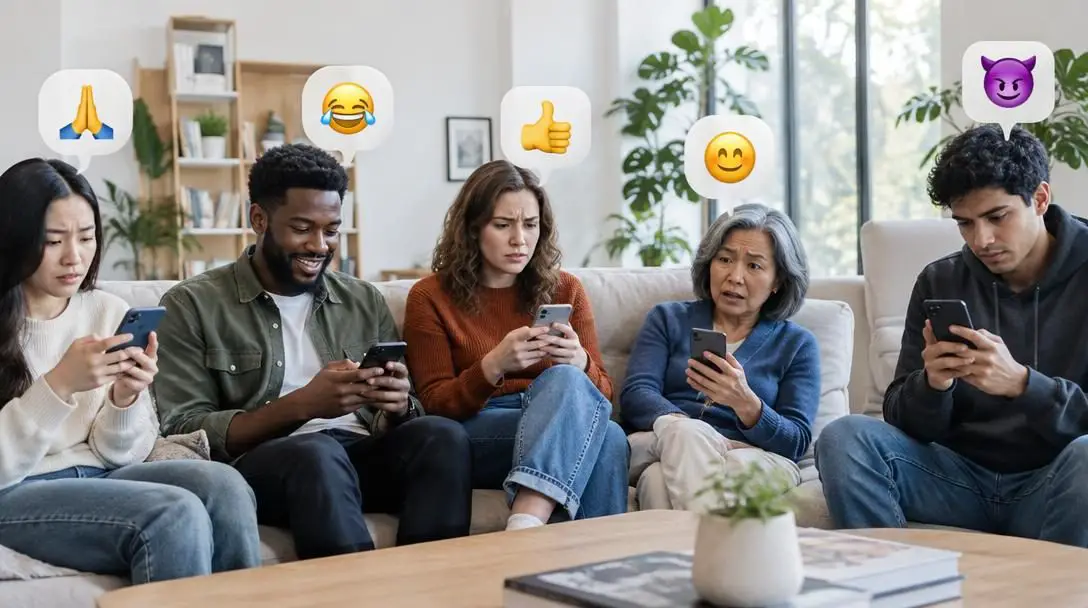
5 Emojis That Mean Totally Different Things To Different People
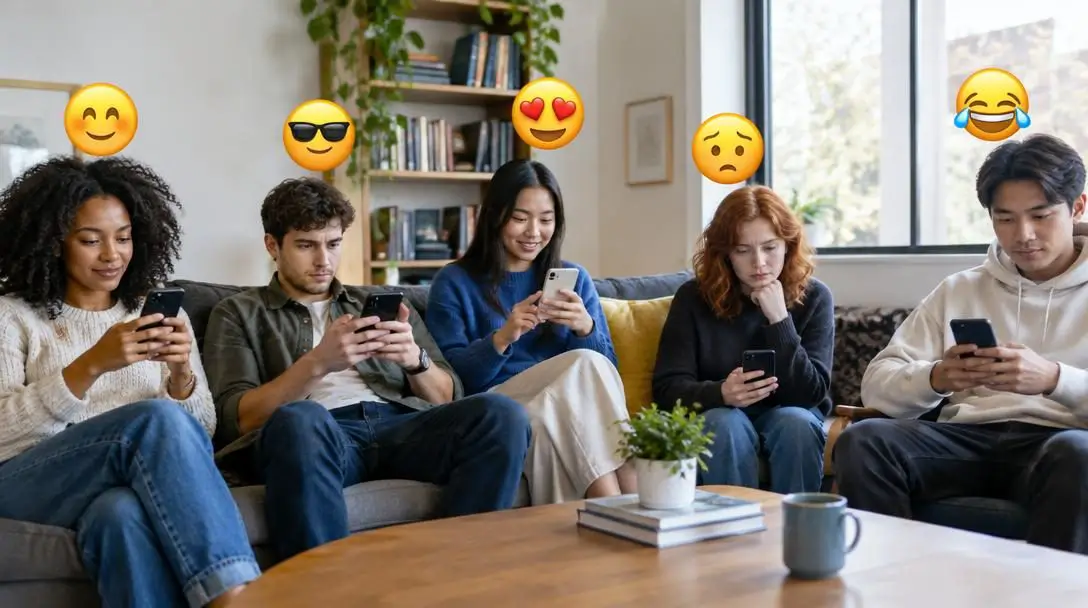
Emojis have grown from simple decorative icons into a ubiquitous digital shorthand across modern society. While some people actively try to dial back their usage, well over 90 percent of the world's population uses emojis on a daily basis, peppering them throughout casual family group chats, friendly messages, and routine workplace conversations. Yet despite their universal presence on smartphone keyboards, sending a visual symbol instead of written text carries unexpected risks.
Visual communication relies heavily on the recipient's personal background, peer group, generational demographic, and regional culture. An icon that feels like a polite acknowledgment to one person can easily read as passive-aggressive, offensive, or confusing to someone else. When sender intent clashes with audience interpretation, five popular emojis demonstrate just how rapidly digital meaning can diverge.
Key takeaways
- Over 90 percent of the global population uses emojis every day, yet distinct demographics often interpret the exact same graphic in contradictory ways.
- Generational gaps cause symbols like the thumbs up to signify polite agreement to older users while feeling dismissive or hostile to Generation Z.
- Cultural shifts, athletic traditions, and internet memes have transformed literal icons like the goat, the eggplant, and the peace sign into specialized shorthand.
- Official Unicode design intentions frequently fail in practice, turning symbols like the information desk person into emblems of sarcasm or confusion.
- Evaluating your recipient's background and choosing explicit written words over ambiguous graphics prevents unintended communication breakdowns.
Comparing the five most misunderstood emojis
Before examining how each visual symbol functions across different demographic groups, an overview shows the wide divergence between official design concepts, traditional uses, and modern interpretations.
| Emoji | Official or literal concept | Traditional interpretation | Alternative or modern meaning |
|---|---|---|---|
| Thumbs up | Sign of approval or agreement | Polite confirmation or "got it" | Passive-aggressive, low-effort, or hostile |
| Eggplant | Aubergine / culinary vegetable | Cooking and grocery recipes | Suggestive graphic for adult messaging |
| Peace sign | Hand gesture for peace and harmony | Tranquility and friendly farewell | Sarcastic dismissal, taunting, or insult |
| Goat | Domesticated horned farm animal | Energetic wildlife that jumps around | "Greatest of All Time" (G.O.A.T.) acronym |
| Information desk person | Help desk staff asking "How can I help you?" | Customer assistance inquiry | Sarcastic attitude, exhaustion, or "I have no idea" |
Five emojis that carry conflicting meanings
Every smartphone keyboard contains hundreds of tiny illustrations, but these five specific symbols demonstrate how easily generational shifts, subcultural slang, and ironic humor can hijack original meanings.
The Thumbs Up
- Traditional meaning: Direct acknowledgment, approval, or understanding
- Gen Z perception: Passive-aggressive, low-effort, or hostile
- Key research source: Emojipedia poll
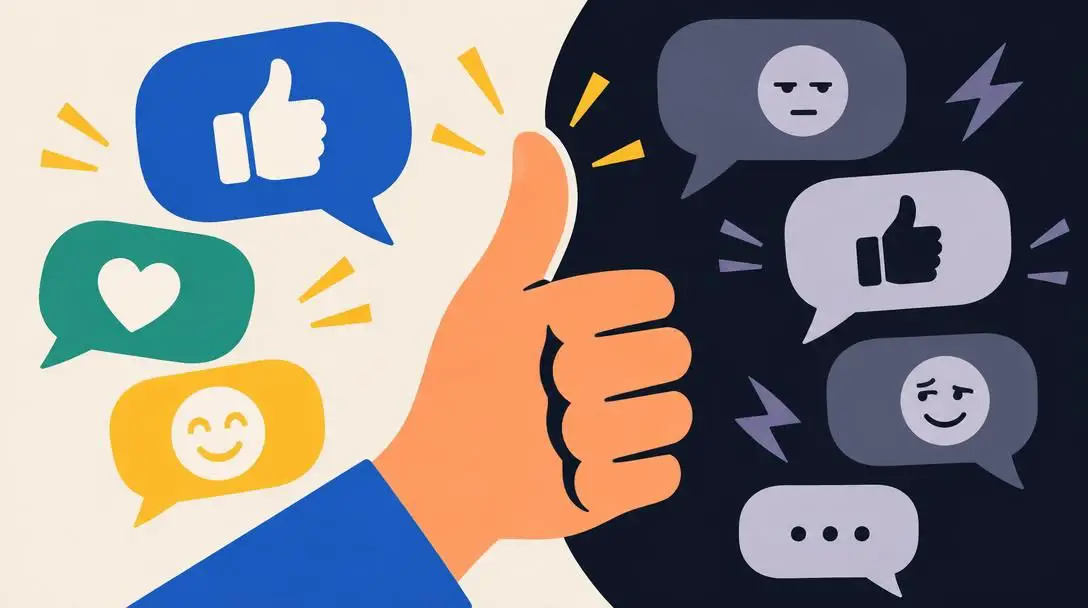
For decades, the physical thumbs-up gesture has stood as a straightforward sign of basic approval. When ported to digital keyboards, countless users adopted it as an efficient shortcut to mean "understood," "got it," or "sounds good to me." Older generations view the graphic as a constructive, harmless confirmation that keeps message threads moving without clutter.
However, younger demographics view the symbol through a very different lens. Members of Generation Z frequently perceive the single thumbs-up icon as a cold, backhanded communication style. In a major poll conducted by Emojipedia, Gen Z respondents flagged the graphic as overtly passive-aggressive. Rather than seeing a polite nod of agreement, younger texters often interpret a standalone thumbs up as an abrupt, low-effort brush-off or even an act of subtle hostility. Older colleagues and family members who rely on the symbol daily are often completely unaware of the friction it causes.
The Eggplant
- Year introduced: 2007
- Original role: Vegetable, cooking, and food recipes
- Cultural pivot: Early 2010s shift to suggestive messaging
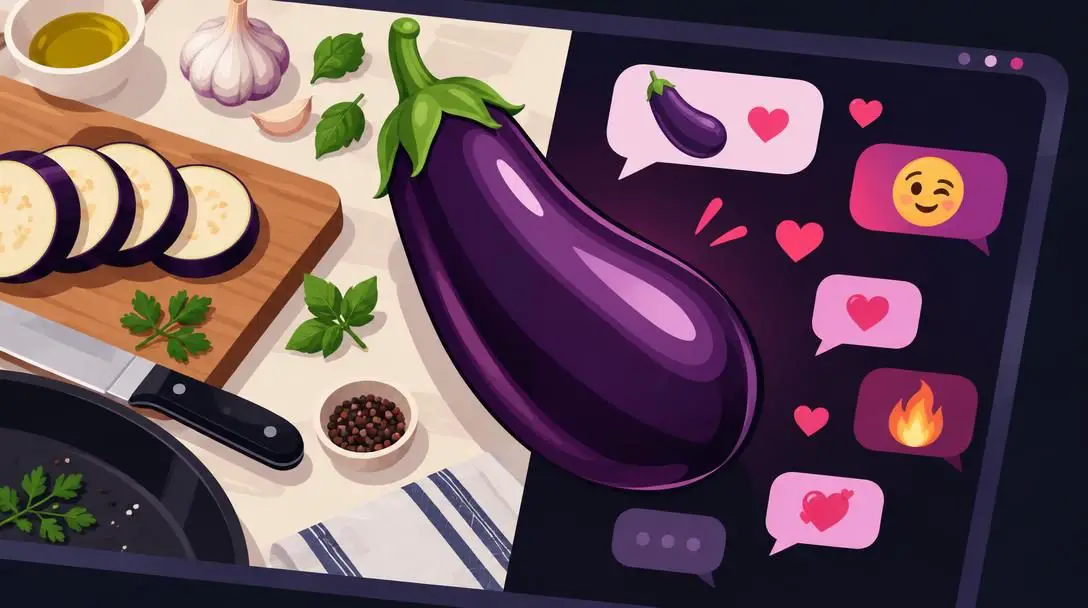
While the disconnect surrounding the thumbs up represents a shift driven by the youngest digital users, the eggplant emoji sits on the opposite end of the demographic spectrum. When the graphic first arrived on mobile devices in 2007, it was an obscure, rarely used icon primarily confined to discussions about grocery shopping, cooking, and plant-based recipes.
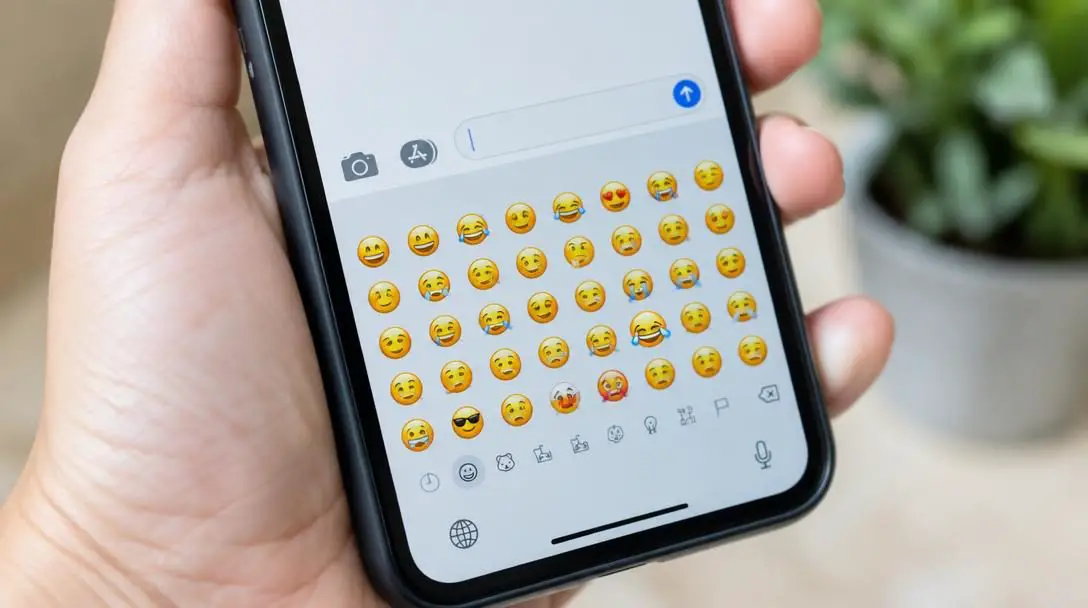
That innocence faded quickly. By the early 2010s, digital culture latched onto the illustration's suggestive physical contours, rapidly incorporating it into adult conversations and romantic messaging. Today, the eggplant is deployed almost exclusively in that suggestive capacity across internet culture. Virtually all age groups recognize this secondary meaning, leaving only the very elderly unaware. When older relatives innocently include the purple vegetable in a recipe text, they often produce inadvertent hilarity or acute embarrassment.
The Peace Sign

- Historical meaning: Love, tranquility, and harmony
- Regional variations: Offensive gesture in Australia and Ireland
- Modern usage: Sarcastic exits, athletic taunts, and "the deuces"
Historically recognized across the United States as an emblem of peace, goodwill, and counterculture solidarity, the physical two-finger sign has evolved into a complicated visual cue. Even before mobile messaging existed, the gesture carried sharply conflicting regional meanings: in countries like Australia and Ireland, flashing the two fingers outward can serve as an offensive insult akin to displaying the middle finger.
In modern digital messaging, the peace sign emoji has largely shed its earnest desire for universal harmony. Users routinely employ the graphic sarcastically to signal a sharp, abrupt goodbye. This behavior has transferred directly into physical interactions, where individuals in heated arguments flash "the deuces" while walking away to deliver a parting barb. The gesture has even become a high-profile athletic taunt. During the Super Bowl, wide receiver Tyreek Hill, celebrated for flashing the peace sign as a signature touchdown celebration, found himself on the receiving end when an opponent flashed the exact same gesture right back at him.
A visual symbol that represents a sincere desire for peace in one community can easily function as a hostile insult or sarcastic dismissal in another.
The Goat

- Literal subject: Energetic farm animal known for jumping
- Subcultural meaning: Greatest of All Time (G.O.A.T.)
- Associated sports icons: Michael Jordan, Tom Brady, and Lionel Messi
Few emojis highlight subcultural divides as clearly as the goat. To active sports enthusiasts who spend their weekends following competitive leagues, sending the goat graphic represents the ultimate compliment. It functions as the visual representation of the popular sports acronym G.O.A.T., meaning "Greatest of All Time." Sports fans endlessly plaster the icon under social media posts celebrating legendary athletic icons such as Michael Jordan, Tom Brady, and Lionel Messi.
To people outside athletic circles, however, the graphic has no connection to competitive dominance. Non-sports fans see only a farm animal admired for being an energetic, amusing creature that entertains onlookers by hopping around pastures. Without familiarity with athletic jargon, sending a goat to a friend or coworker to praise their hard work can leave the recipient entirely baffled about why they are being compared to livestock.
The Information Desk Person

- Official design role: Customer service representative asking "How can I help you?"
- Visual posture: Person with left hand tilted upward, palm to the sky
- Actual popular usage: Expressing "I have no idea," sassy indifference, or exhaustion
Widely regarded as one of the most confusing illustrations in the standard Unicode character set, the information desk person depicts a figure holding one hand upward with an open palm facing the ceiling, much like a server balancing an invisible tray. The designers intended the icon to portray a helpful receptionist or desk clerk courteously inquiring, "How can I help you?"
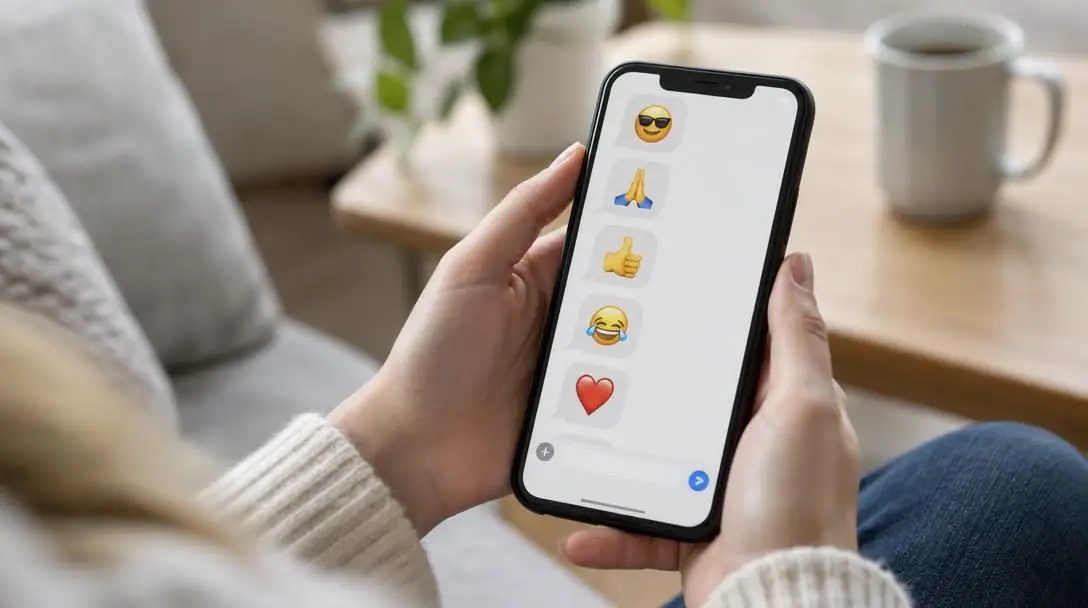
In real-world application, that original intention has been abandoned entirely. Digital users almost never send the graphic to signify customer support or polite assistance. Instead, it has become a visual proxy for an expressive shrug meaning "I have no idea," a gesture of sassy nonchalance, or a display of deep exhaustion with someone else's unreasonable behavior. If you ask smartphone users worldwide if they have ever deployed the icon for customer assistance, nearly all will confirm they have never once used it for its official purpose.
How misinterpretations develop across different audiences
The stark divide between an emoji's intended message and its received interpretation is rarely random. Digital symbols develop conflicting definitions through specific social and linguistic mechanisms:
- Generational gaps: Digital norms shift rapidly among younger demographics who invent new slang, whereas older groups continue to use graphics according to the literal definitions they learned first.
- Subcultural acronyms: Specialized communities create private lexicons, such as sports enthusiasts applying the G.O.A.T. acronym to great athletes while non-fans remain oblivious.
- Visual ambiguity: Flat illustrations that lack explicit context force senders and recipients to interpret body language independently, leading to divergent reads like the information desk person's pose.
- Contextual sarcasm: Internet humor routinely takes earnest, polite symbols and deploys them ironically until the sarcastic usage overtakes the original meaning.
- Cross-cultural history: Hand gestures hold deeply entrenched regional histories that predate smartphones, meaning signs that represent harmony in the United States can constitute an offensive insult in Ireland or Australia.
Practical steps for choosing the right emoji
Navigating digital conversations without causing offense or confusion requires deliberate thought. Senders can protect their personal and professional communications by following a structured decision process.
- Assess your relationship with the recipient: Gauge the level of formality required, making sure to distinguish between casual chats with close friends and formal business discussions with clients or managers.
- Observe the other person's messaging habits: Check whether your conversation partner sticks to clear, literal written language or actively relies on informal visual symbols.
- Account for generational perspectives: Keep in mind that younger peers may view standard acknowledgments like the thumbs-up emoji as passive-aggressive, low-effort, or dismissive.
- Switch to written words for critical details: When discussing sensitive workplace matters, strict project deadlines, or complex feedback, type explicit phrases instead of relying on open-ended graphics.
- Restrict specialized jargon to familiar groups: Limit sports-centric symbols like the goat to contacts who actively follow athletic debates and recognize the G.O.A.T. acronym.
- Omit adult-associated graphics from work channels: Completely exclude food graphics that carry sexual connotations, such as the eggplant, from any professional workplace environment or formal message chain.
- Clarify your tone with explicit phrasing: If there is any possibility that an image could be interpreted as sarcastic, snarky, or impatient, pair it with a brief explanatory sentence.
Common mistakes to avoid in everyday messaging
Even experienced smartphone users frequently stumble into communication pitfalls when using visual icons. Avoiding these common habits will keep digital interactions smooth and productive:
- Assuming universal agreement: Believing an emoji carries an identical definition across every age group, cultural background, and geographic territory.
- Relying on one-tap confirmations: Sending a solitary thumbs-up graphic to younger colleagues who may perceive the gesture as cold, lazy, or hostile.
- Using icons for customer service: Relying on the information desk person to communicate helpful customer assistance when audiences interpret it as confusion or sarcasm.
- Escalating tense exchanges: Dropping a peace sign into a heated discussion without recognizing that contemporary culture views "the deuces" as an arrogant, taunting exit.
- Overlooking international taboos: Sending peace-sign graphics to contacts in Australia or Ireland where outward-facing finger gestures can cause severe offense.
- Misplacing culinary graphics: Inserting the eggplant into non-cooking workplace chats, causing immediate awkwardness due to its established adult associations.
- Masking poor writing with graphics: Hoping a cartoon graphic will clarify ambiguous text, rather than recognizing that visual shorthand often magnifies confusion.
Frequently asked questions
Why does Generation Z view the thumbs-up emoji as hostile?
According to an Emojipedia poll, members of Generation Z often perceive the thumbs-up icon as a low-effort, passive-aggressive reply. While older generations treat it as a polite confirmation meaning "understood" or "got it," younger users tend to see a standalone thumbs up as an abrupt, dismissive brush-off lacking genuine warmth.
What was the information desk person emoji originally meant to represent?
The information desk person was originally designed to depict a helpful reception or customer support worker politely asking, "How can I help you?" In practice, users around the world have abandoned that intended purpose, deploying the icon instead to convey sarcastic attitude, deep exhaustion, or an expressive shrug meaning "I have no idea."
When did the eggplant emoji develop its adult meaning?
The eggplant emoji was first introduced in 2007 as a standard culinary icon meant for grocery lists and recipes. By the early 2010s, internet and digital messaging culture took notice of its suggestive visual shape, leading users to adopt it almost exclusively for adult and flirtatious conversations.
Why is the goat emoji associated with sports icons?
In athletic communities, the goat emoji represents the acronym G.O.A.T., which stands for "Greatest of All Time." Sports fans routinely post the animal symbol when debating or celebrating legendary figures such as Michael Jordan, Tom Brady, and Lionel Messi. Outside sports contexts, non-fans typically view the graphic as a literal farm animal.
Where can the peace sign hand gesture be considered offensive?
While the peace sign carries positive associations of harmony and tranquility in the United States, displaying the physical two-finger gesture outward in countries such as Australia and Ireland has long been treated as an offensive insult similar to the middle finger. Furthermore, modern digital use frequently treats it as a sarcastic exit.
The bottom line
As modern society continues to conduct both personal relationships and high-stakes business operations over digital messaging networks, the language of visual symbols will keep changing. Simple icons do not exist in a vacuum; they absorb the humor, regional dialects, athletic jargon, and generational habits of the people who send them. What begins as an innocent vegetable or a polite gesture of agreement can easily transform into suggestive slang or a passive-aggressive dismissal within just a few short years.
Preventing digital misunderstandings does not require giving up emojis altogether. Instead, it demands mindful communication: considering the age and cultural perspective of your recipient, remaining aware of evolving internet slang, and relying on clear, written sentences whenever tone and clarity matter most.