
5 Essential Tips To Survive The Coming Zombie Apocalypse
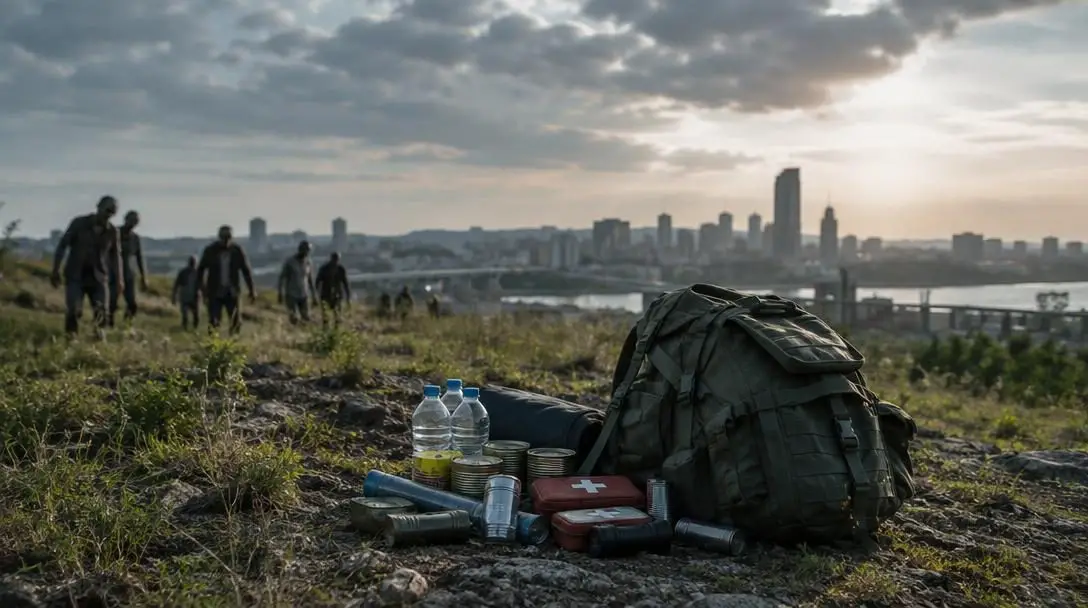
While tales of reanimated corpses have captivated readers since the early 19th century, the concept of a full-scale zombie apocalypse entered mainstream culture through the groundbreaking horror cinema of the late 1960s and early 1970s. George Romero’s iconic film Night of the Living Dead forced audiences to confront a terrifying hypothetical: what happens when standard social systems collapse overnight and the dead walk the Earth? Over the decades, modern productions like The Walking Dead and Zombieland expanded that nightmare into detailed survival epics, illustrating the devastating speed of municipal breakdown, infrastructure failure, and the violent scramble for dwindling resources.
Beyond cinematic thrills, zombie survival scenarios offer a remarkably effective template for real-world disaster preparedness. Whether facing extreme weather, environmental toxicity, or catastrophic public health emergencies, the operational fundamentals remain identical. Throughout history, events from the devastating historical plague to the COVID-19 pandemic of the early 2020s have proven how rapidly contagious biological threats travel through dense human networks, abruptly ending normal supply chains. Mastering these five survival strategies provides the exact practical mindset needed to turn blind panic into calculated resilience when modern systems suddenly go dark.
Key takeaways
- Modern grocery deliveries and municipal utilities will collapse immediately, requiring an immediate transition to self-sustained pantry stockpiles and long-term home agriculture.
- Securing clean, uncontaminated water is the absolute baseline for drinking, food preparation, crop hydration, and the strict hygiene required to stop secondary infections.
- A dedicated trauma and defense emergency kit containing tourniquets, bandages, disinfectants, medications, and weapons prevents routine injuries from becoming fatal.
- Mobility demands ruthless prioritization: traveling light preserves physical stamina, reduces noise, and ensures rapid evasion of infected hordes.
- Strict risk mitigation—including routine hand washing, treating every drop of water, and keeping absolute distance from infected or deceased bodies—is essential to surviving an outbreak.
How Survival Strategy Functions in an Outbreak Scenario
Modern civilization thrives on the convenience of uninterrupted logistics. With a single tap on a smartphone, groceries, medicine, and dry goods can appear at a front doorstep within hours. In a catastrophic contagion event, that delicate supply chain disintegrates almost instantaneously. Surviving an outbreak requires replacing immediate consumption with an intentional cycle of preservation, resource management, tactical security, and continuous sanitation.
Survival strategy requires shifting from a model of immediate consumption to a cycle of preservation, rationing, protection, and sustainability.
To navigate this disruption without succumbing to chaos, survivors must align their daily activities around four operational tiers:
- Resource Stabilization: Fortifying an immediate perimeter and cataloging all existing non-perishable provisions so there is zero need to step outside into dangerous public spaces during the volatile first wave.
- Sanitation and Health Maintenance: Protecting the body against biological hazards, including waterborne parasites, bacterial contaminants, and infected bodily fluids that lead to secondary illnesses.
- Mobility Management: Limiting all outdoor travel to strictly necessary reconnaissance or foraging expeditions, using silence and lightweight equipment to avoid alerting hostile threats.
- Risk Mitigation: Enforcing disciplined protocols around hygiene, travel routes, and defense so that minor oversights do not cascade into fatal systemic errors.
The 5 Essential Survival Guidelines at a Glance
Prioritizing survival actions under extreme pressure is difficult without an organized framework. The following comparison outlines the primary function, core resources, and critical risks associated with each essential survival guideline.
| Survival Guideline | Primary Strategic Function | Key Equipment or Actions | Primary Hazard Mitigated |
|---|---|---|---|
| Stock Preserved Foods | Long-term nutritional security | Canned goods, dried staples, crop seeds | Starvation after supply chains fail |
| Have a Water Supply | Hydration, sanitation, and crop care | Sanitized containers, purifiers, filters | Deadly parasites and biological contamination |
| Have an Emergency Kit | Trauma control and defense | Bandages, disinfectants, tourniquets, weapons | Untreated wounds and violent encounters |
| Travel Light | Stealth and rapid overland mobility | Streamlined rucksack, multi-use tools | Physical exhaustion and cornering by hordes |
| Don’t Take Risks | Biological defense and error avoidance | Regular bathing, hand hygiene, distancing | Preventable infectious disease transmission |
Core Guidelines: 5 Essential Tips to Survive the Coming Zombie Apocalypse
When municipal infrastructure fails and the threat of infected hosts emerges, survival relies entirely on personal preparation and adherence to strict protocols. These five foundational guidelines govern how you manage food, water, medical emergencies, overland movement, and day-to-day risk management.
1. Stock Up on Preserved and Canned Foods
The modern luxury of well-stocked supermarkets and on-demand grocery delivery vanishes the moment social order breaks down. Securing a sustainable food reserve is the first line of defense against starvation. In the immediate aftermath, your pantry must rely entirely on non-perishable goods that require no refrigeration or electrical cooling. Focus on assembling a dense inventory of canned meats, vegetables, fruits, legumes, and dried provisions that can endure years on a shelf without losing nutritional integrity.
However, stockpiled packaged goods can only serve as a temporary bridge. Regardless of how well you pack your storage room, factory-sealed rations will inevitably dwindle over months and years of sustained disruption. A truly durable survival plan requires mastering basic agriculture. Learning how to plant, cultivate, and harvest hardy crops gives your shelter an indefinite food lifeline long after the last can of preserved beans has been consumed.
2. Have a Water Supply
Access to safe, potable water remains a fundamental challenge in parts of the modern world, and in an apocalypse, municipal water infrastructure will fail completely. When pressure drops and treatment plants go offline, open reservoirs, streams, and standing water become lethal contamination zones filled with toxic runoff, waterborne parasites, and biological matter from decomposing or infected entities. Drinking untreated fluid in this environment invites debilitating gastrointestinal illness that can incapacitate a survivor within days.
Establishing an uncompromised water cache is essential for more than just personal hydration. A reliable reserve must provide enough volume for food rehydration, cooking, personal bathing to ward off secondary skin infections, and the regular irrigation needed to keep your survival crops alive. Treating every collected gallon through filtration or chemical purification before it touches your lips or skin is non-negotiable.
3. Have an Emergency Kit
Medical emergencies present serious dangers even during ordinary times, but in an apocalyptic landscape populated by relentless, flesh-eating infected, a minor injury can quickly escalate into a death sentence. Standard hospitals, urgent care centers, and emergency services will not be operational. If you or a member of your group sustains a deep laceration, fracture, or puncture wound during an encounter, having immediate access to specialized medical equipment is the difference between survival and death.
A comprehensive emergency kit must be portable, weatherproof, and organized for rapid deployment under stress. Key contents include:
- Sterile bandages and dressings: Necessary for sealing lacerations, absorbing fluids, and shielding open tissue from airborne pathogens.
- Wound disinfectants: Essential chemical agents to flush out dirt, bacteria, and viral fluids before severe sepsis develops.
- Rapid-action tourniquets: Vital tools for halting catastrophic arterial blood loss in limbs caused by blunt trauma, bites, or sharp debris.
- Prescription and essential medications: A supply of broad-spectrum antibiotics, pain management drugs, and therapies for ongoing health conditions.
- Dependable defensive weapons: Practical gear designed to neutralize aggressive threats and protect your living perimeter or expedition pathways.
4. Travel Light
Whether you adopt an agile, nomadic lifestyle or remain sheltered in a fortified base and only leave for periodic scavenging runs, mobility is your greatest physical shield. Overpacking out of fear or sentimentality is one of the most dangerous mistakes an individual can make. Bulky, heavy rucksacks drain caloric energy, slow down your reaction times, and make it virtually impossible to sprint or climb to safety if an ambush occurs.
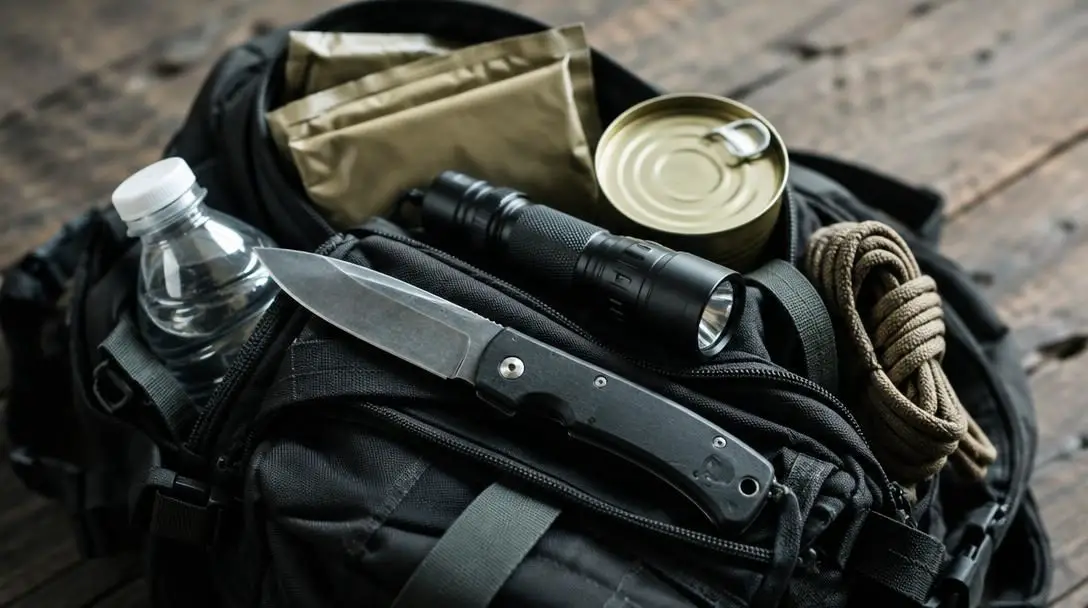
Every ounce carried on an expedition must serve an active survival role. When venturing beyond safe perimeters, strip your pack down to core essentials: lightweight preserved rations, durable water bottles paired with portable purifiers, a primary defensive weapon, a streamlined medical kit, a single spare set of weather-appropriate clothing with rugged footwear, and a working communication device if signals remain active. Move with deliberate stealth, use natural foliage and structural shadows for concealment, and make as little acoustic noise as possible to avoid drawing the attention of nearby hordes.
5. Don’t Take Risks
The time-tested proverb "it’s better to be safe than sorry" becomes an absolute law of survival during an epidemic of catastrophic infectious disease. Careless curiosity, reckless bravado, or cutting corners on safety protocols will produce sudden, irreversible consequences. The human immune system cannot protect against unknown pathogens without active defense, a reality underscored throughout history by events like the historical plague and the early 2020s pandemic.

Risk mitigation requires building disciplined hygiene habits into your daily routine. Wash your hands thoroughly, bathe regularly, and inspect everything you consume to confirm it has been cooked or purified. Above all, maintain strict physical distance from any infected, visibly ill, or deceased humans and animals. Keeping a wide, impenetrable buffer zone between your group and potential vectors remains the single most effective method for staying alive.
Step-by-Step Defense and Supply Setup
Transforming these core principles into a functioning shelter requires a systematic process. By breaking down your preparations into actionable milestones, you can build a resilient, fortified household before an active emergency isolates you from community resources.
- Audit your current pantry: Inspect your cupboards and isolate all non-perishable foodstuffs with distant expiration dates. Organize canned proteins, vegetables, and dry staples into accessible storage zones, ensuring you possess multiple manual, non-electric can openers.
- Establish water infrastructure: Store potable water in clean, food-grade storage containers placed in a cool, dark environment away from direct sunlight. Procure high-capacity mechanical water filters and chemical purification tablets capable of eliminating biological hazards from open reservoirs.
- Assemble the emergency bag: Pack sterile bandages, wound disinfectants, tourniquets, critical medications, and dependable defensive weapons into a rugged, modular pack. Arrange trauma equipment in external pouches so life-saving tools can be deployed in seconds.
- Plan an agricultural plot: Secure a private, well-lit parcel of land or indoor container gardening space with fertile soil. Stockpile non-hybrid, heirloom seeds, durable hand tools, and a dedicated secondary water supply to sustain multiple crop yields once packaged rations are depleted.
- Run a gear weight check: Load your travel pack with only the mandatory survival essentials: food, water purification, one clothing change, one spare pair of sturdy footwear, defense tools, and trauma supplies. Wear the pack continuously for an hour-long walk to verify that you can travel quietly and swiftly without premature fatigue.
Common Survival Mistakes to Avoid
When panic sets in, even well-intentioned survivors often make critical judgment errors that endanger their long-term security. Being mindful of these frequent missteps will help preserve your supplies and keep your shelter secure.
- Hoarding perishable goods: Filling valuable storage areas with meat, dairy, or fresh produce that rots within days of a grid failure creates biohazards and wastes critical space that should be allocated to canned goods.
- Neglecting routine personal hygiene: Prioritizing perimeter defense while ignoring basic hand washing, dental care, and bathing allows preventable bacterial and fungal infections to cause severe illness.
- Overpacking for expeditions: Attempting to carry unnecessary personal luxuries adds excessive weight, turning simple supply runs into exhausting ordeals that leave you vulnerable to sudden attack.
- Drinking untreated water: Trusting clear mountain streams, collected rainwater, or municipal taps after utilities collapse exposes you to debilitating parasites and biological contamination.
- Ignoring physical distancing: Approaching unfamiliar individuals, injured wanderers, or deceased bodies without protective protocols risks exposure to lethal infectious agents that can wipe out your entire camp.
Long-Term Outbreak Considerations
Navigating the opening days of an outbreak preserves your immediate life, but surviving over multiple years demands a broader strategic vision. Isolation offers security during the initial shock, yet prolonged survival as a lone individual is physically and mentally exhausting. Maintaining continuous watch, hunting, farming, and managing repairs alone will inevitably lead to burnout. Over time, you must carefully evaluate the possibility of forming alliances with other disciplined, uninfected survivors who share strict hygiene and defense standards.
Agricultural self-sufficiency must also mature beyond simple backyard gardening. Long-term stability requires understanding crop rotation, companion planting, natural pest deterrence, soil enrichment, and seed saving to guarantee successful harvests year after year. Finally, always maintain passive listening capabilities through shortwave or hand-crank radios. Monitoring regional broadcasts provides crucial intelligence on hazardous environmental conditions, horde movements, and the establishment of stable, pathogen-free safe zones.
Frequently asked questions
Why are canned foods preferred over standard emergency rations?
Canned goods are completely sealed, protecting food from ambient biological contamination, insects, and moisture. They remain safe to eat for years without electrical refrigeration, can be consumed cold if fire is impossible, and provide immediate hydration along with calories.
How much water is needed per person in an apocalypse scenario?
While basic drinking requirements average a half-gallon to a gallon per day, a complete survival setup requires additional volume for rehydrating dried provisions, personal bathing to prevent bacterial skin conditions, and irrigating food crops.
What is the most critical item to include in an emergency medical kit?
While sterile bandages and wound disinfectants are essential for cleaning everyday lacerations, a reliable tourniquet is the most critical trauma tool for rapidly stemming life-threatening arterial blood loss from limbs during violent encounters or structural accidents.
How can you tell if an outdoor water source is safe to drink?
During an outbreak scenario, you must assume that no open water source is safe. Runoff, rotting biological matter, parasites, and municipal sewer overflows will contaminate rivers and taps, meaning every drop must be boiled, filtered, or treated with purification chemicals before use.
What is the primary danger of traveling with a heavy backpack?
Heavy loads drain vital physical energy, slow your walking and running speed, and produce loud acoustic signatures on rough terrain. If surprised by hostile threats or infected hordes, an overloaded survivor cannot climb, dodge, or sprint away effectively.
Why is personal hygiene considered a primary survival strategy?
Historical disasters and pandemics, such as the plague and the early 2020s COVID-19 pandemic, demonstrated that microscopic pathogens are often deadlier than visible external hazards. Regular washing, clean eating, and maintaining physical distance prevent incapacitating bacterial and viral illnesses.
The Bottom Line
The cinematic lore of the zombie apocalypse—from George Romero’s foundational 1968 classic to modern survival television—provides more than thrilling entertainment; it offers a compelling mental simulation for catastrophic collapse. When modern conveniences like home delivery, running tap water, and emergency medical services disappear, survival rests entirely on personal readiness, tactical restraint, and disciplined hygiene. By building a sustainable food inventory, securing clean water, equipping a trauma-ready emergency kit, traveling light, and refusing to take unnecessary risks, you can successfully navigate the chaos of an outbreak and protect your household for the long road ahead.