5 Gadgets Every Hiker Needs
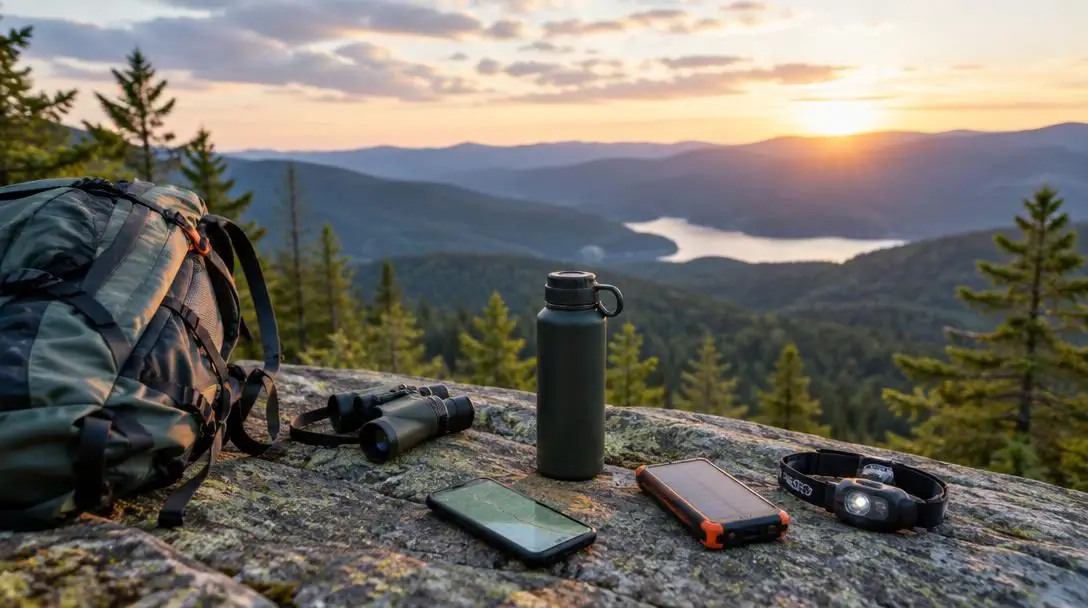
Tens of millions of people across the United States consider hiking to be their favorite outdoor pursuit, drawn by an incredible diversity of terrain that spans gentle community nature trails to rugged mountain ascents. Part of the enduring appeal of hiking is its sheer accessibility: anyone with a basic pair of shoes and a free afternoon can venture outside without spending a fortune. It is an egalitarian recreation where nature provides the backdrop, the challenge, and the reward.
Yet stepping into the wilderness also exposes travelers to unpredictable environments, shifting weather patterns, and physical strain. While simplicity is a virtue on the trail, relying solely on good fortune can turn a refreshing excursion into an ordeal. Equipping yourself with targeted, dependable gear bridges the gap between vulnerability and confidence, transforming strenuous climbs into comfortable, safe, and memorable adventures. Investing in a core collection of proven gadgets ensures that whenever unexpected hurdles emerge, you possess the exact resources necessary to manage them.
Key takeaways
- Carrying a durable multi-tool provides versatile mechanical problem-solving for unexpected gear malfunctions or shelter repairs.
- Dedicated handheld GPS units offer high-precision mapping and superior battery longevity compared to standard smartphones.
- Packing dual lighting sources—including a hands-free headlamp—prevents disorientation if trail delays extend into nighttime.
- Trekking poles redistribute physical strain away from leg joints while improving stability across slick or uneven terrain.
- Carrying a compact emergency shelter safeguards against severe weather exposure during unplanned overnight trail delays.
Essential trail gadgets at a glance
While gear preferences vary depending on individual experience and destination, certain tools address universal challenges encountered across diverse environments. The table below outlines how these foundational items compare in role, expense, and protective value.
| Trail gadget | Estimated price range | Primary trail role | Key functional benefit |
|---|---|---|---|
| Multi-Tool | $40 to $150+ | Field repairs and task management | Consolidates pliers, blades, and openers in one pocketable housing |
| Dedicated GPS Device | $100 to $600 | Wayfinding and track logging | Accurate down to the square foot with dedicated battery reserves |
| Reliable Lighting | $15 (headlamp) to $100 (flashlight) | Illumination and signaling | Hands-free navigation and safety in low-light or night conditions |
| Trekking Poles | $30 to $100 | Joint relief and kinetic balance | Transfers uphill workload to upper body and stabilizes steps |
| Portable Shelter | Varies by model | Thermal and environmental protection | Defends against wind, rain, and hypothermia during emergency stops |
Five gadgets every hiker should carry
Each piece of equipment in a hiker's pack should earn its weight by solving specific hazards or conserving precious physical energy. The following five tools represent the bedrock of an adaptable outdoor kit.
The Multi-Tool
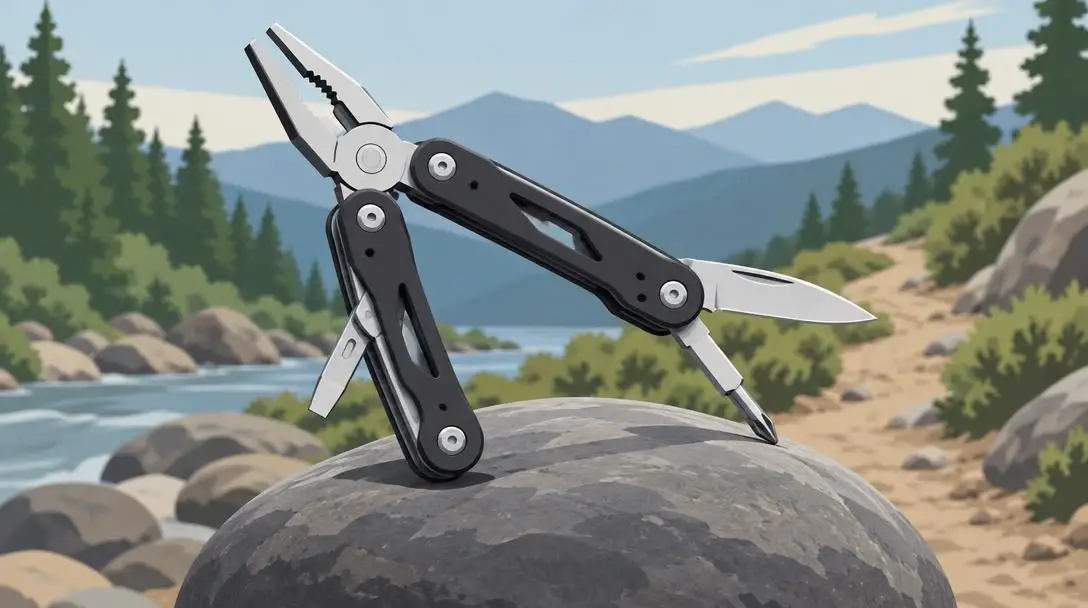
- Price range: $40 to upward of $150
- Standard implements: Pliers, wire strippers, bottle openers, cutting blades
- Form factor: Compact folding pocket hardware
A multi-tool is the quintessential preventative gadget: you may traverse multiple trails without touching it, but when an unexpected equipment failure occurs, its absence is immediately felt. Modern multi-tools pack a remarkable breadth of functionality into a single, compact chassis that slides effortlessly into a trouser pocket or pack lid. High-quality variants frequently incorporate needle-nose pliers, wire strippers, serrated or fine-edge blades, screwdrivers, and bottle openers.
Although an average trekker might only deploy one or two functions during a typical outing, the unpredictable nature of backcountry travel means you cannot foresee which tool will be required. Pliers can extract stubborn trail thorns or bend a damaged zipper pull back into shape, while integrated blades handle everything from trimming adhesive bandages to shortening utility cord. Well-rated entry models typically cost between $40 and $50, offering dependable utility for casual weekend walks. For those traversing isolated wilderness routes, professional-grade models reaching upwards of $150 deliver hardened alloys, locking mechanisms, and superior corrosion resistance that can last a lifetime.
Dedicated GPS Device
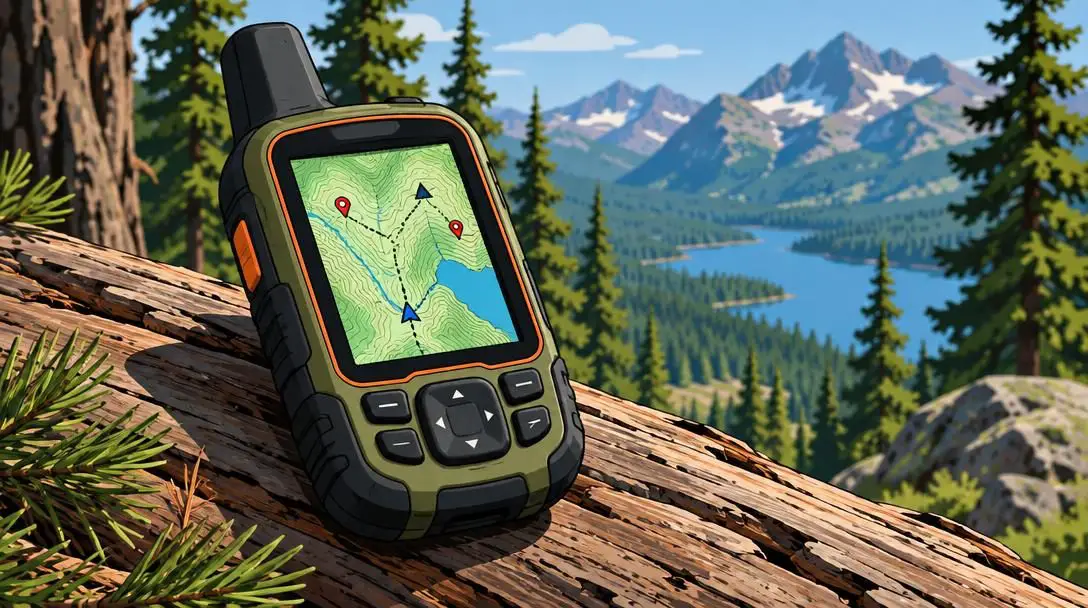
- Price range: $100 to $600
- Annual incident rate: Around 2,000 lost hikers annually
- Accuracy capability: Precise down to the square foot
Well-traveled trails often feature beaten paths and clear signage, making major navigational errors unlikely as long as you adhere strictly to the blazes. However, curiosity, unmarked junctions, blowdowns, or tempting viewpoints often lure hikers off designated routes. Disorientation occurs rapidly once familiar landmarks vanish. Approximately 2,000 hikers become lost every year, and in nearly every case, those individuals either lacked a dedicated navigation device entirely or carried a smartphone whose battery had run completely flat.
Handheld GPS devices are engineered specifically to survive harsh environmental exposure. The finest units in the outdoor sector communicate with satellite constellations to pinpoint your coordinates down to the square foot, independent of cellular reception. While consumer smartphones perform adequately for basic urban wayfinding, running continuous satellite tracking and high-brightness mapping apps drains small phone batteries rapidly. A standalone GPS unit features specialized power management to operate for extended hours. Priced between $100 and $600 depending on features like satellite messaging or topographic mapping, a dedicated receiver serves as an unyielding insurance policy against getting lost.
Reliable Lighting
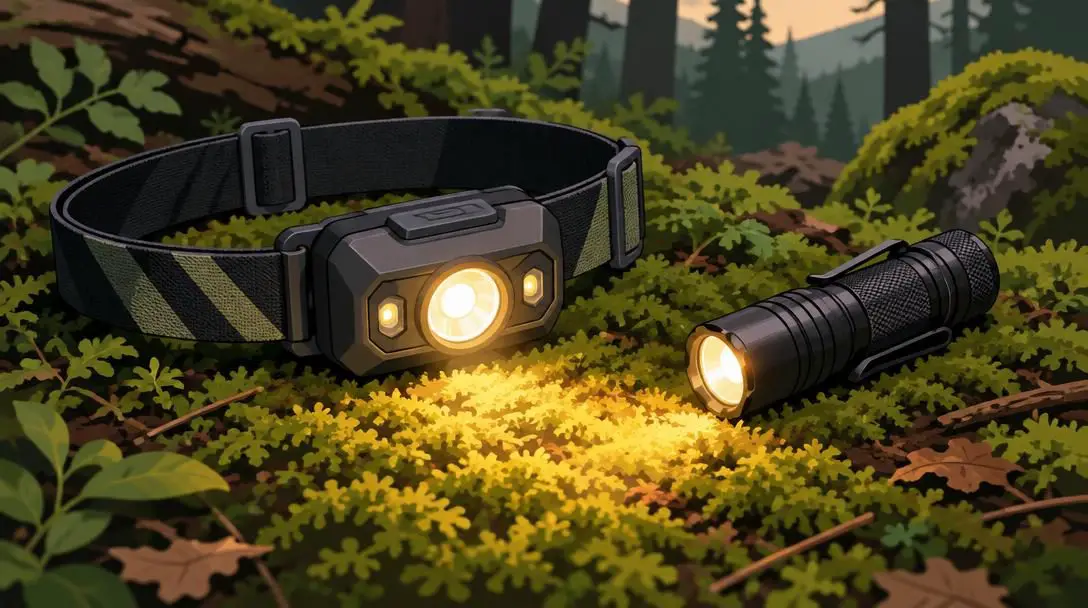
- Headlamp cost: Around $15 for entry options
- Primary flashlight cost: $50 to $100
- Key operational rule: Keep fresh spare batteries packed
Aside from navigational errors, the leading cause of trail mishaps is getting overtaken by darkness. Hiking under an open sky feels manageable until the sun slips beneath the horizon; without city glow or full moonlight, forests and canyons turn pitch-black. Familiar terrain morphs into a treacherous obstacle course of exposed root networks, loose scree, steep drop-offs, and disorienting foliage. Even if you embark on a short morning trek, physical fatigue, navigation delays, or minor injuries can extend your outing well into the evening hours.
A resilient lighting kit should always feature both a high-output primary flashlight and an adjustable headlamp. Flashlights ranging from $50 to $100 project powerful, concentrated beams that help locate distant trail blazes or assess route safety far ahead. Complementing that beam with a lightweight $15 headlamp pays enormous dividends in physical stamina: wearing your light source keeps your hands entirely free to operate trekking poles, handle maps, or maintain balance. Because a light is only as reliable as its power cell, always pack a fresh set of spare batteries or an insulated portable power bank.
Trekking Poles

- Price range: $30 to around $100
- Frame material: Lightweight aluminum or carbon alloys
- Body mechanic impact: Alleviates leg fatigue and distributes effort to the upper body
Even hikers in peak cardiovascular condition experience muscle exhaustion when tackling prolonged ascents and rocky descents. Trekking poles mitigate that physical wear by redistributing a meaningful portion of the workload to your arms, chest, and shoulders. This upper-body engagement preserves quadriceps and knee joints, allowing you to sustain a steady cadence over challenging miles. In essence, a pair of poles acts as a functional third and fourth leg, creating multiple points of stability against the ground.
This enhanced balance is indispensable when crossing loose gravel, slick mud, wet logs, or patches of ice. Furthermore, if you begin to experience weakness from physical exertion or dehydration, poles provide the lateral stability needed to prevent dangerous falls. Most entry-level poles feature durable, lightweight aluminum construction and retail for approximately $30, offering an accessible performance boost for casual hikers. Advanced poles costing around $100 feature ergonomic cork grips, internal anti-shock springs, and rapid flick-lock adjusters that hold strong under heavy loads.
Portable Shelter

- Form factor: Compact, lightweight emergency tent
- Core function: Thermal barrier against wind, rain, and hypothermia
- Tool interaction: Assembled quickly using multi-tools and headlamps
Carrying a portable shelter is second nature for backpackers planning multiday excursions, but it is just as vital for single-day hikers. Sudden mountain storms, severe temperature drops, structural trail washouts, or an immobilizing sprain can turn an afternoon jaunt into an involuntary overnight survival scenario. Lacking protection against wind-chill and soaking rain dramatically accelerates the onset of hypothermia, which remains one of the primary dangers facing stranded outdoor enthusiasts.
Tucking a compact, lightweight tent or emergency shelter into the bottom of your daypack guarantees an insulated microclimate when movement is no longer possible. A dedicated shelter preserves radiant body heat, blocks bitter gusts, and keeps moisture away from clothing until rescue teams arrive or the sun rises. When setting up a shelter under adverse conditions, your gear demonstrates mutual synergy: your multi-tool provides the leverage to clear stakes or adjust guy lines, while your headlamp illuminates the pitching site.
A dedicated shelter can help save your life when unpredictable weather or unexpected trail delays turn a brief day trek into an unplanned overnight stay.
How trail gadgets work as an integrated system
While each piece of trail equipment addresses an isolated challenge, their true strength lies in how they interact as a unified safety system. No single tool works in a vacuum; rather, each component enhances the reliability and operational ease of the others during critical moments.
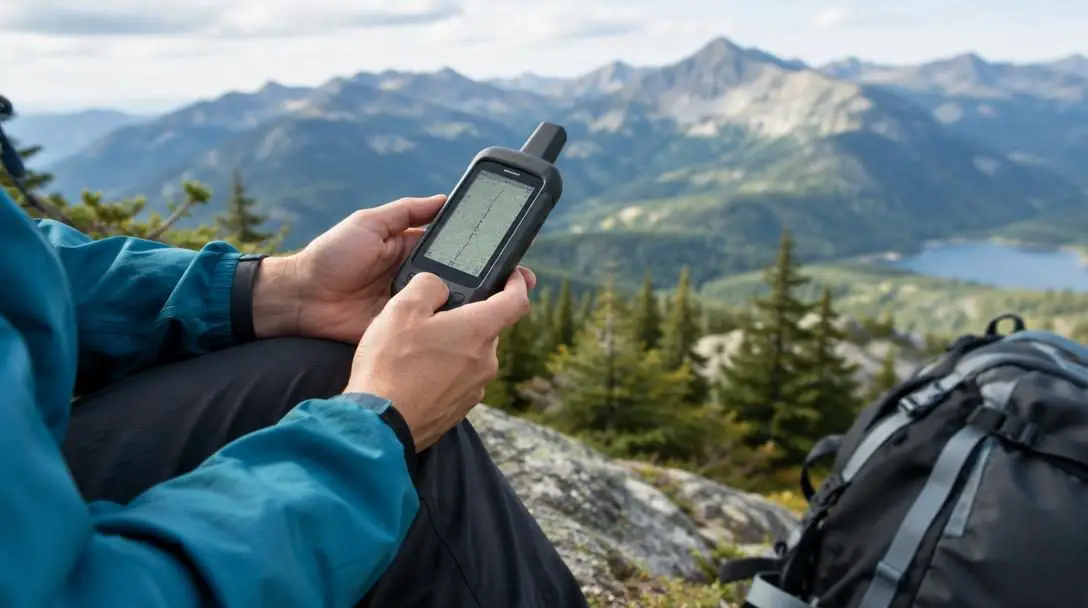
Consider the synergy between navigation and illumination. A dedicated GPS receiver accurately calculates your geographic position, but reading its detailed topographic display and identifying ground hazards after sundown requires clear, dependable light. By wearing a hands-free headlamp, you illuminate your immediate path and device screen while keeping both hands available to hold trekking poles or reference a physical compass. You never have to sacrifice balance or momentum simply to verify your route.
Similarly, shelter construction in adverse conditions demands the support of your mechanical and physical equipment. Pitching a tent on uneven, frozen, or rocky terrain is notoriously difficult when fingers are numb and dusk is gathering. An accessible multi-tool provides the pliers needed to extract bent stakes, tighten guy-line tensioners, or slice through emergency cordage. At the same time, trekking poles can often be repurposed as secondary structural supports for ultralight tarps or temporary canopies, converting kinetic trail gear into stationary survival architecture.
Pre-trail preparation: getting your gear ready
Purchasing well-reviewed outdoor gear is only the opening phase of backcountry readiness. To ensure that every gadget performs flawlessly when environmental pressures rise, follow these sequential preparation steps before every outing:
- Inspect and test the multi-tool: Fully open every individual implement to verify that pivots move smoothly without sticking. Check for oxidation, ensure cutting edges are sharp, and confirm that all locking levers secure the tools safely during use.
- Verify GPS power and satellite lock: Install fresh batteries or charge the internal lithium power pack completely. Power the unit on while standing outdoors under an open sky to acquire satellite signals and establish an accurate base coordinate.
- Stage lighting and fresh batteries: Test the power output on both your handheld flashlight and headlamp across their various brightness settings. Seal a complete replacement set of dry batteries inside a waterproof pouch and pack them adjacent to your lights.
- Adjust trekking pole hardware: Set pole segment lengths so your elbows form a 90-degree angle while standing on flat ground. Tighten all exterior cam levers or interior twist locks firmly, then apply your full upper-body weight downward to confirm they will not collapse.
- Inspect shelter components: Unpack your compact tent to confirm all structural poles, guy lines, and ground stakes are accounted for. Check the canopy fabric and seam taping for micro-tears or moisture damage before repacking it securely.
- Organize pack placement for rapid access: Position your headlamp, flashlight, and multi-tool in external zipped compartments. Place your shelter and spare garments deeper in the pack where they stay dry until needed.
Common gear mistakes hikers make
Even experienced outdoor enthusiasts can succumb to complacency, misusing their equipment or making faulty assumptions during the packing phase. Steer clear of these frequent oversights to maintain complete safety on the trail:
- Treating a smartphone as a primary navigation tool: Relying exclusively on mobile phones exposes hikers to sudden power loss, screen failure from drops on rocky ground, and poor signal reception in deep valleys.
- Assuming an early morning departure prevents night walking: Believing a morning start eliminates the need for flashlights overlooks how easily sprains, wrong turns, or sudden thunderstorms can stretch a three-hour hike past sunset.
- Carrying illumination without reserve power: High-output LED lights drain batteries quickly on elevated settings, and cold mountain air reduces battery capacity; operating without backup power is a hazardous gamble.
- Employing incorrect trekking pole technique: Failing to tighten adjustment mechanisms leads to abrupt collapses during downhill steps. Additionally, failing to adjust the wrist straps properly increases hand fatigue and blisters.
- Leaving emergency shelters behind on brief outings: Skipping a compact shelter to shed a few ounces of pack weight removes your only thermal barrier against severe hypothermia if an immobilizing injury halts travel.
- Postponing multi-tool familiarization: Waiting for an emergency to investigate your multi-tool leaves you fumbling with unfamiliar blades and latches in freezing rain or darkness.
Post-hike maintenance and routine care
Sustaining the operational readiness of your trail gadgets requires consistent maintenance once you return from the wilderness. Taking time to service your equipment prolongs its lifespan and ensures total dependability for future journeys.
Electronics demand special attention. If your handheld GPS or high-powered flashlights will sit idle in a gear closet for several weeks, remove all disposable batteries to prevent catastrophic acid leakage and contact corrosion. Wipe exterior casings clean of dirt and salt residue using a lightly dampened cloth, and let port gaskets dry before storage.
Mechanical hardware must also be preserved. Disassemble your aluminum trekking poles into separate sections, washing away grit, mud, and sand that could wear down locking cams or cause metal segments to seize. Allow the poles to air-dry completely before reassembling. Similarly, unpack your portable shelter immediately upon arriving home; hanging the rainfly and canopy to dry prevents mildew growth, seam degradation, and persistent odors, ensuring your critical shelter remains pristine for the next expedition.
Frequently asked questions
Why is a dedicated GPS better than using a smartphone navigation app?
Dedicated GPS devices are designed specifically for harsh backcountry environments, featuring rugged, weather-resistant bodies and high-sensitivity satellite receivers that pinpoint locations down to the square foot without cell coverage. Unlike smartphones—which burn battery rapidly when running GPS mapping and screen backlights—dedicated GPS units use power efficiently, helping eliminate the battery failures that affect lost hikers.
Do I really need both a flashlight and a headlamp?
Yes, carrying both provides vital redundancy and distinct functional benefits. A primary flashlight offers high lumen output and a concentrated beam for spotting trail markers at a distance, while a headlamp frees up your hands to hold trekking poles, consult maps, or assemble gear, preventing physical fatigue and keeping you balanced.
How do trekking poles conserve physical energy during a hike?
Trekking poles transfer a significant amount of the workload from your lower leg joints and quadriceps to your arms, shoulders, and core muscles during uphill climbs. On downhill descents, they absorb impact forces, reducing stress on knees and ankles while acting as extra contact points for stability on slick or uneven ground.
Why should day hikers pack a shelter if they do not intend to camp?
Unforeseen events like sudden trail washouts, navigation errors, severe weather shifts, or physical injuries can delay your return past daylight. Carrying a compact, lightweight tent or emergency shelter provides an essential thermal barrier against wind, cold, and rain, protecting you from life-threatening hypothermia during an unplanned night out.
What should I look for when purchasing my first hiking multi-tool?
Look for a model made from durable, corrosion-resistant metals that includes functional pliers, wire cutters, a sharp blade, and a screwdriver. Ensure that moving parts lock securely into place during operation, and balance your budget between solid entry-level options around $40 to $50 and heavy-duty premium tools reaching $150 or more.
The bottom line
Stepping out onto wilderness trails is one of the most rewarding ways to enjoy the natural world, offering physical renewal and sweeping vistas. However, moving comfortably through unpredictable environments requires respecting the demands of the terrain. Equipping your pack with a rugged multi-tool, an accurate GPS receiver, dependable illumination, sturdy trekking poles, and a compact portable shelter creates a complete safety network that protects against the wilderness's most frequent hazards.
By pairing these five essential gadgets with consistent maintenance routines, proper battery staging, and honest assessment of your physical limits, you transform backcountry travel from an exercise in vulnerability into an empowering, secure adventure. Invest in proven equipment, learn how your tools operate before you leave home, and head out onto the trails knowing you are fully prepared for whatever lies around the bend.