5 Hacks to Finding Hidden Gems When Travelling

Travel remains one of the most rewarding pursuits available, providing a vital opportunity to recharge, experience unfamiliar traditions, and encounter diverse perspectives across the globe. Yet even dedicated explorers can find themselves growing weary of predictable itineraries and overcrowded landmarks. The world’s most celebrated sightseeing hubs often come with suffocating crowds, endless ticket lines, and an increasingly commercialized atmosphere that buffers travelers from the true pulse of a destination.
Fortunately, remarkable hidden gems exist in virtually every corner of the world, from bustling metropolitan centers to quiet rural enclaves. Shifting your travel style away from mass tourism itineraries invites spontaneous curiosity, promotes deeper cultural immersion, and creates genuine memories that no packaged tour can replicate. Uncovering these under-the-radar treasures does not require blind luck; it demands a flexible mindset and deliberate exploration techniques that bypass conventional travel marketing.
Key takeaways
- Diversifying your information sources beyond top-ten lists reveals unique attractions that conventional marketing overlooks.
- Examining physical and digital maps for empty corridors helps pinpoint overlooked towns, scenic bypasses, and natural landmarks.
- Trading high-speed highways and underground transit for secondary roads and foot travel restores observational spatial awareness.
- Engaging local residents with open-ended questions provides genuine, real-time insight into high-quality neighborhood spots.
- Balancing open-ended schedule blocks with layered research protects your trip from rigid over-scheduling and tourist fatigue.
The Mechanics of Uncovering Lesser-Known Attractions
Finding destinations outside the mainstream is an active discipline rather than a happy accident. Standard travel marketing functions as a funnel, directing massive volumes of visitors toward a tiny fraction of heavily promoted sights. Bypassing this funnel requires travelers to introduce intentional friction into how they collect information and how they move through physical space.
At an informational level, true discovery happens when you abandon cookie-cutter top-ten compilations in favor of varied sources. Mainstream search queries can act as a baseline, but niche archives, local newspapers, neighborhood blogs, and crowd-evaluated platforms offer far more depth. Combining broad feedback with quirky, specialty databases allows you to filter out tourist traps while locating fascinating oddities.
At a physical level, exploration depends on understanding spatial friction. When you travel via high-speed transit networks, commercial airlines, or interstate highways, you pass through territory without interacting with it. Reducing your velocity forces you to register visual cues, architectural oddities, neighborhood plazas, and family-owned establishments that remain completely invisible from a fast-moving expressway or underground subway car.
Slowing your movement through an unfamiliar area transforms an abstract transit corridor into a rich, living landscape.
Five Practical Strategies for Uncovering Hidden Gems
Whether you are planning a weekend road trip or embarking on a long journey abroad, applying deliberate strategies across your preparation and arrival phases will dramatically improve the depth of your experiences.
| Exploration Method | Primary Tools and Resources | Main Advantage | Best Suited For |
|---|---|---|---|
| Layered Research | Atlas Obscura, TripAdvisor, local blogs | Filters out low-quality sites while surfacing curiosities | Pre-trip planning and itinerary outlining |
| Cartographic Analysis | Google Maps, regional physical paper maps | Identifies overlooked terrain between major hubs | Planning day trips and scenic excursions |
| Secondary Road Travel | State highways, county routes, scenic bypasses | Direct access to small towns and roadside culture | Regional road trips and rural exploration |
| Neighborhood Walking | Comfortable shoes, Dérive app, curiosity | Unplanned access to independent shops and small museums | Urban exploration and dense cultural districts |
| Direct Local Inquiries | Hospitality staff, bartenders, market vendors | First-hand perspective unclouded by commercial algorithms | Finding authentic dining and quiet community spaces |
1. Research With Intention and Variety
A small investment in diversified research yields massive dividends once you arrive at your destination. Relying solely on standardized travel roundups invariably funnels you toward congested venues. Instead, cast a wider net by tapping into both broad crowd wisdom and specialized curation channels.
- Broad search queries: Run straightforward queries for things to do in your target area, scanning past initial commercial ads to uncover municipal pages and independent travel logs.
- Crowd wisdom platforms: Use platforms like TripAdvisor primarily to filter out poorly run operations and get an honest sense of service standards.
- Niche directories: Consult specialized archives such as Atlas Obscura, which aggregates unusual, curious, and eccentric destinations across small towns and large metropolises alike.
- Gamified exploration: Employ apps such as Dérive, which offer prompt-based tasks to turn urban wandering into an engaging, spontaneous game that breaks standard tourist habits.
- Local publications: Scan community newspapers, civic event calendars, and neighborhood food blogs to discover what residents are celebrating right now.
2. Consult Your Maps Closely
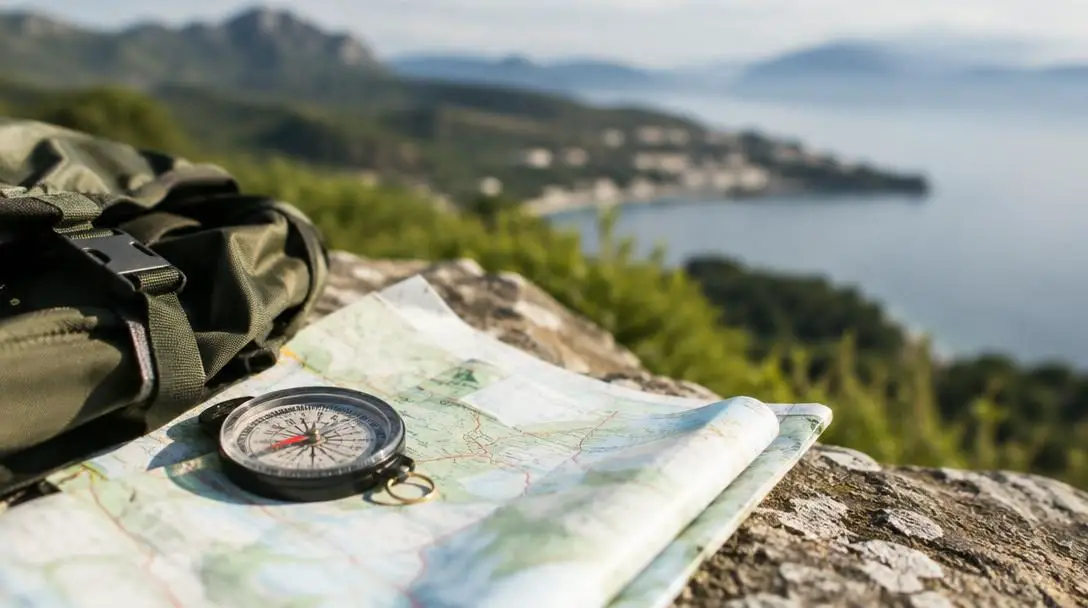
Maps are far more than utilitarian instruments for getting from one coordinate to another; they are rich analytical tools for spotting hidden geographical features. Spending unhurried time reviewing both digital tools like Google Maps and traditional paper road atlases can uncover destinations that promotional brochures completely ignore.
Examine the less populated, open spaces nestled between major urban centers or popular resort corridors. These interstitial zones frequently house state or regional parks, minor waterways, historic villages, and quiet scenic loops that offer peaceful day excursions away from tourist hordes.
3. Get Off the Highway
Controlled-access interstates and dual carriageways are designed for maximum efficiency, moving vehicles from departure to destination with minimal interruption. While fast, this method of transportation thoroughly isolates travelers from the landscape and the communities living alongside it.
By shifting your route to secondary roads, historic highways, and rural bypasses, you trade raw speed for direct cultural access. Local routes allow you to view historic town centers, roadside produce stands, independent diners, and regional topography. In exchange for adding modest driving time to your schedule, you gain the flexibility to pull over whenever an unexpected vista or unique roadside attraction catches your eye.
4. Walk Through Neighborhoods
Once you arrive in a city, the principle of trading velocity for detailed observation becomes even more essential. Relying exclusively on underground metro lines, rideshare vehicles, or taxicabs moves you past the living fabric of a city without letting you absorb its character.
Walking immerses you in the sensory details of a community. On foot, you are positioned to notice architectural quirks, pop-up community exhibitions, neighborhood parks, and small independent businesses. Pedestrian exploration also creates continuous opportunities for spontaneous drop-ins at neighborhood cafes or regional heritage museums that you would never notice through the window of a moving vehicle, all while providing steady, healthy exercise throughout your travels.

5. Talk to the Locals
Even the most detailed travel guides and mapping algorithms cannot substitute for the lived experience of local residents. People who live and work in an area possess real-time familiarity with what is thriving, what is closing, and which venues are genuine community assets.
Strike up friendly conversations with people you encounter throughout your day, including hotel desk workers, neighborhood baristas, visitor center volunteers, and bartenders. Many residents take immense pride in their hometowns and are delighted to share recommendations when approached respectfully. Direct conversations remain the most effective tool for distinguishing over-hyped tourist traps from authentic, high-quality local treasures.
How to Structure an Exploratory Itinerary
Transforming these five strategies into tangible travel experiences requires an itinerary that accommodates flexibility. Over-planning is the single most common barrier to authentic discovery, as an overloaded schedule leaves no room for spontaneous detours.
- Designate structured open blocks: Reserve at least one half-day or full afternoon per trip with zero fixed reservations, ticketed bookings, or strict deadlines to ensure room for organic exploration.
- Assemble a layered list of options: Rather than a rigid checklist, compile a tiered inventory of ideas combining recommendations from regional bloggers, Atlas Obscura entries, and community forums.
- Equip yourself for mobile comfort: Pack durable footwear, a weather-appropriate outer layer, a portable power source, and a lightweight paper map so you can wander down intriguing streets without having to return early to your hotel.
- Initiate targeted conversations: Frame inquiries around personal habits by asking locals where they spend their Saturday afternoons, which green spaces offer quiet views, or where they purchase local specialties.
- Evaluate routes for scenic value: Prioritize local roads or regional rail paths over high-speed travel options whenever your schedule allows for a modest buffer.
Common Pitfalls to Avoid When Chasing Obscurity
Pursuing lesser-known attractions can occasionally lead to wasted effort or frustration if approached with unrealistic assumptions. Keeping common travel mistakes in mind ensures your search remains productive and enjoyable.
- Equating obscurity with inherent quality: Just because an attraction is unknown or difficult to reach does not automatically make it exceptional. Use platforms like TripAdvisor alongside off-beat resources to verify that an obscure landmark is genuinely worth the detour.
- Suffocating your schedule: Jamming every waking hour with scheduled stops leaves zero room to explore a side street, linger in an appealing garden, or act on a local recommendation.
- Over-relying on digital screens: Constantly staring down at a smartphone navigation screen blinds you to street signs, distinctive facades, bustling markets, and historical markers.
- Ignoring community norms and personal privacy: Exploring residential districts requires situational awareness. Respect local boundaries, quiet hours, and private property rights when stepping away from commercial tourist zones.
Frequently asked questions
Why should I avoid relying solely on top-ten travel lists?
Standard top-ten lists funnel the vast majority of tourists to the same heavily marketed locations, resulting in long queues, inflated prices, and homogenized experiences. Diversifying your reading material exposes you to authentic regional attractions that reflect local character rather than promotional marketing budgets.
How can crowd-sourced platforms like TripAdvisor help find hidden gems?
While TripAdvisor aggregates mainstream reviews, it serves as an excellent reality check to filter out poorly maintained spots and genuine tourist traps. Pairing crowd consensus with niche directories like Atlas Obscura ensures that unusual attractions are actually worth the effort to visit.
What is the Dérive app, and how does it aid exploration?
The Dérive app is an interactive tool that prompts travelers with simple, spontaneous tasks to encourage deliberate wandering. It guides users away from predictable navigation patterns, allowing them to perceive urban environments and neighborhood details from fresh perspectives.
How does traveling on secondary roads improve a trip?
Unlike limited-access interstates designed purely for rapid transit, secondary and local roads pass directly through historic town centers, agricultural areas, and regional landscapes. They introduce spatial friction, making it simple to pull over for farm stands, small museums, and scenic vistas.
What is the best way to ask locals for recommendations?
Avoid broad questions such as asking for the best restaurant in town, which often yields generic tourist recommendations. Instead, ask specific, personal questions, such as where they enjoy spending an open Sunday, where they buy their morning coffee, or where they take visiting family.
The Bottom Line
Adopting an exploratory travel philosophy fundamentally changes how you experience the world. Once you discover the satisfaction of finding an uncrowded viewpoint, a historic neighborhood square, or a welcoming local diner, traditional commercial tours and congested attractions quickly lose their appeal. Moving off the beaten path does not require extreme trekking; it simply requires replacing speed with awareness and rigid checklists with spontaneous curiosity.
As you plan future excursions, evaluate how your transit modes and lodging selections shape your experience. Choosing regional routes over short-haul flights and selecting residential neighborhood accommodations over bustling hotel strips grants immediate, walkable access to genuine local life. By prioritizing secondary routes, pedestrian wandering, diversified research tools, and honest conversations with residents, you can avoid tourist traps and unlock the memorable hidden gems that make travel truly transformative.