5 Insane Police Chase Stories That Actually Happened
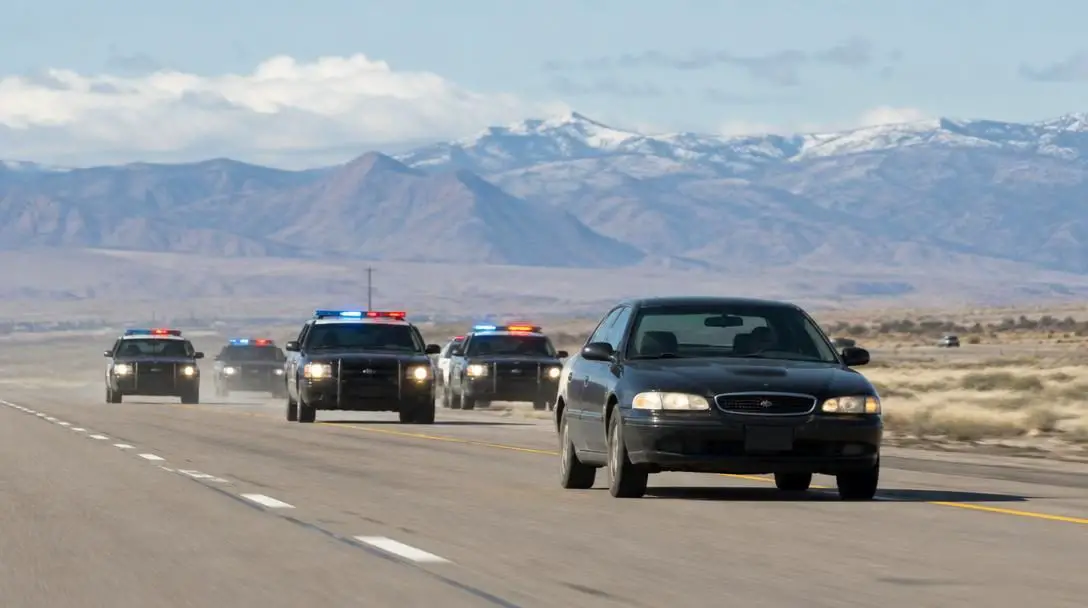
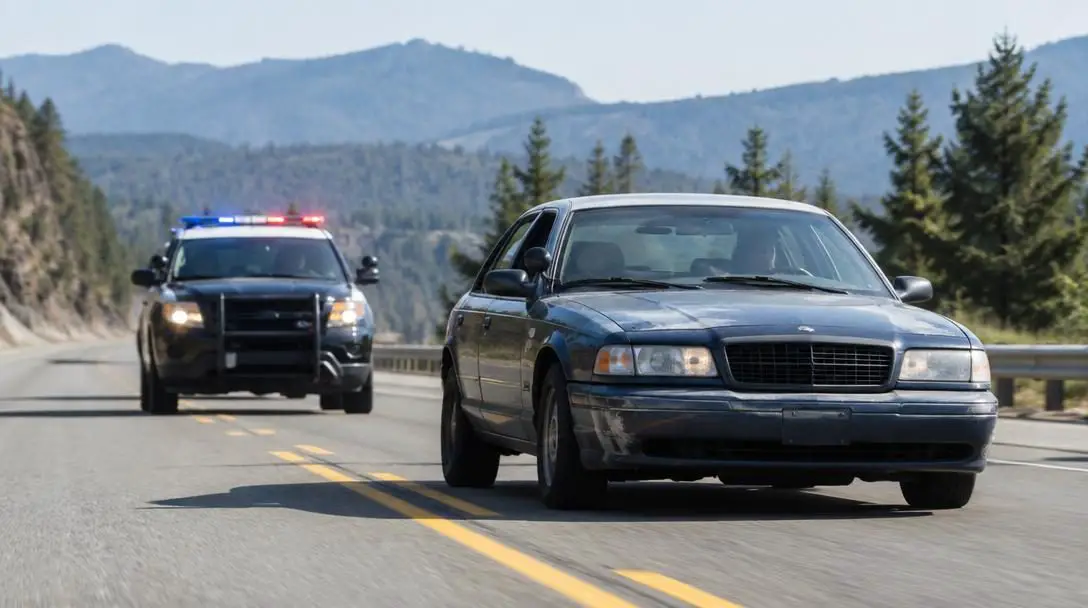
Few events capture live broadcast audiences quite like an active police pursuit. Watching emergency lights flash as a vehicle flees through city streets and across crowded freeways compels viewers to wonder who is behind the wheel, why they are running, and how law enforcement will safely bring the dangerous confrontation to an end. While standard pursuits typically involve an ordinary commuter car driven by an individual panicking to avoid an arrest warrant or traffic ticket, real-world events have occasionally escalated into the bizarre.
Over the decades, pursuits across the United States have involved high-profile celebrities, juvenile drivers operating heavy machinery, stolen military hardware, and multi-hour crime sprees traversing multiple counties. These extreme cases test the boundaries of law enforcement tactics and permanently alter how emergency vehicle operations are managed in modern communities.
Key takeaways
- High-profile pursuits have involved everything from slow-moving family sports utility vehicles to commercial school buses and armored military tanks.
- Fleeing drivers range from high-profile figures evading serious felony charges to juveniles behind the wheel of stolen vehicles.
- Modern law enforcement agencies deploy strict supervisory oversight and non-lethal tools like spike strips to mitigate risks to the public.
- Civilian drivers must remain alert and yield predictably toward the right shoulder whenever emergency pursuit columns approach.
At a glance: Five historic chases
When suspect vehicles deviate from ordinary sedans and pickup trucks, or when the duration stretches across entire afternoons, conventional tactical interventions change dramatically. Below is an overview of five of the most chaotic pursuits in modern American history.
| Subject / Incident | Primary Vehicle | Duration | Key Factor |
|---|---|---|---|
| O.J. Simpson | White Ford Bronco | 2 hours | Low-speed freeway pursuit following missed surrender deadline |
| Louisiana School Bus Chase | Full-sized school bus | 45 minutes | 11-year-old unlicensed driver colliding with multiple vehicles |
| Johnny Anchondo | Multiple carjacked vehicles | 6 hours | Longest pursuit in Los Angeles history, spanning two counties |
| New Mexico Stolen SUV Pursuit | Stolen SUV | Not specified | 12-year-old driver who caused a head-on collision |
| Shawn Nelson | Military tank | Not specified | Armored vehicle rampage causing over $100,000 in property damage |
Five unforgettable police pursuits
O.J. Simpson

- Vehicle: White Ford Bronco
- Pursuit Duration: Two hours
- Charges: Two counts of first-degree murder
Perhaps the most notorious vehicular pursuit in American history occurred when former professional football star and public personality O.J. Simpson took law enforcement on a low-speed trek across Southern California freeways. Simpson was scheduled to turn himself in to police custody that morning in connection with the fatal stabbings of his wife, Nicole Simpson, and their friend, Ron Goldman. When he failed to surrender as planned, law enforcement initiated an active search and quickly discovered that he was attempting to escape in a white Ford Bronco owned by his friend.
Unlike typical chases that involve reckless, high-speed driving through surface streets, this confrontation was characterized by its methodical, slow pace. The caravan traveled along local freeways for two full hours, shadowed by dozens of patrol cars and broadcast live by media helicopters to an audience of millions. The tense standoff eventually concluded when Simpson was taken into custody without a catastrophic crash. He was formally charged with two counts of first-degree murder, setting off a high-profile criminal trial that dominated international media for years.
Louisiana School Bus Chase
- Date: October 2020
- Vehicle: Full-sized school bus
- Driver Age: 11 years old
- Charges: Theft and aggravated assault
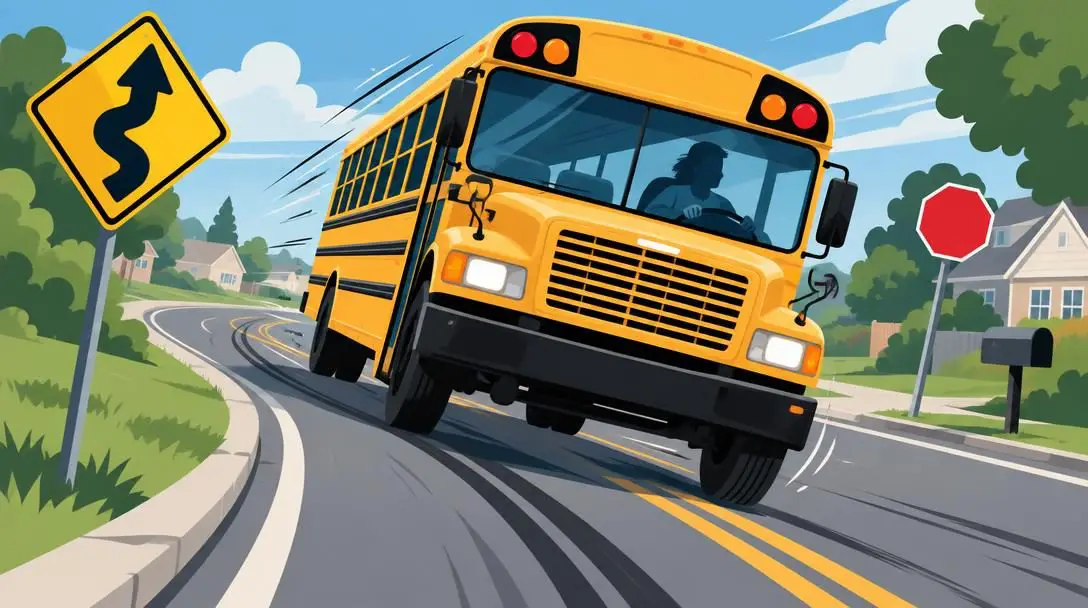
Commercial vehicles present enormous danger during a flight scenario due to their sheer mass, but an incident in Louisiana added the startling element of an underage driver. In October 2020, an eleven-year-old boy managed to gain unsupervised access to a full-sized school bus and drove it onto public roadways. Law enforcement officers were quickly dispatched to intercept the commercial vehicle, sparking a forty-five-minute pursuit through municipal streets.
Operating a heavy transit vehicle requires specialized training, and the young boy struggled to maintain safe lane control. During the forty-five minutes of flight, the bus struck three separate vehicles, resulting in a minor injury to one civilian motorist. Throughout the interaction, the child taunted responding officers by shouting obscenities and making offensive hand gestures out of the window. The dangerous incident finally concluded when the boy lost control and rammed the bus directly into a tree. Officers promptly arrested the juvenile at the crash site, charging him with theft and aggravated assault.
Johnny Anchondo

- Date: November 2022
- Pursuit Duration: Six hours
- Hometown: Moreno Valley, California
In November 2022, a six-hour pursuit redefined the logistical limits of law enforcement containment in Southern California. The driver, Johnny Anchondo of Moreno Valley, was already on active parole for attempted carjacking when he triggered what became the longest recorded vehicle pursuit in Los Angeles history. The encounter rapidly transformed into a rolling crime spree spanning both Orange County and Los Angeles County.
As police attempted to isolate and disable his vehicle, Anchondo escalated his efforts to evade capture. Over the course of the six hours, he carried out two separate carjackings to swap disabled vehicles for fresh ones. In one harrowing instance, he forced his way directly into a family's home, threatening the residents with a weapon to seize their car keys. Anchondo repeatedly struck multiple police cruisers throughout the chase, refusing to yield to perimeter blockades. The marathon ordeal finally ended when officers deployed spike strips, inflicting severe mechanical failure that brought his stolen vehicle to an absolute halt.
Managing an active vehicular pursuit requires balancing the imperative to apprehend a suspect against the immediate physical risk posed to bystanders on the road.
New Mexico Stolen SUV Pursuit
- Date: 2021
- Vehicle: Stolen SUV
- Driver Age: 12 years old
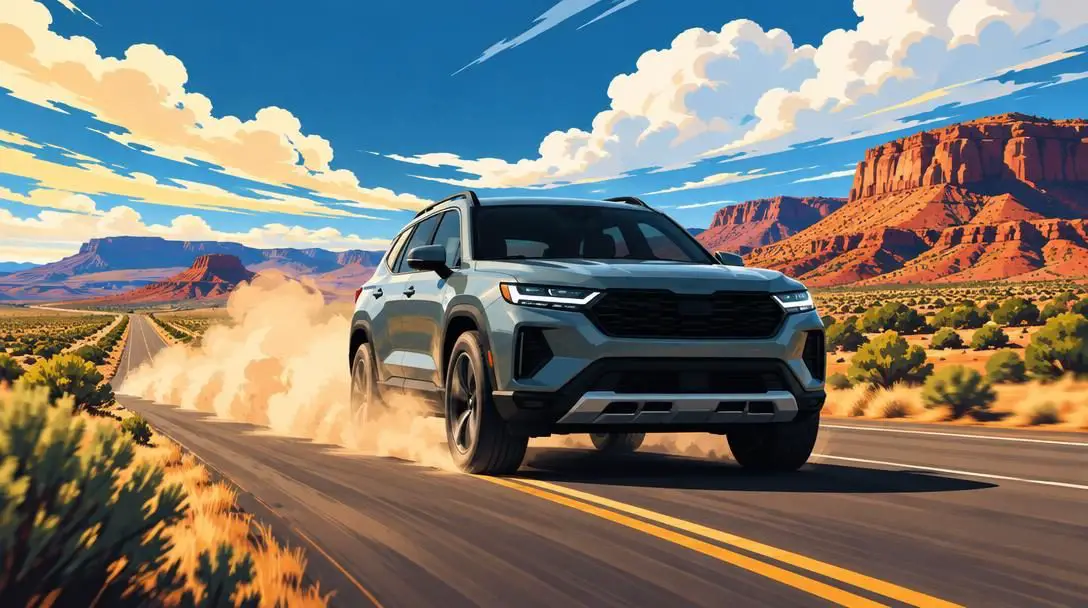
Another dangerous pursuit involving an underage driver took place in New Mexico in 2021. The incident began when patrol officers spotted a reported stolen SUV and attempted to initiate an ordinary traffic stop. Rather than pulling over, the vehicle accelerated away. Law enforcement personnel quickly discovered that the person behind the wheel was merely a twelve-year-old boy, accompanied in the cabin by four other teenage minors.
The young driver operated the vehicle with severe recklessness, weaving erratically across lanes, blowing through multiple stop signs, and repeatedly pushing the SUV to the brink of flipping over. At one point during the chase, the twelve-year-old came to a brief stop, allowing his four teenage passengers to jump out and clear the scene. Resuming his flight alone, the juvenile continued driving until the situation turned tragic: the stolen SUV collided head-on with a vehicle carrying a family of five traveling along the highway. Following the severe wreck, the injured juvenile was placed under arrest and formally charged by local prosecutors.
Shawn Nelson
- Date: 1995
- Location: San Diego, California
- Property Damage: More than $100,000
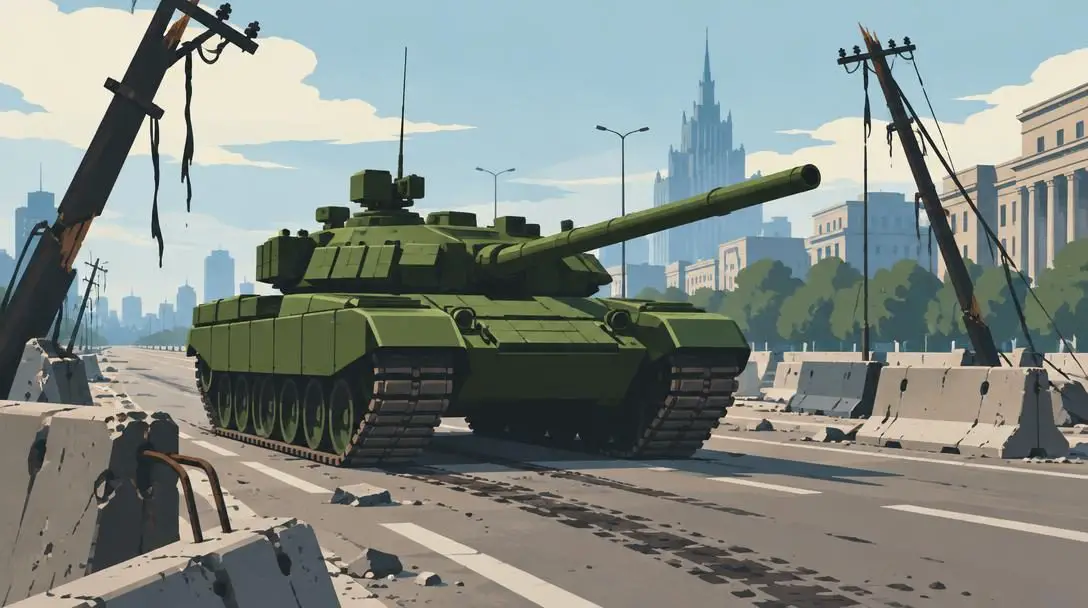
Perhaps no pursuit in modern history caused as much localized structural destruction as the 1995 rampage of Shawn Nelson in San Diego. Nelson was a former military service member who had experienced a severe personal decline and weeks of emotional turmoil. Seeking an escape and determined to cause widespread chaos, Nelson breached security at a local California Army National Guard armory and managed to start and steal an armored military tank.
Nelson navigated the massive tracked vehicle out of the armory and onto residential and commercial streets. While the tank moved at relatively modest speeds, its immense weight flattened civilian passenger cars, snapped utility poles, and destroyed road infrastructure, generating more than $100,000 in property damage. Despite the scale of destruction across public thoroughfares, no civilian bystanders were injured. The destructive chase concluded when police officers managed to climb aboard and breach the tank's exterior hatch. When an uncooperative Nelson refused commands to surrender, officers discharged their firearms; he later succumbed to his injuries at a local medical facility.
How law enforcement agencies manage active pursuits
High-speed vehicular pursuits present tremendous operational challenges. Modern policing has transitioned away from aggressive, unregulated chases toward calculated, policy-driven containment. When an emergency vehicle operation is initiated, agencies follow a structured progression to safeguard the motoring public.
- Initial Risk Assessment: The primary patrol officer and communications dispatch evaluate environmental factors, including pedestrian density, weather conditions, school zones, and the severity of the initial suspected crime.
- Supervisory Oversight: A remote field supervisor is assigned to monitor the chase. This supervisor maintains absolute authority to order the pursuit terminated if public danger outweighs the necessity of capture.
- Parallel Tracking: Secondary units coordinate travel along parallel avenues rather than bunching up directly behind the fleeing car, preventing highway pileups and maintaining regional containment perimeters.
- Non-Lethal Intervention: Officers position themselves ahead of the pursuit to deploy tire deflation devices, such as spike strips, designed to gradually bleed tire pressure and mechanically slow the vehicle.
- Containment and Apprehension: Once the target vehicle stops or becomes disabled, officers form a protective perimeter, issue verbal commands, extract the occupants, and secure the scene for medical evaluation.
Safety guidelines for civilian drivers
When an active chase enters your vicinity, sudden panic can lead to disastrous accidents. Everyday motorists must know how to react predictably when emergency lights and sirens appear.
- Scan mirrors routinely: Keep interior cabin audio low enough to hear approaching sirens, and check rearview mirrors frequently for fast-approaching emergency lights.
- Signal and move to the right shoulder: Indicate your movement clearly and bring your car to a complete stop against the right-hand curb, allowing pursuit vehicles full access to the roadway.
- Remain stationary until trailing cruisers pass: Pursuits often involve multiple secondary patrol cars following at wide intervals. Do not pull back into traffic lanes until the entire convoy has cleared.
- Stay inside your car: Never exit your vehicle on the side of an active highway or roadway during a pursuit, as secondary debris and pursuing cruisers create extreme pedestrian hazards.
- Clear intersections with caution: Even if your traffic signal is green, look both ways before crossing an intersection if you hear sirens in the immediate area.
Common mistakes to avoid during vehicle pursuits
Collateral injuries often occur not because of the primary suspect, but due to avoidable mistakes made by observing motorists. Steering clear of these standard errors keeps roads safer for everyone involved.
- Attempting citizen interventions: Private motorists must never attempt to ram, box in, or cut off a fleeing suspect. Doing so causes severe vehicular accidents and exposes the civilian to serious legal liability.
- Assuming suspects will obey traffic signals: Fleeing drivers frequently operate against the flow of traffic, speed through active pedestrian crossings, and mount sidewalks to bypass blockades.
- Pulling over in blind spots: Stopping immediately around a sharp curve or just beyond the crest of a hill places your vehicle directly in the path of high-speed pursuit traffic.
- Distracted filming: Using a smartphone to record passing pursuit vehicles while driving dramatically elevates crash risks and impairs your ability to respond to road hazards.
Frequently asked questions
Why did the O.J. Simpson pursuit move so slowly?
Unlike typical chases driven by high-speed evasion, Simpson's flight in the white Ford Bronco was a tense, continuous negotiation. Simpson failed to surrender for murder charges as agreed, and law enforcement followed him at low speeds along Southern California freeways for two hours until he was safely taken into custody.
What was the longest pursuit in Los Angeles history?
The record belongs to Johnny Anchondo, who led law enforcement on a six-hour pursuit across Los Angeles and Orange counties in November 2022. Anchondo committed two carjackings and struck multiple police vehicles before spike strips disabled his car.
How can police stop an armored vehicle or tank?
Standard tactical interventions like precision immobilization techniques or standard spike strips do not work on heavy tracked armor. During the 1995 Shawn Nelson tank rampage, officers had to wait until the tank became immobilized on a highway barrier before physically climbing aboard to breach the hatch.
What charges do underage drivers face in vehicle pursuits?
Depending on the actions taken during the flight, juveniles can face serious felony counts. For instance, the eleven-year-old who crashed a school bus in Louisiana was formally charged with theft and aggravated assault after striking multiple vehicles and a tree.
The bottom line
While high-profile police chases often capture the public imagination through live television broadcasts, they remain among the most dangerous operations conducted by emergency personnel. Whether involving heavy military hardware, commercial school buses, or high-profile public figures, vehicular flight introduces enormous volatility to everyday roads. Understanding how law enforcement manages these critical incidents—and knowing how to react predictably as a civilian driver—is vital to maintaining community safety whenever an unexpected pursuit unfolds.