5 Most Expensive Cat Breeds In The World
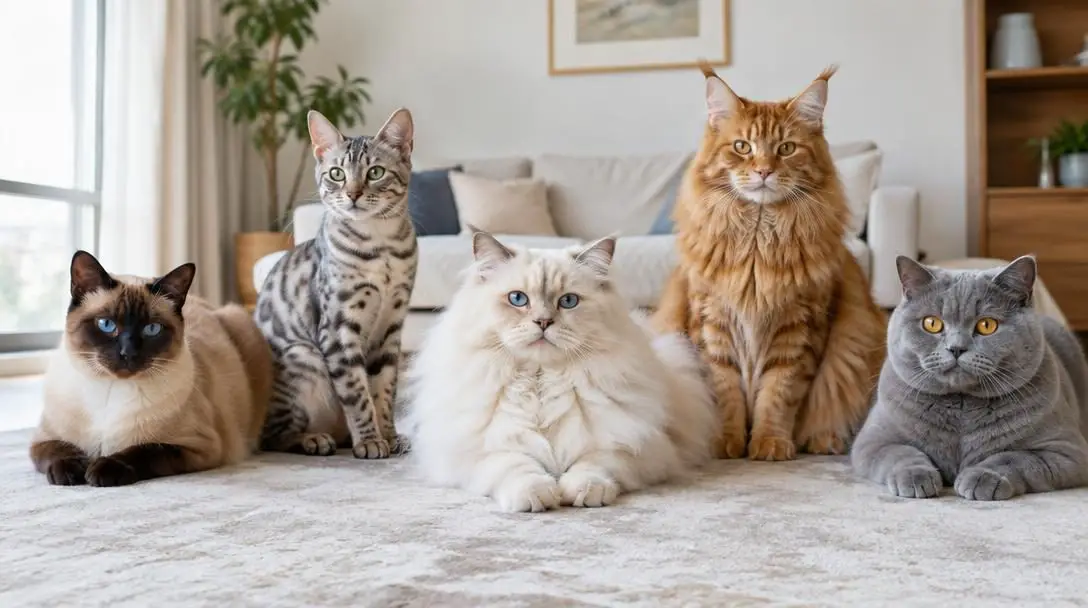
For most pet owners, welcoming a feline into the home is an emotional decision centered on companionship, gentle affection, and daily comfort. Standard domestic cats are traditionally cherished as family members rather than luxury commodities or financial investments. Yet alongside traditional domestic adoption lies the elite world of pedigree and designer feline breeding, where rare physical anomalies, wild ancestry, and historic lineages transform cats into prestigious acquisitions carrying price tags equivalent to new automobiles or real estate down payments.
Specialized breeders achieve these striking animals by pairing domestic lines with wild felines, safeguarding regional ancient bloodlines, or deliberately cultivating rare, spontaneous genetic mutations. Because the breeding programs demand intensive care, specialized facilities, and strict genetic preservation, prices for rare cats reach into the tens of thousands—and in some cases, exceed one hundred thousand dollars. Understanding this luxury market requires examining the traits, breeding histories, and financial requirements that define the world's most exclusive cat breeds.
Key takeaways
- The ultra-luxury feline market ranges from roughly $9,000 for rare hairless bloodlines to upwards of $125,000 for exclusive designer hybrids.
- Wild hybridization plays a central role in high-end breeds like the Ashera, Savannah, and Bengal, which trace direct ancestry to wild cats such as the African Serval and Asian leopards.
- High acquisition costs do not always equate to official domestic recognition; for example, the Khao Manee can cost $11,000 or more despite remaining unregistered in the United States.
- Prospective owners must navigate strict legal landscapes, as certain states enforce complete ownership bans on hybrids like the Bengal due to wild behavioral traits.
At a glance: The world's most expensive cat breeds
| Breed | Price ceiling | Genetic lineage & origin | Key physical characteristics |
|---|---|---|---|
| Ashera | Up to $125,000 | African Serval, Asian leopard, domestic lines | Spotted coat, large ears, wild look at domestic scale |
| Savannah | Up to $50,000 or more | African Serval crossed with domestic housecat | Exceptionally long legs, short tail, bold spots or stripes |
| Bengal | Up to $25,000 or more | Snow leopard, domestic cat, other wild strains | Muscular frame, distinct spotted coat, athletic profile |
| Khao Manee | At least $11,000 | Historic native lineage from Thailand | Pure white coat, odd-colored eyes (blue with amber or green) |
| Sphynx | Up to $9,000 or more | Spontaneous natural genetic mutation | Complete lack of hair, luminous glowing eyes, muscular build |
The five most expensive feline breeds
Ashera
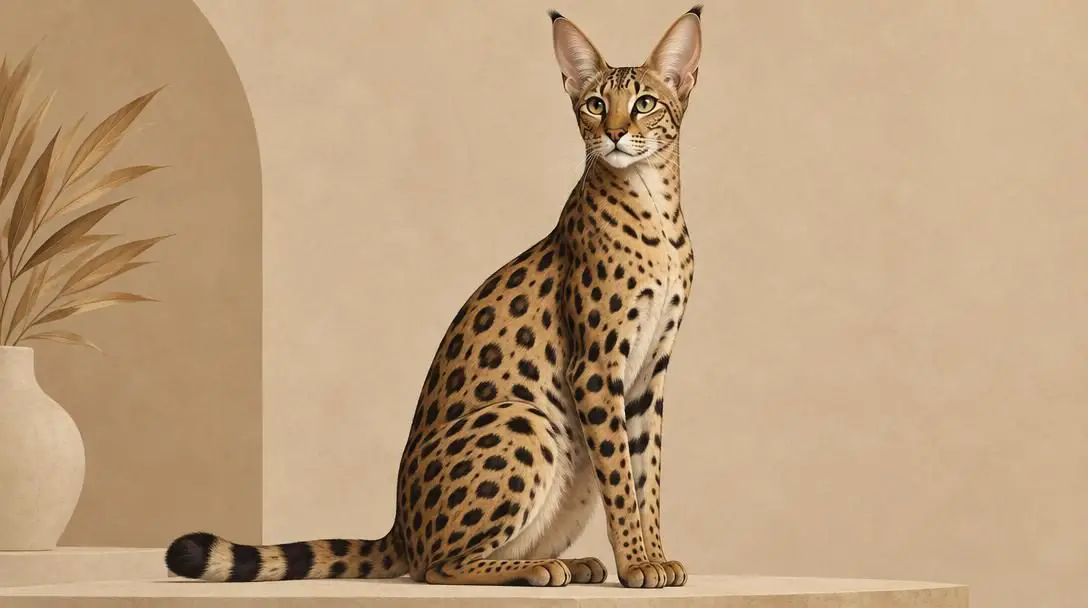
- Price ceiling: Up to $125,000
- Genetic ancestry: African Serval, Asian leopards, and other feline lineages
- Distinguishing traits: Large ears, wild spotted pattern, domestic sizing
Occupying the absolute apex of feline pricing, the Ashera commands fees as high as $125,000. It is not an accidental variety or ancient landrace, but rather a proprietary designer breed created by blending the genetic material of distinct feline groups. By incorporating bloodlines from the African Serval and Asian leopards alongside domestic foundations, breeders produced a companion that projects the aura of an untamed predator while staying compact enough to navigate an indoor home environment.
Visually, the Ashera mirrors an untamed wilderness feline. It features prominent, alert ears, an athletic stance, and an intricately spotted coat. Because production of these animals is tightly restricted and the multi-species hybridization process requires vast resources, the Ashera remains among the rarest and most expensive animals an individual can purchase.
Savannah
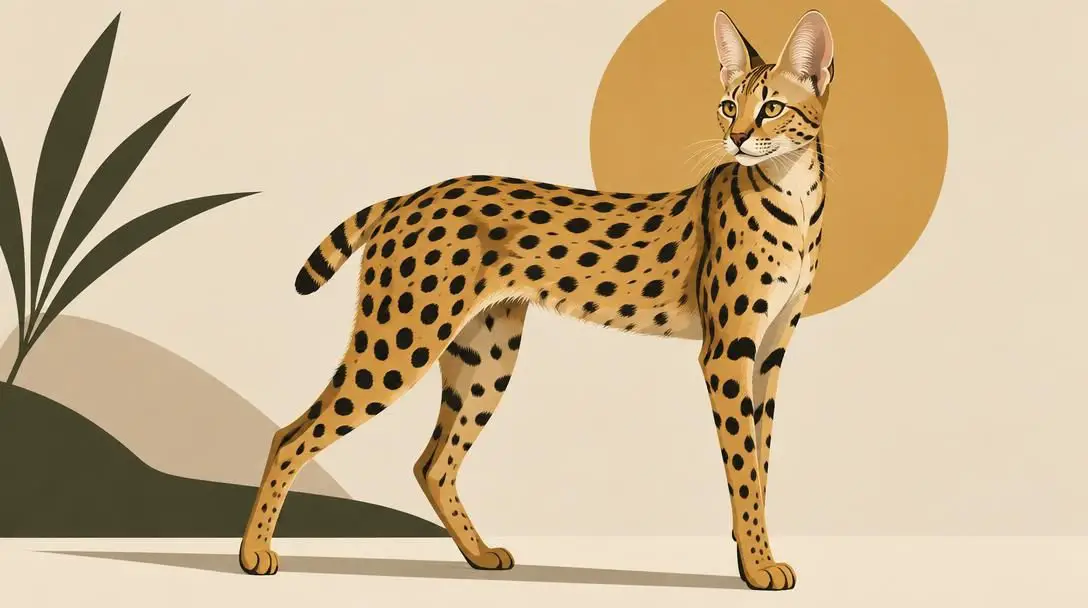
- Price ceiling: Up to $50,000 or more
- Genetic ancestry: African Serval crossed with domestic cat
- Distinguishing traits: Long legs, short tail, warm gold or smoky gray coat
Developed through deliberate crosses between the wild African Serval and domestic cats, the Savannah is famous for an athletic, elongated silhouette. Savannah cats can demand prices stretching to $50,000 or more, particularly for early-generation kittens that display the most pronounced wild characteristics. Their physical architecture is immediately recognizable: they possess exceptionally long legs paired with shorter tails, giving them an imposing, tall posture unmatched by standard housecats.
The coat of the Savannah displays wide variation, featuring backgrounds ranging from cool smoky grays to warm golden tones. Across these bases, bold black stripes and vivid dark spots trace the animal's torso and limbs. Their tall ears sit high on the head, echoing the auditory radar of their Serval ancestors and completing a sleek, powerful aesthetic.
Bengal
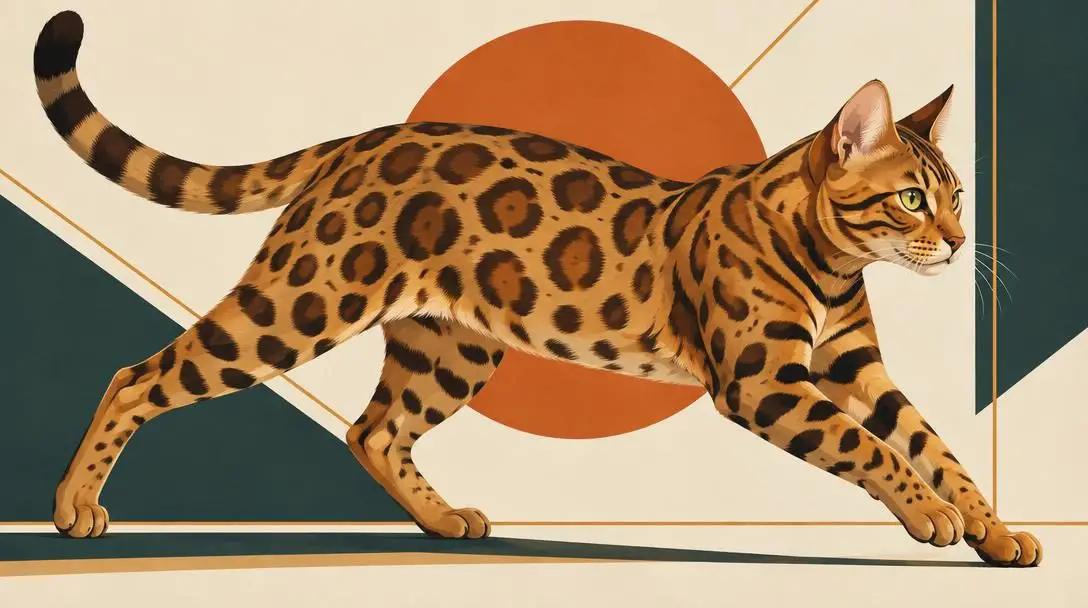
- Price ceiling: Up to $25,000 or more
- Origin timeline: Traces back to approximately the 1970s
- Genetic ancestry: Snow leopard, domestic cat, and wild breeds
With a development history dating back to around the 1970s, the Bengal is one of the most established exotic breeds in the modern pet world. Breeders achieved this striking feline by crossing the Snow leopard, domestic cats, and other wild lineages. The resulting offspring showcase a heavily spotted, marbled, or rosette-patterned pelt over a remarkably muscular frame, producing a domestic pet that carries an unmistakably exotic air. Kittens from sought-after bloodlines regularly sell for up to $25,000 or more.
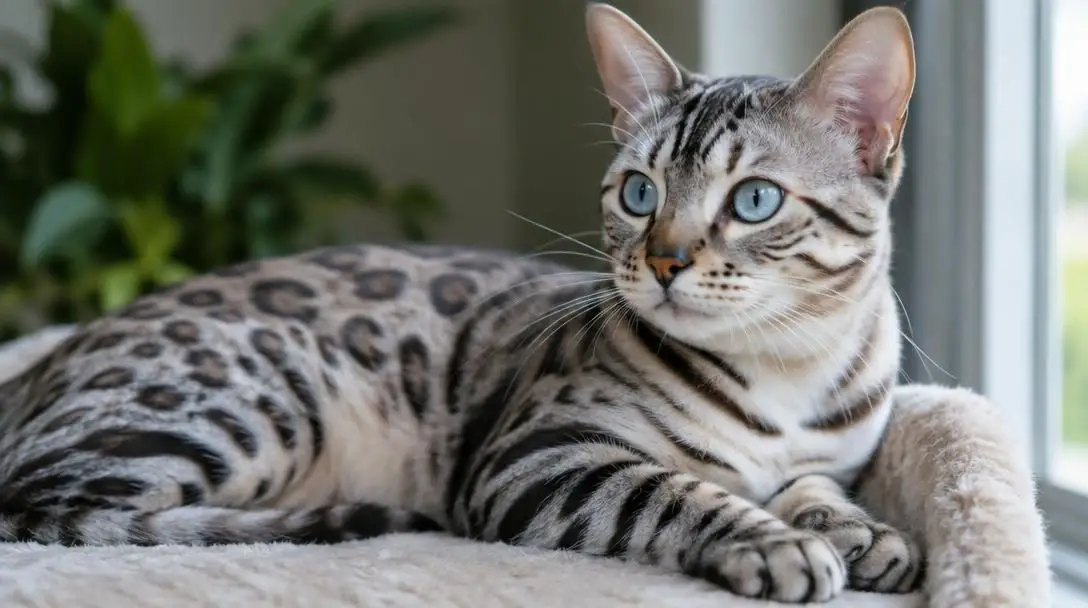
Because Bengals inherit instinctual behaviors from wild ancestors, their behavioral profiles can be intense. They are energetic, highly investigative, and persistently active. This untamed temperament has drawn the scrutiny of lawmakers, leading select states to implement outright ownership bans to mitigate risks associated with their wilder inclinations.
Khao Manee
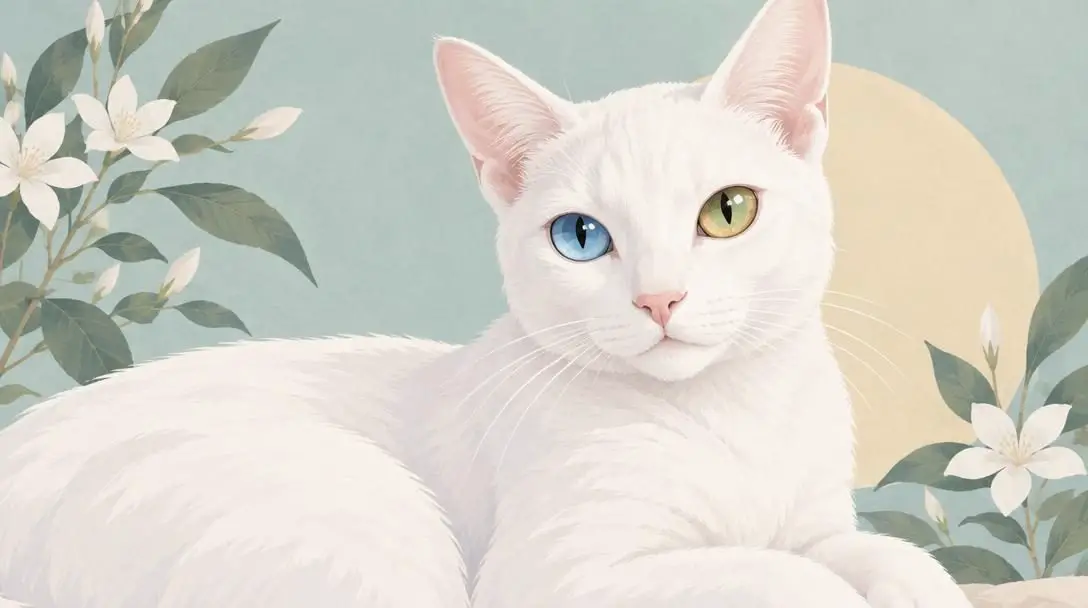
- Price floor: At least $11,000
- Country of origin: Thailand
- Distinguishing traits: Solid-white fur, heterochromia (odd-colored eyes)
Unlike designer hybrids developed in modern laboratories, the Khao Manee possesses a storied historical lineage originating in Thailand. Known historically as a protected animal in its homeland, this ancient breed was kept under close cultural preservation for generations before specimens were carefully exported abroad. Importers initiated specialized breeding colonies to elevate global numbers and safeguard the bloodline from extinction. Purchasing an authentic Khao Manee kitten requires an expenditure of at least $11,000.
The defining visual trademark of the Khao Manee is its gaze. Most individuals exhibit heterochromia, meaning they possess odd-colored eyes, typically pairing one luminous blue eye with one warm amber or vivid green eye. Set against a flawless, solid-white coat, this optical contrast gives the cat an ethereal presence. Prospective buyers must note that despite its antiquity, the Khao Manee remains an unregistered breed within the United States.
Sphynx
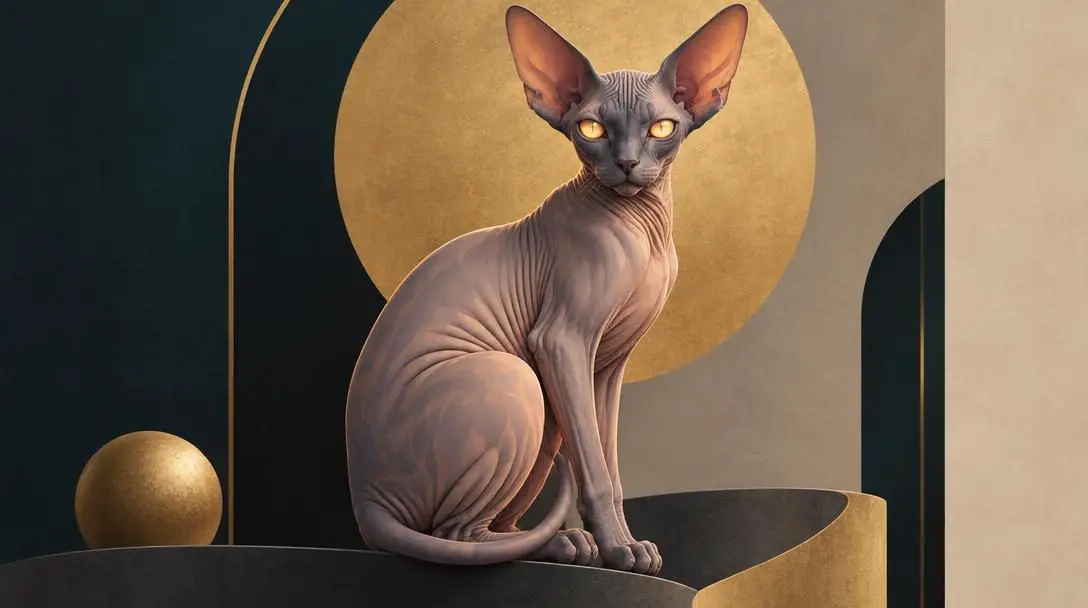
- Price ceiling: Up to $9,000 or more
- Genetic origin: Naturally occurring genetic mutation
- Distinguishing traits: Complete absence of fur, large ears, luminous eyes
The Sphynx cat stands out in the pedigree world due to its complete absence of an insulating fur coat. Rather than resulting from cross-species hybridization, the hairless appearance of the Sphynx arose from a naturally occurring genetic mutation that dedicated breeders systematically isolated and maintained. A quality Sphynx kitten can command up to $9,000 or more, with valuations climbing higher for cats displaying unusual skin pigments or elite pedigree lineages.
Although their bare skin gives them an apparent vulnerability, Sphynx cats are recognized as one of the healthiest domestic cat breeds available. Without fur to absorb natural body oils, their care requires regular bathing regimens and skin management to avoid dermatological blockages. Beyond their warm, suede-like skin, their expressive, glowing eyes and oversized ears give them an alien, highly charismatic silhouette.
Carrying price tags that rival luxury automobiles, these elite feline bloodlines merge wild predatory aesthetics with domestic companionship.
How exotic and designer feline breeding operates
The extraordinary valuations associated with luxury felines stem directly from the complex biological methodologies required to produce them. Breeders must manage distinct reproductive challenges, balance wild genetics with home safety, and maintain international standards of animal care across multiple specialized categories:
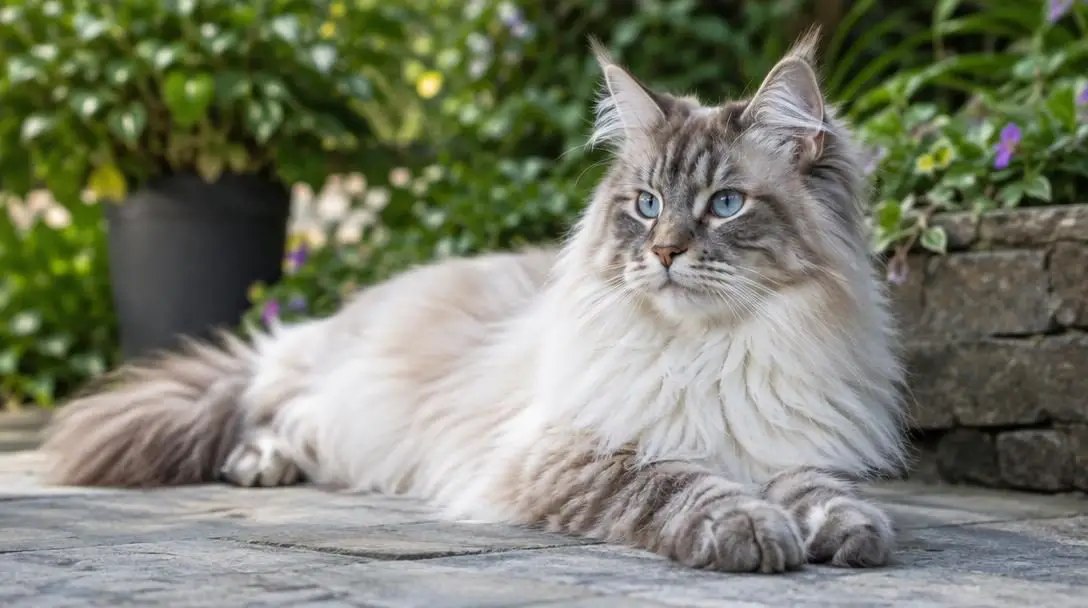
- Wild hybridization: Breeds such as the Savannah and Bengal begin with the difficult, delicate pairing of non-domestic species—such as the African Serval or wild leopard strains—with domestic cats. Early generations require specialized containment facilities, reinforced habitats, and controlled handling to ensure the welfare of both parent animals.
- Designer gene selection: Multi-tiered designer cats like the Ashera depend on cross-breeding several distinct feline strains. Breeders meticulously select traits over multiple litters, striving to capture the large ears, striking spots, and athletic musculature of wild hunters while stabilizing the animal's size to fit domestic living conditions.
- Lineage protection and importation: Preserving ancient landrace cats like the Khao Manee shifts the focus toward conservation logistics. Because the breed was once a protected species in Thailand, maintaining modern bloodlines involves international transport documentation, genetic diversity mapping, and careful selective breeding to preserve their pure white coats and odd eyes without inbreeding depression.
- Spontaneous mutation propagation: Breeds like the Sphynx require targeted genetic stewardship rather than wild crossing. Breeders isolate a recessive, naturally occurring hairless mutation, relying on comprehensive genetic screening to ensure that propagating the hairless gene does not inadvertently compromise the breed's underlying structural health.
Step-by-step evaluation before acquiring an expensive cat
Committing between $9,000 and $125,000 for a luxury cat involves distinct financial, logistical, and legal considerations. Prospective owners should approach the acquisition journey methodically to protect both their investment and the cat's welfare.
- Review regional and local regulations: Investigate municipal codes, county ordinances, and state animal control laws. Confirm whether wild-hybrid breeds like Bengals or Savannahs are legal in your municipality, as some regions impose strict generational limits or blanket prohibitions.
- Examine lineage and pedigree documentation: Demand authenticated genealogical charts and health records. For historic or imported breeds like the Khao Manee, verify documentation tracking its descent from protected Thai bloodlines. For Sphynx cats, inspect lineage papers for certified cardiac and genetic screenings.
- Audit breeder facilities and credentials: Visit the cattery in person or request verified video access to evaluate hygiene, socialization, and housing standards. Ensure the breeder transparently discloses the exact genetic mix of designer breeds like the Ashera or Savannah.
- Prepare specialized environmental accommodations: Athletic cats possessing wild ancestry require distinct home modifications. Install durable, floor-anchored climbing towers, secure window barriers, and dynamic enrichment installations to safely accommodate high-energy leaps and predatory play drives.
- Establish specialized veterinary support: Locate a licensed veterinarian experienced in treating hybrid biology and specialized feline dermatology. Secure care agreements before the animal arrives, confirming your clinic can handle the physiological nuances of hairless or wild-derived bloodlines.
Common mistakes high-end feline buyers make
Prospective owners often encounter pitfalls that lead to legal disputes, behavioral problems, or avoidable veterinary costs. Navigating the luxury cat space requires steering clear of these frequent mistakes:
- Ignoring state and local legislation: Failing to verify legal restrictions is a catastrophic mistake. Several states ban Bengals and other hybrids outright due to concerns over wilder behavioral tendencies, leaving non-compliant owners vulnerable to heavy fines and pet confiscation.
- Assuming hairless cats are inherently fragile: Many novice buyers treat the hairless Sphynx as delicate and sickly. While their lack of fur stems from a genetic mutation, the Sphynx is one of the healthiest domestic breeds; over-medicating their skin with heavy commercial ointments often causes dermatitis rather than preventing it.
- Underestimating wild hybrid activity levels: Expecting an Ashera, Savannah, or Bengal to act as an inactive lap pet creates severe behavioral friction. These animals possess immense muscular energy, demanding hours of daily interactive play and vigorous physical stimulation.
- Overlooking domestic registration limitations: Paying a high sum does not guarantee domestic registry access. Despite costing upwards of $11,000, the Khao Manee remains an unregistered breed in the United States, meaning owners cannot enter them into standard domestic cat club shows.
- Falling victim to designer breed fraud: Disreputable sellers leverage the extreme price tags of the Ashera ($125,000) and Savannah ($50,000) to deceive buyers. Unverified catteries often misrepresent common spotted domestic tabby crosses as rare wild hybrids.
Long-term financial and lifestyle adjustments
The upfront price of an exotic feline represents only the initial tier of a lifelong financial commitment. Housing an animal that costs between $9,000 and $125,000 requires specialized pet insurance underwriting tailored to high-value assets, alongside routine wellness visits with veterinary specialists who understand exotic pedigrees. Diets often require raw protein supplementation or highly balanced nutritional formulations to support the muscular development typical of Savannah and Bengal bloodlines.
Living spaces must also adapt to the animal's physical instincts. Savannahs, with their long limbs and powerful running strides, benefit from custom enclosures or dedicated playroom spaces equipped with running wheels and secure perches. Finally, connecting with established breed clubs and feline welfare organizations provides invaluable guidance. Interacting with experienced owners offers essential insights into managing the high energy, grooming rituals, and quirky behaviors unique to these extraordinary animals.
Frequently asked questions
Which cat breed is the most expensive in the world?
The Ashera holds the title of the world's most expensive cat breed, commanding prices as high as $125,000. It is a designer hybrid combining genetics from the African Serval, Asian leopards, and other feline lineages to produce a wild look at domestic scale.
Why are Bengal cats banned in certain states?
Bengal cats trace their roots to crosses involving Snow leopards, domestic cats, and other wild lines. Because of concerns regarding their wilder behavioral tendencies, high prey drives, and powerful athleticism, certain state and municipal jurisdictions prohibit ownership.
Are Sphynx cats weak or sickly due to their lack of hair?
No. Although their hairlessness results from a spontaneous genetic mutation, the Sphynx is recognized as one of the healthiest domestic cat breeds. However, their bare skin does require regular grooming and baths to prevent oil accumulation.
Can Khao Manee cats be registered in the United States?
No, the Khao Manee is not yet a registered cat breed in the United States. Even though kittens cost $11,000 or more to preserve their historic Thai lineage and odd-colored eyes, they cannot be registered through standard domestic pedigree registries.
What makes the Savannah cat's physical build unique?
The Savannah cat, bred from an African Serval and a domestic housecat, features an exceptionally sleek, athletic build defined by unusually long legs and a noticeably short tail, along with large ears and a spotted coat.
The bottom line
The upper tier of the pedigree cat world unites centuries-old cultural preservation, accidental genetic discoveries, and complex wild hybridization projects. From the $9,000 hairless Sphynx to the $125,000 designer Ashera, these five breeds capture the fascination of feline enthusiasts willing to invest heavily in physical beauty and rare genetics. However, ownership demands far more than financial capability. Ensuring strict legal compliance, providing expansive vertical living environments, and understanding the physiological realities of wild-derived breeds are vital responsibilities for anyone seeking to bring these elite companions into their home.