5 Most Expensive Dog Breeds In The World

Almost 40 percent of households across the United States include at least one dog, representing a vast array of sizes, temperaments, and lineages. While canines frequently enter homes as devoted family companions, guardians, or working partners, bringing a pet into the family requires a serious financial commitment that extends well beyond the first day home. The average dog owner spends approximately $1,800 per year on routine veterinary care, daily sustenance, and essential supplies.
For certain specialized and rare breeds, however, standard care estimates fall far short of reality. Premium breeds often demand significant initial investments and carry heavy annual upkeep bills driven by extensive coat maintenance, heavy appetites, and routine healthcare needs. Because there is no standard manufacturer's suggested retail price for canines, geographic location, breeder reputation, and specific physical requirements all play a central role in the total lifetime investment.
Key takeaways
- Standard dog ownership averages roughly $1,800 annually, but rare and giant breeds frequently require between $2,000 and $4,000 each year.
- Upfront acquisition fees for rare breeds can climb as high as $4,000 or $5,000 when purchasing from reputable breeders.
- Grooming requirements for double-coated and long-haired breeds represent a major recurring financial commitment over a 12-year lifespan.
- Giant working breeds like the Tibetan Mastiff incur substantial ongoing food costs due to their massive daily caloric requirements.
Comparing the costliest canine companions
The upfront price to purchase a puppy provides only a partial glimpse of the real financial reality. Over an average lifespan of a decade or more, the ongoing costs of food, grooming supplies, and routine checkups represent the true bulk of pet expenditures. Below is an overview of how these distinct breeds compare in acquisition prices and recurring upkeep.
| Breed | Estimated Initial Cost | Annual Upkeep Range | Typical Lifespan | Key Physical Attribute |
|---|---|---|---|---|
| Chow Chow | $2,300 (breeder) | $1,000 – $3,200 | Around 12 years | Dense, heavy double coat |
| Samoyed | $1,000 – $3,000 | $750 – $3,600 | Variable | Pure white coat, ~20 inches tall |
| Afghan Hound | Around $1,000 | $2,000 – $3,000 | Around 12 years | Flowing silky hair, long legs |
| Tibetan Mastiff | $1,500 (rescue) – $5,000 (breeder) | $2,500 – $4,000 | Long for giant breeds | Massive build, heavy double coat |
| Shikoku | Around $4,000 | $3,000+ | Variable | Powerful build, ~20 inches tall |
The 5 most expensive dog breeds
The following five breeds represent some of the highest financial commitments in the canine world. Presented in no particular order, each animal pairs unique historical characteristics with distinct, recurring care needs.
Chow Chow

- Country of origin: China
- Typical breeder price: $2,300
- Average yearly care: $1,000 to $3,200
- Expected lifespan: Around 12 years
When thinking of fluffy canines, the Chow Chow is often one of the first breeds that comes to mind. Native to China, these sturdy, large dogs have long earned praise for their fierce loyalty and natural protective instincts, making them dependable family guardians. Their defining characteristic is a dense, thick coat that requires diligent, constant maintenance to prevent matting and skin irritation.
That iconic coat is also the primary driver of their long-term expenses. Grooming demands can quickly escalate bills over an average lifespan of about 12 years. While the bare minimum cost to raise a Chow Chow hovers around $1,000 annually, most owners find themselves spending approximately $2,300 upfront to acquire a puppy from a breeder, followed by roughly $3,200 per year in ongoing care.
Samoyed

- Country of origin: Siberia (Russia)
- Typical breeder price: $1,000 to $3,000
- Average yearly care: $750 to $3,600
- Average height: Around 20 inches
Affectionately referred to as "Sammies," the Samoyed is widely celebrated as one of the most striking dogs in existence at any age. Hailing from the freezing Siberian region of Russia, this medium-sized breed stands around 20 inches tall and is instantly recognized by its brilliant, pure white coat. Due to their pleasant demeanor and standout looks, Sammies remain among the most requested breeds from professional breeders.

Securing a Samoyed puppy generally starts around $1,000, though high-demand bloodlines can reach up to $3,000. Annual maintenance varies widely based on individual health and coat care, ranging between $750 on the low end and $3,600 on the higher end when factoring in routine veterinary visits, premium nutrition, and professional coat treatments.
Afghan Hound

- Physical profile: Long legs, slender build, unique curled tail
- Typical breeder price: Around $1,000
- Average yearly care: $2,000 to $3,000
- Expected lifespan: Around 12 years
The Afghan Hound is an exceptionally identifiable breed, known across the globe for its refined silhouette, unique tail, and dramatic, flowing coat. Although these dogs are tall and large, they carry a slender build that is noticeably less thick than other canines in their height class. Featuring long legs and coats that come in a wide variety of shades, they live for an average of 12 years.
While purchasing an Afghan Hound from a breeder is relatively modest compared to other luxury breeds—running around $1,000 initially—their yearly upkeep is consistently elevated. Owners typically spend between $2,000 and $3,000 each year, driven by specific dietary regimens, preventative veterinary checkups, and the substantial time and products needed to preserve their fine, silky hair.
Tibetan Mastiff

- Primary characteristic: Giant guardian breed with heavy double coat
- Typical acquisition cost: $1,500 (rescue) to $5,000 (breeder)
- Average yearly care: $2,500 to $4,000
- Working background: Historic cold-weather working and defense dog
Recognized as one of the largest canine breeds on earth, the Tibetan Mastiff is both immensely powerful and surprisingly speedy. Developed to withstand harsh high-altitude climates, they are wrapped in an imposing double coat that keeps them insulated against severe cold. Historically bred for demanding flock protection and estate defense, they enjoy a longer lifespan than most other breeds of comparable giant stature.
Feeding a giant working dog requires serious financial planning, as Tibetan Mastiffs consume vast quantities of food every month. Purchasing a puppy from a reputable breeder can cost as much as $5,000, while securing an adult through a specialized rescue runs around $1,500. Their enormous physical frame and healthy appetite translate into yearly baseline maintenance costs ranging between $2,500 and $4,000.
A pet's purchase price represents only the entrance fee to ownership; the true cost lies in the food, healthcare, and coat maintenance demanded over a twelve-year life.
Shikoku

- Country of origin: Japan
- Typical breeder price: Around $4,000
- Average yearly care: Upwards of $3,000
- Average height: Around 20 inches
Not to be confused with the more common Shiba Inu, the Shikoku is an uncommon breed native to Japan. The breed incorporates historical lineage connected to powerful working breeds such as Great Danes and St. Bernards, resulting in an exceptionally athletic, capable, and highly sought-after animal. Standing roughly 20 inches tall, this medium-sized dog exhibits remarkable stamina and strength.
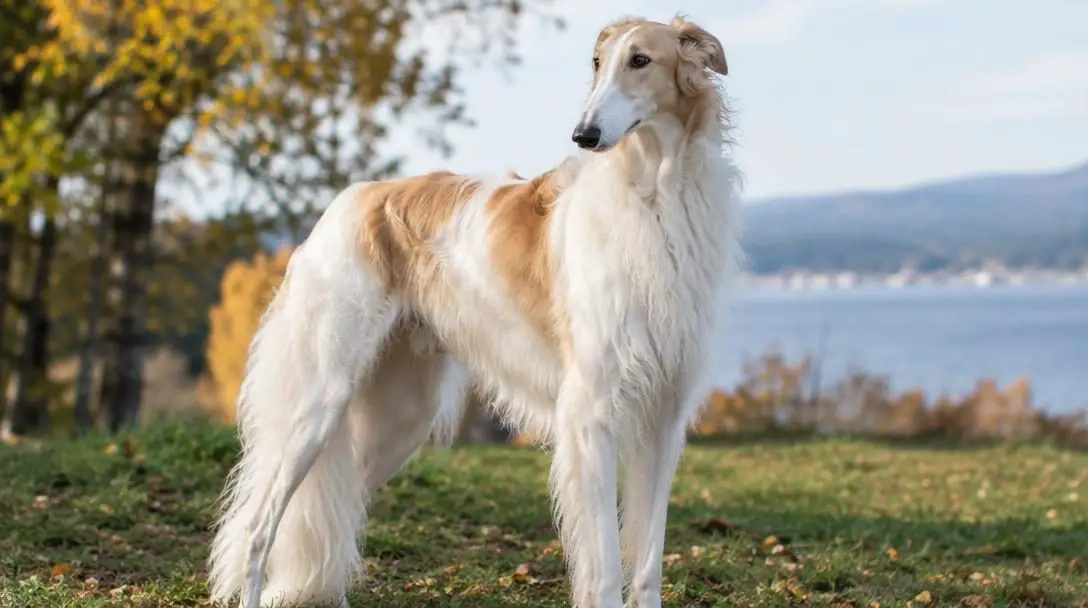
Because the Shikoku is relatively rare outside its native homeland, availability is limited and breeder fees are steep, typically hovering around $4,000 for a puppy. Maintaining a Shikoku is equally demanding, with annual expenses starting north of $3,000 even on the lower end due to specialized care, high activity requirements, and wellness oversight.
How dog expenses break down over time
To understand the economics of raising expensive breeds, prospective owners must evaluate the recurring costs that arise after the initial purchase. While general canine ownership averages $1,800 annually, premium breeds routinely exceed this baseline due to three distinct care factors.
- Nutrition and daily volume: Body mass directly dictates monthly grocery expenditures. Giant working breeds like the Tibetan Mastiff require massive caloric intake to sustain their muscle mass and bone structure, resulting in substantial recurring food bills throughout their lives.
- Grooming and coat preservation: Breeds equipped with dense double coats or flowing hair—such as Chow Chows, Samoyeds, and Afghan Hounds—require specialized equipment, detangling solutions, and regular professional grooming appointments to avoid painful skin conditions.
- Routine veterinary wellness: Routine healthcare includes annual physical evaluations, parasite prevention, core vaccinations, and dental upkeep. Larger dogs require higher medication dosages calculated by body weight, elevating routine veterinary invoices compared to smaller household pets.
Practical steps for managing breed costs
Bringing a rare or high-maintenance dog into your home requires structured preparation. By taking proactive budgetary and logistical measures, owners can safeguard their finances while providing top-tier care for their pets.
- Audit the full lifetime budget: Calculate both the upfront price and the ongoing yearly expenditures across the breed's projected lifespan. For a Chow Chow living 12 years, prepare for a $2,300 purchase fee alongside an average of $3,200 annually, totaling nearly $40,000 in lifetime care.
- Evaluate acquisition pathways: Decide whether purchasing through a licensed breeder or applying through a breed-specific rescue makes the most sense. While a Tibetan Mastiff puppy can reach $5,000 through a breeder, specialized rescue organizations sometimes place adults for around $1,500.
- Establish an at-home grooming routine: Invest early in professional-grade slicker brushes, wide-tooth combs, high-velocity dryers, and conditioning sprays. Daily brushing sessions for an Afghan Hound or Samoyed dramatically reduce the need for emergency professional dematting.
- Plan nutritional purchases in volume: Heavy eaters place predictable demands on your monthly grocery budget. Sourcing balanced, high-protein dry food in bulk quantities helps stabilize feeding costs for giant breeds like the Tibetan Mastiff.
- Build a dedicated pet emergency reserve: Unexpected illnesses, injuries, or specialized diagnostics can quickly exceed standard annual care estimates. Maintaining a liquid savings buffer ensures that sudden medical issues do not jeopardize household stability.
Common mistakes when choosing expensive breeds
Even well-intentioned pet parents can encounter financial distress when acquiring high-maintenance dogs without proper research. Avoiding common missteps ensures a smoother transition for both the household and the animal.
- Focusing solely on the initial adoption fee: Budgeting only for the purchase price while ignoring recurring care is a critical error. An Afghan Hound may cost around $1,000 to bring home, but requires $2,000 to $3,000 every single year in basic maintenance.
- Treating coat care as an optional luxury: Neglecting regular brushing for double-coated or long-haired breeds leads to severe pelting, hot spots, and painful skin infections that require costly veterinary intervention.
- Underestimating nutritional consumption: Assuming all medium-to-large breeds eat comparable portions leads to budgetary shortfalls. Giant breeds like the Tibetan Mastiff require significantly more food volume than typical companion dogs.
- Overlooking breed-specific lineage: Assuming rare breeds behave just like common domestic pets can cause lifestyle friction. For example, assuming the Shikoku behaves like a standard companion dog overlooks its intense working lineage and strength.
- Ignoring geographic pricing differences: Assuming published estimates are universal can cause miscalculations. Local vet fees, professional grooming rates, and regional boarding charges fluctuate heavily depending on location.
Frequently asked questions
Why are Chow Chows so expensive to maintain?
Chow Chows feature an exceptionally dense double coat that requires extensive, ongoing grooming to prevent matting and manage shedding. Over their roughly 12-year lifespan, regular professional grooming, specialized coat products, and routine veterinary wellness bring their average annual maintenance to approximately $3,200.
How much does it cost to acquire a Tibetan Mastiff?
Purchasing a purebred Tibetan Mastiff puppy from a reputable breeder can cost up to $5,000 due to their relative rarity and large working lineage. Securing an adult through a specialized breed rescue generally runs closer to $1,500, though ongoing care will still average $2,500 to $4,000 per year.
What is the difference between a Shikoku and a Shiba Inu?
While both breeds originate in Japan and share certain spitz-like facial features, the Shikoku is a distinct, medium-sized dog standing roughly 20 inches tall. Its lineage includes input from Great Danes and St. Bernards, making it a noticeably more powerful, demanding, and expensive working breed than the smaller Shiba Inu.
What is the average annual cost of owning a standard dog?
Across the United States, keeping an average dog costs around $1,800 per year when factoring in standard veterinary examinations, routine vaccinations, everyday dog food, and basic household pet supplies.
Can adopting from a rescue lower the initial price of these breeds?
Yes, specialized breed rescues often offer a more accessible entry point than private breeders. For example, while a Tibetan Mastiff puppy from a breeder can reach $5,000, specialized rescue organizations often place these dogs for adoption fees around $1,500.
The bottom line
Welcoming an exceptional dog into your home provides years of companionship, loyalty, and protection, but prospective owners must enter the relationship with open eyes regarding the financial obligations. Breeds like the Chow Chow, Samoyed, Afghan Hound, Tibetan Mastiff, and Shikoku carry financial commitments far above the typical $1,800 annual national baseline.
With lifespans averaging 12 years for breeds like the Chow Chow and Afghan Hound, prospective owners are making a multi-year financial investment that can easily approach tens of thousands of dollars over the animal's lifetime. Assessing your home environment, personal schedule, and long-term budget ensures that your household can provide the nutrition, grooming, and veterinary care these magnificent dogs deserve.