5 Most Intelligent Animals In The World
Many people have witnessed an animal execute a task with such cleverness that it feels remarkably human. While it is easy to assume that our familiar domestic companions like dogs sit at the pinnacle of non-human intellect, the biological reality of animal cognition tells a very different story. Dogs are exceptionally responsive and perceptive, yet several other species demonstrate abstract reasoning, self-awareness, and problem-solving capacities that rival or even surpass them.
Cognitive science reveals that extraordinary intellect does not follow a single evolutionary path. From the dense canopies of tropical forests to the depths of the open sea, nature has produced minds capable of learning, emotional grief, tool fabrication, and strategic deception. Five species in particular stand at the apex of the animal kingdom, exhibiting mental capabilities that get remarkably close to human thought processes.
Key takeaways
- Chimpanzees share nearly 99% of human genomic material and rely on an advanced neocortex to craft tools and coordinate complex social interactions.
- Dolphins possess an estimated IQ between 80 and 90, exhibiting self-awareness in mirrors alongside conscious feelings of confidence and uncertainty.
- Elephants boast the largest brain of any land animal, carrying three times the neuron count of humans to power deep memory, empathy, and recognition of death.
- Crows demonstrate that raw brain mass is unnecessary for complex cognition, matching the puzzle-solving intellect of a young child through favorable brain-to-body scaling.
- Octopuses prove intelligence can evolve in invertebrates via jumping genes that promote rapid genomic innovation, allowing intricate camouflage and escape tactics.
The 5 Most Intelligent Animals on Earth
Measuring intellect across the animal kingdom requires looking beyond basic instinct or lucky accidents. The following five species consistently exhibit repeatable, deliberate problem-solving, emotional awareness, and mental adaptability that set them apart from all other non-human creatures.
Chimpanzee
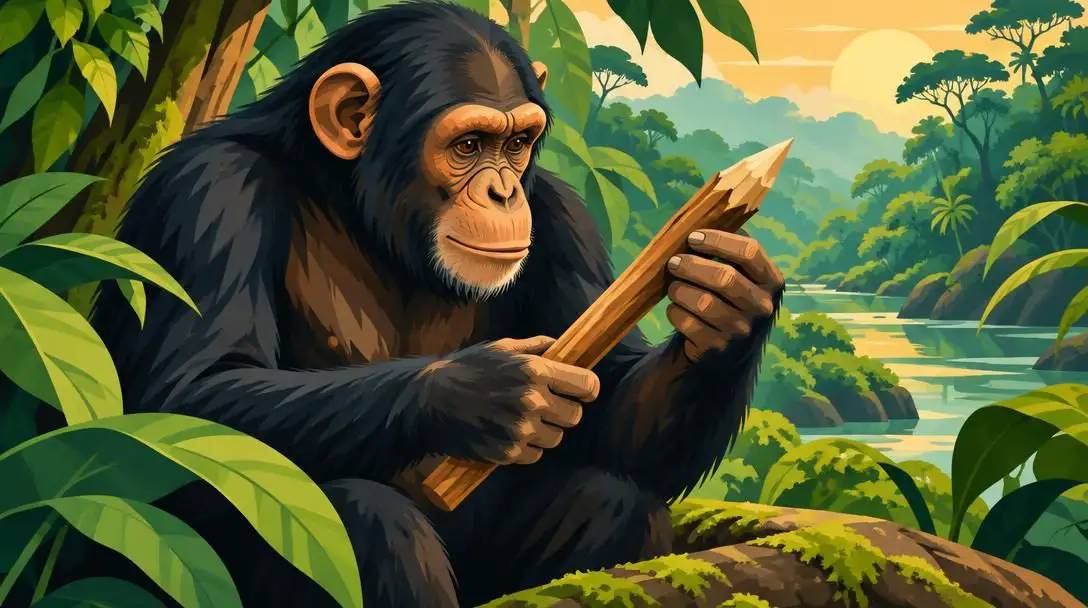
- Genetic Overlap: Shares roughly 99% identical genomes with humans
- Key Brain Region: Highly developed neocortex
- Primary Capabilities: Tool manufacturing, sophisticated communication, social cognition
Holding a well-deserved reputation as one of the smartest creatures alive, the chimpanzee shares nearly 99% of its genetic sequence with human beings. This biological closeness is reflected in the structural makeup of their brains, specifically within the neocortex. This specialized outer layer governs higher-order operations, including sensory perception, conscious thought generation, spatial reasoning, and emotional processing.
Chimpanzees routinely display their intellect through deliberate tool manufacturing. Rather than simply picking up an object, they modify twigs and branches to fish for termites or break open hard-shelled nuts using stone anvils. Their advanced communication skills allow them to maintain intricate social hierarchies and coordinate collective group movements. While their mastery of physical tools is extensive, they have not been known to start fires and cook their meals.
Elephant
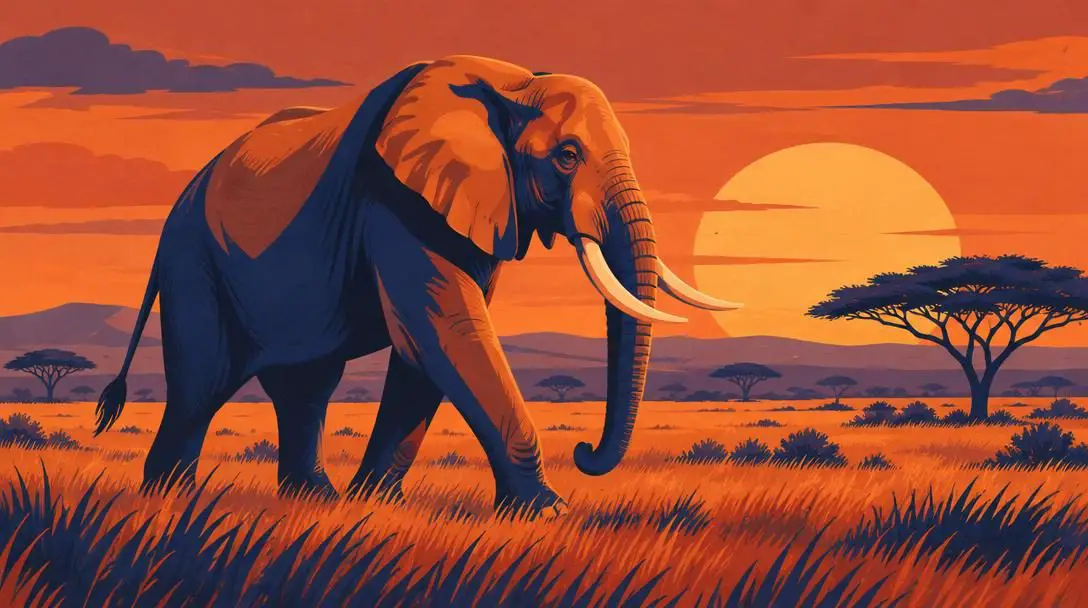
- Brain Distinction: Largest brain of any land animal
- Neural Density: Contains three times more neurons than a human brain
- Primary Capabilities: Long-term memory, mourning rituals, empathy, artistic mimicry
The sheer physical scale of the elephant is matched by its immense neurological capacity. Elephants possess the largest brain of any terrestrial creature, packing approximately three times as many neurons as a typical human brain. This colossal neural network powers a legendary long-term memory that wild herds depend upon for survival during severe droughts and seasonal migrations.
Beyond spatial navigation, elephants demonstrate rare emotional sophistication. They exhibit genuine empathy toward herd members, console distressed calves, and display a solemn understanding of death by visiting the bones of deceased relatives. In captive settings, their capacity for learning allows them to perform complex collaborative tricks and even handle brushes to paint recognizable forms.
Dolphin
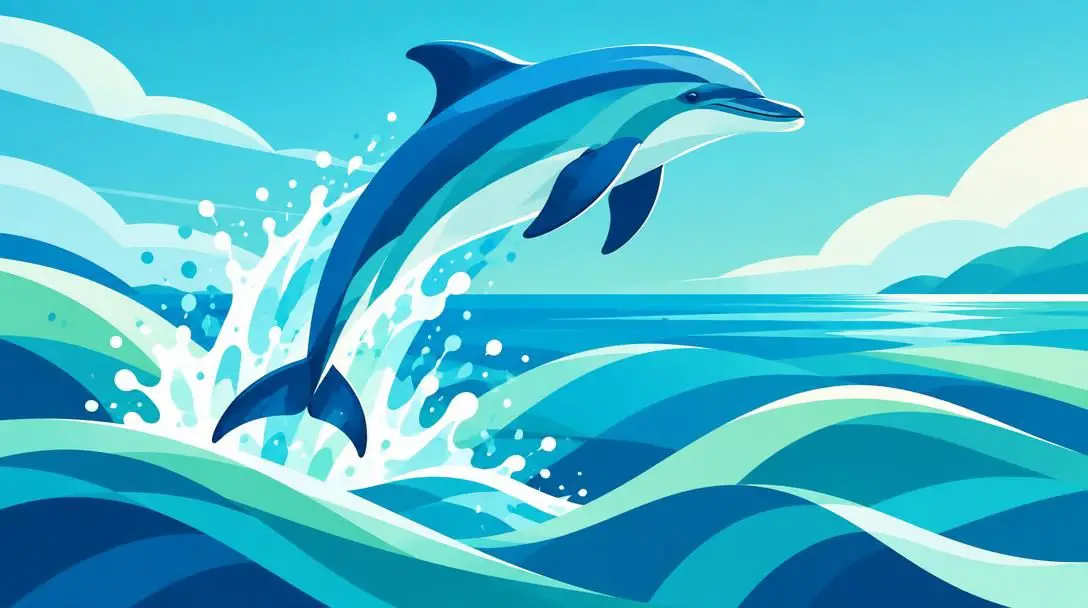
- Intelligence Ranking: Considered by scientists to be second only to humans
- Estimated IQ: Between 80 and 90
- Primary Capabilities: Mirror self-recognition, metacognition, grief comprehension, vocal learning
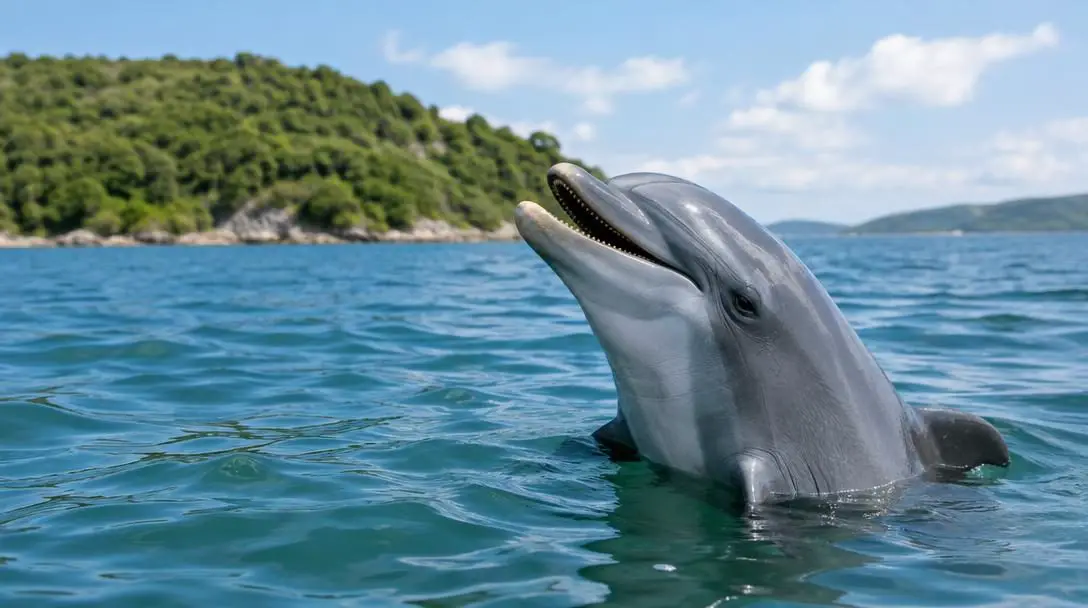
Renowned for their playfulness, dolphins are considered by many scientists to be the second most intelligent animals on the planet, surpassing non-human primates in several cognitive dimensions. With an estimated IQ ranging from 80 to 90, these marine mammals demonstrate an advanced sense of self-awareness that very few species possess.
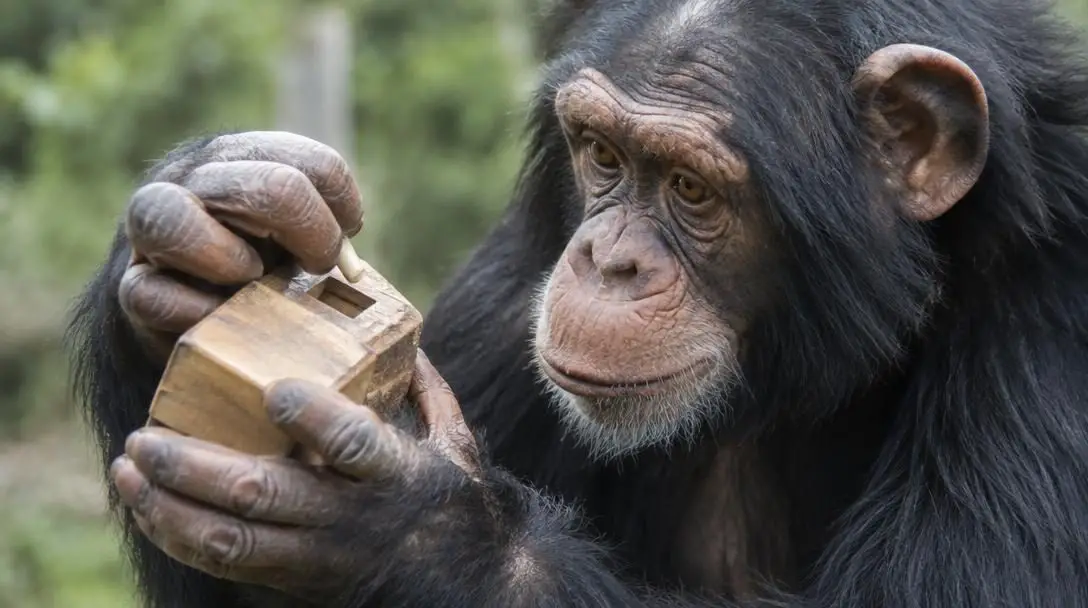
Dolphins can recognize their own reflections in mirrors, demonstrating that they perceive themselves as distinct individuals. Even more striking is their capacity for metacognition—the ability to assess their own knowledge. When faced with tasks of varying difficulty, dolphins show clear signs of confidence or hesitation, adjusting their strategies based on how certain they feel about the outcome. They also show profound empathy, complex social communication, and a clear capacity to process grief when a pod member dies.
True animal intelligence requires repeatable problem-solving, empathy, and the deliberate adaptation of tactics rather than accidental success.
Crow
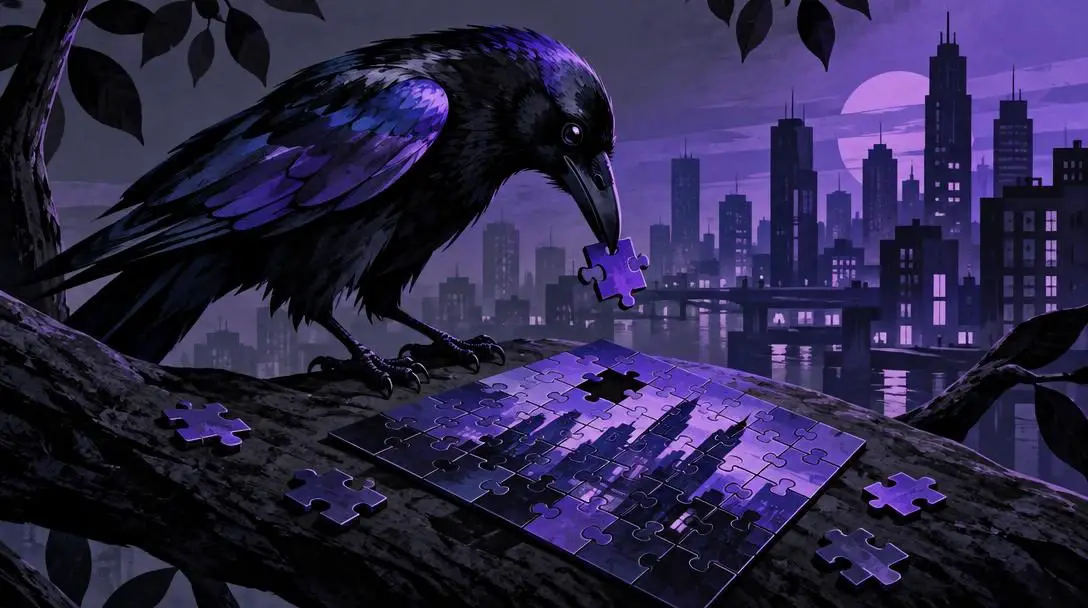
- Brain Anatomy: Exceptionally high brain-to-body mass ratio
- Cognitive Benchmark: Solves multi-step puzzles on par with a young child
- Primary Capabilities: Tool creation, facial memory, community funeral gatherings
Birds are frequently dismissed in discussions of higher intelligence, but crows thoroughly dismantle the assumption that high-level thought requires a mammalian brain. Alongside ravens, jays, and parrots, crows belong to an elite tier of avian thinkers whose intellect is powered by an unusually large brain relative to their body size.
Crows are skilled multi-step problem solvers capable of planning several moves ahead to secure food. They fashion hooks from wire or twigs, drop hard nuts onto pedestrian crosswalks for cars to crack, and remember human faces across many years. Remarkably, crows also hold social gatherings resembling funerals around deceased flock members, evaluating potential dangers in the area and communicating specific threats across the local population.
Octopus
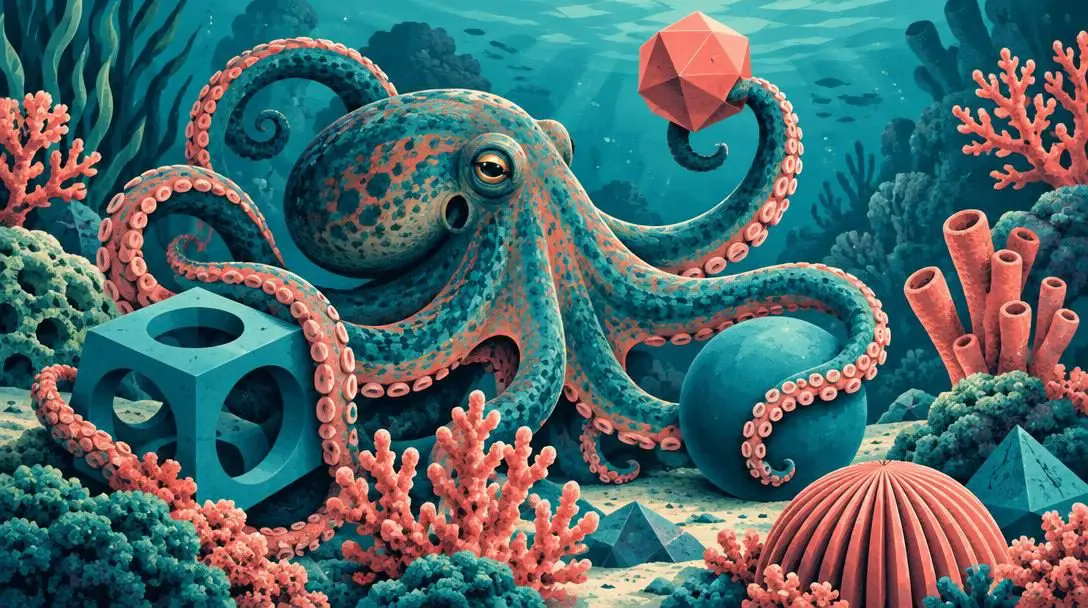
- Classification: Invertebrate marine mollusk
- Genetic Mechanism: Active jumping genes facilitating evolutionary innovation
- Primary Capabilities: Environmental manipulation, mimicry, enclosure escapes, flexible learning
The octopus represents an evolutionary marvel, proving that sophisticated minds can arise independently of backbones and mammalian brain structures. Scientists have discovered that octopuses possess active "jumping genes"—transposable elements shared with humans that permit ongoing genomic innovation and rapid neural adaptation.
In both the wild and laboratory settings, octopuses exhibit startling environmental mastery. They solve complex latches, navigate artificial mazes, unscrew jars from the inside, and manipulate discarded coconut shells into mobile defensive shelters. Their ability to alter skin texture, color, and posture allows them to mimic dangerous marine predators or blend invisibly into coral reefs, illustrating a deeply adaptable, decentralized intellect.
At a Glance: Comparing Cognitive Profiles
While each of these creatures displays remarkable intellect, they excel in different ways. The table below outlines how their biological architecture, social structures, and mental hallmarks compare.
| Species | Key Biological Advantage | Distinct Mental Ability | Primary Environment |
|---|---|---|---|
| Chimpanzee | Neocortex and ~99% shared human genome | Tool fashioning and strategic social planning | Tropical forests and woodlands |
| Elephant | Three times the neurons of a human brain | Lifelong memory and mourning rituals | Savannas and dense forests |
| Dolphin | High neocortex development (IQ 80–90) | Self-awareness and certainty assessments | Oceans and coastal waterways |
| Crow | Dense brain-to-body proportion | Child-level puzzle solving and facial recall | Global urban, woodland, and open biomes |
| Octopus | Jumping genes for genetic plasticity | Escape manipulation and active mimicry | Temperate and tropical marine depths |
How High Intelligence Evolved in Distinct Environments
The existence of advanced cognition in such distinct species shows that intelligence is not a linear ladder culminating in humans. Instead, mental acuity develops in response to distinct ecological pressures, lifestyle requirements, and survival challenges.
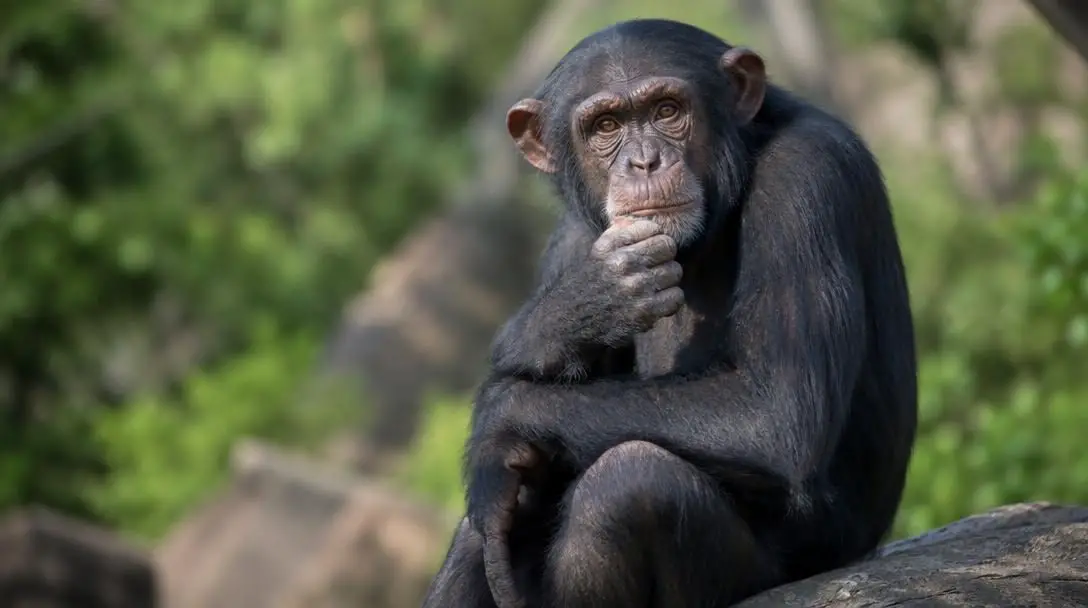
In primates like the chimpanzee, complex social groups drove neurological expansion. Navigating alliances, recognizing deceptive behaviors, and cooperating for foraging required the expansion of the neocortex. Group living turned memory, emotional reading, and communication into core survival traits, cementing the genetic baseline that humans continue to share with great apes.
Conversely, the octopus illustrates divergent evolution. Separation from the evolutionary branch leading to mammals occurred hundreds of millions of years ago. Lacking a rigid skeleton, the octopus needed rapid sensory integration and spatial adaptability to survive as both a soft-bodied predator and a target for larger marine life. Its unique jumping genes facilitated neurological innovation without needing a single centralized brain case, distributing cognitive processing throughout its flexible arms.
For corvids like the crow, flight demanded weight efficiency. Birds could not afford a heavy, bulky cranium like that of an elephant. Evolution resolved this constraint by packing neurons far more densely, allowing small-bodied birds to analyze physics puzzles, anticipate the intentions of rival scavengers, and communicate danger without sacrificing aerodynamics.
Practical Steps for Observing and Supporting Intelligent Wildlife
Engaging with high-functioning wildlife requires careful methodology to protect their behavioral integrity and safeguard their wellbeing. Whether studying corvids in a neighborhood park or supporting marine conservation, follow these systematic guidelines.
- Maintain non-disruptive observation distances: Keep sufficient physical space when watching wild species like crows or coastal dolphins. Observing them without interference ensures their natural foraging, communication, and problem-solving behaviors remain unaltered by human presence.
- Introduce complex cognitive enrichment in captive settings: If caring for rescue animals, sanctuaries must provide ongoing mental challenges. Puzzles, safe manipulation objects, and changing environments prevent psychological atrophy in dolphins, elephants, and octopuses.
- Record behavioral data systematically: When tracking local fauna, maintain an objective log. Note the exact time taken to solve an obstacle, how an animal maneuvers a physical barrier, or how social groups respond to environmental changes.
- Support preservation of migration corridors and territories: High intellect requires ample territory to manifest. Support the preservation of elephant migration trails, intact chimpanzee forest canopies, and clean marine habitats that allow these animals to maintain their normal ranges.
- Advocate for non-invasive cognitive research: Encourage scientific initiatives that assess animal intellect through observation, mirror tests, and voluntary problem-solving games rather than invasive or high-stress laboratory confinements.
Common Pitfalls in Evaluating Animal Cognition
Interpreting animal behavior through a human lens often results in inaccurate conclusions. Avoiding these standard misconceptions provides a much clearer picture of how diverse minds operate.
- Assuming domestic dogs are the most intelligent non-human animals: While canines excel at reading human social cues, species like dolphins, chimpanzees, and crows outmatch them in abstract logic, independent tool design, and metacognition.
- Equating absolute brain mass directly with intellect: Elephants possess huge brains, but crows show that brain-to-body mass ratio and neural density are equally decisive factors in producing high-level puzzle-solving skills.
- Expecting all intelligent behavior to mirror mammalian habits: Humans instinctively look for recognizable facial cues. Invertebrates like the octopus exhibit brilliant tactical planning through skin chromatophores, arm coordination, and mimicry rather than mammalian expressions.
- Mistaking random luck for deliberate cognitive reasoning: A lower-tier animal may occasionally stumble upon a solution by accident. Advanced intelligence is distinguished by repeatability, foresight, and deliberate adjustments when conditions change.
- Ignoring emotional awareness as a measure of intellect: Problem-solving is only one half of the cognitive equation. The capacity to experience grief, exhibit empathy, and understand mortality—as observed in elephants, dolphins, and crows—reflects an equally vital dimension of high intelligence.
Frequently asked questions
Why are dogs not ranked among the top five smartest animals?
Dogs are exceptionally skilled at interpreting human gestures and following training, which makes them appear remarkably clever. However, animals like chimpanzees, dolphins, elephants, crows, and octopuses exhibit higher capabilities in independent problem-solving, self-awareness, tool creation, and abstract reasoning without needing human guidance.
How can scientists measure an animal's IQ?
Scientists estimate animal intelligence by administering standardized cognitive assessments, such as mirror self-recognition tests, memory retention challenges, multi-step mechanical puzzles, and tasks testing whether an animal understands its own uncertainty. These assessments place dolphin cognitive processing around an estimated IQ equivalent of 80 to 90.
Do crows really hold funerals for other dead crows?
Yes. When a crow discovers a dead member of its species, it calls out to attract other nearby crows to gather around the carcass. Studies show this behavior is a deliberate risk-assessment strategy that allows the flock to identify potential predators, learn dangerous locations, and avoid the hazard that killed their companion.
What makes octopus intelligence so different from mammalian intelligence?
Unlike mammals, which concentrate the vast majority of their thinking within a centralized cranium, the octopus distributes its neural processing across its body and arms. Additionally, octopuses utilize jumping genes that allow rapid genetic adaptation, enabling high-level problem-solving, camouflage, and object manipulation without a mammalian neocortex.
Do chimpanzees know how to cook food in the wild?
No. While chimpanzees possess extraordinary dexterity, make complex gathering tools, and share nearly 99% of our genetic code, they have not been known to start fires or cook meals in the wild.
The Bottom Line
The intellectual spectrum of our planet is far richer and more diverse than human exceptionalism often allows us to see. Chimpanzees remind us of our deep evolutionary heritage through their tool use and neocortical processing, while dolphins and elephants highlight the profound intersection of mental processing, empathy, and grief. Simultaneously, crows and octopuses demonstrate that brilliant cognition does not depend on a primate body plan or even a mammalian spine.
Recognizing the advanced minds of these five creatures carries substantial ethical responsibility. Understanding that an elephant mourns its dead, a dolphin evaluates its own certainty, or an octopus plans an escape route from an enclosure changes how humans must approach conservation and welfare. Protecting their environments preserves not just biological biodiversity, but the remarkable tapestry of conscious minds sharing our world.