5 Most Popular Manga of All Time
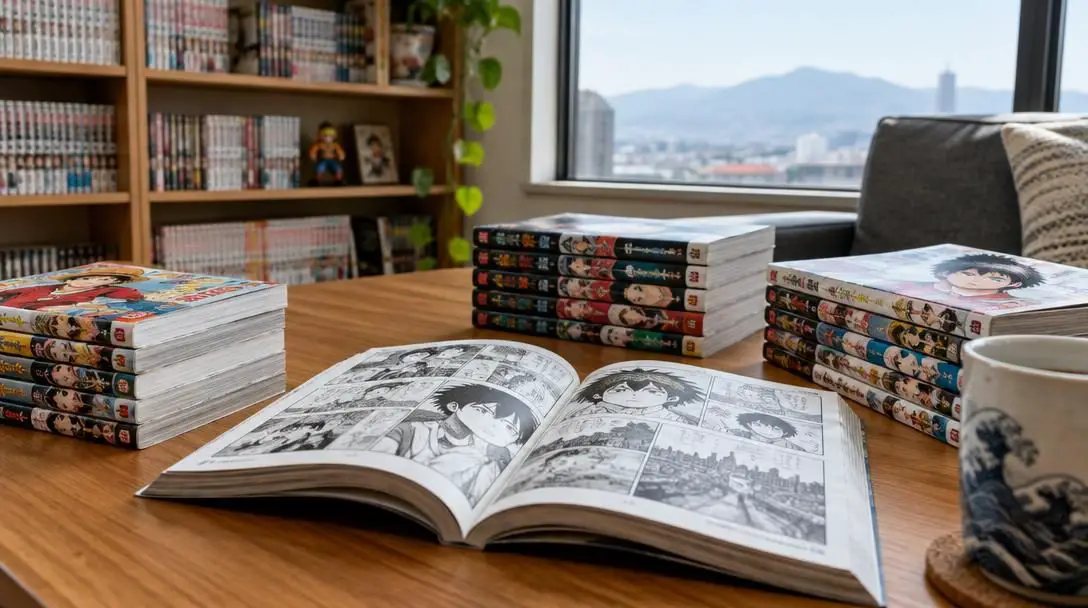
While serialized illustrated stories are commonly recognized in the Western world as graphic novels or comic books, in Japan they are known as manga. Over several decades, this expressive medium has expanded far past its original domestic borders, establishing an enormous global footprint and claiming prime display space in international bookstores and digital libraries alike.
A primary catalyst for this international success is the powerful, symbiotic bond between manga publishers and the animation industry. When high-performing manga receive anime television adaptations, the resulting surge in visual visibility and worldwide streaming exposure routinely sends curious viewers back to the source material to collect volumes, read ahead of broadcasts, and appreciate the original illustrators' unaltered artwork.
Key takeaways
- Eiichiro Oda's One Piece stands as the undisputed best-selling manga of all time, surpassing half a billion copies sold across the globe.
- Iconic series like Dragon Ball, Golgo 13, Case Closed, and Doraemon complete the top five highest-selling franchises across varied genres.
- Manga follows a distinct publishing pipeline that progresses from high-volume anthology magazines into standalone collected paperback editions known as tankobon.
- Traditional Japanese layouts require reading pages and panels from right to left, a format preserved in authentic international publications.
The Five Best-Selling Manga at a Glance
Although thousands of titles have entered circulation over the decades, only a select group has achieved historic commercial heights. The following table highlights the five most popular and highest-selling series in Japanese comic history based on their publication milestones, creators, and format spans.
| Series Title | Creator | Launch Year | Length or Milestone |
|---|---|---|---|
| One Piece | Eiichiro Oda | 1997 | Over 500 million copies sold |
| Dragon Ball | Akira Toriyama | 1984 | 42 collected volumes |
| Golgo 13 | Takao Saito | 1968 | Saito Production continuation |
| Case Closed (Detective Conan) | Gosho Aoyama | 1994 | More than 100 volumes |
| Doraemon | Fujiko F. Fujio | 1969 | 42 collected volumes |
Profiles of the Five Record-Breaking Manga Franchises
Diving into the highest-selling titles provides a clear window into the storytelling motifs that capture readers across multiple generations. Spanning action adventures, martial arts, political thrillers, detective mysteries, and family-friendly speculative fiction, these five titles represent the pinnacle of manga popularity.
One Piece
- Creator: Eiichiro Oda
- Debut Year: 1997
- Sales Milestone: Over half a billion copies sold
- Key Characters: Monkey D. Luffy and the Straw Hat Pirates
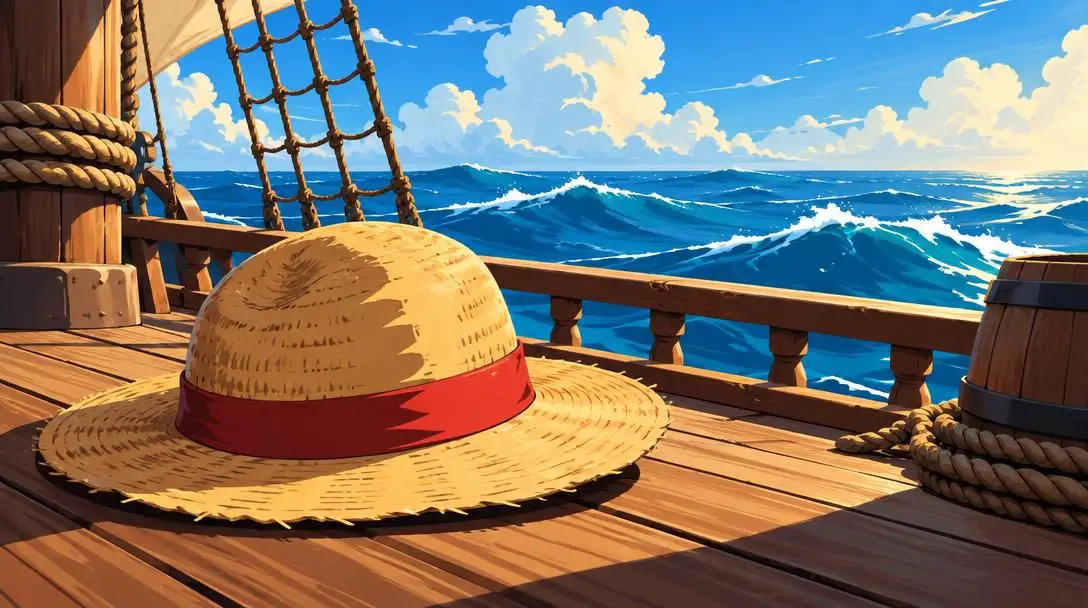
Holding the top position as the best-selling manga of all time, One Piece chronicles the globe-trotting journey of Monkey D. Luffy. After inadvertently consuming an unusual supernatural item known as a Gum Gum Fruit, Luffy gains a body possessing the elastic physical properties of rubber. Unshaken by the perils of the open ocean, he sets out to assemble a loyal, eccentric crew named the Straw Hat Pirates, seeking to locate the legendary titular treasure left behind by the prior pirate era and claim the title of king of the pirates.
Eiichiro Oda's magnum opus has built a sustained level of reader engagement that remains unmatched in the publication industry. Selling over half a billion copies worldwide, the property has proven that its sprawling ocean-faring saga, layered world-building, and vibrant visual imagination connect powerfully with audiences regardless of whether they consume the series in print, animated television, or spin-off formats.
Dragon Ball
- Creator: Akira Toriyama
- Debut Year: 1984
- Collected Length: 42 volumes
- Core Influences: Journey to the West and martial arts cinema
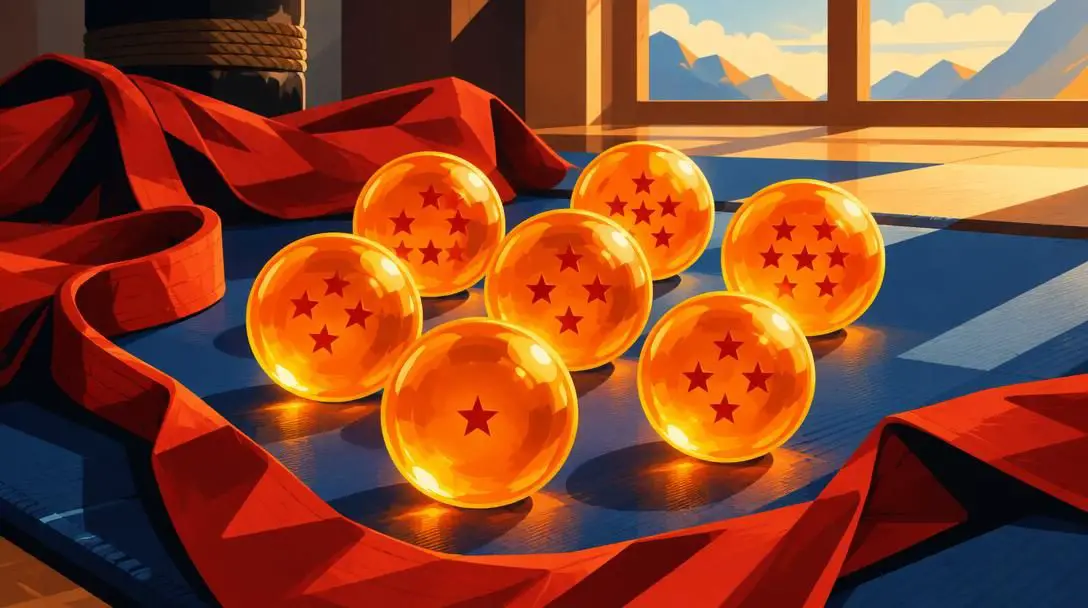
Occupying the second spot among the all-time best-sellers is Dragon Ball, Akira Toriyama's monumental martial arts adventure. Drawing early inspiration from the classic Chinese literary epic Journey to the West alongside vintage martial arts cinema, the 42-volume run follows the life of Son Goku from his early youth living in rural isolation to his growth into an adult martial artist defending the planet from devastating threats.
A central pillar of the narrative revolves around the search for the seven dragon balls—mystical spherical relics scattered across the globe that, when reunited, summon a colossal dragon capable of granting wishes. Over several decades, the initial manga pages laid the groundwork for an enormous media ecosystem, spawning iconic animated feature films, interactive home video games, and expansive sequel series that maintain Son Goku's worldwide cultural relevance.
Golgo 13
- Creator: Takao Saito
- Debut Year: 1968
- Protagonist Alias: Duke Togo
- Adaptation Formats: Anime and live-action
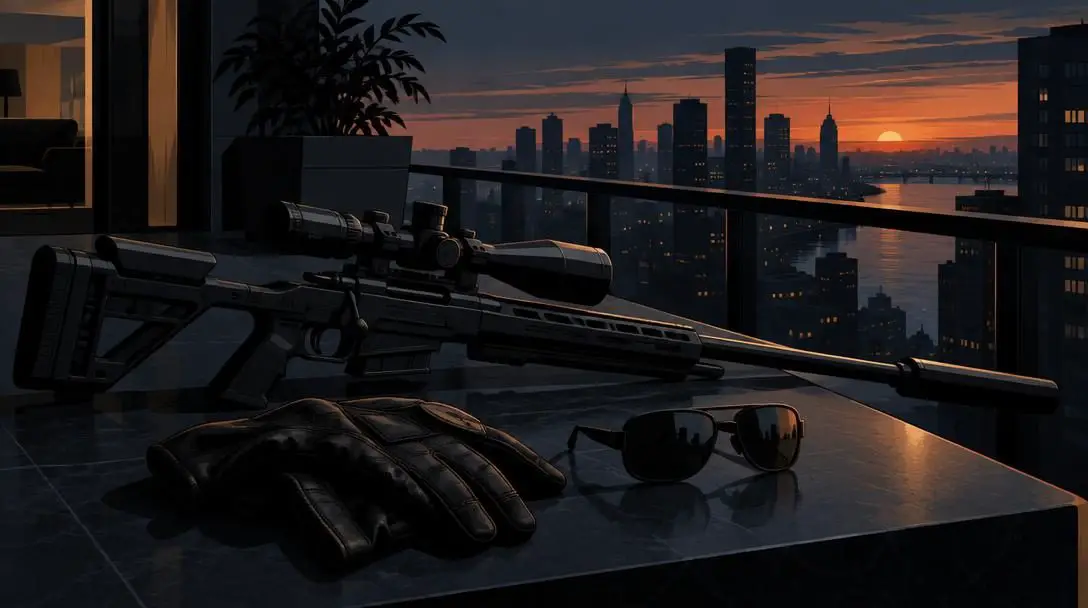
Ranking as the third best-selling manga series is Golgo 13, a gritty, grounded procedural thriller created by Takao Saito in the late 1960s. The narrative revolves around the clinical operations of a legendary freelance assassin operating under the pseudonym Duke Togo. Renowned for his stoic professionalism, sharp marksmanship, and refusal to let personal emotion compromise an assignment, Togo navigates a web of espionage, organized crime, and high-level international political operations.
The series has sustained a continuous publication rhythm for decades, earning adaptations across anime and live-action feature films. Following the passing of creator Takao Saito in 2021, the publication did not end; honoring Saito's explicit personal wishes, his dedicated creative studio and seasoned production staff stepped forward to keep the long-running publication alive for modern audiences.
Case Closed
- Creator: Gosho Aoyama
- Debut Year: 1994
- Original Title: Detective Conan
- Volume Milestone: Exceeds 100 collected books
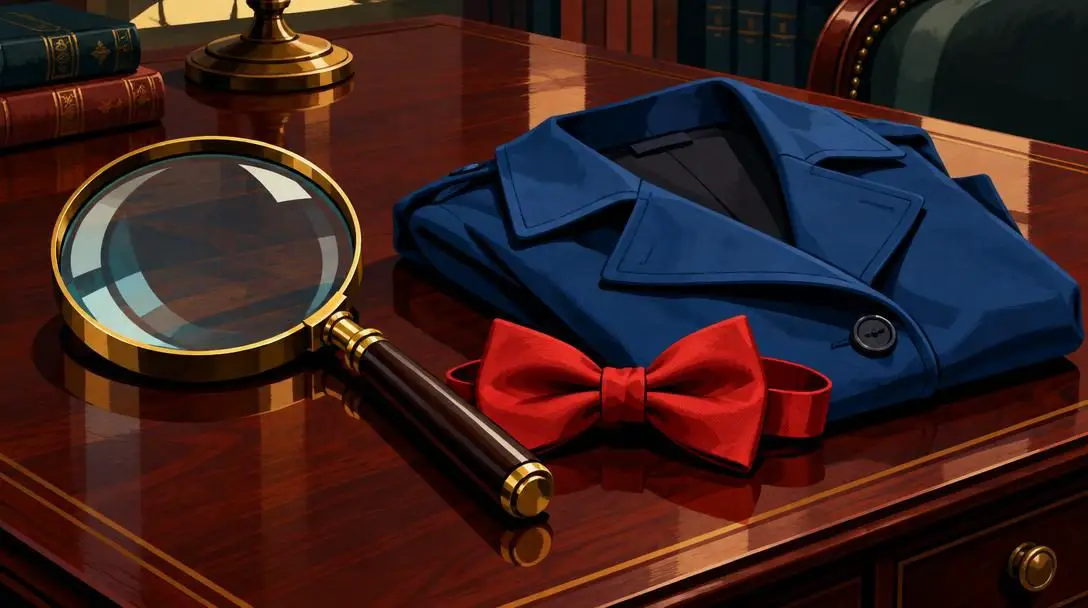
Taking the fourth position is Gosho Aoyama's premier mystery property, Case Closed, recognized in Japan and many international territories as Detective Conan. The story introduces Jimmy Kudo (Shinichi Kudo), a brilliant high school prodigy whose analytical capabilities regularly assist municipal police forces in unraveling bewildering homicides and complex crime scenes.
Jimmy's routine takes an unexpected turn when agents of a covert criminal organization force-feed him an experimental toxic compound designed to eliminate him without leaving physical trace evidence. Instead of ending his life, the drug unexpectedly de-ages his biological structure into that of a grade-school boy. Assuming a new alias to conceal his true identity from the syndicate, Jimmy moves in with a childhood friend and accompanies her private investigator father on criminal investigations, covertly solving cases behind the scenes while searching for a cure.
Doraemon
- Creator: Fujiko F. Fujio
- Debut Year: 1969
- Collected Length: 42 volumes
- Primary Media: Anime series (1973, 1979, 2005) and 40+ films
The fifth best-selling manga franchise of all time is Doraemon, the beloved sci-fi comedy produced by Fujiko F. Fujio. The lighthearted narrative centers on an earless robotic cat sent backward in time from the distant future to guide and support Nobita Nobi, an unmotivated and academically struggling young schoolboy whose routine misfortunes threaten the future prosperity of his descendants.
Equipped with a fourth-dimensional pocket containing whimsical futuristic gadgets, Doraemon constantly steps in to rescue Nobita from social mishaps, school dilemmas, and neighborhood bullies. The original 42-volume manga created a cultural legacy that includes three television runs beginning in 1973, 1979, and 2005, over forty animated movies, and numerous video game releases across handheld consoles such as the Game Boy, Game Boy Color, and Nintendo DS.
A great manga does not merely tell an episodic story; it builds an immersive world whose original printed pages outlast generations of media trends.
Understanding the Japanese Comic Publishing Pipeline
To fully appreciate how these five flagship series achieved sustained commercial dominance, readers must grasp the unique structural framework of the Japanese comic industry. The medium relies on a sequential editorial pipeline that tests reader loyalty long before physical graphic novels reach international bookshelves.
The vast majority of manga narratives debut as serialized installments within thick, newsprint-quality anthology magazines. These massive volumes—often published on weekly, bi-weekly, or monthly schedules—feature simultaneous chapters from dozens of unrelated series across various genres. Readers vote on their favorite stories, providing editorial departments with real-time feedback regarding which plots hold audience attention.
When a particular series maintains favorable reader reception over several months, its serialized chapters are gathered, re-edited, and bound into independent paperback collections called tankobon. These standalone volumes allow collectors to purchase individual storylines in a durable, shelf-ready format. If tankobon sales perform strongly, studio production committees subsequently commission anime adaptations, home video games, and expansive merchandise lines, bringing an influx of newly converted readers back to the physical page.
Navigating Manga Format and Directional Layout
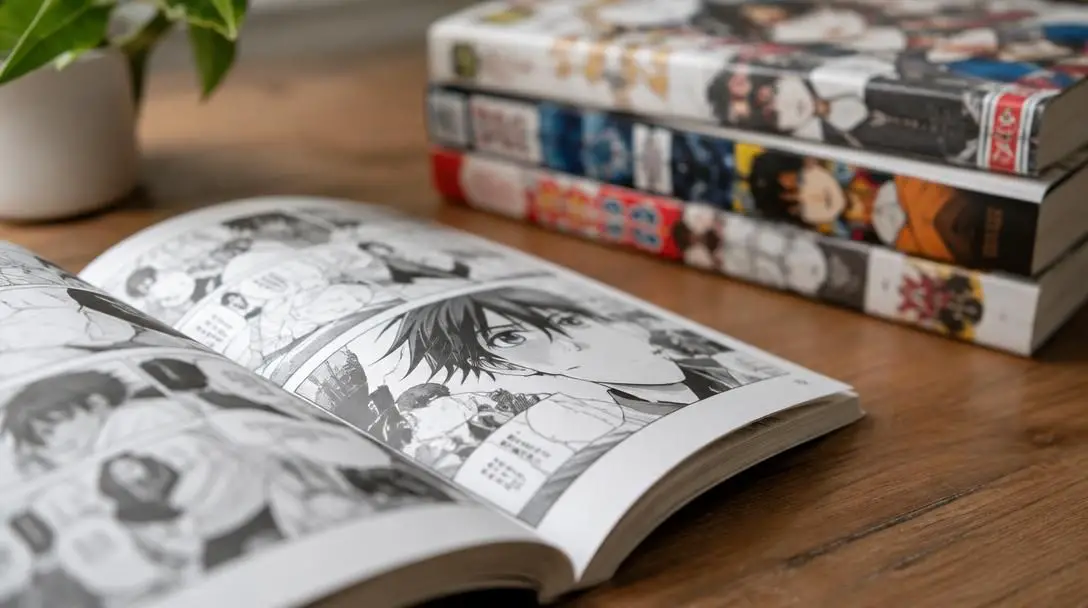
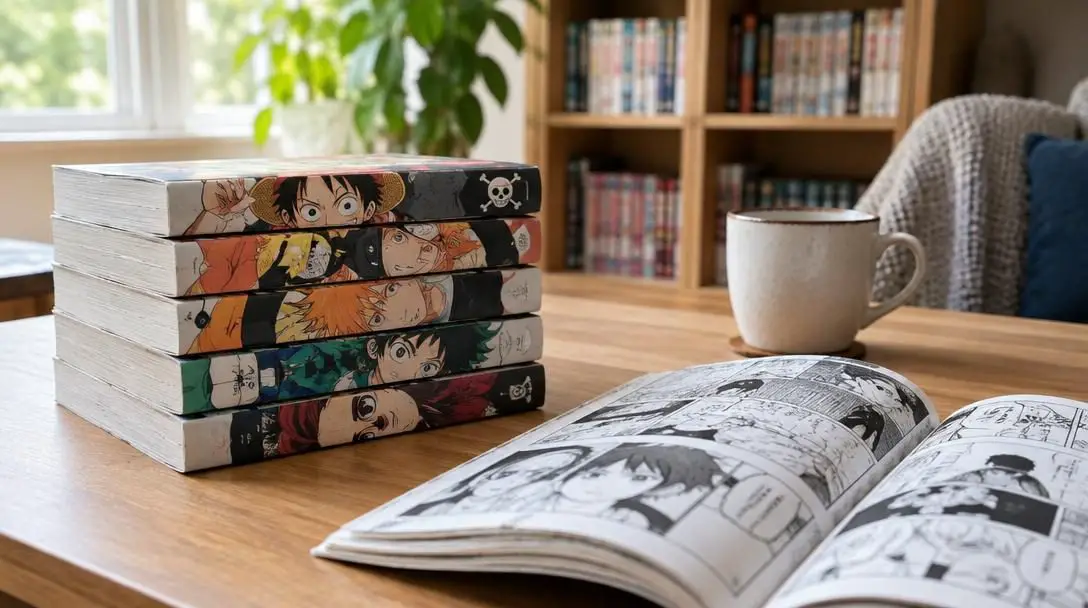
Western graphic novels read horizontally from left to right, but authentic Japanese manga requires readers to navigate pages in reverse. Because traditional Japanese script reads vertically and from right to left, manga panels and speech bubbles follow the same natural eye path.
A reader opens a traditional manga volume from what Western conventions consider the back cover. Reading begins at the upper right-hand panel, tracks horizontally across to the upper left, and then steps down to the next row of art. Mastering this visual orientation takes only a short period of practice, but recognizing it early prevents confusion when interpreting dramatic scene transitions and dialogue timing.
Step-by-Step Guide to Reading and Collecting Manga
Entering the vast ecosystem of Japanese comics can seem intimidating, especially when dealing with legendary series spanning dozens or hundreds of volumes. This structured approach helps ensure a smooth transition into reading and building a collection:
- Choose between digital platforms and physical print: Determine whether you prefer the tactile experience of holding printed paperbacks on your bookshelf or the space-saving convenience of authorized digital reading applications.
- Begin with foundational introductory volumes: Resist the urge to dive into ongoing story arcs midway through a series. Starting at volume one of works like One Piece or Dragon Ball establishes essential character origins, motivations, and foundational rules of the universe.
- Train your eye to follow right-to-left panel flow: Before reading extended dialogue, scan the panel borders and speech balloon placements from top-right downward to bottom-left to build natural reading fluency.
- Monitor and record your volume progress: Given that sagas such as Case Closed exceed one hundred individual volumes, maintaining a physical reading checklist or digital log ensures you never skip crucial narrative arcs.
Common Reading Mistakes to Avoid
Newcomers to Japanese graphic literature frequently run into a series of predictable misconceptions. Keeping these common missteps in mind will improve your reading experience:
- Assuming the medium is exclusively for children: While family-oriented titles like Doraemon emphasize humor and youth-friendly themes, series like Golgo 13 are aimed directly at adult demographics interested in international political conflict and high-stakes criminal investigations.
- Inverting the panel and dialogue order: Attempting to read a traditional page from left to right reverses character exchanges, ruining dramatic punchlines and rendering complex deductions incomprehensible.
- Treating anime adaptations as exact duplicates: Relying exclusively on animated series causes readers to miss the intricate linework, unique author notes, and subtle panel pacing originally crafted by creators such as Eiichiro Oda, Akira Toriyama, and Gosho Aoyama.
- Attempting to collect multiple massive series at once: Taking on expansive multi-volume epics simultaneously can lead to rapid reader fatigue; focusing on one primary narrative allows you to fully engage with an author's storytelling rhythm.
Choosing Your Next Series Based on Narrative Taste
Once you understand the distinct qualities that elevated these five series to historical heights, selecting subsequent titles becomes an intuitive process. Your personal enjoyment of specific elements in these foundational stories serves as an ideal guide for your broader reading journey.
Readers who appreciate the intense training arcs, martial arts choreography, and expanding character powers seen in Son Goku's journey throughout Dragon Ball will naturally enjoy expansive action-adventure series that reward long-term character progression. Similarly, those drawn to the sweeping ocean voyages and deep crew bonds of One Piece will find satisfaction in grand ensemble narratives centered on ambitious, high-stakes journeys.
If your interests lean toward the analytical, step-by-step deductions of Jimmy Kudo in Case Closed, your reading list should expand toward investigative crime fiction, psychological thrillers, and courtroom dramas. Alternatively, if the calculating, unflinching professionalism of Duke Togo in Golgo 13 provided the most compelling moments, exploring mature procedural dramas and historical espionage is the logical path forward. Finally, for those who love the lighthearted whimsy and speculative problem-solving of Doraemon, humorous episodic fantasies and cheerful family comedies offer an inviting, timeless catalog.
Frequently asked questions
Which manga has sold the most copies in history?
Eiichiro Oda's One Piece holds the title of best-selling manga of all time, having surpassed over half a billion copies sold across the globe since its debut in 1997.
Why are Japanese manga books printed from right to left?
Manga is illustrated and printed from right to left to match traditional Japanese reading conventions, where written characters and visual sequences flow from top to bottom and right to left.
Did Golgo 13 stop publishing after its creator passed away?
No. When creator Takao Saito passed away in 2021, the series continued publication in accordance with his personal wishes, produced by his creative studio and production staff.
What is the difference between an anthology magazine and a tankobon?
An anthology magazine is a large, periodic publication containing individual chapters from dozens of different ongoing series, whereas a tankobon is a dedicated, collected paperback book containing chapters of a single title.
Are Case Closed and Detective Conan the same manga?
Yes. Case Closed is the localized English title for Gosho Aoyama's long-running mystery series originally named Detective Conan.
The bottom line
The global ascent of Japanese graphic storytelling reflects decades of creative dedication, innovative narrative structures, and an intimate partnership with animation studios. While thousands of distinctive series populate the medium, One Piece, Dragon Ball, Golgo 13, Case Closed, and Doraemon remain the undeniable historic cornerstones of manga publishing. By appreciating their publishing history, respecting their unique visual format, and exploring their diverse genres, readers can approach the world of manga with confidence and lasting enjoyment.