5 Most Rare and Valuable Bibles
The Holy Bible holds an unparalleled position in the history of print and religious literature. As the most widely distributed book across the globe, an estimated four billion copies have been sold over the past half-century alone. While contemporary print runs produce millions of accessible study editions, pocket volumes, and complimentary gift copies, select historical editions have transcended everyday devotional use to become some of the most expensive and sought-after physical artifacts in the world.
When rare religious manuscripts and milestone printings appear on the international auction block, institutional endowments and private collectors commit tens of millions of dollars to secure them. Valuing these masterpieces requires accounting for inflation across decades of historical auctions, revealing how craftsmanship, survival against the odds, and monumental cultural shifts create exceptional market value.
Key takeaways
- The Printer's Manuscript of the Book of Mormon holds the all-time price benchmark for a sacred text after selling for an inflation-adjusted valuation topping $38.7 million.
- Monumental medieval manuscripts, such as the 44-pound Sherborne Missal and the Gospels of Henry the Lion, command multi-million-dollar valuations due to their singular artistic illuminations and extraordinary preservation.
- Physical scale does not dictate value, as shown by the pocket-sized 8th-century St. Cuthbert Gospel, which remains the oldest intact Western book in existence.
- Market valuation hinges primarily on documented provenance, physical condition, textual completeness, and absolute scarcity rather than age alone.
Comparing the most valuable sacred texts at a glance
Evaluating historical sales requires standardizing auction figures using modern purchasing power. The table below details the five most valuable sacred texts, their origins, and their record-setting adjusted sale prices.
| Sacred Text | Origin Era | Key Figure or Origin Location | Inflation-Adjusted Valuation |
|---|---|---|---|
| The Printer's Manuscript of the Book of Mormon | Early 19th Century | Joseph Smith / United States | Over $38.7 million |
| The Sherborne Missal | Early 15th Century | Abbey of St. Mary, Sherborne, England | Over $32.5 million |
| The Gospels of Henry the Lion | 12th Century (c. 1175) | Brunswick Cathedral, Germany | Nearly $32 million |
| The St. Cuthbert Gospel | Early 8th Century | Northumbria, England | Roughly $17 million |
| The Bay Psalm Book | 1640 | Cambridge, Massachusetts | $16.5 million |
The five most rare and valuable sacred texts and bibles
Each of the following works represents a monumental transition in religious scholarship, bookmaking craft, or regional printing history. Their survival reflects exceptional care by custodial institutions over centuries.
The Printer's Manuscript of the Book of Mormon
- Date of Modern Origin: Early 19th century
- Adjusted Valuation: Over $38.7 million
- Acquiring Entity: The Church of Jesus Christ of Latter-day Saints
- Key Associated Names: Joseph Smith, Oliver Cowdery
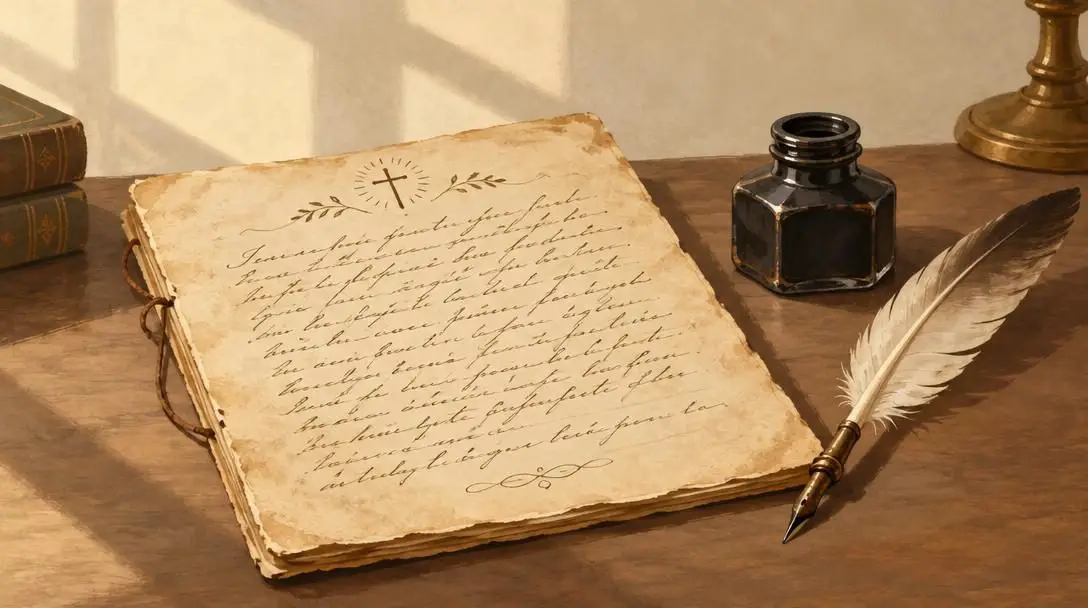
The Book of Mormon serves as the foundational, central religious scripture of the Latter Day Saints movement. According to faith tradition, the textual history began in the 7th century BC and was concluded nearly a millennium later. In modern history, the text emerged during the early 19th century in the United States, when Joseph Smith, the founder of Mormonism, produced the handwritten English text following his translation of ancient records.
The resulting manuscript served as the direct source copy used by typesetters to print the initial run of the scripture. The physical transcript originally belonged to Oliver Cowdery, an early associate of Smith, before eventually transferring to the Reorganized Church of Jesus Christ of Latter Day Saints around the turn of the 20th century. In 2017, the modern Church of Jesus Christ of Latter-day Saints purchased this founding artifact for a price that translates to more than $38.7 million when adjusted for inflation, cementing its status as the most financially valuable sacred text ever sold.
The Sherborne Missal
- Date of Origin: Early 15th century
- Physical Dimensions: 21 by 15 inches; 44 pounds
- Adjusted Valuation: Over $32.5 million
- Current Repository: The British Library
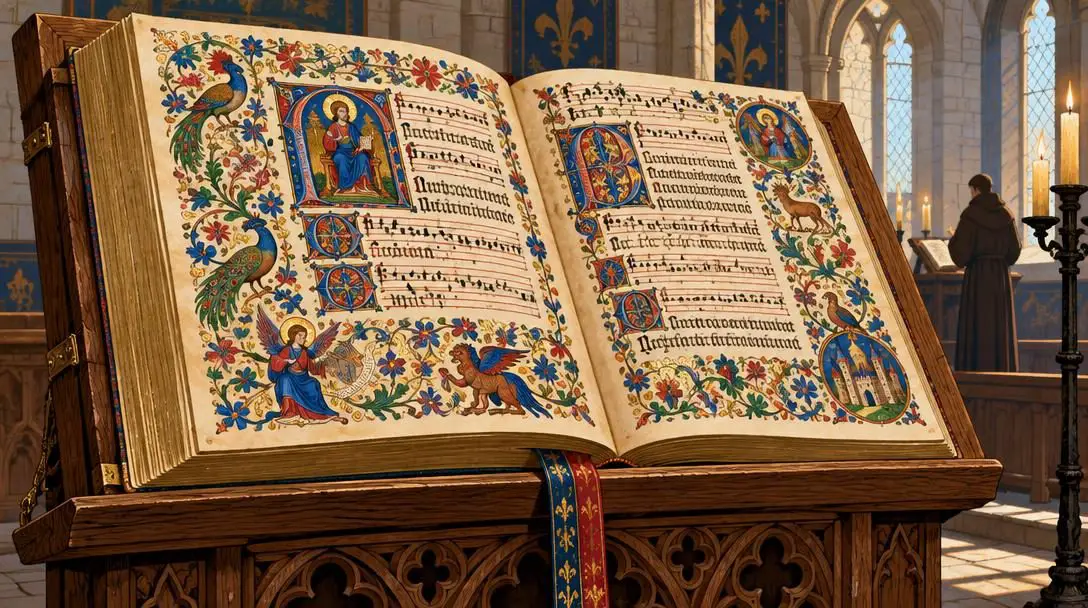
Commissioned around the turn of the 15th century by Abbot Robert Bruyning for the Abbey of St. Mary in Sherborne, England, the Sherborne Missal represents the apex of late-medieval English manuscript illumination. The volume was lettered and illustrated by the talented scribe and artist John Whas, whose intricate decorative motifs, detailed marginalia, and depictions of regional wildlife span 347 richly prepared vellum leaves.
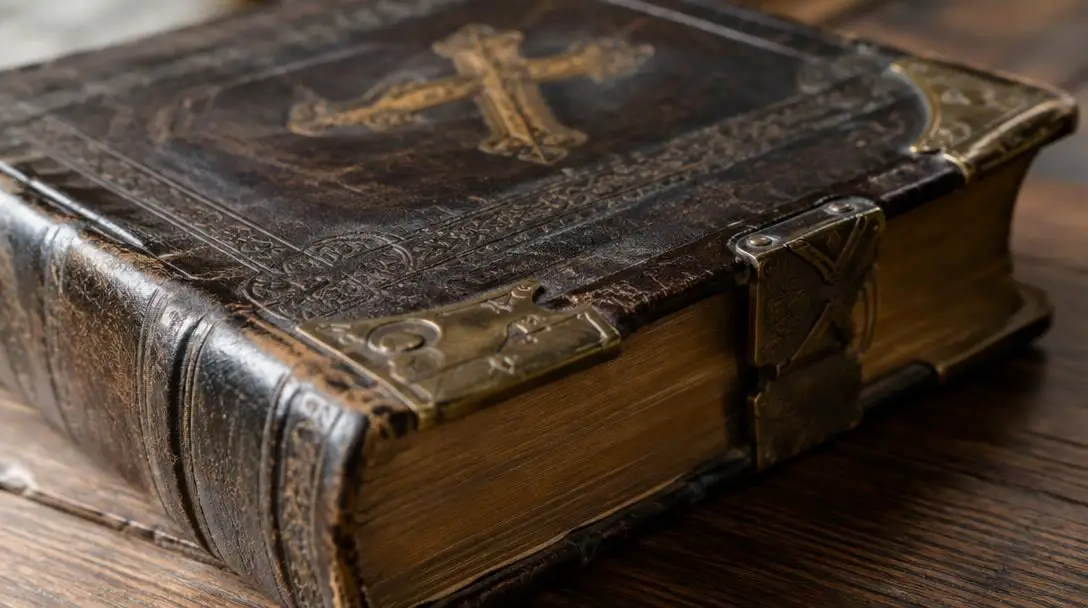
The physical presence of the missal is as imposing as its artistry. Measuring slightly over 21 inches tall by 15 inches wide and weighing an astonishing 44 pounds, it was designed for liturgical ceremony rather than portable reading. To protect the national treasure from private dispersal, the British Library acquired the work in 1998 for $21 million, an investment that exceeds $32.5 million in modern currency.
The Gospels of Henry the Lion
- Date of Origin: c. 1175–1188
- Adjusted Valuation: Nearly $32 million
- Original Commission: Brunswick Cathedral High Altar
- Display Frequency: Exhibited once every two years
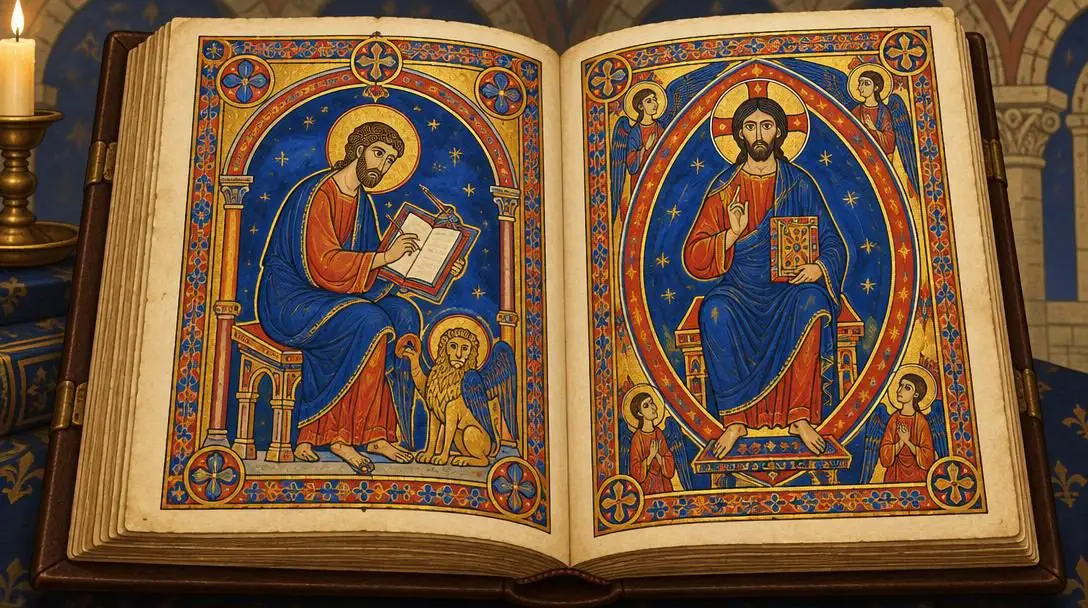
Commissioned during the late 12th century by Duke Henry the Lion of Saxony for the altar of the Virgin Mary at Brunswick Cathedral, this Romanesque gospel book is celebrated worldwide for its artistic sophistication. Scholars calculate that the creation of the manuscript began around 1175 and required well over ten years of continuous labor by monastic scribes and master illuminators to complete.
The manuscript extends across 260 pages, housing the complete texts of the four canonical Gospels accompanied by dozens of brilliant, full-page illuminations. When it appeared at auction in 1983, it captured global headlines by commanding more than 8 million British pounds, setting a new world record as the most expensive book ever purchased. Preserved in near-mint condition, the manuscript is held in specialized vaults and brought out for public viewing only once every two years to avoid light-induced degradation of its historic mineral pigments.
Masterpieces like the Gospels of Henry the Lion and the Sherborne Missal were commissioned as ceremonial showpieces for high altars rather than working volumes subjected to routine handling.
The St. Cuthbert Gospel
- Date of Origin: Early 8th century
- Physical Dimensions: Under 5.5 inches in length
- Adjusted Valuation: Roughly $17 million
- Historical Distinction: Oldest surviving intact European book
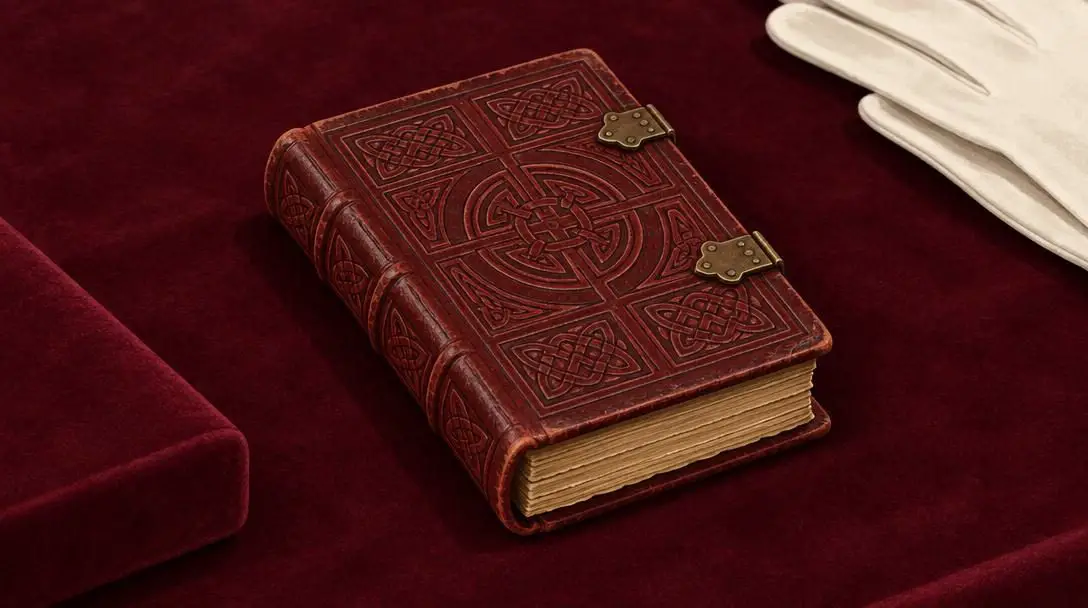
In striking contrast to massive cathedral missals, the St. Cuthbert Gospel is a compact pocket volume measuring under 5.5 inches in length. Created during the golden age of Northumbrian monastic scholarship in the early 8th century, this small work contains just under 100 parchment leaves carrying the Gospel of Saint John in Latin. Its red goatskin binding represents the earliest known intact Western bookbinding in existence.
Small-format personal volumes from late antiquity and the early Middle Ages were vulnerable to fire, dampness, and normal handling friction, making the survival of this pocket gospel miraculous. It was originally preserved inside the tomb of Saint Cuthbert at Lindisfarne, which sheltered it during Viking raids. In 2012, after an ambitious nationwide fundraising campaign, the British Library acquired the artifact for a modern-adjusted sum of approximately $17 million.
The Bay Psalm Book
- Date of Origin: 1640
- Place of Printing: Cambridge, Massachusetts
- Adjusted Valuation: $16.5 million
- Known Copies: 11 intact copies worldwide
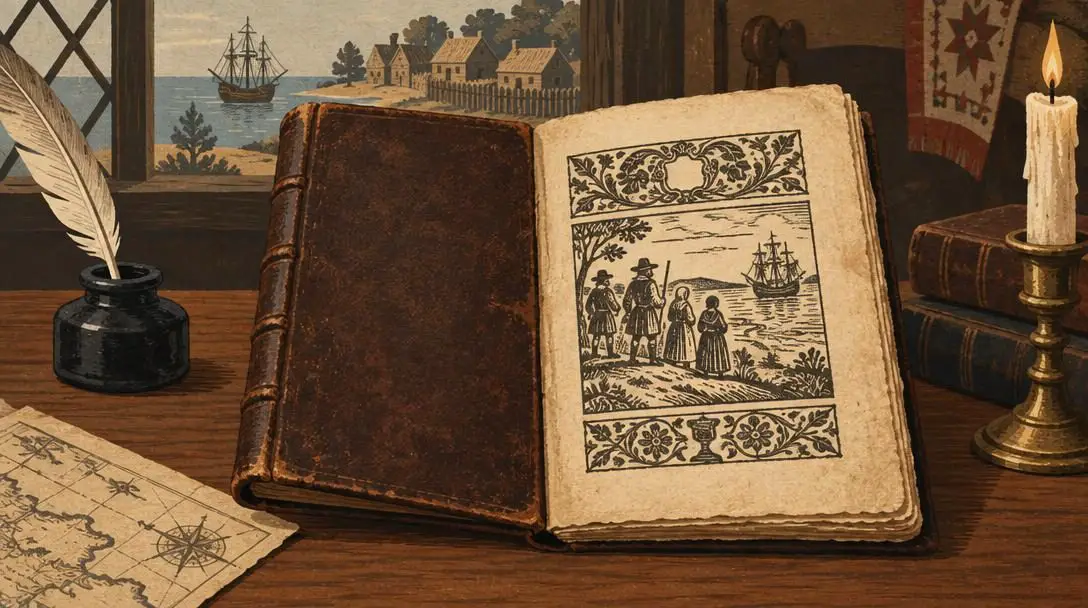
Formally titled The Whole Booke of Psalms Faithfully Translated into English Metre, the volume universally known as the Bay Psalm Book holds a sacred place in American bibliographic history. Printed in Cambridge, Massachusetts, in 1640 by the Puritan settlers of the Massachusetts Bay Colony, it represents the very first English-language book printed in British North America.
The Puritans sought a direct, unvarnished metrical translation of the Hebrew psalms suitable for congregational singing. Despite an initial print run estimated at roughly 1,700 copies, heavy daily usage in church assemblies wore the fragile rag-paper copies down over the centuries. Today, only 11 complete copies are known to survive. In 2013, an original copy went to auction and was purchased by art collector and investor David Rubenstein for a sum equivalent to $16.5 million today, setting the record for printed Americana.
Why ancient and early modern religious texts endure
The physical preservation of any paper or parchment artifact across multiple centuries is exceptional. Organic materials are vulnerable to mold, insects, fluctuating humidity, fire, and human conflict. The texts on this list survived down to the present day due to distinct custodial practices:
- Institutional Stewardship: Cathedral chapters, abbey scriptoriums, and early university libraries maintained protective stone vaults that safeguarded fragile volumes from environmental degradation and civil unrest.
- The Aura of Sanctity: Because religious volumes were treated as holy vessels containing divine truth, they were handled with reverence and protected with greater care than administrative, scientific, or secular records.
- Ceremonial Altar Display: Monumental items were often treated as display treasures intended for special high-altar feasts, sparing them the daily mechanical wear experienced by everyday prayer books.
- Sacred Relic Associations: Smaller volumes, such as the St. Cuthbert Gospel, survived because they were intertwined with the memory of venerated holy figures, prompting religious communities to guard them as holy relics inside tombs and reliquaries.
Key factors that determine rare book valuation
The astronomical prices fetched by historic Bibles reflect a strict set of evaluative criteria used by international auction houses and certified appraisers. Age alone does not dictate financial value; instead, pricing depends on four core attributes:
- Absolute Scarcity: Market dynamics shift dramatically when only a handful of examples exist. When only 11 copies of a milestone print run survive, or when a unique illuminated manuscript comes to market, institutional buyers compete aggressively.
- Physical Condition and Completeness: A missing title page, excised woodcut plates, or modern rebacking can significantly reduce an antique book's valuation. Volumes retaining their original sewing structure, untrimmed margins, and unblemished vellum command the highest prices.
- Unbroken Provenance: A clearly documented chain of custody from the modern owner back through distinguished private libraries, monastic foundations, or historical figures guarantees authenticity and reassures institutional buyers.
- Historical and Textual Primacy: Works that mark structural milestones in print technology—such as the earliest press output in North America—possess broader cultural importance that attracts non-religious collectors and national museums.
How to evaluate an antique family Bible
Many families possess inherited antique Bibles and wonder whether their heirloom holds exceptional financial value. While discovery of an unrecorded 17th-century masterpiece is rare, collectors and heirs can determine the historical nature of their volume by following this systematic process.
- Inspect the Title Page: Open the book to the main title page to locate the printer's imprint, the publication year, the translation style (such as the King James Version or the Geneva Bible), and the city of publication. Confirm whether separate title pages exist for the Old and New Testaments.
- Examine the Binding: Inspect the spine, hinges, and boards. Determine whether the binding consists of contemporary blind-tooled calfskin or if the volume was repaired or rebound during the 19th or 20th century with modern cloth, synthetic adhesives, or non-period endpapers.
- Collate Leaves and Plates: Carefully check that every page is present. Historical volumes often suffer from extracted engravings, missing frontispieces, clipped family record pages, or lost indices that compromise completeness.
- Document Family History Records: Review the blank recording pages bound between the testaments. Handwritten entries noting family marriages, births, and deaths carry immense genealogical and regional historical significance, even when the book itself is a common 19th-century trade edition.
- Cross-Reference Rare Book Databases: Compare your copy's specific publication details against reputable bibliographic databases, library union catalogs, and professional antiquarian bookseller listings.
- Obtain a Professional Appraisal: If the Bible pre-dates the year 1800, features hand illumination, or possesses verifiable ties to notable historical figures, consult an accredited antiquarian bookseller or professional archival appraiser for a formal written valuation.
Frequent collector missteps and preservation practices
Preserving early religious works requires careful handling and informed care. Amateurs often inadvertently damage significant editions by making easily avoidable mistakes:
- Confusing Mere Age with High Market Value: Millions of Victorian-era family Bibles were mass-produced in the late 19th century using industrialized steam presses. Despite their ornate embossed leather covers and brass clasps, most hold modest market values.
- Attempting Harmful DIY Restorations: Applying pressure-sensitive adhesive tape, standard household glues, or commercial leather oils to old bindings can stain the paper, trigger chemical decay, and ruin collector value.
- Storing Volumes in Hostile Climates: Storing antique Bibles in uninsulated attics, damp basements, or direct sunlight exposes paper to moisture fluctuations, mold outbreaks, accelerated acidification, and fading.
- Discarding Contextual Provenance: Removing original bookplates, marginal owner signatures, or inserted purchase receipts erases key evidence that validates the book's history.
To ensure antique texts endure for future generations, maintain an indoor environment with stable relative humidity between 35% and 50% alongside consistent temperatures. Store delicate or fragile works flat inside custom-fitted, acid-free archival enclosures to shield leaves from dust and ambient light. When handling early works, use clean, dry hands and support the binding spine with a specialized book cradle rather than forcing heavy covers flat onto a rigid table.
Frequently asked questions
Is every Bible printed before 1800 worth thousands of dollars?
No. While early printing dates can increase collector interest, factors like textual completeness, binding condition, the fame of the press, and overall rarity are what truly establish financial worth. Tens of thousands of 18th-century Bibles survive in worn or defective condition with modest market values.
What makes the Bay Psalm Book so valuable compared to other 17th-century books?
The Bay Psalm Book represents the beginning of English printing in North America, produced in Cambridge, Massachusetts, in 1640. Because only 11 intact copies are known to exist worldwide, its extreme rarity and historical significance drive multi-million-dollar valuations.
Why did the Printer's Manuscript of the Book of Mormon command over $38 million?
The manuscript is the master handwritten document used to set the type for the very first printed edition of the Book of Mormon. As the foundational primary artifact of the Latter Day Saints movement, its uniqueness and spiritual importance commanded a historic valuation.
How can you tell if an antique Bible is missing pages?
Antique books are evaluated through collation. Because page numbers in older books can contain printer errors or skip numbers, experts examine signature marks (small letter and number codes printed at the bottom of sheets) to verify that every quire and leaf remains fully intact.
What is the best way to handle a fragile antique Bible at home?
Always handle historic books with clean, dry hands rather than gloves, which reduce tactile sensitivity and increase the risk of tearing fragile paper. Support the spine at an angle with a reading cradle or soft cushion to avoid cracking the structural binding hinges.
The bottom line
The extraordinary valuations achieved by historic Bibles and sacred manuscripts highlight the intersection of devotion, craftsmanship, and historic survival. From the tiny pocket format of the St. Cuthbert Gospel to the massive, illuminated grandeur of the Sherborne Missal, these volumes are far more than physical paper and leather. They are cultural touchstones that have weathered centuries of religious and social transformation, reminding collectors and readers of the enduring power of the written word.