5 Must-See Attractions In Saudi Arabia
For generations, international travel across the Arabian Peninsula centered almost entirely on commercial ventures and sacred pilgrimages. Millions of pilgrims crossed borders to fulfill spiritual obligations, while business professionals navigated bustling commercial corridors. Beyond these defined journeys, general leisure exploration remained largely out of reach for everyday vacationers, prompting travel authorities like Lonely Planet to describe Saudi Arabia as one of the last true frontiers of global tourism.
Today, the kingdom has opened its doors to international holidaymakers, unveiling a vast landscape defined by remarkable natural contrasts and layered historical heritage. From the sweeping red and gold dunes of the desert interior to the sparkling coral shallows of the Red Sea, the country pairs cutting-edge skyscrapers with centuries-old mud-brick bastions, welcoming travelers eager to witness a dynamic cultural transformation.
Key takeaways
- Saudi Arabia has shifted from an exclusive destination for business and pilgrimage into an accessible frontier for international leisure travelers.
- Iconic architectural landmarks like the Kingdom Center Tower and cultural repositories like the King Abdulaziz Historical Center showcase the kingdom's modern ambition and ancient roots.
- Access to the holy cities of Mecca and Medina is strictly reserved for travelers of the Islamic faith.
- Natural wonders such as Jabal AlFil (Elephant Rock) in Al-‘Ula highlight millions of years of geological sculpting within UNESCO-recognized landscapes.
- Planning ahead for extensive intercity transit and respecting regional dress and cultural codes ensures a seamless trip.
Essential highlights at a glance
Exploring a country of this scale requires balancing diverse environments, ranging from urban observation decks and marine centers to deep desert monoliths. The table below outlines key features of the top five attractions across the kingdom.
| Attraction | Location | Primary Appeal | Visitor Access |
|---|---|---|---|
| Kingdom Center Tower | Riyadh | Modern architecture and panoramic skyline vistas | Open to all visitors |
| King Abdulaziz Historical Center | Riyadh | Arabian heritage, history, and historic palace grounds | Open to all visitors |
| Mecca and Medina | Hejaz Region | Foundational holy sites of Islamic faith and history | Restricted exclusively to Muslims |
| Elephant Rock (Jabal AlFil) | Al-‘Ula (Mada’in Salih) | Ancient sandstone monolith and desert scenery | Open to all visitors |
| Fakieh Aquarium | Jeddah | Red Sea marine biodiversity and family exhibits | Open to all visitors |
The top five attractions to visit in Saudi Arabia
Whether you are drawn to record-breaking urban landmarks, centuries of preserved heritage, or dramatic geological formations, these foundational sites represent the very best of Saudi Arabia's diverse travel circuit.
Kingdom Center Tower
- Location: Riyadh
- Height: 992 feet
- Key Feature: Sky Bridge on the 99th floor
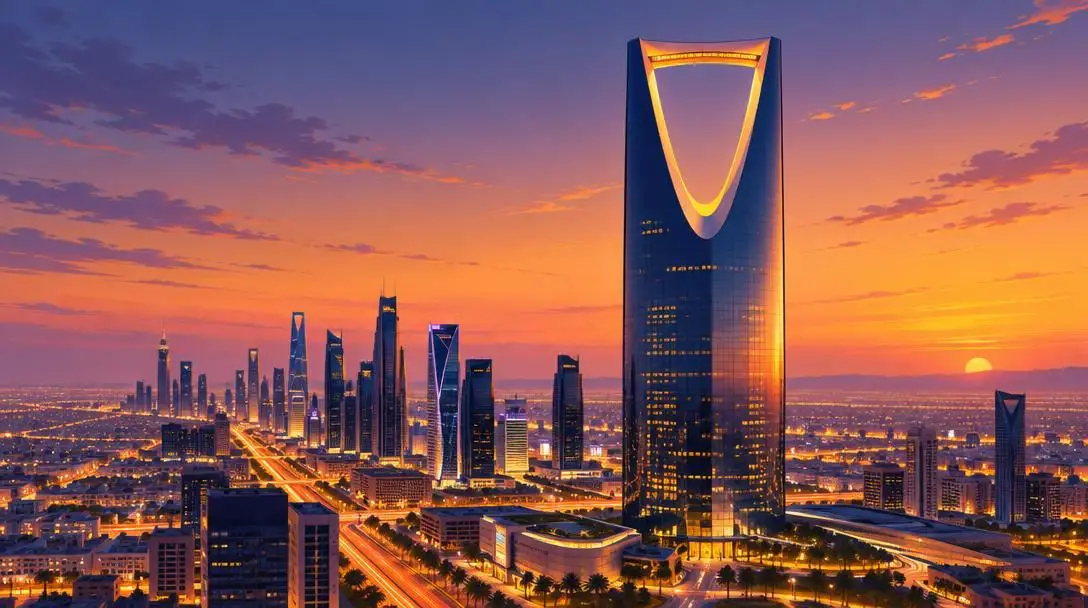
Dominating the Riyadh skyline, the Kingdom Center Tower serves as one of the kingdom's most recognizable symbols of architectural innovation. Rising 992 feet above the capital, the structure incorporates a high-speed elevator system that carries guests up 99 stories to the iconic Sky Bridge. Suspended across the tower's open curved apex, this enclosed glass bridge presents unparalleled panoramic vistas of the surrounding metropolis.
Beyond its lofty viewing platform, the tower operates as an expansive luxury lifestyle center. Visitors can explore high-end shopping galleries, unwind at five-star hotel facilities, or dine at world-class restaurants. Because the Sky Bridge is a marquee sight, crowds can accumulate quickly around sunset and during weekend evenings.
King Abdulaziz Historical Center (National Museum)
- Location: Riyadh
- Setting: Murabba Palace grounds
- Exhibits: Eight specialized gallery halls
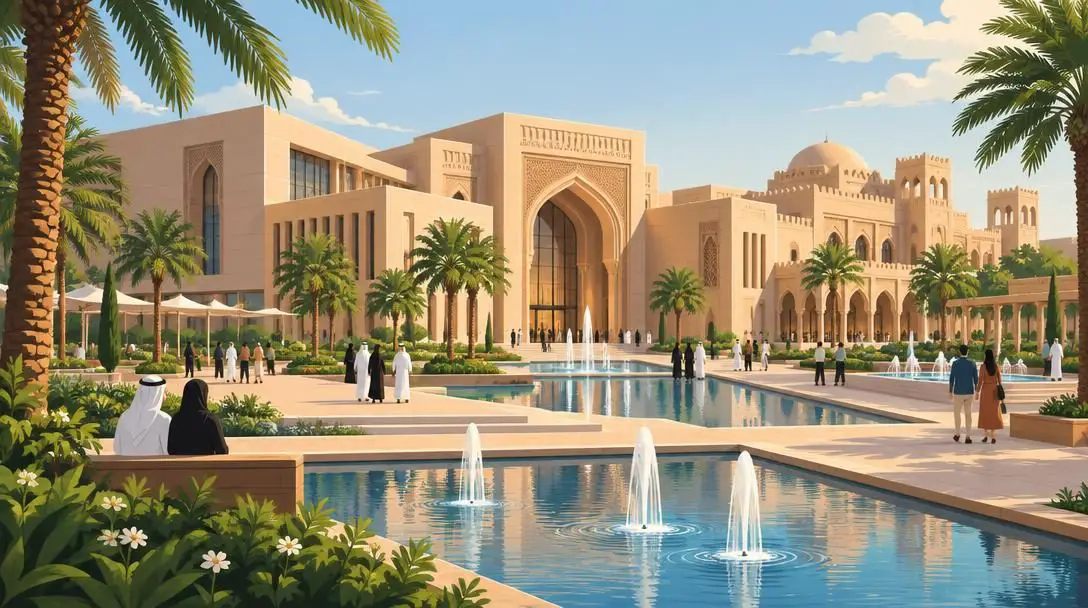
Situated in the capital, the King Abdulaziz Historical Center—frequently referred to as the National Museum of Saudi Arabia—delivers an immersive journey through the Arabian Peninsula's human narrative. Built around the historic Murabba Palace compound, the complex safeguards a vital link to the modern nation's physical and political formation.
Inside, the museum features eight primary exhibition halls structured chronologically. Guests trace the history of the peninsula from prehistoric geological formations and early human stone tools, through the emergence of ancient Arabian trade kingdoms, to the advent of Islam and the unification of modern Saudi Arabia. The grounds surrounding the galleries offer a tranquil community space filled with manicured green lawns, outdoor decorative fountains, an active mosque, a conference center, and an academic research library.
Mecca and Medina
- Significance: Holiest cities in Islamic tradition
- Historical Ties: Birthplace and teaching sanctuary of the Prophet Muhammad
- Entry Rule: Exclusively open to Muslim visitors
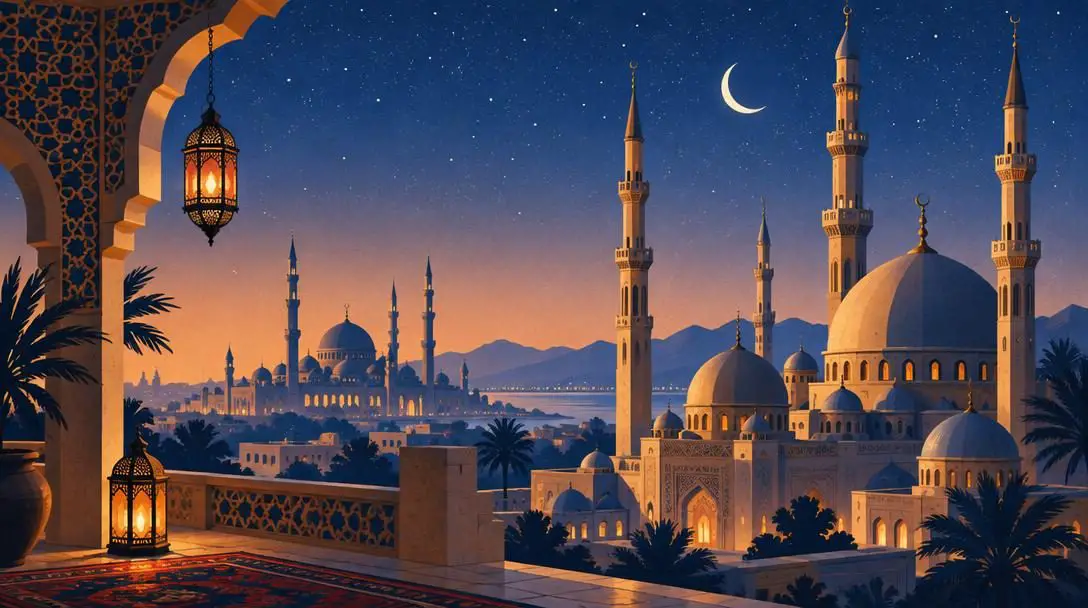
The venerable cities of Mecca and Medina hold unmatched spiritual significance for more than a billion Muslims worldwide. Mecca is revered as the birthplace of the Prophet Muhammad, while Medina provided sanctuary where the early Islamic community developed and flourished. Together, these two cities serve as enduring beacons of prayer, community, and devotion.
For international visitors planning an itinerary through Saudi Arabia, it is crucial to understand the administrative and religious boundary rules. Both holy cities are strictly accessible only to travelers of the Islamic faith. Muslim travelers can immerse themselves in deep spiritual rituals and walk among centuries of Islamic legacy, whereas non-Muslim travelers must focus their journeys on secular, natural, and historical sites across the rest of the country.
Elephant Rock
- Native Name: Jabal AlFil
- Location: Al-‘Ula, near Mada’in Salih
- Recognition: Part of a UNESCO World Heritage corridor
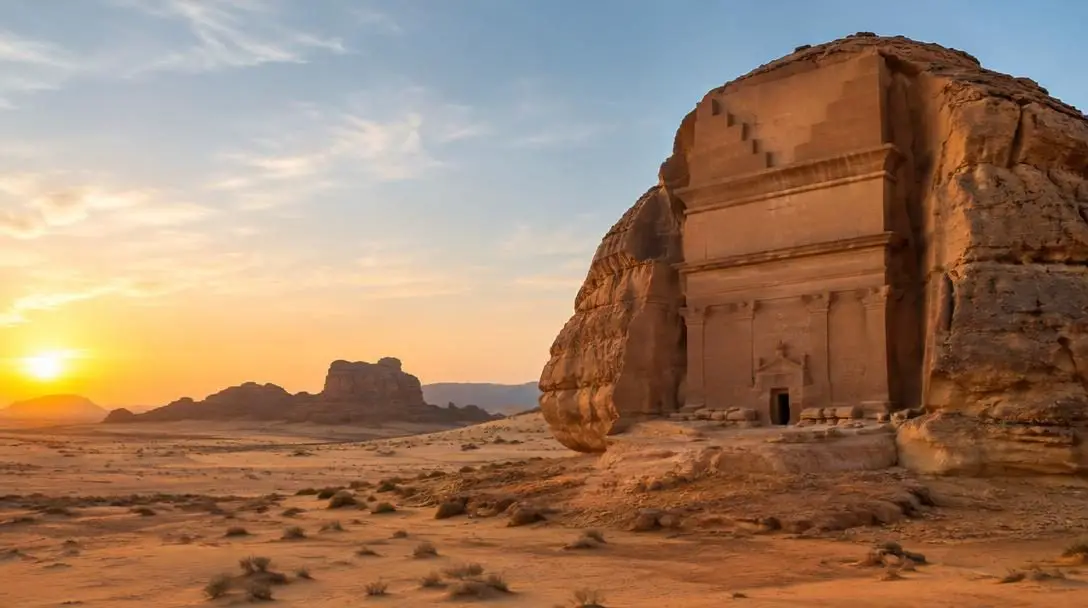
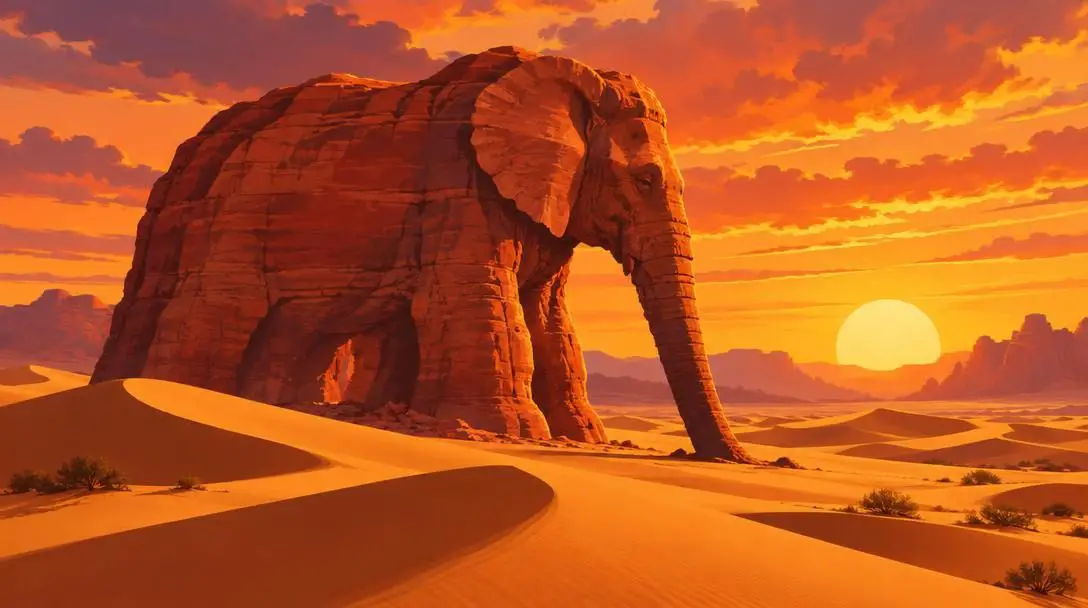
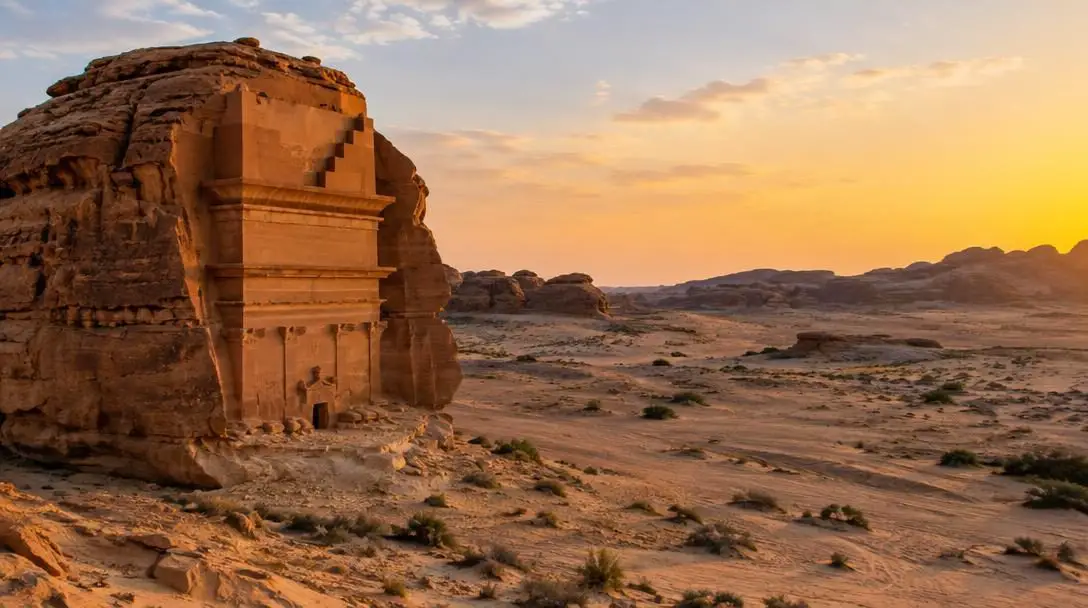
Rising dramatically from the golden sands of Al-‘Ula, Elephant Rock (known locally as Jabal AlFil) is one of the world's most impressive natural monolithic formations. Over millions of years, the combined forces of wind, water, and desert sand have carved the reddish sandstone into the unmistakable shape of an elephant with its trunk touching the desert floor.
Located near the ancient tombs of Mada’in Salih, this natural monument forms an integral part of an area designated as a UNESCO World Heritage Site. Visitors gather at the base of the monolith to watch the shifting desert sunlight alter the rock's warm tones from deep ochre to fiery crimson as dusk settles over the northern desert.
Carved over millions of years by wind and blowing sand, Elephant Rock stands as a colossal testament to the timeless sculpting power of the Arabian desert.
Fakieh Aquarium
- Location: Jeddah Corniche
- Distinction: Saudi Arabia's only public aquarium
- Biodiversity: Over 200 marine species
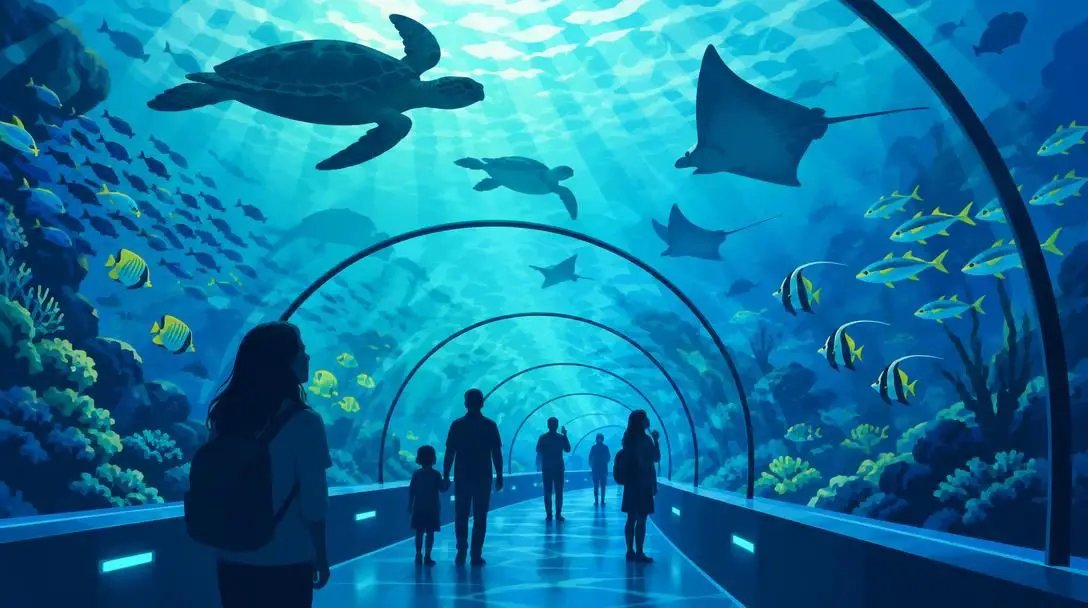
Positioned along the vibrant coastline of Jeddah, the Fakieh Aquarium provides a captivating glimpse into the rich marine habitats of the Red Sea. As the nation's only public aquarium, it serves as an educational and recreational hub for families, children, and marine life enthusiasts.
The facility features immersive underwater walk-through tunnels and expansive viewing tanks that house more than 200 aquatic species, including stingrays, groupers, sharks, and sea turtles. Alongside displays of native Red Sea biodiversity and specimens from other oceans, the aquarium hosts popular daily dolphin and sea lion presentations that captivate visitors of all ages.
Navigating Saudi Arabia's travel corridors
Traversing Saudi Arabia requires an understanding of the nation's immense geography. Because tourist destinations are dispersed across arid plateaus, mountainous coastlines, and open sand basins, choosing the proper transit methods is critical for an efficient journey.
Within major metropolitan hubs like Riyadh and Jeddah, travel is straightforward. Both cities boast modern international airports, well-maintained arterial freeways, and responsive ride-hailing networks. Getting between the Kingdom Center Tower and the National Museum in Riyadh, or reaching the coastal Corniche to tour the Fakieh Aquarium in Jeddah, presents few logistical hurdles.
Conversely, traversing the vast stretches between distant regions calls for careful forethought. Traveling from the central plateau of Riyadh over to Jeddah or up to the remote sandstone valleys of Al-‘Ula involves hundreds of miles of desert terrain. While modern high-speed rail connects select western corridors, domestic air flights remain the most practical and time-efficient option for crossing larger internal distances.
Step-by-step guide to planning your trip
Organizing a cross-country itinerary across the Arabian Peninsula requires coordination to balance cultural landmarks, environmental extremes, and administrative requirements. Follow these steps to build an efficient route.
- Verify personal eligibility and regional restrictions: Review your travel paperwork, visa conditions, and municipal regulations before setting your itinerary, remembering that Mecca and Medina are reserved exclusively for Muslim visitors.
- Group attractions geographically: Avoid crisscrossing the country by clustering regional sights together. Spend dedicated days exploring Riyadh's cultural and architectural wonders before taking a domestic flight to Jeddah's coastal attractions or Al-‘Ula's desert landscapes.
- Book urban observation decks for off-peak hours: Secure reservations or plan visits to high-demand attractions like the Kingdom Center Sky Bridge on weekday mornings or early afternoons to bypass elevator wait times.
- Align your daily schedule with museum and show times: Confirm opening calendars for the National Museum at the King Abdulaziz Historical Center, and coordinate your visit to the Fakieh Aquarium around the daily dolphin and sea lion presentations.
- Pack clothing suitable for contrasting microclimates: Bring comfortable walking footwear and modest, breathable garments that cover shoulders and knees for city sightseeing, along with warm layers for chilly desert evenings in Al-‘Ula.
Mistakes to avoid when visiting Saudi Arabia
Because international leisure tourism is relatively young in the country, visitors sometimes encounter preventable logistical challenges. Keep these common missteps in mind when crafting your travel plans:
- Underestimating intercity travel times: Attempting to drive between distant urban centers like Riyadh, Jeddah, and Al-‘Ula can swallow days of your trip. Rely on domestic flights for cross-country journeys whenever possible.
- Ignoring religious access limits: Venturing toward the sacred municipal precincts of Mecca and Medina as a non-Muslim is strictly prohibited. Keep travel itineraries aligned with your religious background.
- Visiting premier viewpoints during peak evening windows: Ascending the Kingdom Center Tower on weekend evenings often leads to lengthy lines at the lifts. Opt for weekday visits instead.
- Assuming the entire country shares an urban climate: Desert environments like Al-‘Ula cool down drastically once the sun sets. Failing to pack warmer evening layers can leave travelers unprepared for sudden drops in temperature.
- Overlooking secondary heritage sights: Rushing solely between marquee landmarks means missing hidden gems located in the immediate vicinity, such as the historical Murabba Palace within the National Museum complex or the dining hubs of the Kingdom Center base.
Expanding your itinerary beyond the top five
While the top five attractions deliver an outstanding overview of Saudi Arabia, the country offers a wealth of additional destinations for travelers with extra time to explore. Architecture buffs can gaze at the colossal Abraj Al-Bait Towers, photograph the Jeddah Lighthouse, or marvel at the mechanical power of King Fahd’s Fountain spraying water over the Red Sea.
For family-friendly entertainment, vibrant shopping, and relaxed recreation, consider spending an afternoon at the Red Sea Mall in Jeddah, exploring the Riyadh Zoo, or walking among miniaturized landmarks at the World Sights Park. History enthusiasts will find an astonishing wealth of heritage preserved throughout the country. You can wander through the ancient coral-stone alleyways of Al Balad in Jeddah, visit the historic Al Baqi grounds, view the floating Al Rahma Mosque, or study the historic mud-brick walls of Masmak Fortress and the UNESCO-listed district of Diriyah. Other historic gems include the regional exhibits within the Makkah Museum and the imposing ramparts of Tabuk Castle.
Travelers who appreciate distinctive mountain culture should make the journey to Rijal Almaa to admire its multi-story stone village architecture. Finally, outdoor adventurers can expand beyond Elephant Rock by standing atop the soaring cliffs of Jebel Fihrayn—famously known as the Edge of the World—or examining the vast volcanic caldera of the Wahbah Crater.
Frequently asked questions
Can non-Muslim tourists visit Mecca and Medina?
No. Entry into both Mecca and Medina is strictly restricted to travelers of the Islamic faith due to their sacred religious status. Non-Muslim travelers must focus their journeys on secular, historical, and natural landmarks across other regions of the country.
What is the best way to travel between Riyadh, Jeddah, and Al-‘Ula?
Because the geographic distances between these regions are vast, domestic flights are the fastest and most practical option for leisure travelers. High-speed rail connects select regional routes, but cross-country road trips require extensive driving times.
What is the dress code for visiting public attractions in Saudi Arabia?
Public attractions, museums, and shopping venues encourage modest attire. Both men and women are generally advised to dress respectfully by ensuring their shoulders and knees remain covered when visiting shared public spaces.
When is the best time to visit the Sky Bridge at Kingdom Center Tower?
The Sky Bridge is a popular attraction that draws substantial crowds, particularly on weekend evenings. Visiting during a weekday afternoon or early evening helps travelers avoid lengthy waits for the high-speed elevators.
What can visitors see at the King Abdulaziz Historical Center?
The center houses the National Museum, which features eight specialized exhibition galleries covering Arabian history from prehistory and ancient kingdoms through the birth of Islam and modern national unification. The complex also encompasses the historic Murabba Palace, an active mosque, research library, and outdoor public parks.
The bottom line
Saudi Arabia's emergence as an international travel destination offers adventurers, cultural enthusiasts, and nature lovers an unprecedented window into a once-secluded world. By combining modern marvels like the Kingdom Center Tower with geological masterpieces like Elephant Rock and cultural institutions like the National Museum, a trip across the kingdom reveals a land where ancient traditions and forward-looking ambition coexist side by side. Careful planning around intercity transit, timing, and local guidelines ensures an enriching and unforgettable Arabian journey.