5 Pretty Gross Insect Facts
A significant portion of people throughout the United States feel an immediate sense of revulsion whenever an insect or garden pest scurries into view. While human discomfort with creepy-crawlies is often attributed to visual aesthetics, the deeper reason for our collective squeamishness stems from genuine biological habits. Insects and invertebrates frequently engage in behaviors that violate human standards of cleanliness, from contaminated feeding rituals to ruthless reproductive combat.
For generations, people have linked household pests with filth, spoiled pantry goods, and transmission of disease. When scientists examine the underlying mechanics of these creatures, their feeding methods, muscular arrangements, and parenting systems prove to be far more bizarre than mammalian life. What appears shocking or disgusting to humans represents millions of years of specialized evolutionary development designed strictly for baseline survival.
Key takeaways
- House flies defecate every single time they land and consume food by drinking their own regurgitated digestive vomit.
- Certain cockroaches produce crystalized milk that is rich in calories and protein, which researchers have classified as a superfood.
- A caterpillar possesses roughly 4,000 muscles across its body, including 248 muscles in its head alone, vastly outmatching human muscularity.
- Slugs are capable of stretching up to 20 times their resting length to squeeze through tiny gaps and carry around 27,000 microscopic teeth.
- Female praying mantises demand a physical battle before mating and consume the male for pregnancy nutrition if he loses the fight.
At a glance: Unsettling insect traits and abilities
While many bugs perform essential tasks in the broader ecosystem, their personal habits challenge human comfort zones. The following comparison highlights the standout biological traits that make these common creatures so notoriously gross.
| Creature | Unsettling Trait | Key Biological Fact | Primary Survival Purpose |
|---|---|---|---|
| House fly | Continuous contamination | Defecates on every landing; drinks vomit | Rapid liquid-only digestive processing |
| Cockroach | Lactation | Produces calorie- and protein-dense milk crystals | Nourishing developing embryos internally |
| Caterpillar | Extreme musculature | 4,000 body muscles; 248 head muscles | Hydrostatic locomotion and heavy chewing power |
| Slug | Distortion and teeth | Stretches 20 times resting length; 27,000 teeth | Navigating tight gaps and rasping food sources |
| Praying mantis | Courtship cannibalism | Consumes the male if he loses pre-mating fight | Securing dense nutrition for egg production |
The 5 grossest insect and pest facts ranked
The natural world contains survival strategies that feel foreign, unsettling, and thoroughly unpleasant to everyday observers. Exploring the specifics reveals why these five creatures elicit such a strong squeamish reaction from homeowners and nature enthusiasts alike.
House fly
- Primary diet: Liquid matter digested with regurgitated enzymes
- Excretion frequency: Defecates every time it lands on a surface
- Seasonal annoyance: Enters homes in summer and lingers until winter
- Health impact: Disease-ridden household pest
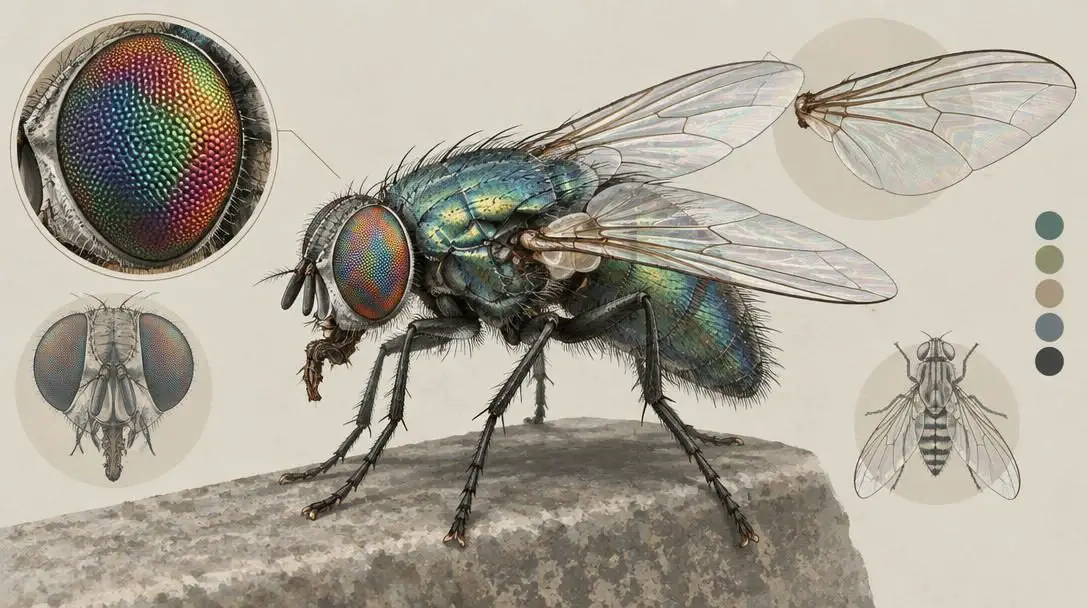
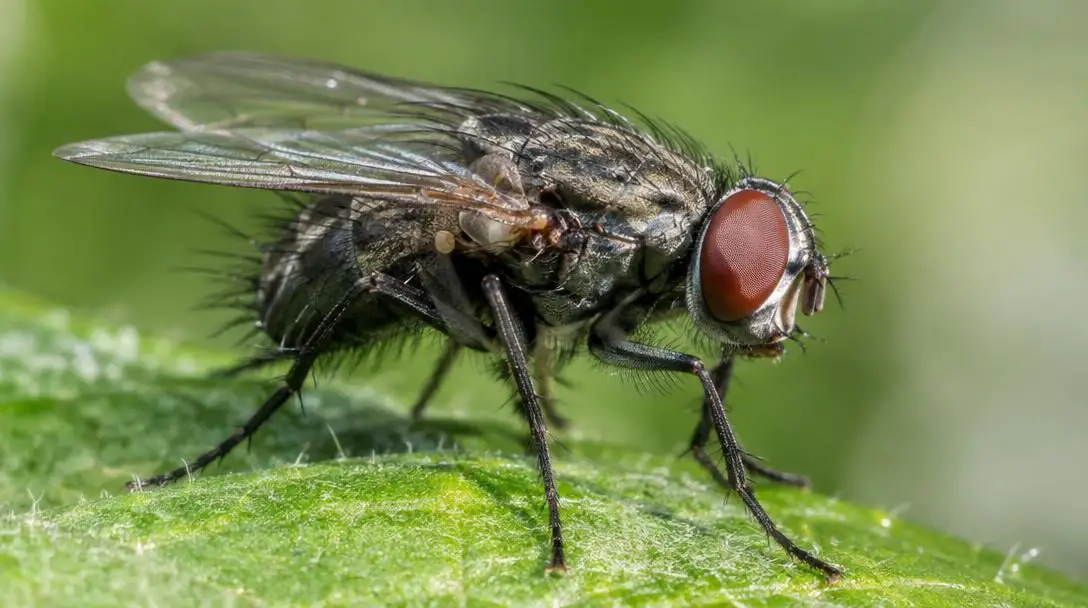
The common house fly is one of the most persistent domestic pests in the world, particularly during the hot summer months. Leaving an exterior door cracked open for even a single nanosecond often lets in one or two flies that seem impossible to eliminate until winter arrives. What makes them truly repellant is their continuous waste production. House flies defecate every single time they land, spreading waste across kitchen counters, dining tables, and uncovered dishes.
Adding to their revolting nature is the way house flies ingest sustenance. Because they maintain an exclusively liquid diet, they lack mouthparts capable of chewing solid meals. When a fly lands on food, it regurgitates its own stomach fluids and digestive enzymes directly onto the target, dissolving the solid material into a slush. The insect then consumes this regurgitated mixture, turning every meal into a cycle of vomiting and re-ingestion.
Cockroach
- Reproductive substance: Protein- and calorie-dense milk crystals
- Nutritional status: Identified by scientific research as a superfood
- Habitat vulnerability: Capable of infesting exceptionally clean homes
- Physical identifiers: Rapid scurrying movement and sensory antennae
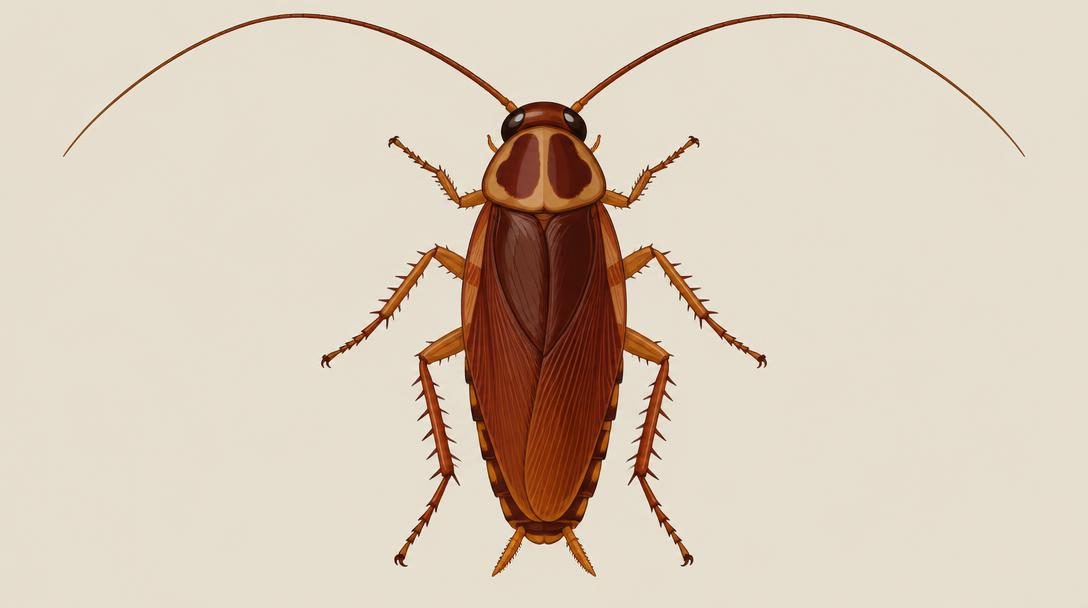
Discovering a cockroach scurrying across the floor is an alarming experience for any homeowner, regardless of how meticulously clean the residence might be. While people commonly identify cockroaches by their quick movements, long antennae, and affinity for dark corners, lactation is the last attribute anyone associates with them. Milk production is normally considered the exclusive domain of mammals such as cows or goats, yet certain cockroach species produce a specialized liquid for their offspring.
This substance forms concentrated protein crystals within the bodies of growing embryos. A scientific study examining the nutritional profile of cockroach milk demonstrated that it is extraordinarily dense in both protein and caloric value. In fact, some researchers and nutritional commentators have labeled it an insect-derived superfood. Despite its impressive nutritional density, the thought of harvesting milk from a crawling household pest remains intensely unappetizing to the public.
Caterpillar
- Head musculature: 248 individual muscles
- Total body musculature: Approximately 4,000 muscles
- Comparative strength: More than six times the muscles of a human
- Skeletal structure: Bone-free hydrostatic body
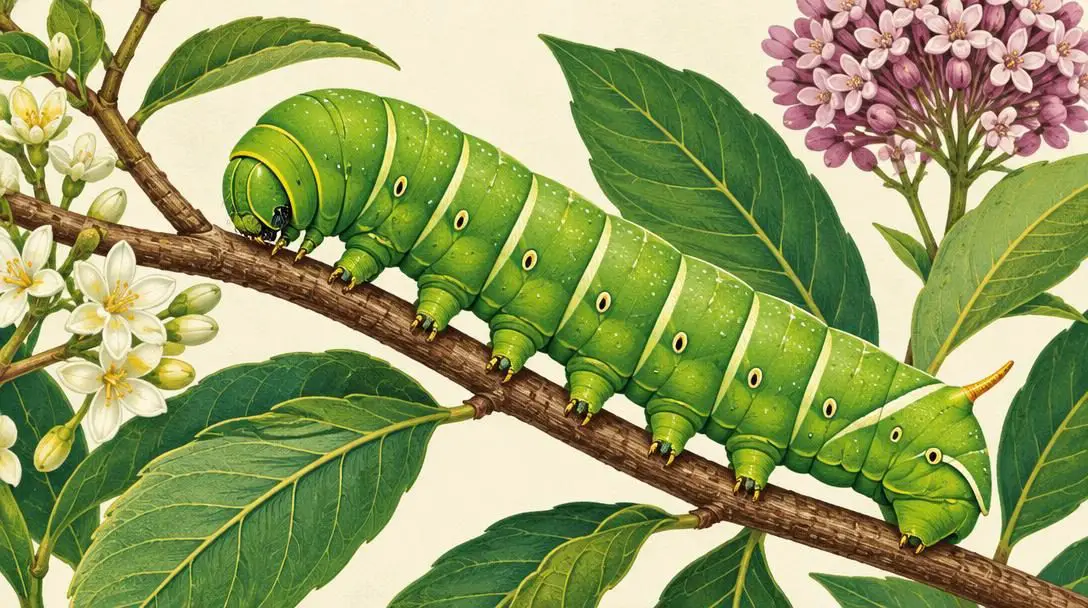
Most people consider human beings to be muscular, physically adaptable organisms. The adult human body relies on 629 individual muscles working against a rigid internal skeleton to lift objects, maintain posture, and move across diverse terrain. However, on a proportional scale, the humble garden caterpillar makes human musculature appear remarkably modest. A caterpillar possesses 248 individual muscles inside its head capsule alone, using them to operate its chewing mouthparts with incredible force.
Across its entire segmented body, a caterpillar contains roughly 4,000 distinct muscles. This means this soft-bodied crawler has more than six times the muscular capacity of an adult human. Because caterpillars lack rigid bones, they rely on a hydrostatic skeleton supported by pressurized internal fluid. Every single segment requires an intricate web of muscle fibers to contract, bend, crawl over foliage, and anchor firmly to stems in gusty outdoor winds.
Slug
- Flexibility limit: Can stretch up to 20 times resting length
- Mouth anatomy: Roughly 27,000 microscopic teeth on its radula
- Movement trait: Leaves a sticky slime trail along its path
- Body composition: Soft-bodied mollusk with no internal or external shell
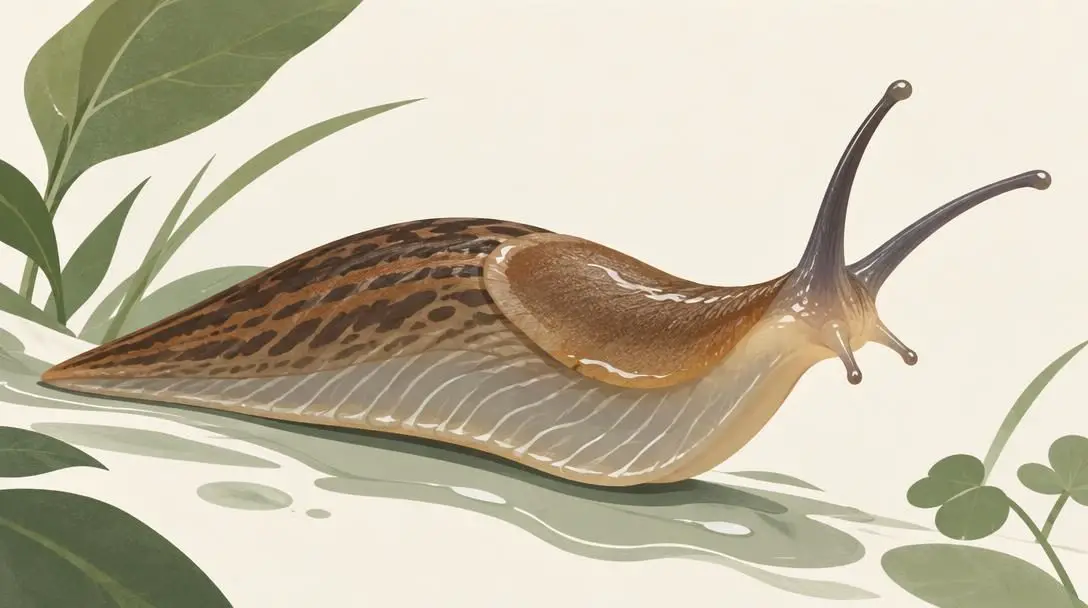
Slugs are widely regarded as unappealing garden dwellers that people prefer never to touch. They leave behind a telltale trail of glistening mucus wherever they travel, sliding slowly across soil, stone, and plant foliage. Beyond their slimy exterior, slugs possess physical attributes that border on science fiction. Lacking both an internal skeleton and an external shell, their body tissue is extraordinarily pliable, allowing them to extend their form to 20 times their standard resting length to slip through hairline foundation fractures.
Inside the mouth of this soft garden mollusk lies another startling biological feature: approximately 27,000 teeth. Arranged in rows along a flexible ribbon-like structure known as a radula, these microscopic teeth act like a biological file. As the slug moves over vegetation, rotting wood, or organic matter, its thousands of teeth rasp back and forth to shred food particles into swallowable pieces before the meal enters its digestive tract.
Praying mantis

- Courtship ritual: Male must fight the female to secure mating rights
- Battle penalty: Defeated males are killed and eaten
- Maternal benefit: Provides immediate nutrition for egg development
- Ecological role: High-stakes predatory insect
The praying mantis is famous for its deliberate movements, camouflage skills, and upright posture, but its mating rituals are notoriously violent. To earn the right to reproduce, a male praying mantis must engage in physical combat with the female. This courtship fight is not mere posturing; it is a high-stakes duel where the male must demonstrate superior combat prowess to prove his worth as a reproductive partner.
If the male wins the confrontation, the two insects mate successfully. If the male fails to prove his strength, the female catches and devours him on the spot. While sexual cannibalism appears brutal by mammalian standards, it serves a clear evolutionary purpose. Carrying and laying a large clutch of eggs demands substantial metabolic energy, and consuming the defeated male provides the pregnant female with the necessary nutrition to sustain her developing brood.
While these insect behaviors strike humans as thoroughly revolting, each bizarre trait is a finely honed adaptation for feeding, locomotion, or reproductive survival.
The biological mechanics behind unsettling pest habits
Understanding why insects behave in ways that humans find repulsive requires looking closely at evolutionary necessity. None of these traits exist purely to cause disgust; each serves as a functional tool tailored to the animal's physical constraints and survival needs.
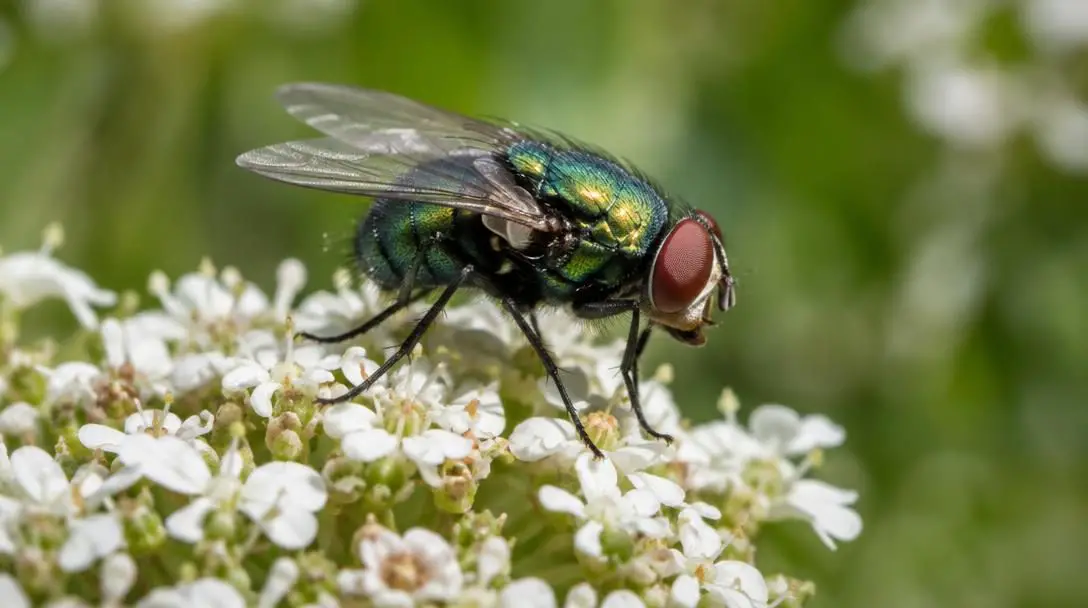
The feeding habit of the common house fly is a direct consequence of biological specialization. Because flies cannot consume solid particles, external digestion is their only option. Regurgitating enzymes breaks down proteins and sugars outside the body, allowing rapid consumption through a spongy proboscis. Coupled with a fast metabolism, digestion proceeds so quickly that the insect must void its bowels almost constantly. Excreting waste upon landing prevents metabolic overload and keeps the insect light enough for instantaneous flight when predators threaten.
Cockroach lactation represents a rare evolutionary shift from external egg-laying to internal embryo nourishment. Most insect mothers abandon their egg cases in damp, dark corners where developing nymphs remain vulnerable to predators, mold, and dehydration. By supplying embryos with crystalized milk internally, female cockroaches provide their young with a dense supply of amino acids, carbohydrates, and fats. This high-octane starter fuel ensures that nymphs emerge fully developed and resilient enough to withstand harsh environmental conditions.
The anatomical investment of the caterpillar illustrates the complexity of soft-bodied movement. Operating without bones requires constant internal tension. By distributing 4,000 muscles through their body rings, caterpillars can contort, compress, climb vertical twigs, and hold their ground during heavy rainstorms. The 248 muscles crammed into their heads provide the chewing leverage necessary to slice through tough leaf veins and fibrous plant stems during their continuous feeding phase.
Practical steps to keep gross pests out of your home
Discovering that flies eat their own vomit, that roaches produce nutrient-dense milk, and that slugs possess thousands of teeth makes pest control a major household priority. You can lower the chances of hosting these creatures by establishing straightforward physical defenses around your living space.
- Seal perimeter gaps and thresholds: Because slugs can stretch their soft bodies to 20 times their resting length, tiny hairline cracks beneath doors or around crawlspace vents offer easy entry. Use expanding caulk or weatherstripping to close these gaps.
- Cover food surfaces immediately: Knowing that house flies vomit on food to liquefy it and defecate at every landing, never leave meals unattended on kitchen counters. Use mesh food tents or sealed containers to block access.
- Eliminate standing moisture and humidity: Slugs, cockroaches, and flies depend heavily on ambient moisture to survive. Repair leaking pipes beneath sinks, run dehumidifiers in basements, and clear standing water from indoor plant trays.
- Install and repair window screens before summer: House flies capitalize on entryways left open for even a fraction of a second during hot weather. Ensure all screen doors and window frames feature tight, undamaged mesh before summer arrives.
- Lock dry goods in airtight storage bins: Cockroaches can settle into spotless houses if they discover accessible food. Transfer cereal, flour, sugar, and pet food into hard plastic or glass containers with rubber-gasket seals.
Common mistakes when managing household pests
When dealing with insects that make your skin crawl, panic often leads to ineffective choices. Avoiding typical home maintenance mistakes ensures your efforts produce meaningful results rather than lingering problems.
- Assuming a spotless home prevents cockroaches: Many homeowners believe that only messy spaces attract pests. In reality, cockroaches can invade any household regardless of cleanliness because they search primarily for moisture, warmth, and dark hiding crevices.
- Tolerating a single house fly indoors: Overlooking one or two flies during warm months allows them to contaminate countertops with feces and regurgitation. Address indoor flies immediately to maintain food hygiene.
- Looking only for large foundation cracks: Property owners frequently inspect for noticeable gaps while ignoring tiny fissures. Flexible pests like slugs distort their bodies to slip through microscopic openings that appear harmless at a glance.
- Relying entirely on swatters rather than physical seals: Hunting down individual insects with a flyswatter provides temporary relief but does not solve structural weaknesses. If screen doors stay open or seals remain broken, replacement pests will arrive continuously until winter.
Frequently asked questions
Why do house flies defecate every time they land?
House flies have an exceptionally fast metabolic rate and process their liquid diet almost continuously. Voiding waste whenever their feet touch a surface prevents internal backlog and keeps their body weight light enough for rapid evasive flight.
Is cockroach milk actually safe for human consumption?
While a study established that cockroach milk crystals contain high amounts of protein and calories, making it a biological superfood for insect embryos, it is not commercially produced or processed for everyday human diets.
How can a caterpillar have more muscles than an adult human?
Caterpillars lack bones and an internal skeleton, so they rely on a hydrostatic body supported by fluid pressure. Total control over their flexible segments requires about 4,000 distinct muscles, including 248 muscles in the head to power their chewing mouthparts.
Can slugs bite humans with their 27,000 teeth?
Slug teeth are microscopic structures located on a flexible ribbon called a radula. While these teeth are ideal for filing down plant tissue and organic matter, they are far too tiny to pierce human skin or cause injury.
Does every female praying mantis eat her mate?
Cannibalism occurs specifically when the male loses the pre-mating courtship fight or fails to demonstrate adequate strength. When the female consumes the male, the meal provides vital protein to nourish her during egg production.
The bottom line
Human aversion to insects and pests is often justified by their unhygienic feeding methods, fluid-filled bodies, and harsh reproductive contests. Whether it is a fly contaminating a kitchen table on every touchdown, a roach nourishing its young with concentrated milk, or a slug squeezing through floorboards with thousands of teeth, these behaviors can test anyone's comfort zone. Recognizing that these habits are efficient survival adaptations makes it easier to appreciate the complexity of the natural world while taking sensible steps to keep these uninvited guests outside your home.