5 Principles All Good Club DJs Know
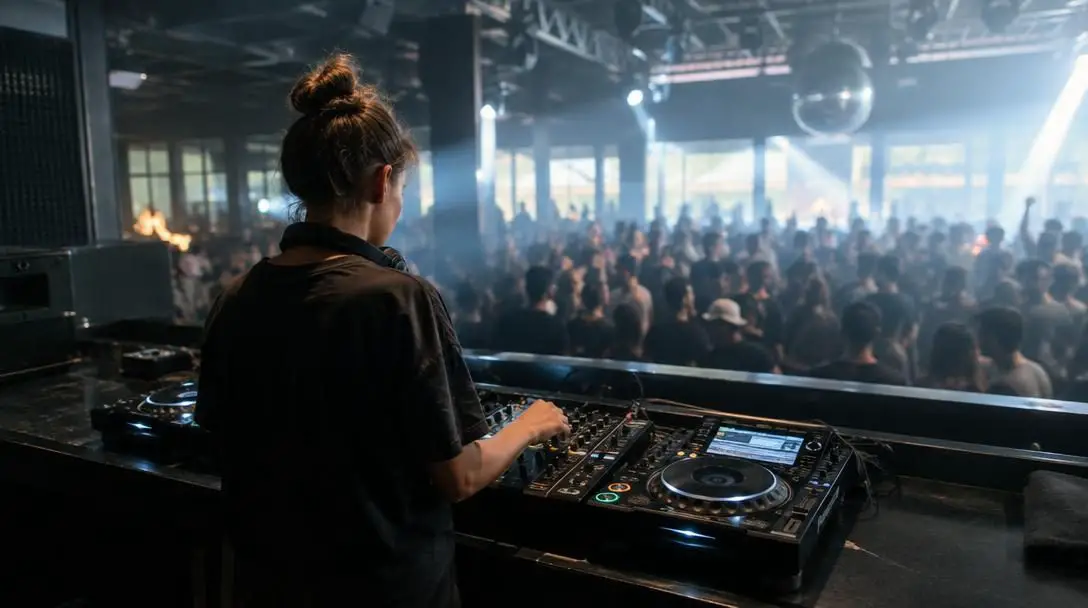
The role of the disc jockey has undergone a radical transformation since the era when hosts exclusively broadcast records across commercial radio frequencies. In today's entertainment landscape, DJing represents an expansive career path encompassing club residencies, live event curation, mobile celebrations, and music production. Modern club culture demands far more than the basic technical ability to beatmatch tracks; it places the performer in charge of navigating the delicate emotional psychology of a crowded room.
Because nightlife spaces are fast-paced and inherently unpredictable, technical proficiency alone cannot guarantee sustained success. Establishing longevity in venues requires mastering professional conduct, interpersonal awareness, and business discipline. Disc jockeys who build lasting, lucrative relationships with venues and promoters lean on five foundational principles to navigate the booth night after night.
Key takeaways
- Technical mixing ability must be supported by adaptability, audience awareness, and strict personal professionalism.
- Renowned selectors like DJ Argy emphasize that reading the emotional baseline of a room within five minutes is essential for repeat bookings.
- Prioritizing audience engagement over personal ego requires filtering out poor-quality audio files and playing across genres when necessary.
- Treating a DJ career like an evolving startup involves reinvesting set fees directly into higher-tier audio equipment and self-marketing.
- Maintaining sobriety despite readily available venue hospitality protects physical coordination, cognitive focus, and long-term reputation.
Core Principles at a Glance
Professional performance in modern venues is governed by how well a performer balances artistry with commercial service. The following matrix outlines how each core tenet functions inside a club environment.
| Principle | Primary Focus | Key Action Required | Common Pitfall Avoided |
|---|---|---|---|
| 1. Be Willing to Adapt | Flexibility | Shifting genres and altering set timelines to suit venue flow | Stubborn adherence to a predetermined playlist |
| 2. Learn to Read the Room | Crowd Psychology | Diagnosing emotional states and comfort levels within five minutes | Misjudging energy levels and clearing the dance floor |
| 3. Check Your Ego at the Door | Service Orientation | Selecting cohesive, clean tracks that serve the dancers | Treating the performance as a self-indulgent vanity project |
| 4. Invest in Your Craft | Business Longevity | Reinvesting earnings into top-tier hardware and marketing | Stagnating with unreliable, low-grade sound gear |
| 5. Don't Get Drunk | Operational Reliability | Establishing strict personal consumption boundaries during work | Compromising motor skills and damaging venue relationships |
The 5 Principles All Good Club DJs Know
Be Willing to Adapt
A willingness to pivot at a moment's notice is among the most vital qualities a club DJ can possess. When walking into a performance, no selector can accurately predict every logistical hiccup, schedule deviation, or demographic curveball the evening might present. Capable professionals approach every gig with an open mind and a flexible plan, ready to handle shifting dynamics on the fly.
Adaptability in the booth takes several concrete forms throughout an evening:
- Venture outside core genres: Even if you specialize in a specific subgenre, you must be ready to pivot into alternative sounds if the crowd fails to connect with your primary style.
- Decode live physical feedback: Great performers pay constant attention to body language, facial expressions, and movements on the floor to gauge real-time engagement.
- Accommodate venue schedules: If management requests that you push back a peak-time transition, extend a warm-up period, or step away for a venue announcement, flexibility preserves your working relationship.
Learn to Read the Room
At its heart, DJing is an applied discipline of entertainment. For entertainment to resonate, the performer must develop an acute ability to read the room. DJ Argy, a prominent figure in the electronic music circuit, identifies this observational reflex as an indispensable requirement. Argy points out that a truly effective selector can walk into an unfamiliar venue and accurately diagnose the entire atmosphere within five minutes.
Reading a room requires more than noticing whether bodies are moving. It involves assessing the social tension, demographic balance, and underlying insecurities of the attendees. A skilled DJ detects whether patrons are looking for cathartic high-energy beats or seeking a welcoming, mid-tempo groove that lets them settle into the space. Identifying those emotional needs and delivering music that makes patrons feel comfortable is often what separates an artist who earns recurring residencies from one who never gets invited back.
Masterful crowd reading can literally be the difference between securing a regular, recurring gig and never being booked to work again.
Check Your Ego at the Door
While DJing is a legitimate art form, it is easy for artists to fall into the trap of self-indulgence. A club set should never turn into a vanity project where an individual plays strictly for their own gratification regardless of what is happening across the room. The primary objective is to cultivate an enjoyable shared experience for the listeners who paid to be there.
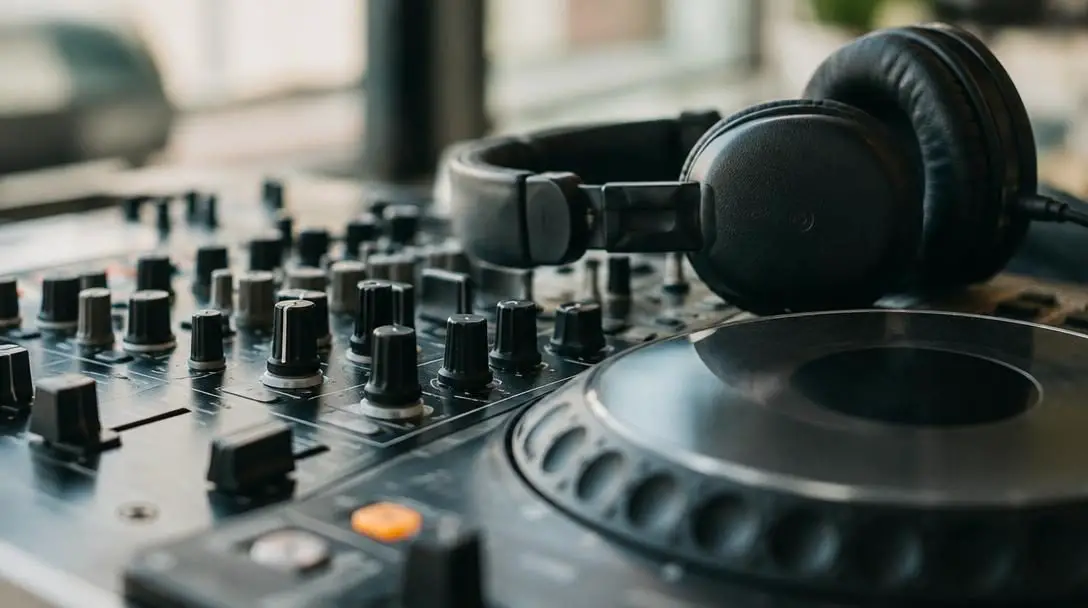
Checking your ego requires disciplined curation and audio standards:
- Prioritize audio fidelity: Never play low-bitrate, poorly mastered, or distorted audio files simply because you love a particular remix; compressed tracks will sound harsh and hollow on professional club sound systems.
- Focus on flow over showmanship: Select tracks that construct a logical sonic journey rather than stringing together jarring musical transitions designed purely to highlight technical tricks.
- Accept venue feedback graciously: If management or event hosts ask you to modify your musical direction, leave your pride aside and make the adjustment needed to maintain the party.
Invest in Your Craft
Longevity in music entertainment requires treating your profession like a startup business. As you collect performance fees, disciplined reinvestment back into your operations builds credibility and commercial leverage. Relying on outdated, fragile, or consumer-grade hardware limits the types of stages you can command.
Securing high-grade, professional equipment ensures your setups are resilient and meet standard venue riders. Once essential hardware is secured, continue allocating income toward marketing and personal branding. Publishing continuous, high-quality mixes online allows you to demonstrate your curatorial style to bookers worldwide, building a public profile that justifies higher appearance rates.
Don't Get Drunk
Venues routinely offer complimentary or discounted alcohol to working talent, often under the flawed assumption that an intoxicated artist brings more uninhibited energy to the stage. In reality, alcohol consumption is one of the fastest ways to derail a live set, causing sloppy transitions, erratic track selections, and unprofessional interactions with venue personnel.
While having fun alongside the crowd is natural, professional DJs recognize that their primary responsibility is operational execution. Running sophisticated digital software, CDJs, and analog mixers while monitoring audio levels requires cognitive sharpness. Treating your time in the booth with sobriety demonstrates reliability to venue owners who are trusting you with their patron experience.
Executing Core Principles in a Live Club Environment
Applying performance principles under the pressure of a packed room requires proactive situational awareness. A professional workflow begins well before the first track drops and extends until the final piece of gear is safely stored.
Upon arriving at a club, immediately initiate your room assessment. Spend the first five to ten minutes noting where patrons are gathered. Are they clustered defensively around the bar, seated in booths conversing, or hovering hesitantly near the perimeter of the dance floor? Identifying these patterns reveals the room's starting emotional baseline, signaling whether you need to warm up the room with accessible grooves or capitalize on existing excitement.
Once you step behind the decks, let ego management guide your tactical choices. Monitor the floor closely after every mix transition. If a track change causes patrons to drift away toward the bar or reach for their phones, resist the urge to double down on that sound out of pride. Seamlessly adjust tempo, switch rhythmic styles, or shift into familiar melodic hooks to draw listeners back.

Throughout the night, clean operational conduct underpins every artistic decision. Reliable, high-grade audio gear eliminates dropouts and system distortion, maintaining consistent dance floor momentum. A clear, sober mind allows you to coordinate cleanly with stage managers, adapt to unscheduled timeline shifts, and deliver a polished performance from opening track to closing lights.
Actionable Workflow for Aspiring and Working DJs
Turning abstract performance principles into repeatable, real-world habits establishes a lasting competitive edge in the nightlife market. Follow this structured process to elevate your workflow:
- Conduct a comprehensive library audit: Inspect your digital library to purge low-bitrate rips, missing metadata, and corrupted audio files. Organize your music into flexible thematic folders across multiple genres to ensure quick navigation under pressure.
- Establish a gear reinvestment reserve: Set aside an established percentage of every booking payout into a dedicated business account earmarked for industry-standard media players, reliable cables, and software maintenance.
- Arrive early to gauge room chemistry: Enter the space ahead of your designated start time to test audio lines, consult briefly with the promoter, and diagnose audience demographics before selecting your opening track.
- Enforce personal consumption limits: Set a strict personal boundary against drinking alcohol before and during your set, maintaining professional focus until your contractual duties are complete.
- Publish continuous online sets: Regularly record, master, and upload cohesive showcase mixes to digital streaming channels to broaden your reach, demonstrate programming versatility, and attract prospective promoters.
Costly Traps That Derail DJ Careers
Talented selectors often find their careers stagnating not from a lack of technical skill, but due to avoidable professional missteps. Guarding against common mistakes helps protect your reputation within local and national nightlife communities:
- Self-indulgent track selection: Refusing to abandon an esoteric personal favorite when the dance floor is clearly disengaged ruins momentum and alienates patrons.
- Substandard source material: Using compressed, low-quality audio files that expose noticeable distortion and mud when pushed through commercial acoustic systems.
- Overindulging in venue perks: Accepting excessive complimentary drinks until physical timing, mixing precision, and interpersonal diplomacy fall apart.
- Ignoring venue directives: Disregarding explicit instructions from venue managers concerning master decibel caps, necessary breaks, or house scheduling needs.
- Rigid setlist construction: Mapping out every transition in advance and stubbornly sticking to that sequence regardless of how the live room responds.
Expanding Your Footprint Beyond the DJ Booth
Once you consistently execute the core principles during live sets, the next phase of career development focuses on your broader operational footprint. A durable career requires treating your brand as an enterprise that delivers value both on and off stage.
Consider producing original edits, remixes, or standalone productions. Having unique material that other selectors cannot access gives audiences a compelling reason to seek out your performances specifically. Pairing distinctive edits with regular public mix uploads positions you as a curator with a distinct voice rather than simply a background technician.
Finally, invest deliberate effort into relationship management. In the nightlife ecosystem, the impression you leave on sound engineers, bar staff, security teams, and event promoters carries just as much weight as your musical curation. Approaching every collaborator with respect, maintaining sobriety, and delivering dependable musical experiences turns one-off gigs into multi-year residencies.
Frequently asked questions
Why is adaptability more critical than technical perfection during a DJ set?
A club environment is dynamic and unpredictable. While technical mixing is valuable, an inflexible DJ who refuses to adapt their genre or pacing to the audience's reactions risks clearing the dance floor, whereas an adaptable DJ can salvage an off-kilter room and keep the party moving.
How can a DJ read the room within five minutes as recommended by DJ Argy?
Reading a room rapidly involves assessing where people are standing, their body language, whether they are focused on social conversation or dancing, and the overall tension or comfort level in the space. This assessment establishes an emotional baseline that guides your track selection.
Why should DJs avoid playing low-quality audio files?
Low-bitrate or compressed audio tracks might sound passable on earbuds or home speakers, but commercial club sound systems amplify artifacts, high-frequency harshness, and muddy bass. Playing poor audio files degrades the venue's overall sound quality and reflects poorly on your professional standards.
How should a DJ reinvest their earnings to advance their career?
Earnings should be reinvested directly into industry-standard performance equipment, backup storage, professional promotional materials, and marketing campaigns. Publishing high-quality mixes online also helps attract higher-paying bookings from reputable venues.
Is it ever acceptable to drink alcohol while DJing a club gig?
While venues frequently offer free drinks to talent, excessive drinking can impair motor coordination, track selection, and professional communication with venue staff. Most working professionals either abstain completely or strictly limit alcohol consumption until their performance and gear teardown are complete.
The Bottom Line
Sustaining a successful career as a club DJ requires far more than mastering transitions and owning a collection of popular songs. True longevity in nightlife entertainment depends on professional self-awareness: reading crowd psychology accurately, remaining flexible in the face of unexpected venue needs, checking personal vanity, reinvesting into your business, and maintaining sharp, sober focus in the booth. When you commit to these core principles, you deliver consistent value to audiences and venue operators alike, securing your reputation as an indispensable, top-tier performer.