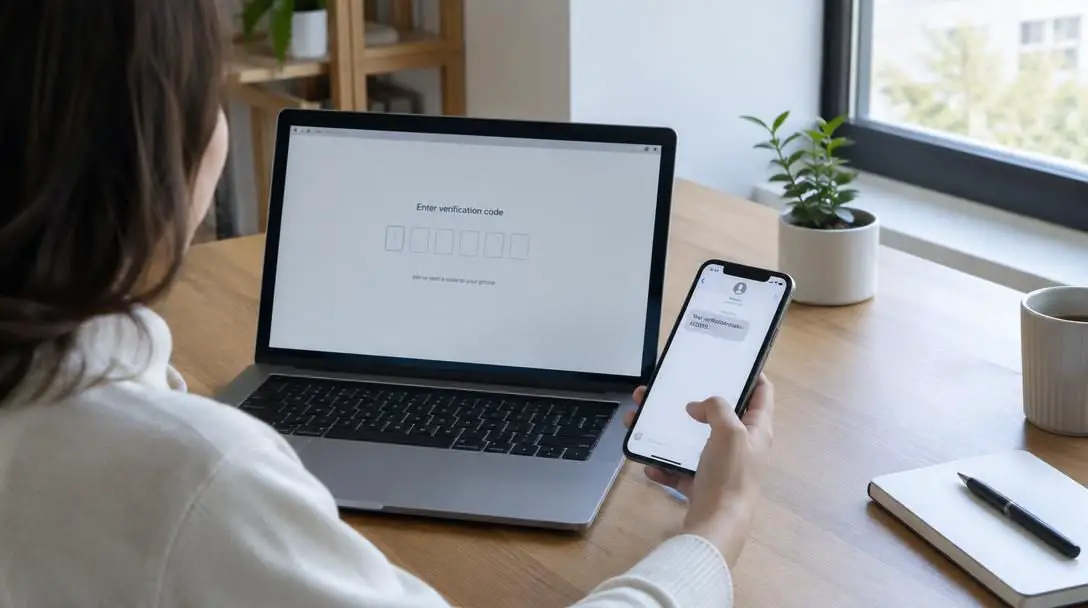
5 reasons why you should consider using a virtual phone number for online SMS verification
In modern web browsing, almost every online service, social network, and application mandates a mobile contact number during account creation. This widespread practice is primarily intended to protect online platforms by deterring automated spam bots and fraudulent account generators through one-time passcodes and direct confirmation links. However, repeatedly handing over a primary personal telephone number exposes sensitive details, linking your real-world identity to dozens or hundreds of disparate digital platforms.
A virtual phone number provides a practical alternative by decoupling user identity from standard cellular infrastructure. Operating over cloud-based architecture rather than through a physical SIM card bound to a specific handset, virtual lines function as a protective buffer between private life and the internet. Adopting these secondary numbers allows users to complete registrations swiftly, satisfy verification checks, and preserve personal boundaries across the wider web.
Key takeaways
- Virtual phone numbers route SMS verifications through web servers directly to your screen without requiring a physical SIM card or dedicated hardware.
- Using a cloud-hosted line insulates your private telephone number from public registries, corporate data breaches, and unsolicited marketing lists.
- Activation requires only a valid email address and a payment method, avoiding retail store visits, identity paperwork, and carrier contracts.
- Flexible, cost-effective service plans provide options ranging from limited free tiers to disposable lines without long-term commitments.
How virtual phone numbers handle SMS verification
To evaluate the utility of a virtual phone line, it is helpful to examine how the underlying internet infrastructure handles mobile communications. Traditional phone numbers are anchored directly to a physical medium, such as a cellular SIM card, an embedded eSIM chip, or physical copper wiring terminating in a specific wall jack. In contrast, virtual phone numbers operate through internet protocols that redirect incoming telecommunications traffic across cloud servers.
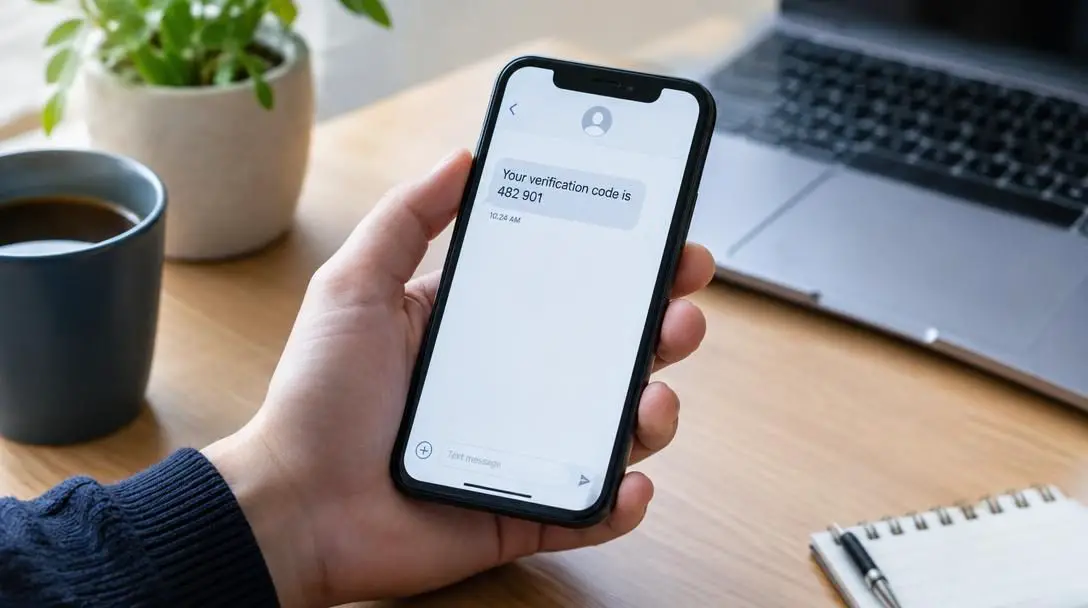
When you register for an online service, you input the virtual phone number in place of your standard cellular line. The platform's verification system transmits a text message containing an activation code through standard telecom routing channels. The hosting provider intercepts this transmission, converts the signal into digital data, and displays the incoming text immediately inside a web portal, mobile application, or dedicated inbox. You can then copy the authentication code into the registration form to finalize your account.
This server-side design eliminates the logistical hurdles of managing multiple physical phones or switching out micro-SIM cards. By transferring traditional cellular tasks to modern web infrastructure, users receive reliable verification text messages without leaving a permanent footprint on telecom networks.
Five reasons to consider a virtual phone number
Switching from a traditional telephone line to a cloud-based communication service provides distinct operational and privacy benefits. Here are the five key reasons to adopt a virtual phone number for online SMS verifications.
Increased security
Every time you share your standard phone number with a new app or e-commerce shop, you expand your overall threat surface. In a standard setup, sharing your private phone number everywhere increases exposure to unwanted intrusion, identity tracking, and credential correlation across different databases. When third-party websites suffer security compromises, phone numbers are routinely extracted and cross-referenced with leaked email addresses and passwords to assemble comprehensive personal profiles.
A virtual number provides structural isolation. Using a secondary line ensures that any information sent via text message is encrypted and not accessible to anyone outside of your contacts list. Even if a particular web platform experiences an unexpected issue or leaks its registered contact lists, your real, everyday contact details remain isolated from the incident. Keeping your personal number segregated ensures that identity thieves cannot exploit secondary authentication pathways to breach your core communication channels.
Anonymity
Because traditional mobile numbers have been assigned to individuals for years, they are commonly linked to public registries, financial accounts, social media profiles, and home addresses. Once you share that number, complete privacy becomes almost impossible to maintain. Commercial data brokers constantly monitor forum sign-ups, classified advertisements, and online marketplaces to harvest phone numbers and match them to existing consumer dossiers.
A virtual phone number acts as an architectural shield, allowing you to interact with modern web platforms without publishing your real-world identity.
By using a virtual phone number, you can remain anonymous while still being able to receive SMS messages from companies or websites you have signed up with. This separation allows you to protect your identity and keep it private while still getting important updates or notifications sent directly to you without fear of being spammed or tracked by third parties. You maintain total command over what gets passed along, ensuring your primary telephone inbox remains free from marketing clutter, tracking mechanisms, and unsolicited calls.
Easy setup
Setting up a virtual phone number is simple and fast, taking only a few minutes in most cases. In traditional mobile telecommunications, establishing an alternate phone line demands considerable administrative effort. You often need to visit a brick-and-mortar retail store, wait in line, present government identification, undergo credit checks, and wait for physical hardware or SIM cards to arrive by mail.
Virtual numbers eliminate this logistical overhead entirely. All that is required is a valid email address and a payment method so that charges can be billed securely if applicable. You do not have to purchase extra hardware, wait for a physical SIM card to arrive in the mail, or configure intricate network profiles. Once set up, you can start receiving SMS messages straight away with no fuss, allowing you to verify an urgent online account without interrupting your digital workflow.
Cost-effective
Carrying a secondary mobile phone or paying for an additional monthly wireless carrier plan solely for verification purposes is rarely practical. Standard cellular accounts require base access fees, regulatory taxes, line connection surcharges, and costly recurring plans that can quickly strain your monthly budget.
Virtual phone numbers offer excellent value since fees tend to be quite reasonable compared to traditional landline services or even other forms of communication such as email or instant messaging platforms like WhatsApp. In addition to competitive rates for ongoing lines, most providers also offer limited free plans which come in handy during emergencies or times when you do not want to spend any money on communications services at all. This financial accessibility lets you acquire exactly the level of verification capability you need without paying for unused cellular minutes, data plans, or redundant hardware.
Flexibility
Traditional telecom carriers rely heavily on term contracts, binding consumers to twelve- or twenty-four-month billing cycles that include punitive early termination fees. This rigid model is ill-suited for contemporary web users who simply need to bypass a registration screen or register for a short-term project.
With virtual phone numbers, there are no long-term contracts involved, meaning that you will not have to commit yourself financially if using them for just a one-time purpose. Whether you need a temporary line for a single platform, a disposable contact for brief interactions, or an ongoing inbox that stays active for a few months, you can pick and choose your level of commitment as your circumstances change. When a specific verification project concludes, you can release the number with a single click, leaving behind no lingering administrative ties or ongoing charges.
Virtual numbers compared to traditional telecom services
Understanding how virtual services measure up against standard connectivity options helps determine which approach fits your privacy and verification requirements.
| Feature | Virtual Phone Number | Secondary Physical SIM | Standard Primary Line |
|---|---|---|---|
| Hardware Requirement | None (Web browser or app) | Dual-SIM phone or second handset | Standard mobile device |
| Activation Time | A few minutes online | Days for shipping or store visit | Immediate to several hours |
| Contract Commitment | None (Pay-as-you-go or free) | Monthly prepaid or annual | Annual or continuous recurring |
| Identity Protection | High (Completely isolated) | Moderate (Tied to purchase identity) | Low (Linked to public records) |
| Spam Isolation | Full containment in dashboard | Rings secondary handset | Direct disruption to personal life |
Practical steps to set up and use a virtual phone number
Acquiring and deploying a cloud-hosted number requires no technical background. Following an organized setup procedure ensures your accounts are verified properly while keeping your real information sheltered.
- Evaluate your verification needs: Determine whether your registration requires a single-use number for a rapid activation code or an ongoing line that can receive account recovery notices in the future.
- Select a trustworthy provider: Choose an online service that reliably supports incoming SMS from popular web portals, app ecosystems, and social platforms.
- Complete account registration: Sign up on the provider's website using an active email address and choose an authorized payment method if you opt for a premium service tier.
- Locate your assigned number: Open your provider dashboard to view your new virtual phone number, taking note of the country code and line formatting.
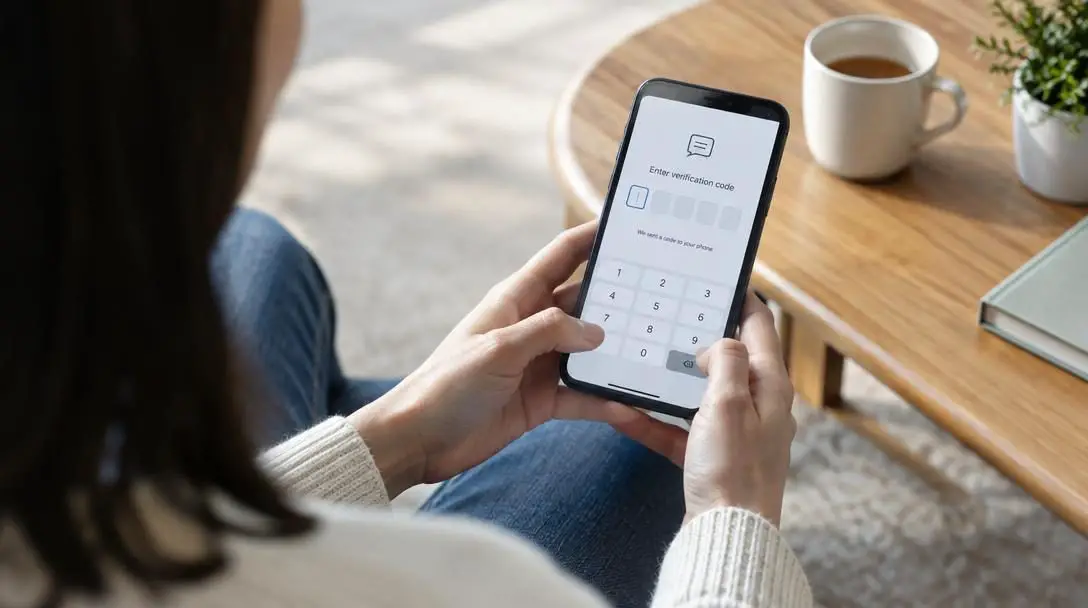
- Enter the number into the target website: Navigate to the account creation form, paste the virtual number into the verification field, and submit the request to trigger the SMS.
- Retrieve the confirmation code: Return to your virtual number dashboard, inspect the incoming SMS feed, and copy the verification digits back into the registration form to finalize access.
Common mistakes to avoid with virtual verification numbers
While virtual numbers offer robust security and convenience, improper management can lead to account lockouts. Avoiding common errors will ensure your digital identities remain stable and accessible.
- Using disposable numbers for core accounts: Never utilize single-use or temporary numbers for essential services like primary banking portals, major email providers, or government accounts that may require identity recovery years down the line.
- Skipping preliminary compatibility checks: Some automated fraud detection filters flag certain internet-based numbers; check platform compatibility before subscribing to a paid tier.
- Leaving ongoing inboxes unmonitored: If an account depends on a persistent virtual number for secondary authentication, regularly log in to your dashboard to review security notices.
- Exposing your dashboard on shared networks: Accessing your virtual inbox over unsecured public Wi-Fi without appropriate security precautions can compromise the verification codes displayed on your screen.
- Neglecting expiration rules: Free or pay-as-you-go providers may reclaim inactive numbers after a set duration, which can terminate your ability to receive future password reset links.
Strengthening your broader account security posture
Adopting a virtual number is an excellent initial step toward reclaiming personal privacy, but it functions best as part of an integrated security routine. Once your virtual lines are running, consider reviewing where your actual personal telephone number is currently stored across existing online services.
Begin by auditing high-exposure platforms such as public social media directories, online marketplaces, forums, and retailer loyalty programs. Updating these profiles to point to alternative contact channels reduces your overall digital footprint. Furthermore, review your two-factor authentication strategies. While SMS verification is widely supported and practical, pairing virtual numbers with app-based authenticators or hardware security keys provides comprehensive defense against unauthorized access.
Frequently asked questions
Can a virtual phone number receive standard SMS verification codes?
Yes. Virtual phone numbers route standard SMS transmissions across web servers, translating the telecom data so it appears directly inside your web dashboard or mobile app.
Do I need to buy a second mobile phone or SIM card to use one?
No extra hardware is required. Virtual lines operate entirely through web infrastructure, allowing you to manage incoming messages via an internet browser or software application.
Will using a virtual number protect my personal phone number from spam?
Yes. By presenting a virtual number during online registrations, your personal number stays off marketing databases, commercial data-broker lists, and public contact registries.
Are virtual phone numbers locked into long-term carrier contracts?
No. Virtual phone services do not require long-term contracts. You can obtain a line for a single activation code, rent it on a flexible monthly basis, or release it whenever you choose.
Are free virtual phone numbers safe to use for critical financial accounts?
Free or temporary virtual numbers are not recommended for critical accounts like banking or primary email. Because those numbers are often shared or recycled, you risk losing access to future password recovery links.
The bottom line
Relying on a personal mobile number for every online platform exposes private life to unnecessary marketing solicitations, tracking algorithms, and database leaks. A virtual phone number serves as a versatile, cloud-hosted safeguard, allowing you to receive SMS verifications without tethering your true identity to unvetted digital portals.
With quick setup, cost-effective pricing, complete contract flexibility, and enhanced anonymity, virtual numbers deliver an effective balance of access and protection. Integrating them into your regular online activities keeps your personal channels quiet, your credentials isolated, and your online accounts secure.