5 Things To Know Before You Consider Getting Solar Panels
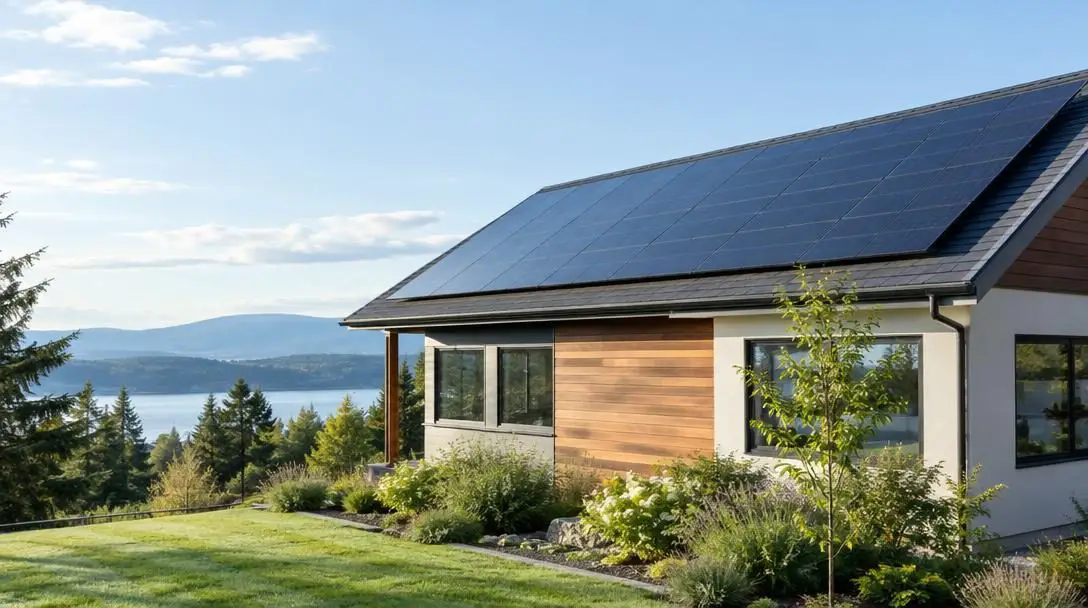
Generating your own electricity right from your rooftop has evolved from an experimental hobby into a mainstream home improvement goal. For property owners facing fluctuating utility rates, residential solar technology offers the enticing promise of long-term financial predictability, reduced carbon footprints, and greater self-sufficiency. When combined with an electric vehicle, a residential solar array can even supply clean vehicle charging directly from your roof, effectively providing free transportation fuel for the life of the setup while boosting overall property resale value.
Yet transitioning a household to renewable power is far from an off-the-shelf retail transaction. Rooftop solar arrays represent complex physical and electrical engineering projects that must integrate smoothly with your existing framing, electrical panel, local climate, and utility regulations. Before committing to a contract or taking on specialized financing, understanding how these systems work and what variables affect their performance will ensure your investment delivers its expected value.
Key takeaways
- Solar system productivity varies significantly by regional sunlight levels, roof orientation, and local shade obstructions.
- Your roof must be structurally sound and possess plenty of remaining lifespan to avoid costly panel removal during subsequent roof repairs.
- System sizing must be based on a thorough analysis of past utility bills rather than generic square-footage estimates.
- Incentives, rebates, and tax credits from federal, state, and local sources can drastically lower initial capital expenses.
- Quality solar panels generally last 20 to 30 years, making long-term warranties and maintenance plans critical to project success.
How Residential Solar Power Systems Operate
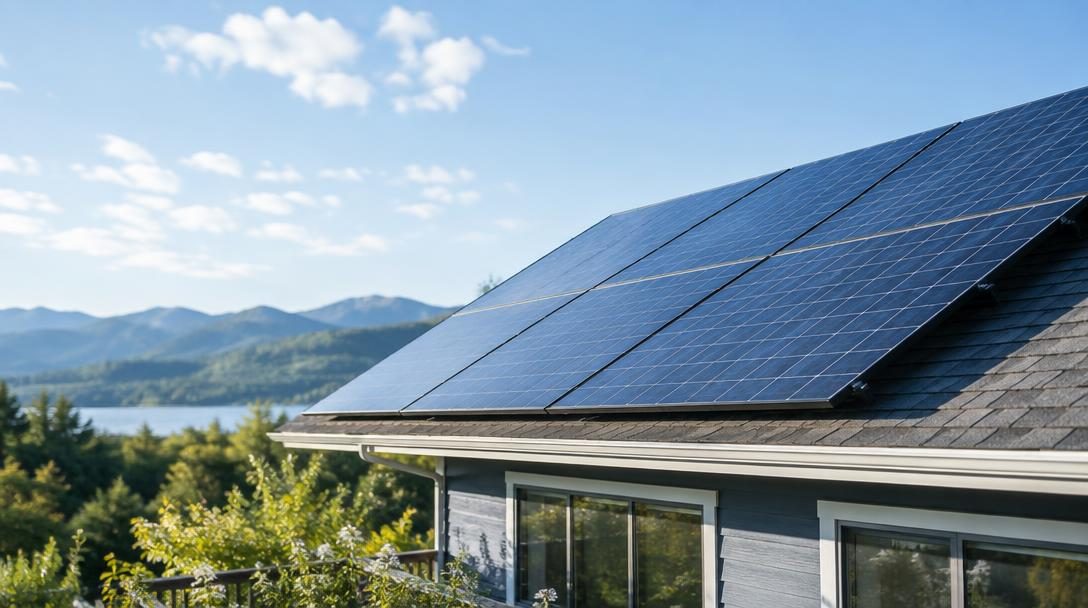
A residential solar array is an interconnected network of hardware designed to capture, convert, and route energy into your home safely. The foundational units are the photovoltaic solar panels mounted securely across your roofline. These panels contain specialized semiconductor materials that absorb daylight and convert raw photons into direct current (DC) electricity.
Because standard residential electrical panels, home appliances, interior lighting, and electric vehicle chargers operate exclusively on alternating current (AC) power, that raw direct current cannot be used as-is. The system channels the DC power through an inverter, a sophisticated electronic component that converts the electricity into stable, usable alternating current matching standard grid frequencies.
Once converted, electricity flows directly into your home's main electrical service panel to supply immediate household demands. If your panels generate more power during peak midday hours than your home currently consumes, the surplus electricity can be exported back out to the municipal electrical grid. Conversely, when your energy usage exceeds panel output—such as during stormy days or after sunset—your home automatically draws supplemental electricity from the local utility grid to cover the deficit.
Transitioning a home to clean power is not a simple retail transaction, but an integrated engineering project that directly alters your roof and electrical infrastructure.
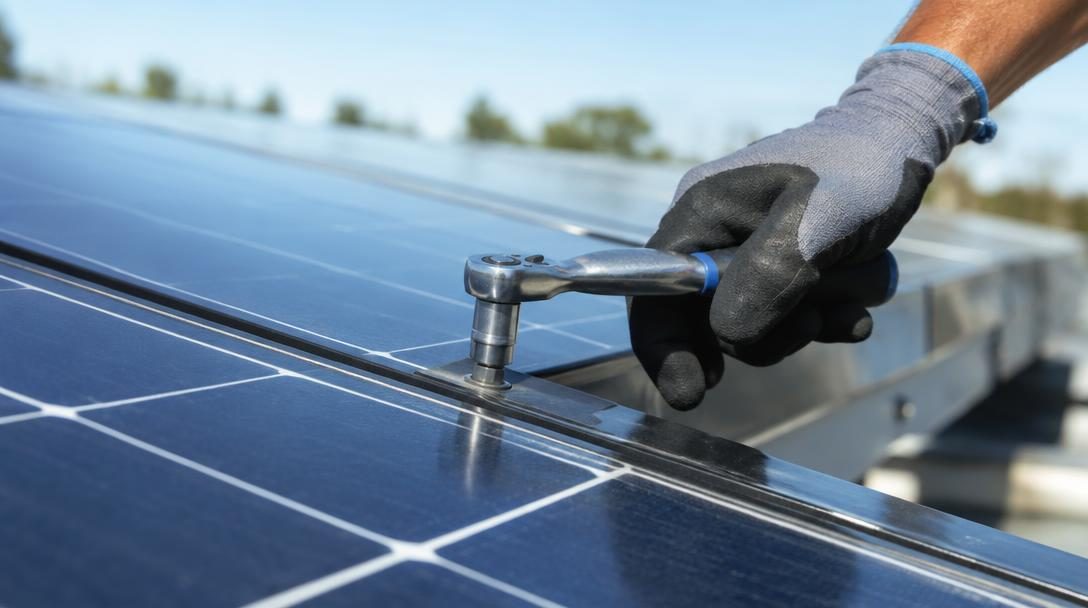
Holding everything together is heavy-duty mounting and racking hardware anchored straight into the structural rafters of your roof. These mounting brackets must withstand intense wind uplift, snow loads, and seasonal temperature fluctuations over decades, creating a permanent structural relationship between your roofing materials and your household electrical infrastructure.
The 5 Essential Factors to Know Before Going Solar
Evaluating whether solar makes technical and economic sense requires looking closely at your property's microclimate, physical architecture, and power usage habits. The following five considerations form the backbone of any sound residential solar assessment.
| Factor | Primary Consideration | Impact on System Value |
|---|---|---|
| Geographic Location | Sunlight intensity and seasonal alignment with peak energy demand | Determines raw annual kilowatt-hour production and financial payback speed |
| Roof Structural Condition | Age, material integrity, and remaining useful lifespan of roofing materials | Prevents expensive de-installation and reinstallation costs during future repairs |
| Household Power Needs | Historical consumption patterns across summer cooling and winter heating | Dictates accurate system sizing to avoid paying for excess or inadequate capacity |
| Payment Assistance Options | Federal, state, and local rebates, tax credits, and grant programs | Substantially offsets heavy initial equipment and professional installation costs |
| System Lifespan and Service | Long-term panel degradation, 20- to 30-year operational life, and warranties | Guarantees equipment maintenance coverage, component replacements, and end-of-life logistics |
Value Depends Heavily on Geographic and Site Location
While photovoltaic equipment functions in almost any climate, the actual financial return on investment shifts dramatically across different regions. For instance, an identical array installed in Phoenix, Arizona will yield substantially more value than one installed in Cambridge, Massachusetts. This difference is driven partly by total daylight intensity, but also by how consumption habits line up with the sun. In desert climates like Arizona, homeowners consume massive amounts of power running high-capacity air conditioning systems during the exact midday hours when solar arrays operate at peak generation capacity.
Regional geography is only half the equation; micro-level site conditions on your property are equally decisive. The compass orientation of your roof planes determines how directly panels intercept daily sun paths. Furthermore, obstructions such as tall hardwood trees, nearby multi-story buildings, or roof dormers that cast shadows across your array will dramatically reduce daily power production. Before investing, property owners must analyze how unobstructed their roof remains across all four seasons.
Roofing Condition and Structural Complexity
Solar arrays add persistent dead weight to your building envelope. Because panels and racking hardware remain fixed in place through decades of severe storms, your roof must possess sufficient structural integrity to bear these loads without sagging, leaking, or stressing interior framing. Older roofs with deteriorated decking or compromised trusses cannot safely accommodate a solar installation without prior structural reinforcement.
Furthermore, maintaining or replacing roofing materials located underneath an active solar array is a complex, multi-trade ordeal. If your shingles fail five years after solar installation, a specialized solar crew must disconnect the wiring, unmount the panels, and store the hardware before a roofing contractor can lay down new shingles. Once the reroofing is finished, the solar installers must return to reinstall and recertify the array. To avoid these costly secondary labor fees, your roof should have a long expected lifespan before a single bracket is bolted down.
Your True Household Power Needs
Solar energy arrays are custom-engineered installations designed around the unique electrical footprint of each home. If your power assessment is inaccurate, you risk two costly outcomes: installing an oversized system that generates more surplus power than you can economically monetize, or building an undersized system that fails to meaningfully offset your monthly power purchases.
Accurate system sizing requires reviewing a full year of electric bills rather than relying on rough estimates based on your home's square footage. Seasonal power spikes—such as running electric heating in the winter, central air conditioning in July, or charging an electric vehicle every evening—give installers the data necessary to calibrate the exact number of panels and inverter capacity required. Understanding this baseline energy usage protects you from taking out larger equipment loans than your household requires.
Available Payment Assistance Options
Purchasing a residential solar energy system outright requires a significant capital investment, often reaching second-mortgage levels of expense when high-efficiency panels, advanced inverters, and full labor packages are involved. The initial upfront cost can understandably intimidate prospective buyers looking for simple utility savings.
Fortunately, property owners rarely have to shoulder the entire expense alone. A robust ecosystem of financial incentives exists across federal, state, and municipal levels. These assistance programs include federal tax credits, state-level clean energy rebates, performance incentives, and property tax exemptions for renewable infrastructure. Resources offered through your state's department of energy can connect you with current rebate programs, dramatically lowering the net cost of installation and speeding up your financial breakeven point.
Solar Equipment Lifespan and Long-Term Warranties
Rooftop solar panels are long-range capital investments designed to function continuously for 20 to 30 years. Because these systems remain exposed to hail, freezing temperatures, windblown debris, and direct ultraviolet rays for decades, understanding the full equipment lifecycle is critical before committing to an installer.
Over their lifespan, solar cells experience gradual, minor degradation in overall conversion efficiency. Knowing what power output percentage your manufacturer guarantees at year ten, twenty, and twenty-five ensures realistic financial forecasting. Crucially, homeowners must clarify maintenance logistics early: Who handles warranty repairs if an inverter shuts down a decade from now? What happens to the panels when they reach final retirement? Clarifying equipment warranties, workmanship guarantees, and recycling or disposal procedures protects your household from unexpected long-term liabilities.
Step-by-Step Guide to Preparing Your Home
Taking a deliberate, organized approach to solar planning helps eliminate contractor miscommunications, structural headaches, and unexpected financial hurdles.
- Compile your utility history: Gather twelve consecutive months of electric bills to catalog your annual kilowatt-hour consumption, peak demand months, and baseline utility rate structures.
- Commission an independent roof inspection: Hire an independent, licensed roofing contractor to inspect your decking, shingles, flashing, and rafters to verify whether structural repairs or full replacement are needed prior to mounting hardware.
- Survey property shading: Monitor your roof across different times of day to map out shadow patterns cast by overhanging tree branches, chimneys, or adjacent structures.
- Investigate state and local incentives: Check the official website of your state department of energy and local municipal utility to identify active tax credits, rebates, and low-interest loan initiatives.
- Solicit multiple itemized contractor bids: Contact established, licensed solar installation companies to conduct on-site engineering assessments and provide detailed quotes reflecting expected output and equipment specifications.
- Scrutinize warranty and maintenance documentation: Carefully examine equipment warranties, power generation guarantees, and inverter coverage terms before signing financing paperwork or installation contracts.
Common Solar Mistakes Homeowners Make
Because residential solar involves high-voltage electrical work, structural carpentry, and municipal permitting, rushing the process can result in costly missteps.
- Mounting arrays on aging shingles: Placing new panels on a roof with fewer than ten to fifteen years of life remaining guarantees you will pay expensive panel-removal and reinstallation fees when the roof eventually leaks.
- Sizing arrays using square footage alone: Assuming a larger home automatically requires a massive system overlooks insulation efficiency, appliance age, and daily occupant habits.
- Overlooking seasonal shade changes: Evaluating sunlight during winter when deciduous trees have dropped their leaves can give a false impression of unobstructed summer sun exposure.
- Postponing incentive research: Many utility rebates and local clean energy grants require pre-approval or filing before hardware is mounted; applying retroactively can cause you to forfeit thousands in assistance.
- Ignoring equipment manufacturer stability: A 25-year warranty is only as reliable as the manufacturer behind it; buying budget equipment from unvetted companies risks leaving you without replacement parts if the company folds.
- Signing financing contracts without rate comparisons: Solar loan packages can carry high interest rates or hidden dealer fees that silently erode your anticipated monthly utility bill savings.
Frequently asked questions
Can solar panels provide free fuel for an electric car?
Yes. When your solar array produces electricity on your property, that power can be routed through your electrical service panel directly into a home EV charger, effectively allowing you to power your vehicle using energy generated straight from your roof.
Why does the value of solar differ so widely between regions like Phoenix and Cambridge?
Solar value depends on daylight intensity and consumption timing. Phoenix experiences brighter, more direct sunlight and sees peak household power consumption during hot daytime hours when air conditioning runs constantly, aligning peak energy generation with peak household demand.
What happens to a home's power supply when the solar panels produce excess electricity?
When the panels generate more alternating current power than the home requires at any given moment, the surplus energy flows outward through your electrical meter into the broader utility grid, often earning bill credits depending on local utility policies.
Do solar panels need to be taken down if my roof needs a repair?
Yes. If structural roof repairs or shingle replacements are required beneath the solar array, the panels and racking must be disconnected and unmounted by technicians before roofers can work, and then reinstalled and recertified afterward.
How long can a homeowner expect a residential solar system to last?
Residential solar systems are long-term investments that typically operate for 20 to 30 years, though power output will experience minor, predictable efficiency declines over that multi-decade span.
The bottom line
Investing in residential solar energy can protect your household against fluctuating utility charges, increase your home's resale value, and provide clean energy for your appliances and electric vehicles. However, realizing those benefits requires looking past aggressive sales pitches and objectively evaluating your property's readiness. High solar returns demand reliable sunlight, an unobstructed roofline, a sturdy structural deck with plenty of remaining lifespan, and a system calibrated strictly to your historical energy needs.
Take the time to assess your property thoroughly before signing any agreements. Consult your state's department of energy to uncover valuable rebates and incentives, secure an independent evaluation of your roofing structure, and compare detailed proposals from multiple experienced contractors. By pairing thorough site preparation with clear long-term warranty protections, you can ensure your rooftop power plant delivers dependable, affordable energy for decades to come.