5 Things You Need to Know Before You Get a Cat
Bringing a cat into your home is an alluring prospect for animal lovers across every stage of life. From busy urban professionals seeking quiet apartment companionship to growing suburban households wanting a family pet, the vision of a soft, purring feline curled up on the couch has enduring appeal. When a wide-eyed kitten mews softly, emotional instinct naturally takes over, prompting an immediate desire to finalize an adoption on the spot.
Adopting any animal, however, must be an informed and deliberate decision rather than an impulsive reaction to cuteness. Cats possess distinct physical, physiological, and emotional requirements that demand consistent daily commitment throughout their lives. Taking time to look past the immediate charm of an adorable kitten ensures you can objectively determine whether your home, lifestyle, and budget are ready for feline companionship for many years to come.
Key takeaways
- Feline adoption represents an emotional and financial commitment that can last up to 20 years.
- Annual essentials typically cost between $800 and $1,000, not including emergency veterinary care or home repairs.
- Spaying or neutering prevents serious reproductive cancers, curtails territorial marking, and helps address the 50 to 150 million feral cats living in the United States.
- Keeping cats indoors dramatically extends their life expectancy by protecting them from vehicles, infectious illnesses, and neighborhood predators.
- Cats are deeply social creatures that thrive on interactive play, regular communication, and daily human companionship.
The Reality of Domestic Feline Companionship
Domestic cats have shared human dwellings for thousands of years, yet persistent misconceptions about their true nature endure. Chief among these myths is the belief that cats are entirely independent and practically take care of themselves. Because felines do not require leashed bathroom walks outside like dogs, prospective owners often mistakenly assume an indoor cat can be supplied with a bowl of dry kibble and otherwise left to its own devices all day.
This persistent assumption creates severe welfare issues for pets and unexpected friction for new owners. Cats may not demand constant physical handling, but they are far from solitary, low-maintenance decorative objects. They form profound bonds with their caretakers, experience elevated stress when routines change, rely on environmental enrichment to prevent psychological distress, and depend completely on humans for veterinary care, nutrition, and sanitary living conditions.
Five Core Realities to Understand Before You Adopt
Before bringing a cat across your threshold, examine these five fundamental realities of feline companionship. Each one directly influences your everyday routine, living environment, and household budget.
| Factor | Key Consideration | Long-Term Expectation |
|---|---|---|
| Commitment | Lifespans reaching 15 to 20 years | Continuous care through career, housing, and family changes |
| Financial Cost | $800 to $1,000 annually for routine care | Emergency veterinary buffers and property protection supplies |
| Desexing Needs | 50M to 150M feral cats in America | Prevents reproductive cancers and territorial house soiling |
| Indoor Environment | Outdoor threats from traffic and predators | Enriched interior territory with safe window viewing perches |
| Human Attachment | Territorial bonds and social dependency | Daily interactive exercise, routine grooming, and emotional care |
A Cat Is a Long-Term Commitment
That miniature kitten cradled comfortably in your palm will grow rapidly and could easily live for 15 to 20 years. Felines advance through distinct developmental phases, transitioning from hyperactive youngsters to composed adult companions, and eventually into frail senior cats requiring specialized accommodations. Their physical stamina, veterinary needs, dietary tolerances, and daily routines will evolve significantly across these two decades.
Cats are deeply territorial animals that establish powerful bonds with both their humans and their physical surroundings. They struggle with frequent relocations and become visibly disoriented and distressed when transferred between different homes or surrendered to animal shelters later in life. If you cannot realistically commit to scooping litter boxes, organizing veterinary visits, and budgeting for food 15 years into the future through career changes, relationship evolutions, and residential moves, you should postpone adoption.
Cats Can Be Costly
The upfront adoption fee or initial purchase price represents a tiny fraction of the cumulative expense of cat ownership. Sustaining a healthy indoor feline requires consistent daily supplies and regular professional medical oversight. Basic operational costs include high-quality commercial cat food, litter, food dishes, sturdy transport carriers, grooming tools, scratching posts, and annual veterinary examinations alongside routine vaccinations.
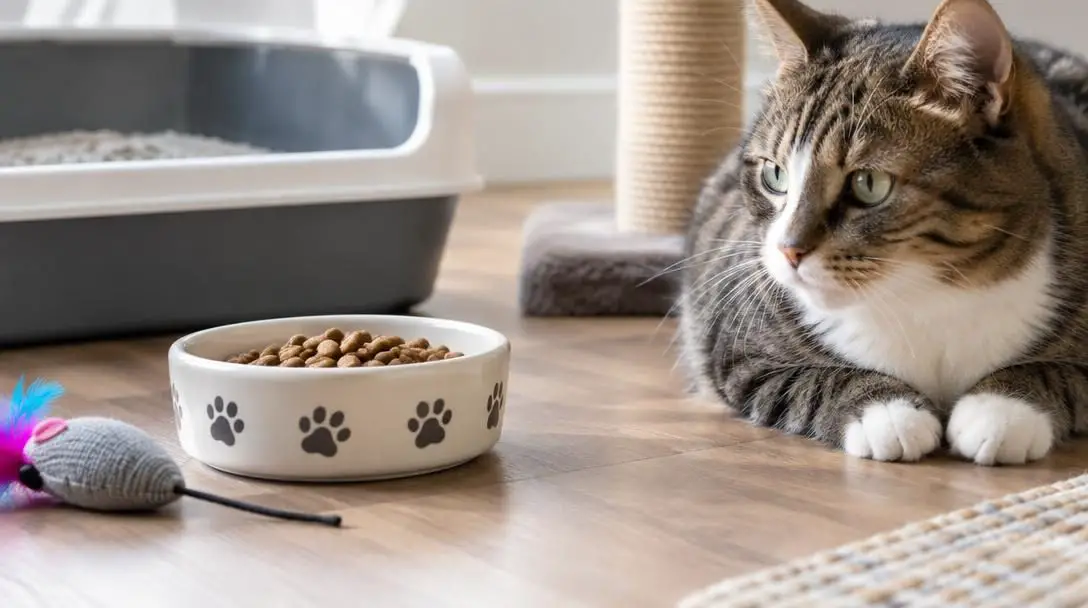
A standard feline care budget generally requires $800 to $1,000 per year just to cover baseline essentials. If your cat develops chronic medical conditions such as renal disease, diabetes, or dental disorders, annual veterinary expenses climb rapidly. Emergency surgeries or critical care interventions can quickly demand thousands of dollars in out-of-pocket veterinary expenses. Unprepared owners may also face the cost of repairing or replacing shredded furniture, drapes, or carpets if a cat is not provided with appropriate scratching outlets.
Cats Should Be Spayed or Neutered
Free-roaming feline overpopulation is an urgent animal welfare crisis across the United States, where conservative estimates place the population of homeless feral cats between 50 million and 150 million animals. Municipal shelters and private rescue organizations face chronic overcrowding, and vast numbers of unsterilized litters suffer outside without adequate nutrition, medical care, or winter shelter. Spaying female cats and neutering male cats is the primary safeguard against compounding this tragedy.
Desexing also confers dramatic individual medical and behavioral benefits. Spaying eliminates the threat of uterine infections like pyometra and significantly decreases the incidence of reproductive and mammary tumors. Neutering males removes the danger of testicular cancer and lowers the risk of prostate disease. Furthermore, desexed indoor cats are substantially calmer, show far less territorial aggression, and are significantly less inclined to indulge in loud nocturnal yowling or foul-smelling urine marking on your baseboards and furniture.
Cats Are Best Kept Indoors
Despite romanticized notions of felines roaming free through backyards and gardens, the data is unequivocal: indoor cats live vastly longer, healthier lives than outdoor cats. When left outside unsupervised, domestic felines face imminent perils, including vehicle collisions, poisoning from lawn chemicals or automotive fluids, fatal infectious ailments like feline leukemia, and violent conflicts with domestic dogs, stray animals, or wildlife.
Uncontrolled outdoor cats also disrupt local wildlife balances. As opportunistic predators, outdoor domestic cats kill millions of songbirds and small rodents every year, placing undue pressure on vulnerable native ecosystems. Keeping a cat indoors protects both the pet and surrounding fauna. An indoor cat remains completely content when provided with a stimulating environment, especially a comfortable, sunny windowsill perch where they can safely watch birds, observe neighborhood activity, and absorb warm afternoon sunlight.
Indoor cats enjoy significantly longer, safer lives while sparing vulnerable local wildlife from unnecessary predation.
Cats Need Human Contact
While cats do not require the constant, boisterous reassurance that many canines seek, they are domesticated animals that actively depend on human connection. A cat may spend hours curled inside a quiet closet or resting under a bed, creating the false impression of total emotional detachment. Yet given consistent patience, almost all cats actively seek out the presence, physical touch, and companionship of their human guardians.
Scientific behavioral observations confirm that cats readily bond with their caretakers, seeking physical affection, answering spoken voices, and greeting owners when they return home. When humans neglect these social bonds by withholding affection or failing to provide regular play, cats can develop boredom, depression, and destructive stress-related behaviors. Nurturing a feline friendship requires a daily investment of emotional availability, gentle conversation, and shared affection.
Daily and Weekly Routines of Cat Guardianship
Cat ownership is anchored by predictable, structured daily and weekly habits. Felines are creatures of pattern that thrive when their feeding, sanitation, and interactive needs are met on a consistent schedule.
Each day, cat guardians must manage several basic tasks:
- Consistent feeding schedules: Providing measured portions of balanced wet and dry food at regular intervals prevents feline obesity and eases digestive routines. Fresh water should be provided every morning in clean stainless steel or ceramic bowls.
- Diligent litter scooping: Felines possess keen olfactory senses and will avoid dirty facilities. Scooping solid waste and wet clumps once or twice daily maintains hygiene and prevents inappropriate urination outside the box.
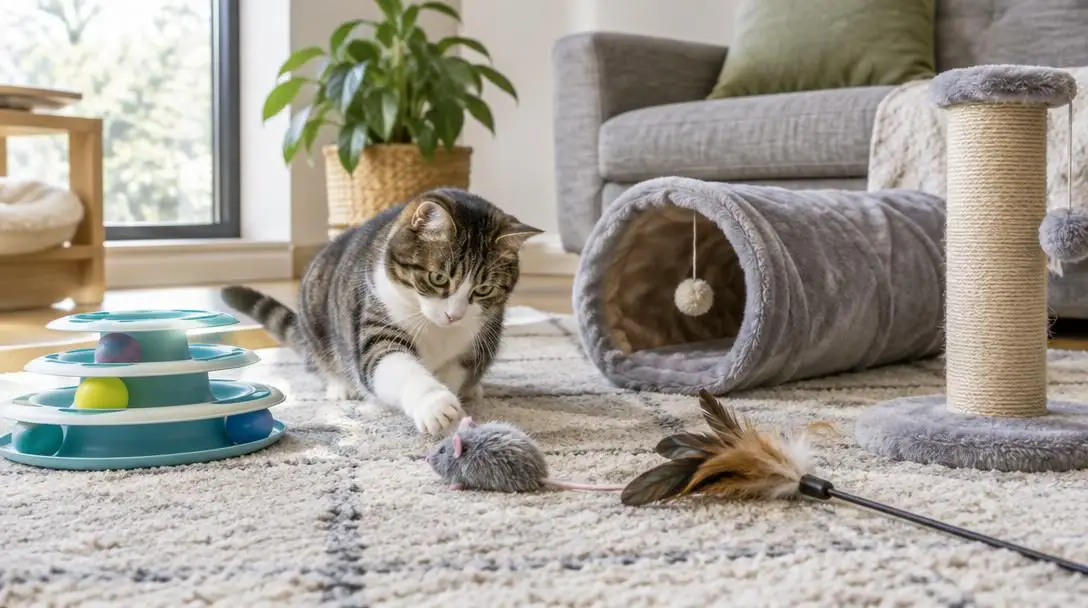
- Dedicated interactive play: Setting aside 15 to 30 minutes for aerobic play with wand toys or chase objects channels a cat's predatory drive, burns off surplus energy, and helps prevent nighttime disruption.
- Social and grooming time: Gentle brushing removes loose undercoat hair to reduce hairballs and allows you to look over the ears, eyes, and skin for early signs of inflammation or parasites.
On a weekly and monthly cadence, care routines transition toward broader sanitation and territory management:
- Full litter box replacement: Emptying used litter completely, scrubbing the plastic container with warm water and mild, unscented soap, and replenishing it with fresh substrate prevents deep odors from settling into the plastic.
- Environmental enrichment rotation: Swapping toys, rearranging climbing towers, and offering fresh cardboard scratchers prevents the domestic indoor environment from feeling stale and unstimulating.
- Preventive medical tracking: Regularly checking body weight, nail length, and dental tartar helps you spot emerging health concerns before they develop into expensive emergencies.
How to Prepare Your Home for a New Cat
Transitioning into an unfamiliar house is an intense sensory experience for a feline. Taking practical steps before your cat arrives smooths the transition and prevents avoidable domestic emergencies.
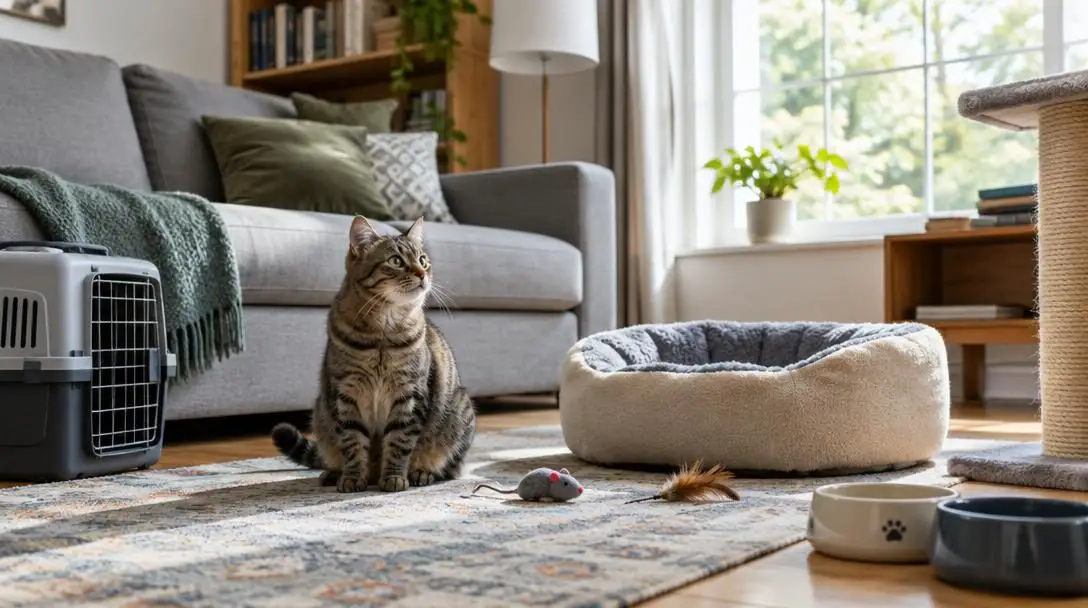
- Designate an isolated safe room: Set aside a quiet guest room or bathroom outfitted with food, water, a litter pan, a scratching pad, and bedding. Confining your cat to this starter territory for several days keeps them from feeling overwhelmed by the entire house.
- Assemble critical supplies: Purchase age-appropriate food, litter, non-porous ceramic or metal feeding bowls, nail trimmers, safe feather toys, and a durable hard-sided travel carrier for transport.
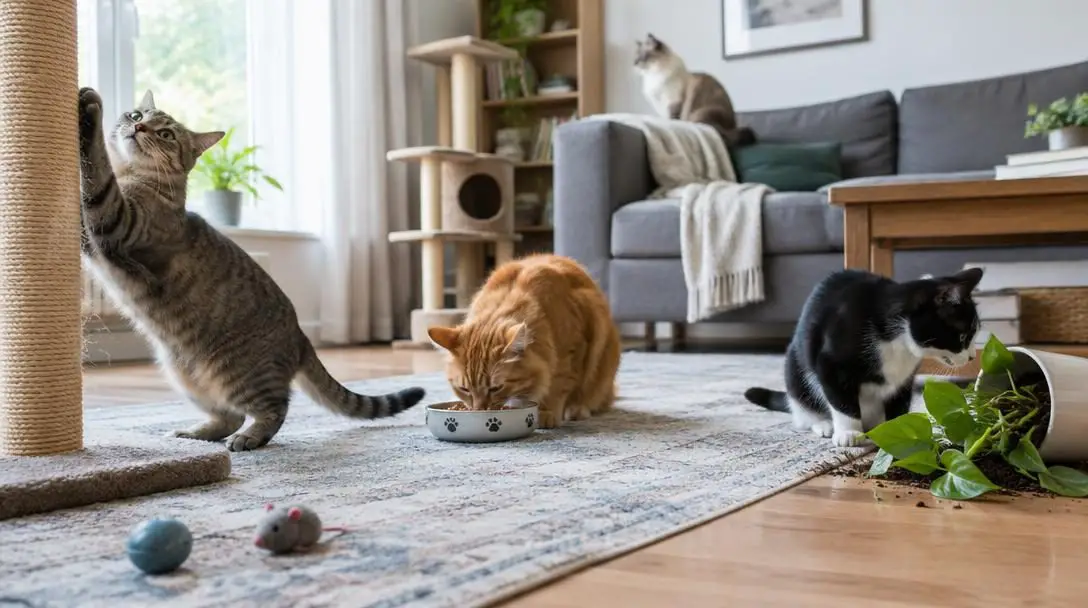
- Cat-proof your living spaces: Hide exposed electrical cords inside protective tubing, remove hazardous indoor plants like lilies and philodendrons, stow breakable items from mantels, and check that all window screens fit tightly.
- Position scratching stations: Place vertical sisal posts and horizontal corrugated cardboard scratchers near room entryways, sleeping spots, and furniture edges to encourage good scratching habits from day one.
- Register with a local veterinarian: Choose a trusted veterinary clinic in your immediate area and book an initial wellness exam within the first week of adoption to review vaccination history, microchip details, and medical records.
- Grant gradual house access: Once your new cat displays confident body language, eats reliably, and uses the litter box consistently in their starter room, open the door and supervise brief exploratory sessions throughout the rest of your home.
Frequent Pitfalls for First-Time Guardians
Even well-intentioned adopters can make basic mistakes when adjusting to life with a new cat. Recognizing these behavioral and environmental pitfalls early helps keep your home peaceful and your new pet secure:
- Rushing the bonding process: Forcing a timid cat out from underneath a sofa or demanding physical contact creates severe apprehension. Allow the cat to initiate contact at its own pace while you sit nearby speaking softly.
- Skimping on scratching equipment: Assuming a cat will inherently leave your upholstery alone without giving them proper alternatives leads to ruined furniture. Scratching is an essential biological impulse, not malicious behavior.
- Bottlenecking essential resources: Placing only one litter box or a single water bowl in a large or multi-story home can produce territorial stress and litter avoidance. Keep facilities accessible on every floor of the house.
- Permitting outdoor exploration: Allowing an indoor cat to wander freely outdoors exposes them to toxic substances, territorial animal fights, and automobile traffic. Maintain secure indoor boundaries.
- Neglecting routine veterinary visits: Skipping yearly medical checkups because an indoor cat appears healthy can cause silent problems like dental decay, kidney changes, and weight issues to progress undetected.
Frequently asked questions
How much does it cost to care for a cat each year?
Standard annual maintenance for a healthy indoor cat ranges from $800 to $1,000. This estimate covers food, litter, routine yearly vaccinations, wellness checks, and basic toys, but does not include emergency veterinary procedures or specialized treatments.
How long can I expect an indoor cat to live?
With balanced nutrition, consistent preventive veterinary care, and the protection of an indoor lifestyle, domestic cats frequently live between 15 and 20 years.
Why is spaying or neutering my cat so critical?
Desexing prevents uterine infections, reduces the risk of reproductive and mammary cancers, curbs urine spraying and yowling, and directly combats the domestic pet overpopulation crisis that leaves an estimated 50 to 150 million feral cats on American streets.
Do cats get depressed or lonely if left alone inside?
Yes. Cats are social creatures that bond deeply with their owners. Prolonged isolation without mental stimulation or human contact can lead to chronic boredom, lethargy, and stress-induced behavioral problems.
Can an outdoor cat successfully adapt to living strictly indoors?
Yes. Cats adapt well to life indoors when provided with climbing structures, regular interactive wand play, scratching furniture, and sunny window perches that fulfill their natural instincts safely.
The Bottom Line
Adopting a cat can introduce years of quiet warmth, humor, and companionship into your home. The gentle rumble of a contented purr and the playful antics of a companion feline enrich daily domestic life in ways few other experiences can match. Yet genuine companionship requires honoring the real, practical needs of the animal behind the soft fur.
A successful adoption relies on an honest assessment of your living conditions, financial resources, and daily schedule. When you can commit to meeting a cat's financial needs, providing a secure indoor home, managing daily care, and offering steady human affection across its entire 20-year lifespan, you lay the groundwork for a rewarding bond that benefits both you and your feline companion.