
5 Things You Need to Know Before You Get a Hamster
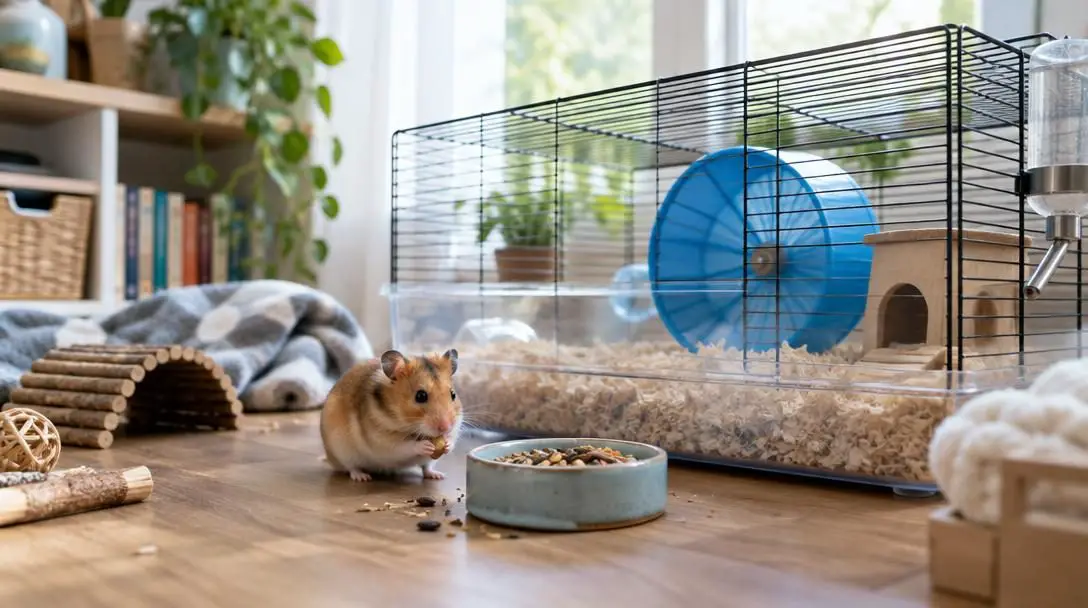
When young children lobby for a family pet, parents eager to bypass the demanding schedules of dogs or cats often settle on a small rodent. This widespread train of thought has inspired roughly 11 million families to bring a hamster into their households. Across popular culture and pet aisles, these compact critters are widely categorized as simple, entry-level companions that demand little beyond an inexpensive cage and a bag of seed mix.
The reality of hamster ownership looks considerably different. While hamsters require far less hands-on social engagement than larger domestic species, they are not maintenance-free toys. Fulfilling a hamster's biological instincts and environmental needs demands consistent effort, thoughtful housing, and realistic expectations about their nocturnal sleep schedules and fragile temperaments.
Key takeaways
- Hamsters are nocturnal animals that sleep throughout the day and become active after twilight.
- Young children often lack the motor control needed to hold fragile, fast-moving hamsters without provoking defensive bites.
- Males and females must never share an enclosure due to severe territorial aggression and rapid reproduction.
- Daily kibble must always be served in a clean dish rather than scattered into cage bedding to prevent intestinal blockages.
- Hamsters possess boundless running energy and require solid-surface exercise wheels alongside closely supervised out-of-cage time.
The Evolutionary Roots of Domestic Hamster Behavior
To understand why a pet hamster behaves the way it does inside a living room, prospective owners must look to the animal's evolutionary background. Hamsters first transitioned from wild terrain into research laboratories and domestic residences during the twentieth century. In their native habitats across Europe, Asia, and the Middle East, these small rodents colonized open grasslands, arid plains, and harsh desert margins.
Surviving in exposed environments teeming with predators forced hamsters to develop specialized survival mechanics. They adapted to spend blazing daylight hours tucked safely inside deep, subterranean burrows, emerging under the cover of nightfall to forage across vast territories. In a single evening, a wild hamster might traverse several miles in search of grains and vegetation, packing seeds into its cheek pouches to ferry back to underground larders. Because domestic hamsters retain this ancestral programming, captive life requires environmental outlets that mirror their ancient survival instincts.
A hamster's instinct to run for miles, burrow into deep substrate, and fiercely guard its personal territory remains entirely intact inside a living room cage.
Five Essential Truths of Hamster Ownership
Before adopting a small rodent, families should weigh the daily commitments against household dynamics. The following five realities highlight where common pet-store myths diverge from proper animal husbandry.
Hamsters Aren't Built for Kids of All Ages
Despite their pervasive reputation as the quintessential starter pet for toddlers and elementary schoolers, hamsters are fundamentally ill-suited for young children. Their delicate skeletal frames require an exceptionally steady, gentle hand. When held by uncoordinated or enthusiastic little hands, a hamster quickly feels unsupported and panicked, prompting it to wriggle, scratch, or leap toward the floor. Such falls frequently result in broken bones or fatal internal injuries.
Furthermore, hamsters rely on biting as a primary self-defense mechanism. If startled awake, squeezed tightly, or approached abruptly by an unfamiliar hand, even a thoroughly tamed pet will deliver a sharp bite. When a child experiences a painful nip, the common reaction is fear and abandonment, leaving the pet neglected in a corner. Parents must recognize that ultimate responsibility for cage sanitization, food preparation, and gentle handling always rests on adult shoulders.
Opposite Genders Must Live in Separate Enclosures
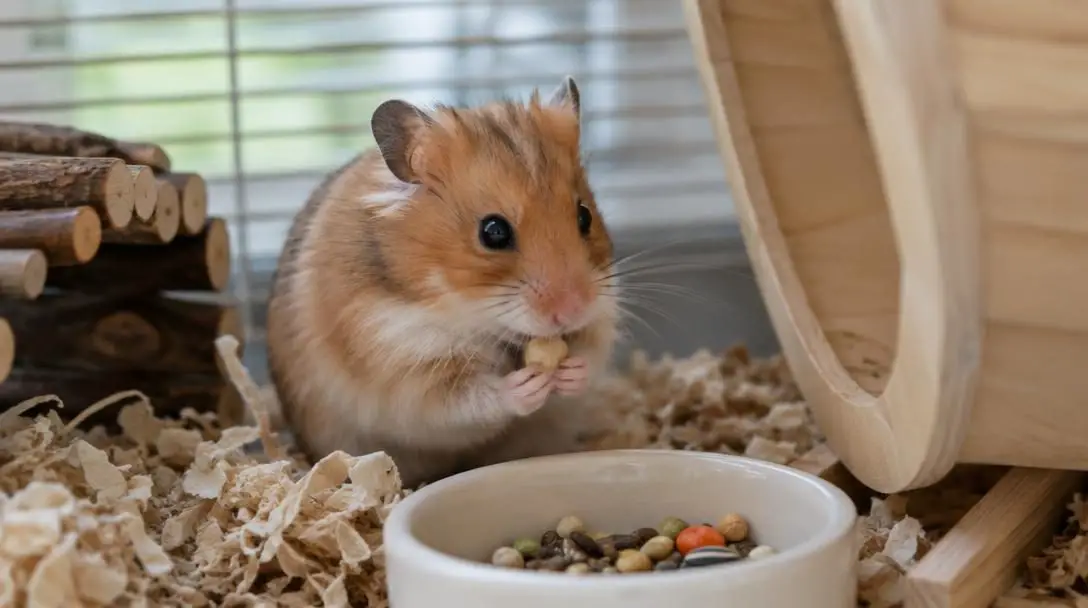
Well-meaning owners frequently purchase two hamsters at once so their pet will have a constant companion. While same-sex pairs can occasionally share quarters under strict conditions depending on the species, keeping male and female hamsters together in one cage is a recipe for disaster. Opposite-sex pairs will engage in vicious territorial clashes, inflicting devastating or fatal puncture wounds on one another.
In addition to dangerous aggression, cohabitating opposite sexes leads directly to rampant reproduction. Even when intentional breeding is planned, the male and female must only be introduced temporarily under direct supervision. Once mating concludes, both animals must be separated immediately into individual enclosures. If the father remains present when the litter arrives, he may attack and kill the newborn pups.
Their Nocturnal Clock Clashes with Daytime Family Life
First-time owners are often dismayed when their lively pet spends the entire afternoon curled beneath several inches of bedding, completely unresponsive. Hamsters are strictly nocturnal creatures. Their biological clocks keep them fast asleep throughout peak household activity hours, only waking them up around dusk.
This inverted schedule frequently disappoints children who want an afternoon playmate. Waking a hamster during daylight hours disrupts its natural sleep cycle, creating an irritable animal that is prone to biting. Instead, the pet hits peak energy levels late at night, spinning on its exercise wheel and rustling substrate just as household members are attempting to fall asleep. Families must be comfortable with an animal whose primary waking life unfolds after dark.
High-Energy Metabolism Demands Daily Physical Exercise
Deprived of adequate physical outlets, a captive rodent will rapidly succumb to chronic stress, repetitive bar-chewing, and lethargy. Because their ancestors evolved to run extensive distances every night, domestic hamsters retain an extraordinary requirement for continuous physical exertion. Supplying a safe, functional exercise setup inside and outside the cage is mandatory.
Inside the habitat, a smooth, solid-surface exercise wheel prevents spinal strain and foot entrapment. Beyond cage confines, many owners rely on running exercise balls or secure floor playpens to let their pets stretch their legs and investigate fresh scents. However, out-of-cage time demands absolute, vigilant supervision. A rolling exercise ball left unattended can easily plunge down a flight of stairs, overheat in direct sunlight, or roll into the path of curious household cats and dogs.
Feeding Requires Dedicated Dishes and Precise Schedules
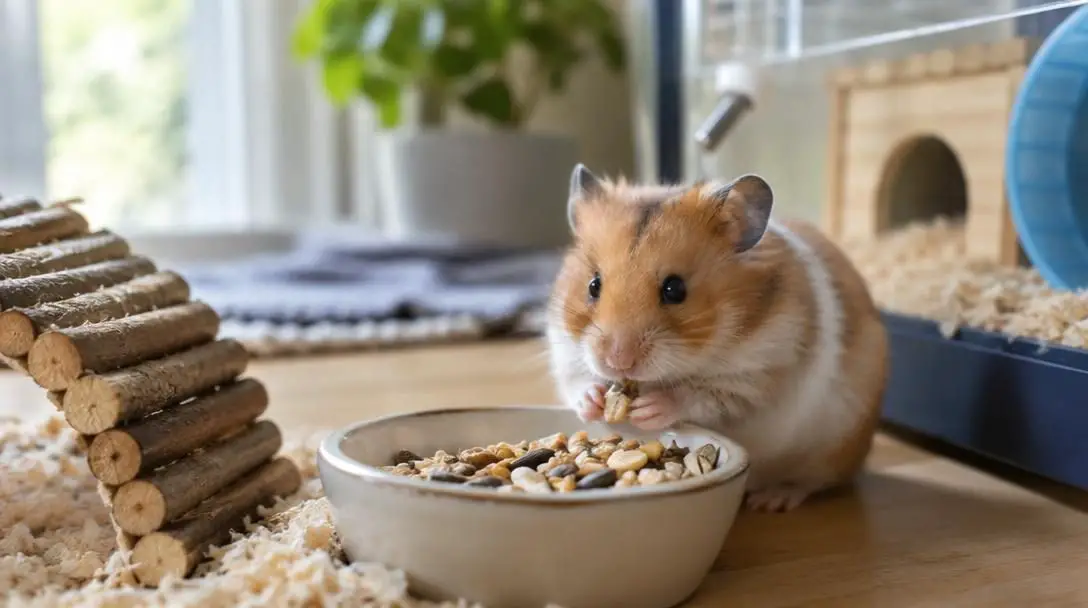
A thriving hamster cannot survive on arbitrary handfuls of seeds or table scraps. These rodents need a nutritionally balanced, species-approved dry kibble delivered every day. Critically, this daily ration must be placed directly inside a dedicated, clean food dish. Scatter-feeding kibble directly across cage bedding carries a serious health hazard: when picking through dirty substrate, the animal can inadvertently swallow soiled shavings, leading to severe intestinal blockages.
In addition to foundational dry kibble, hamsters benefit from nutritional variety. Every other day, supplement their standard diet with modest portions of fresh, washed fruits and vegetables. These additions introduce essential moisture, micronutrients, and dietary fiber. Owners should routinely clear out any uneaten fresh produce after a few hours to prevent spoiled scraps from decomposing inside subterranean hoard spots.
Habitat Infrastructure and Functional Zones
A hamster cage should never be treated as a simple holding box. To support natural behavioral cycles, the enclosure should be divided into distinct functional zones that allow the animal to nest, feed, relieve itself, and exercise without interference.
| Habitat Zone | Primary Function | Essential Equipment | Maintenance Rhythm |
|---|---|---|---|
| Nesting Area | Sleeping, thermoregulation, and hoarding dry food | Deep layer of unscented paper substrate, hiding huts | Spot-clean soiled spots daily; refresh weekly |
| Feeding Station | Sanitary food and clean water consumption | Heavy ceramic dish, elevated ball-bearing water bottle | Refill kibble daily; check water bottle mechanics daily |
| Exercise Hub | Nighttime running and physical energy expenditure | Solid-surface upright wheel of proper diameter | Wipe down running surface weekly |
| Exploration Space | Sensory foraging, tunnel digging, and gnawing | Chew toys, cardboard tunnels, textured ramps | Rotate toys bi-weekly to sustain mental engagement |
Practical Steps for Setting Up and Managing a Hamster
Setting up an environment that supports natural rodent instincts prevents behavioral issues and keeps cleaning straightforward. Follow this operational sequence to establish a healthy habitat.
- Select an appropriate enclosure: Choose a solid-bottomed cage that provides ample floor space. Avoid wire-bottomed bases that can trap tiny paws, and place the habitat in a quiet room sheltered from drafts, direct sun, and larger household pets.
- Lay down unscented substrate: Distribute a generous layer of unscented, dust-free paper bedding across the base. Deep substrate allows the animal to construct stable underground burrows. Avoid aromatic wood shavings like pine or cedar, which can irritate delicate respiratory tracts.
- Install the essential hardware: Mount a correctly sized, solid-surface exercise wheel that allows the animal to run without an arched back. Affix an elevated water bottle with a smoothly operating ball bearing, and place a stable ceramic food dish on flat ground.
- Establish a consistent feeding routine: Measure out approved dry kibble daily and place it inside the clean ceramic bowl. Every other day, introduce a tiny portion of washed fresh produce, removing any uneaten remnants before they spoil.
- Organize supervised out-of-cage sessions: When letting your hamster explore in a playpen or rolling exercise ball, clear the room of trip hazards, power cords, and other pets. Keep your eyes on the animal throughout the entire session.
- Execute regular hygiene maintenance: Conduct daily spot-checks to remove wet bedding and soiled corners. Once a week, complete a more thorough cleaning by scrubbing the food bowl, sanitizing the running wheel, and replenishing substrate.
Common Husbandry Pitfalls to Avoid
Preventable management errors are the leading cause of early health decline and behavioral friction in domestic hamsters. Steer clear of these common pitfalls:
- Waking the pet during daytime hours: Poking into a nest to drag a sleeping hamster into the daylight causes acute stress and frequently triggers defensive bites. Wait until twilight when the animal emerges naturally.
- Cohabitating opposite sexes: Placing male and female hamsters in the same cage leads to violent, injurious territorial brawls and rapid, unmanaged breeding cycles.
- Leaving the father near a new litter: Failing to remove a male immediately following a controlled breeding session puts newborn pups in danger of fatal aggression from the father.
- Scattering dry food loosely in shavings: Tossing kibble directly into bedding forces the pet to ingest dirty substrate particles alongside its meal, increasing the likelihood of painful bowel impactions.
- Leaving running balls unmonitored: Permitting an exercise ball to roam without constant visual oversight exposes the rodent to steep stairs, overheating, and dangerous harassment from family dogs or cats.
- Delegating full care to young children: Expecting children to manage delicate handling, water testing, and habitat hygiene independently leads to animal distress. Adult oversight must remain constant.
Frequently asked questions
Can two hamsters of the same sex live together?
Under specific, carefully managed circumstances, certain species of same-sex hamsters can share an enclosure. However, opposite-sex pairs must never live together due to extreme territorial aggression and relentless breeding cycles. Any shared enclosure requires vigilant observation to ensure cage mates do not begin bullying or injuring one another.
Why does my hamster bite when I pick it up?
Hamsters bite out of self-defense. If they are disturbed while sleeping during the day, handled roughly, or lifted without secure body support, their natural survival instinct is to bite. Ensuring the animal is awake and approaching it with slow, gentle hands drastically reduces biting behavior.
How often should I feed my hamster fresh produce?
Fresh fruits and vegetables should be offered every other day as a nutritional supplement to daily kibble. Always wash the produce thoroughly, serve it in small portions, and discard any uneaten leftovers after several hours to keep the cage clean.
Why is my hamster running constantly throughout the night?
Hamsters are naturally nocturnal animals that evolved to forage across vast distances under the safety of darkness. Running miles on an exercise wheel during the night is an instinctive, healthy behavior that provides the heavy physical exertion their bodies require.
Is it safe to scatter food across the cage floor?
No. Scattering kibble throughout cage bedding forces the animal to gather food mixed with soiled substrate, which can result in the ingestion of dirty shavings and cause dangerous intestinal obstructions. Food should always be placed inside a clean ceramic dish.
The Bottom Line
Adopting a hamster is a serious commitment that requires an understanding of the animal's evolutionary instincts. Far from an effortless novelty pet, a domestic hamster thrives only when granted a quiet daytime environment, a safe nocturnal exercise setup, carefully measured nutrition, and mature, gentle handling. By structuring your home around these biological realities rather than casual pet-store myths, you can provide an enriching, stress-free environment where your small companion will flourish.