5 Things You Need to Know Before You Start Keeping Fish
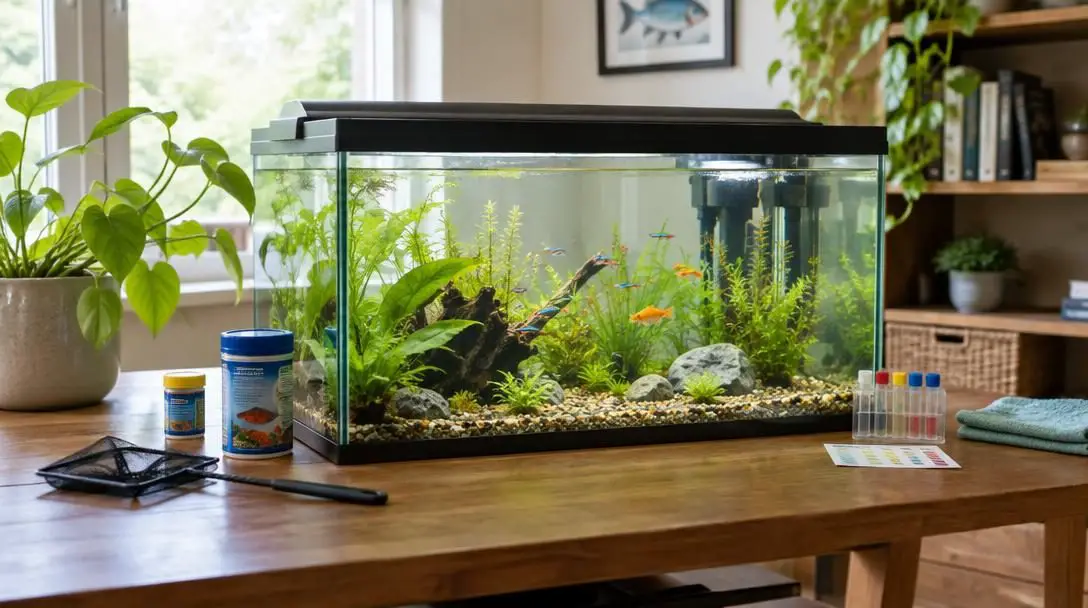
Modern living brings undeniable stress, and many people look toward nature for a sense of calm. Setting up an indoor aquarium can transform a living space into a tranquil retreat. Watching vibrant, graceful aquatic pets glide weightlessly through water provides an absorbing visual break from daily demands. Scientific studies have demonstrated that observing an aquarium can measurably lower anxiety and reduce stress levels, bringing the restorative influence of the natural world into living rooms and offices.
Yet a persistent misconception surrounds fishkeeping: the idea that it is an effortless, set-it-and-forget-it hobby. Because fish do not require outdoor walks, litter boxes, or behavioral training, newcomers often assume that an aquarium demands little more than sprinkling flakes once a day. In reality, maintaining aquatic life is an active discipline that blends biology, water chemistry, and consistent housekeeping. Before setting foot in a pet shop, prospective aquarists must understand the fundamental responsibilities that ensure these animals survive and thrive.
Key takeaways
- Aquariums are closed biological ecosystems requiring specialized hardware like filters, pumps, and water conditioners.
- Water quality degrades daily, demanding regular partial cleanings roughly once every two weeks.
- Tank stocking must be calculated using adult sizes, adhering to the guideline of one inch of fish per one to two gallons of water.
- Popular species have substantial life expectancies, ranging from five years for tetras to upwards of 30 years for goldfish.
- Untreated tap water contains municipal chlorine that is toxic to fish and must always be neutralized prior to use.
The Five Essential Realities of Keeping Fish
Bringing fish into your home is an investment of time, attention, and resources. Prospective owners who take the time to evaluate their equipment, available space, and schedule will avoid common pitfalls that endanger aquatic pets. Here are the five core realities every aspiring fish keeper must understand.
1. Fish Require Accessories
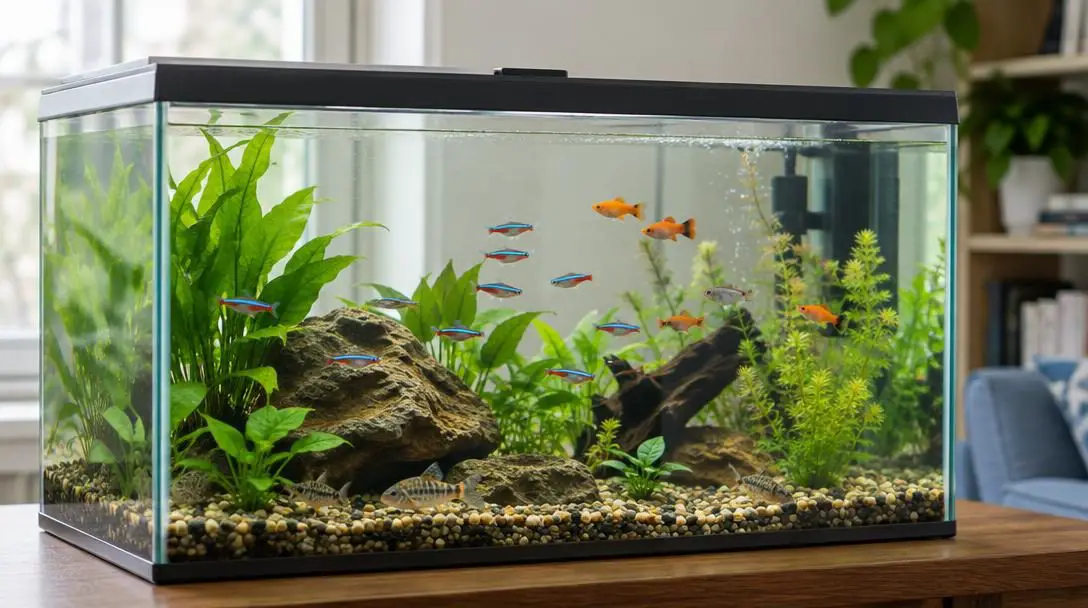
Keeping aquatic animals healthy involves far more than simply filling a glass vessel with water. Even a single goldfish living in a basic arrangement demands a decent-sized bowl, protective gravel or decorative rocks for the substrate, a collection net, quality food, and a chemical water conditioner. In addition, fish require visual cover, which means you must provide a few fake plants and cave-like decorations where they can retreat and hide when startled.
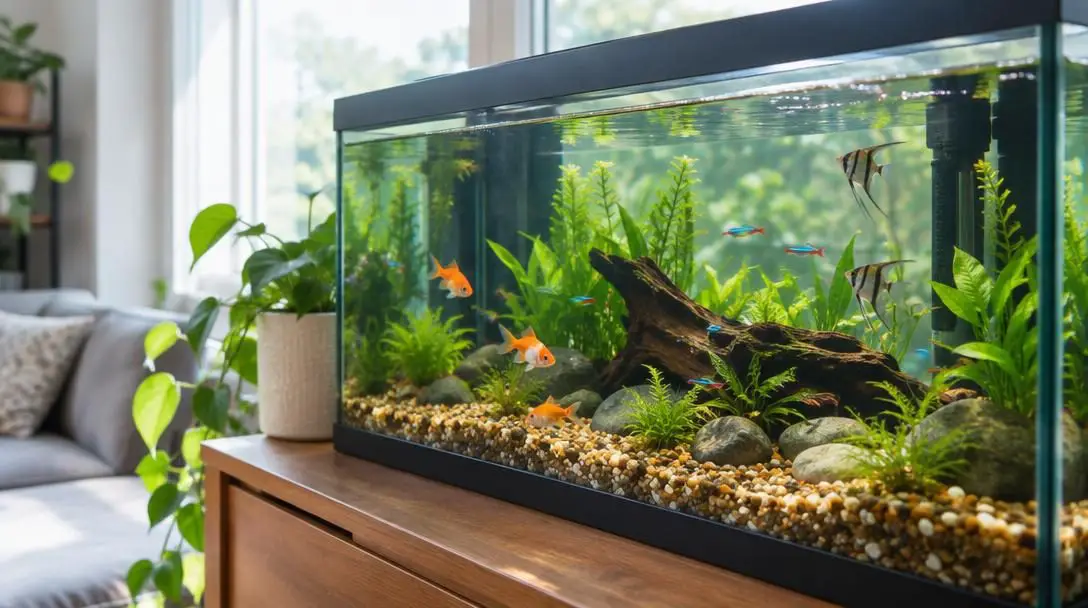
When you transition to a larger, standard aquarium, the inventory of essential hardware expands considerably. A complete setup requires a dedicated mechanical and biological filter to clear debris, an aeration pump to circulate oxygen, balanced lighting, and an algae scrubber to keep the viewing panes clear. Furthermore, tropical setups depend on a reliable submersible heater paired with an accurate thermometer to monitor and maintain steady conditions.
2. Fish Tanks Need Regular Cleaning
Aquatic pets live, breathe, and produce waste in the very same water that surrounds them. Biological waste settles constantly across the bottom of the habitat, leading to a steady, daily decline in water purity. Simultaneously, any uneaten food flakes or sinking pellets that escape consumption will drift into corners, decompose, and quickly muck up the water column.
Because waste accumulates continuously, an aquarium requires consistent physical maintenance. While the exact maintenance schedule depends on the physical dimensions of the tank, the overall bioload of the animals, and ambient environmental conditions, owners should anticipate conducting a thorough cleaning approximately once every two weeks. Skipping these biweekly cleanings leads directly to cloudy, unhealthy living conditions.
3. Fish Need Room
Crowding an aquarium is a recipe for rapid failure. While it may be tempting to build a densely populated underwater community, the philosophy of "the more, the merrier" leads directly to intense stress, heightened aggression, and fouled water. Fish require sufficient physical swimming room to explore, establish micro-territories, and reach their full physical potential.
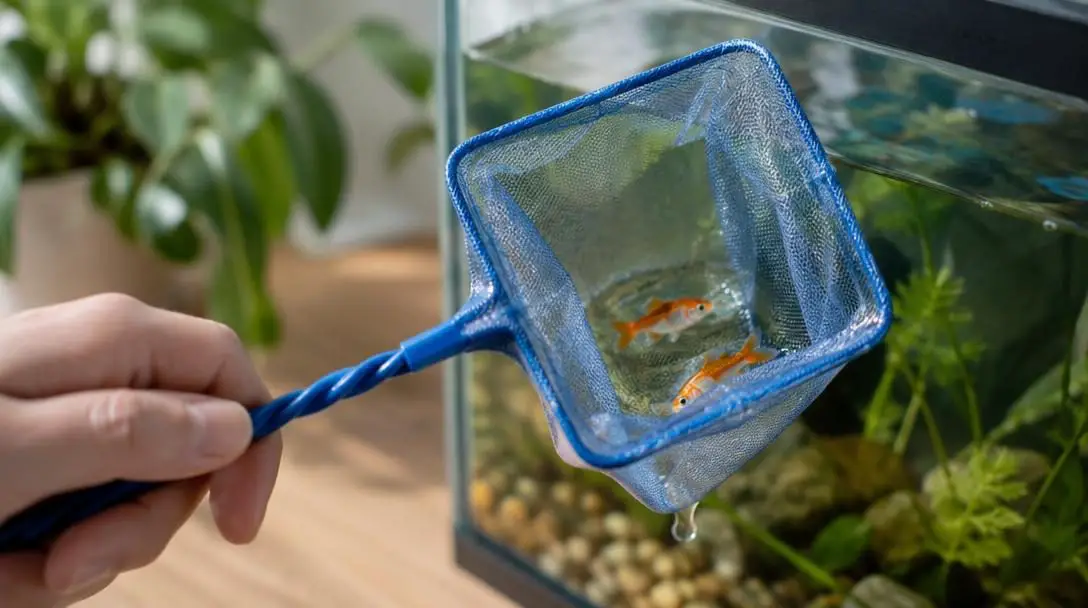
A widely used rule of thumb in the hobby suggests stocking no more than one inch of fish per one to two gallons of water. Applying this calculation to a standard ten-gallon tank allows you to safely keep five fish that mature to two inches long, or alternatively two fish that grow to three inches. However, this metric must be applied with nuance. A slender, narrow-bodied fish demands far less environmental volume than a wide, chonky goldfish. Most importantly, stocking calculations must always reflect the expected adult size of the species, rather than the tiny juveniles seen in store display tanks.
4. Fish Can Live a Long Time
Fishkeeping should never be entered into as a fleeting curiosity or a seasonal project. In an appropriately maintained habitat, aquatic animals frequently outlive traditional mammalian pets. Small community favorites like tetras and gouramies regularly live for five years or more when provided with clean water and proper nutrition.
The longevity of cold-water species is even more surprising. A common goldfish bought casually at a fair or pet shop can live anywhere from 10 to 30 years under conscientious care. Taking on an aquarium represents a long-term commitment that may extend across decades of your life, requiring consistent devotion and routine care.
5. Tap Water Can Be Unsafe
One of the most dangerous beginner assumptions is that sink water is ready for direct aquarium use. Municipal water utilities routinely add chlorine and other purifying agents to tap water to destroy bacteria and ensure it is safe for human consumption. While harmless to humans at standard concentrations, chlorine is acutely toxic to aquatic wildlife, causing severe chemical burns to delicate gill membranes and disrupting life support functions.
You must never pour raw tap water directly into a tank housing live animals. The chemical additives must be completely eliminated beforehand. Fortunately, pet supply shops offer specialized dechlorinating solutions and water conditioners. Administering a measured dose of conditioner neutralizes the chlorine instantly, rendering household tap water completely safe for aquarium inhabitants.
Species Characteristics and Housing Demands
Different species carry vastly different environmental demands, spatial footprints, and life expectancies. Selecting the right species requires matching your available home space and long-term care abilities with the biological realities of the animals.
| Species | Expected Lifespan | Body Build & Swimming Needs | Essential Equipment Requirements |
|---|---|---|---|
| Tetras | 5 years or more | Slender body; active schooling swimmers needing horizontal room | Filter, aeration pump, heater, thermometer, fake plants |
| Gouramies | 5 years or more | Moderate, compact build; requires calm water and shelter | Filter, pump, heater, thermometer, hiding decor, plants |
| Goldfish | 10 to 30 years | Chonky build; heavy biological waste producer needing high volume | Decent-sized bowl or large tank, substrate rocks, net, filter, conditioner |
How an Aquarium Functions as a Closed Ecosystem
To keep aquatic pets healthy over months and years, an owner must view their tank as a self-contained, closed ecosystem. In wild lakes, mountain streams, and vast rivers, biological waste is instantly dispersed by millions of gallons of fresh, flowing water. Natural currents sweep away toxic organic byproducts while constantly replenishing dissolved oxygen.
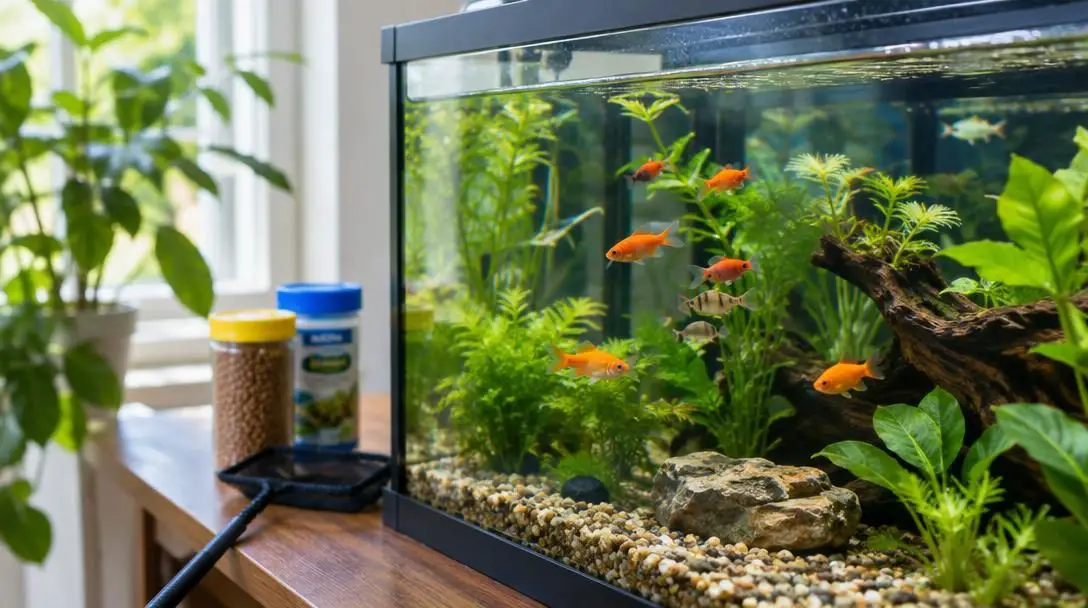
Because an indoor aquarium is a closed ecosystem, everything introduced into the water stays there until the keeper removes it or a biological mechanism breaks it down.
In a home tank, the volume of water is finite and contained. Every biological movement, every piece of waste matter, and every uneaten flake of food remains locked within that glass cube until action is taken. As organic waste decays, it breaks down chemically, altering the underlying water parameters and lowering overall purity. Without artificial life-support equipment, an aquarium rapidly transforms into an uninhabitable environment.
This closed dynamic explains why life-support accessories are non-negotiable:
- Aquarium filters perform continuous mechanical cleaning by pulling drifting particulate debris out of the water column, while simultaneously providing a habitat for beneficial microscopic organisms that break down invisible chemical waste products.
- Air pumps agitate the surface boundary of the water, which drives off trapped carbon dioxide and facilitates the transfer of fresh atmospheric oxygen into the liquid.
- Submersible heaters and thermometers work together to stabilize water temperature, insulating delicate tropical species from dangerous environmental fluctuations caused by drafts, air conditioners, or seasonal cold snaps.
Step-by-Step Guide to Setting Up Your First Aquarium
Setting up an aquatic habitat requires systematic preparation. Taking your time during installation builds a stable foundation that prevents equipment failure and minimizes stress on the animals.
- Select an Appropriate Location: Situate the tank on a level, structurally sound stand capable of supporting the immense weight of water and gravel. Position the setup well away from direct window sunlight, which accelerates unwanted algae blooms, and away from drafty doorways or heating registers.
- Rinse and Arrange Hardware: Thoroughly rinse your substrate rocks, fake plants, and decorative hiding structures in plain water before placing them inside. Seat the filter, pump, heater, and thermometer securely according to their instructions, leaving them unplugged.
- Treat the Tap Water: Fill the tank with tap water, taking care not to displace your decorative substrate. Immediately dose the water column with an appropriate dechlorinating product or water conditioner to neutralize toxic municipal chlorine.
- Power On and Stabilize: Plug in the filtration system, pump, and heater. Allow the hardware to run continuously while monitoring the thermometer to verify that the water reaches a stable, safe temperature profile appropriate for your species.
- Stock Conservatively: Introduce your fish slowly and in modest numbers. Always calculate density based on the adult size of the species, honoring the rule of one inch of fish per one to two gallons of water, and providing extra leeway for chonky fish.
- Feed in Strict Moderation: Offer only the exact portion of food your fish can consume within a couple of minutes. Leftover food sinks to the substrate, decays, and places severe stress on your filtration equipment.
- Execute Biweekly Maintenance: Every two weeks, use an algae scrubber to clear interior glass panes, vacuum waste from the gravel bed, and perform a partial water change, making sure replacement water is properly dechlorinated.
Frequent Beginner Mistakes to Avoid
Many first-time aquarists encounter preventable difficulties. Knowing what traps to avoid will protect both your financial investment and the lives of your pets.
- Overstocking the Water Column: Cramming too many animals into a modest tank overburdens filtration, depletes available oxygen, and creates excessive biological waste. Always account for adult growth rather than the size of the animal in the display tank.
- Skipping the Dechlorination Step: Introducing untreated tap water during routine maintenance or top-offs exposes sensitive gills to aggressive chemical disinfectants. Dechlorination is an absolute necessity every single time tap water is used.
- Overfeeding the Inhabitants: Anxious owners frequently assume their fish are hungry and deliver excess food throughout the day. Decomposing flakes foul the water, lower oxygen reserves, and necessitate far more frequent physical scrubbing.
- Tearing Down the Entire Habitat: Cleaning an aquarium does not mean draining every drop of water, bleaching the gravel, and scrubbing the glass until sterile. Completely tearing down the tank destroys the colonies of beneficial microscopic organisms living in the filter and gravel, shocking the ecosystem.
- Underestimating Species Longevity: Choosing fish without investigating their expected lifespans leads to premature abandonment or poor care. Whether managing five-year tetras or a goldfish that may live for 30 years, owners must commit to long-term stewardship.
Frequently asked questions
How often should a beginner clean an aquarium?
Most home aquariums require a routine cleaning approximately once every two weeks. This biweekly maintenance should include using an algae scrubber on the interior glass, vacuuming accumulated waste from the gravel, and swapping out a portion of the old water with freshly conditioned tap water.
Can I put fish directly into regular tap water?
No, tap water must never be used without treatment. Municipal tap water contains chlorine added for human sanitation, which is toxic to fish and damages their gills. You must treat all tap water with a water conditioner or dechlorinating product before adding it to an aquarium.
How many fish can I keep in a ten-gallon tank?
A standard guideline is to stock one inch of fish per one to two gallons of water, calculated using the adult size of the fish. In a ten-gallon tank, you could safely keep five two-inch fish or two three-inch fish. However, deeper-bodied or chonky fish produce more waste and require more space than slender varieties.
How long can pet fish live in a home setup?
Lifespans vary dramatically depending on the species and care quality. Popular community fish like tetras and gouramies regularly live for five years or more. Common goldfish, when given sufficient space and clean water, can survive anywhere from 10 to 30 years.
What equipment do I need for a basic aquarium?
A standard setup requires an aquarium tank, gravel substrate, artificial plants, and hiding decorations. To keep the water stable and clean, you will also need a mechanical and biological filter, an air pump, a water conditioner, fish food, an algae scrubber, a net, and usually a heater paired with a thermometer.
The bottom line
Keeping an aquarium is a uniquely rewarding pursuit that introduces dynamic beauty and measurable relaxation into your daily environment. However, creating a successful aquatic habitat requires treating the setup as a living, closed ecosystem rather than an ornamental decoration. Fish rely entirely on their human caretakers to regulate their environment, dilute accumulating biological waste, and maintain healthy chemical parameters.
By investing in the necessary accessories, honoring safe stocking densities based on adult sizes, and maintaining a steady biweekly cleaning routine, you lay the groundwork for a stable underwater world. When approached with patience and respect for water chemistry, fishkeeping transforms from an intimidating chore into a deeply satisfying, long-term hobby that brings nature's calm into your home for years to come.