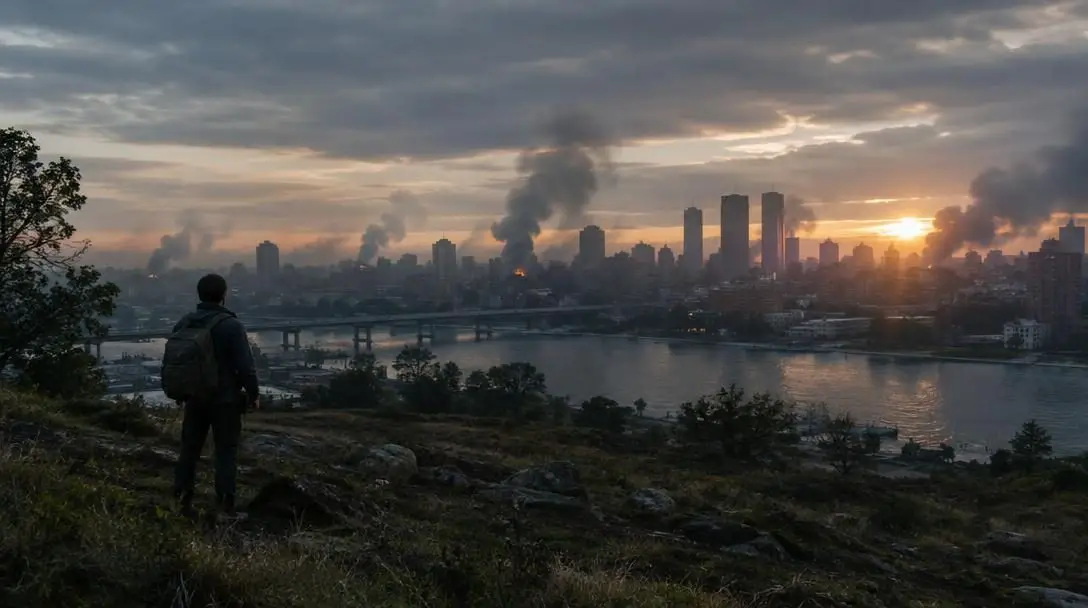
5 Tips For Surviving The Zombie Apocalypse
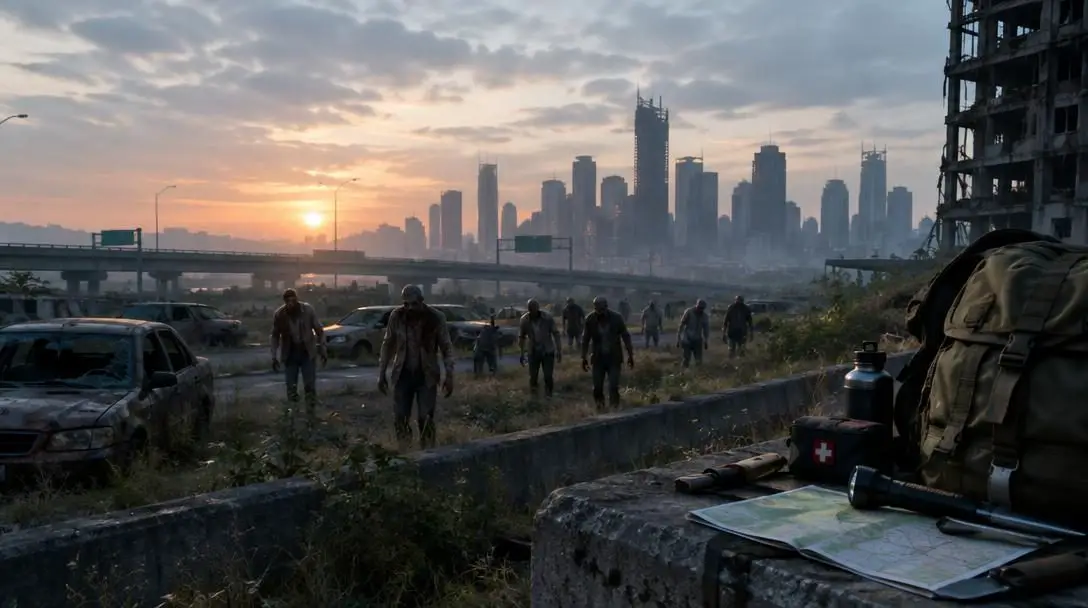
The concept of a zombie apocalypse has captivated public imagination for decades, dominating literature, television, comic books, and film. These fictional narratives explore how quickly human civilization might fracture when faced with an undead outbreak, charting the path from civic breakdown to the harsh realities of survival. While the realistic odds of a zombie virus or reanimated outbreak are remarkably slim, the scenario is not strictly guaranteed to be zero. Exploring these hypothetical catastrophic conditions offers a compelling, practical model for understanding broader disaster preparedness, crisis management, and the resilience of human communities.
Across survival fiction, the trajectory of society remains remarkably consistent: municipal utilities fail, distribution networks collapse, and ordinary survivors are cast into an environment where basic provisions are scarce and lethal threats roam without constraint. Those who withstand such crises rarely do so through luck alone. Enduring requires a calculated operational mindset, an understanding of the behavioral patterns of the threat, dependable community coordination, and disciplined resource management. By examining the established mechanics of survival across storytelling traditions, we can map out a strategic blueprint for managing extreme social upheaval.
Key takeaways
- Survival in an outbreak relies on collective community defense, active sensory management, and aggressive resource accumulation.
- Flesh-eating threats respond instinctively to lights and sounds, making acoustic discipline and diversion tactics fundamental to staying alive.
- Long-term endurance demands cross-training every group member across medical, agricultural, mechanical, and tactical disciplines.
- Relying exclusively on scavenged canned goods guarantees eventual failure unless groups transition to agricultural cultivation and sustainable sanitation.
Understanding the Operational Dynamics of an Outbreak
Enduring an unprecedented crisis begins with understanding the behavioral traits that govern the environment. Within the context of an undead outbreak, operational conditions are shaped by three core factors: human cooperation, sensory management, and resource security. Unlike living adversaries who adapt through higher reasoning, flesh-eating threats operate entirely on basic sensory stimuli. They possess no advanced cognitive capabilities, tracking targets almost exclusively through sound and light.
Because these threats react instinctively to environmental cues, loud disturbances and abrupt visual flashes act as navigational beacons. A single unsuppressed gunshot or an exposed campfire can easily alert wandering threats across a wide perimeter, funneling an entire horde toward your position. Conversely, comprehensive discipline regarding noise and illumination shields small settlements from unwanted attention, allowing survivors to establish secure enclaves without detection.
On the social front, isolation represents one of the deadliest hazards in an unpoliced environment. When public infrastructure evaporates, an individual survivor cannot realistically maintain continuous watch shifts, manage sanitation, forage for food, and mount physical defense simultaneously. A structured community serves as an essential force multiplier. By pooling labor, combining specialized skills, and sharing security duties, an organized enclave builds the systemic resilience necessary to survive shocks that would easily eliminate a solitary individual.
Five Foundational Strategies for Long-Term Survival
Decades of survival scenarios demonstrate that enduring an ongoing catastrophe requires adhering to clear operational guidelines. The following five foundational tips outline the essential behaviors and strategic priorities needed to endure an undead outbreak.
| Survival Strategy | Primary Objective | Primary Risk Addressed | Core Focus Area |
|---|---|---|---|
| Stick Together | Build collective security | Vulnerability of isolation | Labor division and shared vigilance |
| Stock Supplies Aggressively | Establish material self-sufficiency | Resource depletion and starvation | Logistics, shelf-stable goods, and medical stores |
| Arm Yourself Constantly | Maintain immediate defensive readiness | Sudden compound breaches | Layered armaments, silencers, and tactical drills |
| Maintain Strict Silence | Prevent horde attraction | Sensory-driven threat convergence | Acoustic isolation and non-verbal signaling |
| Become a Jack of All Trades | Eliminate single points of failure | Loss of vital specialized personnel | Continuous cross-training across disciplines |
1. Stick Together
Facing a widespread collapse alone drastically reduces your chances of endurance. During the opening phases of an event, the immediate priority is to assess those around you, separate friend from foe, and assemble a dependable, cohesive group. A resilient survivor network requires individuals who contribute diverse backgrounds and steady temperaments.
When tasks are shared, a group can distribute the backbreaking labor of perimeter reinforcement, guard duty, and foraging without running individual members into exhaustion. A well-vetted group not only deters flesh-eating threats through organized defensive lines but also sustains the day-to-day administrative and domestic operations required to keep an enclave functional over months or years.
2. Stock Supplies Aggressively
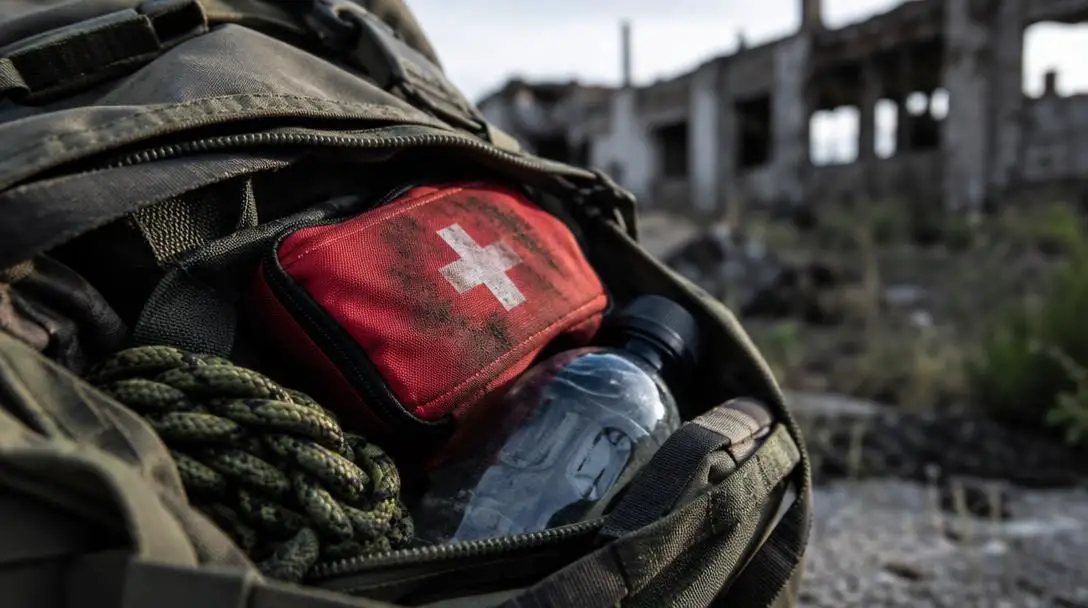
Once your network identifies and fortifies a defensible home base, attention must turn immediately toward resource acquisition. When global supply chains collapse, manufactured goods become finite. Systematic gathering and stockpiling ensure your settlement remains operational during harsh winters, prolonged sieges, or quarantine periods.
Planned foraging missions must focus on securing specific life-support categories:
- Shelf-stable food supplies: Canned goods, dried grains, legumes, and packaged provisions that endure without refrigeration.
- Agricultural seeds: Heirloom and reliable seed stocks needed to establish regenerative food production before canned goods expire.
- Potable water and filtration: Bulk storage containers, gravity filters, chemical purification tablets, and mechanical water testing kits.
- Comprehensive medical stores: Trauma dressings, broad-spectrum pharmaceuticals, antiseptic washes, surgical implements, and personal prescription reserves.
- Protective apparel and hygiene: Weather-resistant outerwear, reinforced footwear, sanitation supplies, soap, and bulk toiletries to stop infectious disease.
- Tools and fabrication hardware: Hand tools, structural lumber, fasteners, fencing, raw metals, and mechanical repair components.
- Weapons and ammunition: Diverse defensive weapons alongside deep, well-maintained reserves of matching ammunition.
3. Arm Yourself Constantly
Defensive readiness cannot be treated as an occasional activity; you and your companions must remain armed at all times. Breaches occur without warning, and relying on a single weapon invites disaster if that item jams, runs out of ammunition, or gets dropped during an encounter.
Survivors should adopt a layered loadout consisting of firearms, fixed-blade cutting implements, and blunt defensive tools. Within the home base itself, establish accessible weapon checkpoints across every interior sector so that personnel caught away from their primary gear are never left defenseless. Equip firearms with silencers wherever possible to suppress the report of defensive fire, and run regular group drills in combat maneuvering, marksmanship, and rapid evacuation.
Relying on a single weapon leaves you exposed the moment an implement breaks, jams, or runs out of ammunition.
4. Maintain Strict Silence
Because reanimated threats are driven by environmental stimuli, sound discipline is an absolute prerequisite for survival outside and inside your compound. Careless noise can turn an isolated straggler into an overwhelming, concentrated swarm within minutes.
Establish sound-isolated interior living quarters for infants, children, and highly vocal or anxious individuals to ensure ambient indoor sounds do not bleed into the surrounding wilderness. When venturing past perimeter gates, eliminate verbal chatter entirely in favor of quiet hand signals or alternative non-verbal communication methods. Furthermore, understanding the creatures' sensitivity to noise allows you to use acoustics offensively: tools such as fireworks, remote noisemakers, or flash-bangs can be deployed to redirect roaming herds away from critical supply routes or defensive barriers.
5. Become a Jack of All Trades
Extended apocalyptic crises involve long stretches of downtime punctuated by acute emergencies. These quiet interludes should never be spent idling. Instead, every survivor must dedicate discretionary hours to personal and collective education, deliberately branching out beyond their pre-collapse careers.
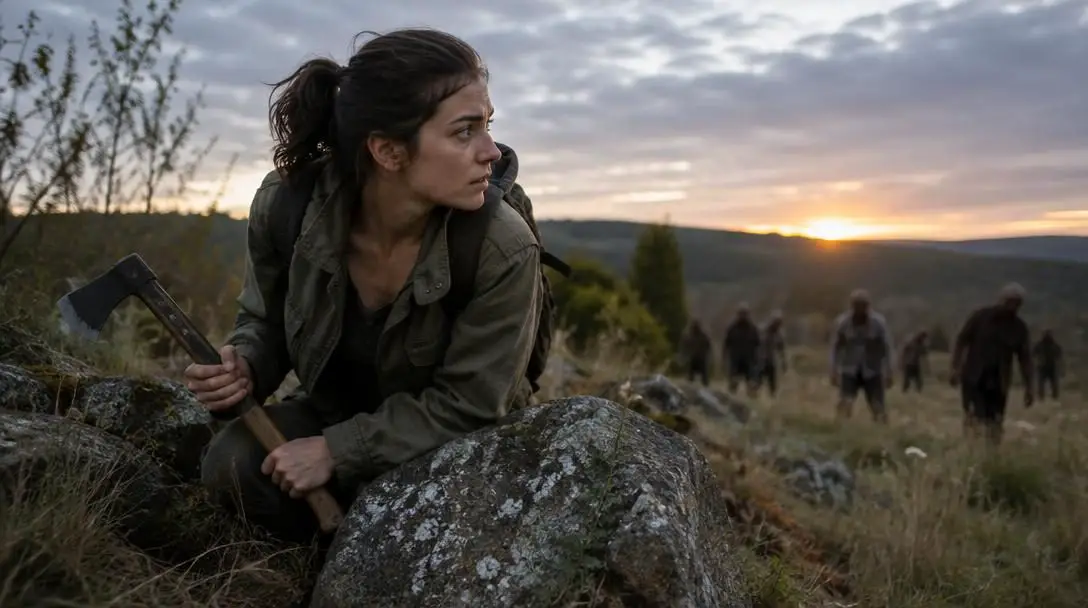
A community that relies on a single mechanic, a single medic, or a single farmer faces catastrophic vulnerability if that key individual falls ill or dies. Survivors must actively cross-train in basic field surgery, pharmacology, crop rotation, mechanical troubleshooting, carpentry, tactical defense, and non-verbal communications. A multi-skilled team adapts effortlessly to sudden resource losses, maintaining stability where a specialized but fragile group would fracture.
Executing the Plan: Systematic Steps for Settlement Defense
Putting theoretical survival guidelines into practice demands an organized, phased process. Establishing a resilient survival enclave requires executing several coordinated operational steps.
- Evaluate and assemble your inner circle: Review your immediate social network to identify trustworthy, level-headed companions while cutting ties with erratic or untrustworthy contacts who present severe security liabilities.
- Secure a defensible physical compound: Select a structure or site featuring elevated observation points, limited ground-level points of entry, and perimeter barriers that can be rapidly reinforced.
- Establish a community division of labor: Assign responsibilities across the group based on aptitude, establishing dedicated rosters for sentry watch, foraging, barrier upkeep, cooking, and sanitation.
- Launch targeted supply expeditions: Coordinate systematic scavenging runs to secure non-perishable food, water purification systems, trauma medication, seeds, and ammunition before retail stockrooms spoil or face looting.
- Install decentralized weapon checkpoints: Distribute defensive stations containing weapons, blades, and ammunition crates throughout the interior of your safe zone for immediate access during perimeter failures.
- Institute structural acoustic protocols: Outfit all operational firearms with silencers, convert group communication to non-verbal cues, and soundproof designated residential spaces housing vulnerable community members.
- Run recurring cross-training clinics: Schedule routine instructional workshops where members trade skills, rehearse evacuation plans, practice close-quarters defense, and master basic field medicine.
Critical Pitfalls and Errors to Avoid
In high-stakes survival scenarios, minor oversights can rapidly cascade into fatal failures. Historical crisis analysis and fictional case studies emphasize several recurring mistakes that survivors must strictly avoid:
- Attempting solitary survival: Isolating yourself out of fear of interpersonal friction creates unsustainable physical fatigue, leaves you without medical aid when injured, and drastically weakens security.
- Discharging unsuppressed firearms: Firing standard, loud weapons during minor skirmishes broadcasts your exact coordinates, drawing nearby wandering hordes straight to your location.
- Admitting unvetted individuals: Integrating new survivors into your compound without confirming their background, moral stability, and health risks triggering internal violence and betrayal.
- Relying exclusively on finite scavenged goods: Depending solely on canned goods without establishing vegetable beds, animal husbandry, or clean water collection leads directly to starvation once regional stores run dry.
- Neglecting emergency escape routes: Heavily barricading an entrance without engineering hidden, unobstructed rear exits creates a death trap if the primary defensive barrier collapses.
- Permitting knowledge monopolies: Allowing only one individual to understand how to operate water purification, medical protocols, or generators guarantees operational paralysis if that specialist is lost.
Beyond Initial Survival: Transitioning to Long-Term Sustainability
Weathering the initial months of an outbreak represents only the opening phase of a multi-year challenge. As time passes, the manufactured resources left behind by modern industrial civilization will steadily degrade. Fuel destabilizes, canned provisions pass safe consumption thresholds, and pharmaceuticals lose potency. Long-term survival requires shifting your community from a scavenging posture to a fully regenerative, self-sustaining model.
Agricultural infrastructure must become the primary operational engine of your compound. Planting high-yield, nutrient-dense crops from saved seeds provides a predictable food supply that eliminates the need to conduct high-risk foraging raids into ruined urban cores. In tandem with food production, your group must engineer gravity-fed water delivery systems, rainwater catchment setups, and bio-secure waste management facilities. Unsanitary camps invite cholera, dysentery, and bacterial infections that can decimate a population far more quickly than undead threats outside the gate.
Finally, long-range coordination must be maintained without relying on modern telecommunication networks or loud megaphones. Survivors should establish optical signaling towers, semaphore systems, or low-frequency radio channels to link dispersed outposts, sentry lookouts, and foraging teams. By fusing disciplined situational awareness with self-sufficient food networks and multi-skilled personnel, a survivor group can transition from fragile emergency survival to a durable, self-contained way of life.
Frequently asked questions
Why is living alone so dangerous during an outbreak?
Solo survival eliminates the labor division needed to handle round-the-clock perimeter security, foraging, cooking, structural maintenance, and sanitation. Additionally, an isolated survivor who suffers an injury or falls ill has no safety net or backup defense.
What are the most important supplies to stockpile first?
Prioritize shelf-stable foods, agricultural seeds, water filtration equipment, trauma and medical kits, weather-appropriate clothing, construction tools, and diverse weapons with matching ammunition reserves.
How can survivors control noise while defending their base?
Survivors should equip all firearms with suppressors, rely on melee weapons for close-quarters threats, use non-verbal signaling systems, soundproof interior residential quarters, and deploy diversionary noisemakers away from the compound.
Why is cross-training essential for long-term survival?
Specialization creates single points of failure. If only one person possesses medical, mechanical, or agricultural knowledge, their sudden loss leaves the entire community unable to treat injuries, repair infrastructure, or grow food.
What should a group do after immediate perimeter threats are contained?
Once immediate security is established, groups must transition away from scavenging by planting crops, building sustainable sanitation and water filtration systems, and establishing reliable communication networks between outposts.
The bottom line
Surviving a widespread zombie outbreak requires far more than brute strength or deep stockpiles of ammunition. It demands psychological adaptability, social cohesion, and the relentless discipline to operate quietly while managing scarce resources. By assembling a capable group, outfitting every member with layered defenses, strictly controlling noise, and continuously acquiring new practical skills, a community can transform a terrifying scenario into an orderly, manageable system of collective defense. While the undead may rule the ruins of modern civilization, prepared survivors who cooperate and plan for the long term will ultimately build the foundation for humanity's revival.