5 Tips For Winning the Lottery

Millions of hopeful players regularly purchase lottery tickets dreaming of sudden financial independence, visualizing life without debt, mortgage balances, or the pressure of everyday living expenses. While casual observers routinely dismiss lottery outcomes as nothing more than improbable, lightning-strike coincidences, a small contingent of repeat jackpot winners suggests that systematic planning can influence long-term results.
Rather than treating every drawing as a chaotic game of blind chance, disciplined participants evaluate game structures, ticket quantities, and distribution patterns. Examining the documented habits of seasoned multi-time winners reveals that approaching the lottery as an organized endeavor—grounded in careful budgeting and deliberate number curation—yields a more coherent path than sporadic ticket purchases.
Key takeaways
- Active participation is the foundational prerequisite for winning, as purchasing a ticket immediately shifts your mathematical odds from zero to a tangible opportunity.
- Exploring less popular drawings significantly improves competitive odds because smaller player pools feature far fewer contenders competing for the available prize money.
- Selecting numbers across diverse numerical groups while avoiding matching end digits—and omitting overused numbers—creates stronger, more balanced ticket combinations.
- Purchasing tickets in volume across multiple retail locations enhances drawing coverage, provided that spending strictly respects personal budget boundaries.
- Continuous study of methods published by established multi-time winners allows players to synthesize proven techniques into a consistent playing routine.
How Lottery Strategies and Game Mechanics Function
To grasp why structured lottery play holds merit, players must first understand the operational framework behind modern drawings. The lottery operates on rigid mathematical rules, yet human behavior within those rules is remarkably predictable. Casual ticket buyers routinely gather around the exact same high-profile national games, rely on identical calendar-based number clusters, and purchase tickets on impulse when headline figures hit historic milestones.
Strategic lottery play counters these common tendencies through deliberate positioning. At its foundation lies the principle of active engagement: an individual who abstains from ticket purchases retains an absolute zero percent probability of claiming a payout. Buying even a single ticket completely alters that baseline condition, instantly opening the possibility of a return. From that baseline, disciplined players examine the distinct mechanics of various games rather than throwing money indiscriminately at every lottery kiosk.
Lottery formats differ substantially across jurisdictions, especially concerning audience size, ball pools, and payout structures. Major multi-state drawings routinely attract tens of millions of entries, generating mathematically microscopic individual odds for any single participant. Conversely, regional drawings with smaller payouts attract substantially fewer players. Because prize pools in localized drawings face far less competition, strategic players frequently find better odds of success by entering games that general crowds overlook.
Cracking the code of lottery play relies on replacing sporadic guessing with an organized routine that balances volume, game selection, and number distribution.
Core Strategies at a Glance
The following table outlines the five foundational recommendations shared by experienced lottery winners, summarizing the core mechanism and operational objective of each approach.
| Strategy | Primary Mechanism | Main Advantage | Execution Focus |
|---|---|---|---|
| Play the Lottery | Active participation | Moves winning probability above zero | Maintain moderate, sustainable ticket purchases |
| Play a Variety of Games | Market diversification | Reduces player competition in smaller pools | Identify overlooked and regional drawings |
| Pick the Right Numbers | Numerical distribution | Minimizes common clusters and omitted digits | Spread across number groups and retain chosen sets |
| Buy a Large Number of Tickets | Volume acquisition | Multiplies distinct combinations per draw | Purchase in bulk across multiple retail vendors |
| Do Your Research | Educational synthesis | Adopts verified strategies from repeat winners | Study books and documented winner methodologies |
The 5 Core Tips for Improving Your Lottery Odds
Turning lottery play into an organized pursuit requires focusing on proven actions that address ticket volume, number balance, and game selection. These five foundational guidelines encapsulate the advice shared by successful players.
Play the Lottery
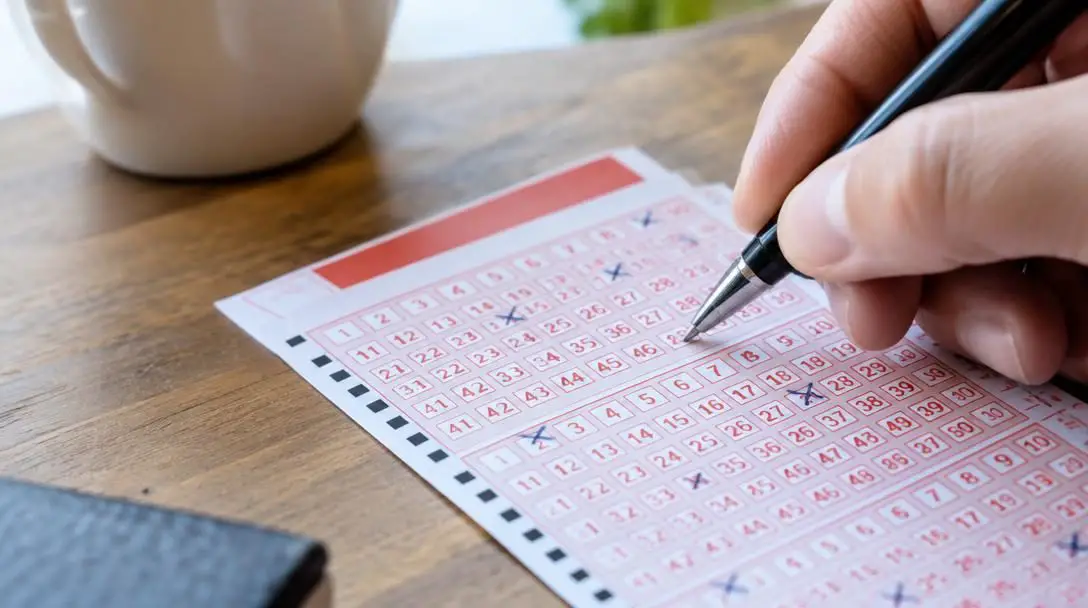
While stating that one must participate in the lottery to win seems self-evident, it represents the most critical hurdle in any strategy. Without purchasing a ticket, securing a prize is entirely impossible. An individual who studies patterns, evaluates odds, and dreams of financial freedom achieves nothing without active participation. Committing to play transforms theoretical interest into active opportunity.
Critically, participating does not require depleting savings or buying tickets recklessly. Acquiring a modest number of tickets provides an immediate, decisive leap over non-participation. For those who worry about developing an expensive habit, practicing restraint by securing tickets on a steady, periodic schedule prevents overspending while ensuring regular presence in upcoming drawings.
Play a Variety of Games
Casual lottery participants almost exclusively purchase tickets for headline-grabbing national games, seduced by massive jackpot announcements broadcast across news media. However, seasoned players diversify their portfolios across different game types. Every state or national lottery agency manages an assortment of drawings, each with its own ticket price, prize structure, and participant volume.
Choosing less popular games provides a strategic edge because fewer competitors participate in those drawings. When a drawing features smaller player turnout, individual participants face substantially reduced competition for top prizes. Venturing beyond standard selections to try newly introduced, localized, or widely neglected games expands opportunity across different prize structures.
Pick the Right Numbers
Selecting number combinations thoughtfully and remaining faithful to them across successive drawings is an essential rule emphasized by repeat winners. Seven-time lottery winner Richard Lustig built his success around a systematic formula: choosing numbers from separate number groups and ensuring that chosen digits do not conclude with the same ending numeral. For instance, rather than picking a series ending exclusively in sevens, Lustig advocated for broad separation across the available pool.
Furthermore, historical tracking reveals that omitting numbers pulled less frequently from winning selections helps streamline your sets. Strategic players deliberately avoid picking numbers such as 29, 30, 31, 10, 48, 40, 39, 41, and 42. Selecting numbers without rigid linear sequences and distributing them randomly across varied numeric tiers improves overall balance. Once a solid assortment is established, winners emphasize maintaining that precise combination across multiple tickets rather than changing numbers on an impulse after every drawing.
Buy a Large Number of Tickets
Probability directly dictates that acquiring a higher quantity of tickets within a single drawing or series of drawings enhances the likelihood of hitting a winning sequence. While purchasing large volumes requires careful financial management, holding multiple tickets provides broader mathematical coverage than relying on a solitary slip. Every additional line represents a distinct path to the prize board.
When executing bulk purchases, winners recommend obtaining tickets from multiple retail locations rather than buying an entire batch at a single counter. Players also benefit from balancing their purchases between personal, handpicked number sets and computer-generated terminal quick picks. In 2022, a Virginian man named Jalen Taylor demonstrated the power of volume purchasing when he secured 264 lottery tickets, ultimately earning $132,000 across a two-month span through structured bulk play within his personal boundaries.
Do Your Research
Relying solely on gut instinct or superstition ignores decades of documented experience compiled by players who have repeatedly beaten lottery odds. Multiple jackpot winners have outlined their specific systems, formulas, and ticket selection habits in published books, instructional guides, and recorded interviews. Consulting this literature provides actionable insights that elevate a player's approach above novice guesswork.
Taking the time to study these resources allows prospective players to understand number group distributions, budget allocation models, and game selection dynamics. Synthesizing the recommendations of respected multi-time winners like Richard Lustig helps players build a cohesive, personalized strategy that combines smart purchasing habits, disciplined bankroll management, and consistent number retention.

Step-by-Step Implementation for Structured Play
Implementing these lottery recommendations effectively demands an orderly sequence of actions. Follow these practical steps to transition from sporadic purchases to an organized lottery routine.
- Establish a firm entertainment budget: Determine an exact monetary limit that you can comfortably allocate toward lottery tickets on a weekly or monthly basis. Ensure this figure leaves everyday personal finances completely untouched.
- Audit the regional gaming catalog: Review every game currently sanctioned in your jurisdiction. Note down jackpot sizes, drawing schedules, and overall player popularity, identifying less congested games with favorable competitive dynamics.
- Construct balanced number combinations: Draft your core sets of numbers by pulling digits across varied number brackets. Ensure no numbers share identical ending digits, and deliberately omit the numbers 29, 30, 31, 10, 48, 40, 39, 41, and 42.
- Map out retail purchasing points: Plan to acquire your tickets across several different licensed vendor locations rather than buying exclusively from one neighborhood store.
- Split your ticket purchase methods: When buying tickets in volume, allocate half of your allotted purchases to your fixed, handpicked combinations and let the lottery terminal randomly generate the remaining half.
- Maintain consistent records and review results: Keep physical receipts or written logs of all ticket purchases, tracking the dates, games, number sets, and returns to assess your long-term engagement.
Common Pitfalls and Costly Mistakes to Avoid
Even well-intentioned players often fall prey to behavioral habits that degrade their strategy or cause avoidable financial strain. Avoiding these common mistakes helps preserve both resources and discipline.
- Overextending your personal budget: Buying tickets in bulk provides statistical advantages, but spending beyond personal limits creates severe financial stress. Sustained play relies on strict adherence to affordable budget boundaries.
- Changing chosen numbers after every draw: Abandoning carefully curated combinations after a single loss is counterproductive. Veteran winners repeatedly stress the value of locking in specific number groups and playing them steadily across successive drawings.
- Chasing only massive headline jackpots: Focusing entirely on national billion-dollar drawings exposes players to massive crowds. Neglecting smaller, regional alternatives forfeits the chance to play in lower-competition environments.
- Selecting numbers with matching terminal digits: Clumping digits that end with identical numerals (such as 7, 17, 27, and 37) restricts broad board distribution. Richard Lustig specifically recommended selecting numbers from separate numeric categories.
- Relying on commonly omitted numbers: Continually selecting numbers like 29, 30, 31, 10, 48, 40, 39, 41, and 42 disregards historical frequency advice from multi-time jackpot recipients.
- Ignoring expert winner literature: Treating ticket purchases as pure impulse without consulting published guides, winner interviews, and verified methodologies leaves players reliant on uninformed chance.
Tracking Performance and Managing Sustainable Play
Sustaining a long-term lottery strategy requires an ongoing commitment to balance and organization. Because lottery draws occur on rigid weekly schedules, treating ticket purchases as an organized hobby rather than an obsessive pursuit prevents emotional burnout and financial exhaustion.
One proven method for sustaining discipline is maintaining a dedicated lottery logbook. Recording which games you enter, the specific combinations you deploy, the retail locations visited, and the prizes collected allows you to evaluate your spending accurately. When Jalen Taylor successfully pursued his winning run in Virginia in 2022—earning $132,000 from 264 tickets—his structured, deliberate approach highlighted the value of managing ticket volume across an extended, two-month timeframe.
Finally, players must continually refine their understanding of the games they play. State agencies periodically update game formats, adjust prize tiers, and introduce brand-new drawings that offer lower competition. By staying informed, reading published advice from multi-time champions, and adhering strictly to personal spending guidelines, players can enjoy the pursuit of the lottery with structure and control.
Frequently asked questions
Can buying more lottery tickets truly increase my chances of winning?
Yes. Purchasing a larger quantity of tickets increases the number of unique combinations you hold in a drawing, thereby expanding your mathematical coverage. However, players must always purchase tickets within their personal budgets to ensure play remains responsible and sustainable.
Why should I avoid choosing numbers that end in the same digit?
According to seven-time lottery winner Richard Lustig, spreading your choices across separate number groups rather than grouping numbers with matching ending digits provides better overall numeric distribution across the entire board.
Which specific numbers do experienced winners suggest omitting?
Strategic lottery advice recommends omitting numbers that are pulled less commonly from winning tickets, specifically advising players to avoid selecting 29, 30, 31, 10, 48, 40, 39, 41, and 42 when drafting their combinations.
Why is playing less popular lottery games considered an advantage?
Lesser-known and regional drawings attract significantly smaller player pools than massive multi-state games. With fewer participants entering tickets, players face substantially reduced competition for the available prize money.
Should I use computer quick picks or choose my own numbers?
Experienced players recommend using a balanced approach. You should select and consistently reuse your own structured number sets across multiple draws, while also supplementing your purchases with randomly generated terminal tickets acquired across multiple vendor locations.
The bottom line
Winning the lottery remains an elusive aspiration, but adopting an organized methodology elevates your play far beyond random guessing. By maintaining active participation, diversifying into less crowded games, carefully structuring balanced number combinations without repeating ending digits, and managing ticket volume across multiple retail vendors, you align your habits with the techniques of proven winners.
Ultimately, long-term enjoyment of the lottery hinges on absolute financial discipline. Treating ticket buying as a planned hobby—anchored by established spending limits, regular record keeping, and continued study of winner strategies—ensures that every drawing you enter is approached with purpose, clarity, and sustainable control.