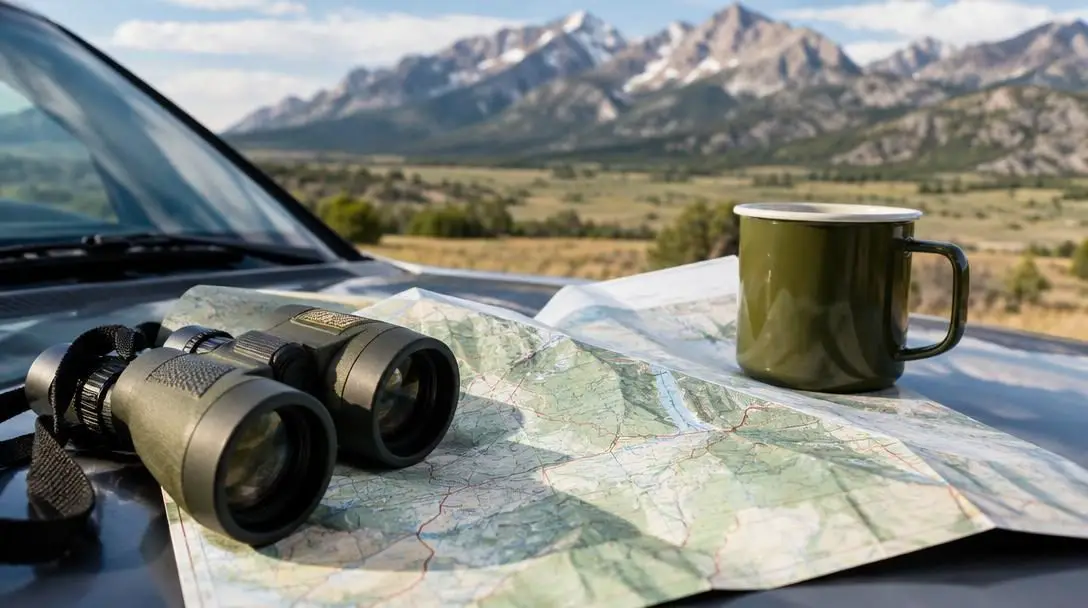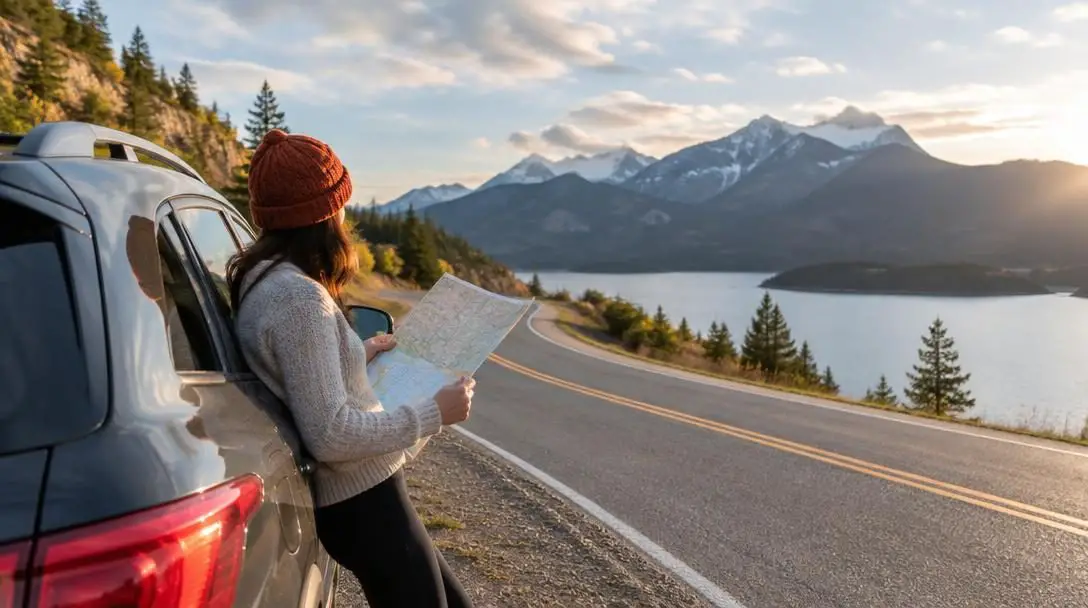
5 Tips for Your American Road Trip
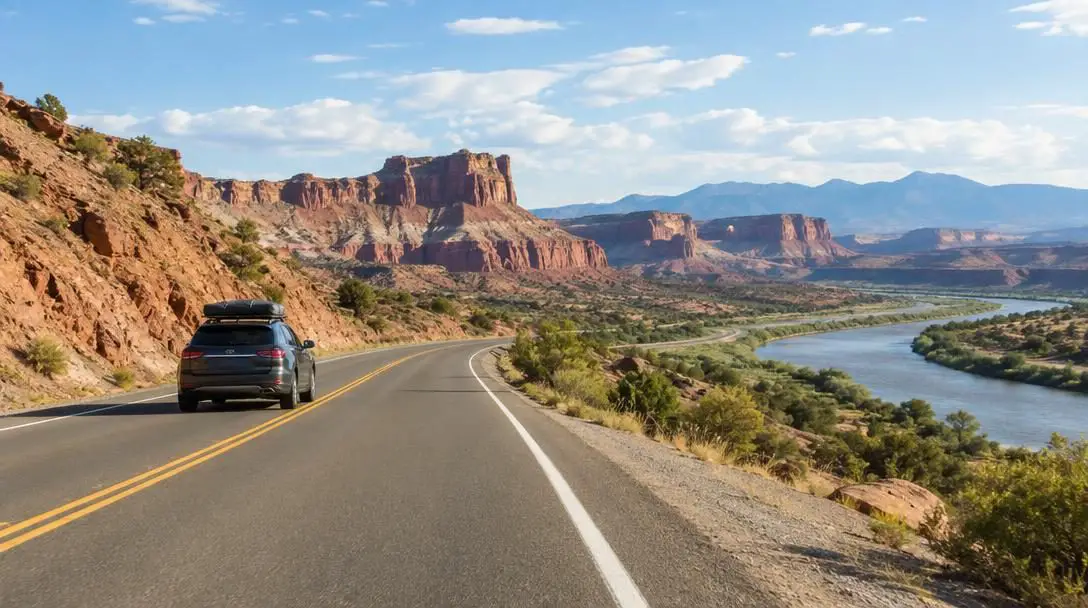
Taking to the open highway across the United States offers an intimate perspective on one of the world's most geographically diverse nations. Driving permits travelers to witness subtle environmental shifts that air passengers miss entirely, from the rolling greenery of farmland and flat interior plains to jagged alpine ranges and sun-bleached desert basins. Along the way, the journey connects global cultural hubs like Beverly Hills and New York City with the quiet, welcoming rhythms of small Midwestern towns. Beyond famous skylines and rural communities, the country protects more than 420 national parks alongside thousands of state parks, coastal shores, and arid wilderness zones. However, the sheer physical magnitude of the country presents distinct logistical challenges. Crafting an enjoyable, safe cross-country expedition requires a clear understanding of regional distances, volatile weather systems, and the practical demands of prolonged vehicle travel. <div class="takeaways"> <h2>Key takeaways</h2> <ul> <li>Spanning 3,000 miles from coast to coast and 1,600 miles from north to south, the contiguous United States requires realistic driving schedules that factor in regional traffic and vast remote stretches.</li> <li>Lodging inside premier national parks like Yellowstone often requires booking up to a year ahead, while access passes for parks like Yosemite and Glacier must be secured well in advance.</li> <li>Deserts and rural expanses frequently lack gas stations and dining options, making proactive refueling and carrying backup supplies an essential safety protocol.</li> <li>Regional weather patterns can swing from blizzards in Montana to desert heat waves in California or severe storms in Texas within the exact same week.</li> <li>Establishing a dedicated check-in schedule with contacts back home ensures that authorities have a defined search area if your vehicle breaks down in areas without cellular coverage.</li> </ul> </div> <h2>Understanding America's Geographic Scale and Driving Realities</h2> <p>The primary hurdle facing road travelers in the United States is the immense scale of the continent. The distance across the contiguous 48 states measures approximately <strong>3,000 miles from the Atlantic to the Pacific</strong>, while the span from the northern border to the southern boundary covers roughly 1,600 miles. Because standard overview maps compress these massive spaces, travelers frequently misjudge the driving hours necessary to move between signature landmarks. Crossing multiple states is rarely a casual day trip; it often demands consecutive days of focused, steady navigation behind the wheel.</p> <p>Compounding this spatial challenge is the extreme divergence in local driving conditions. Navigating 15 miles across the congested freeways and surface streets of Los Angeles can easily consume well over an hour of stop-and-go frustration. Conversely, driving 15 miles across an empty desert basin might take only a dozen minutes, yet that desolate route may lack emergency services, water, or mechanical support for dozens of miles in either direction. Understanding the operational differences between these travel environments is vital for building a realistic driving schedule.</p> <table> <thead> <tr> <th>Driving Environment</th> <th>Typical Transit Conditions</th> <th>Primary Roadway Hazards</th> <th>Service Availability</th> </tr> </thead> <tbody> <tr> <td>Major Metropolitan Corridors (e.g., Los Angeles)</td> <td>Dense commuter traffic, severe bottlenecks, frequent lane shifts</td> <td>Sudden slowdowns, urban gridlock, distracted drivers</td> <td>Abundant fuel, mechanical repair, and food options every mile</td> </tr> <tr> <td>Arid Desert Basins</td> <td>High-speed open highways, minimal traffic density, straight roads</td> <td>Extreme ambient heat, vehicle overheating, driver fatigue</td> <td>Sparse outposts; gaps of 50 to 100 miles between stations</td> </tr> <tr> <td>Rural Plains & Mountain Passes</td> <td>Two-lane secondary roads, steep grades, variable surfaces</td> <td>Sudden weather swings, wildlife crossings, blind summits</td> <td>Limited services clustered in small, widely spaced settlements</td> </tr> </tbody> </table> <aside class="callout note"> <strong>Good to know:</strong> Mapping software calculates transit times under ideal conditions, but rural construction zones, mountain passes, and urban congestion consistently add hours to long-distance itineraries. </aside> <h2>Five Essential Strategies for an American Highway Journey</h2> <p>Approaching an extended road trip with the right travel habits transforms an overwhelming journey into an enriching exploration. Incorporating these five proven principles into your planning ensures your party stays comfortable, safe, and on schedule.</p> <h3>1. Make Reservations in Advance for Popular Sites</h3> <p>High visitor interest across premier public lands and major family destinations means that showing up without a confirmed reservation often leads to disappointment. Lodging facilities and established campgrounds inside marquee destinations operate at capacity throughout their peak operational seasons. For example, reserving a hotel room or a designated campsite inside <strong>Yellowstone National Park</strong> frequently requires securing a spot up to a full year before your arrival date. Once booking windows open, prime accommodations disappear rapidly.</p> <p>High demand extends beyond national parks to world-famous commercial attractions. Securing entry passes for peak dates at major theme parks such as Disney World demands advance planning months ahead of time. Furthermore, natural reserves have implemented timed-entry reservation systems to mitigate environmental degradation and dangerous vehicle overcrowding. Iconic destinations including <strong>Yosemite National Park and Glacier National Park</strong> regularly require advance day-use vehicle reservations during high-traffic months. Because park authorities revise access regulations and seasonal entry quotas periodically, travelers must consult official park management websites while building their daily schedules.</p> <aside class="callout tip"> <strong>Tip:</strong> Always check official government park websites before leaving home, as seasonal weather events or management adjustments can alter entry reservation rules without long lead times. </aside> <h3>2. Never Let Your Fuel Gauge Run Low</h3> <p>Venturing away from major interstate arteries into the vast rural interior reveals just how isolated American roadways can be. In these remote territories, service plazas do not appear every few miles. You can easily drive through barren terrain for hours without encountering an operating service station, convenience market, or restaurant. Letting your vehicle's fuel gauge drop toward empty under the assumption that a pump will appear over the next rise is an exceptionally hazardous gamble.</p> <p>Running out of fuel in an isolated corridor carries severe consequences. Exposure to <strong>scorching desert temperatures</strong> or freezing alpine drafts can quickly turn a mechanical stoppage into a life-threatening emergency, particularly when tow services take hours to arrive. Establish an unyielding habit of replenishing your fuel tank whenever it drops toward a quarter of a tank. Whenever you stop for gas, take full advantage of the facility by utilizing the restrooms and replenishing your onboard stash of water and snacks to safeguard against unexpected delays.</p> <aside class="callout warn"> <strong>Watch out:</strong> Never pass an open fuel station in remote desert or mountain sectors when your tank is below half, as the next outpost may be closed or out of service. </aside> <h3>3. Resist the Urge to Be Overly Ambitious</h3> <p>The temptation to pack as many famous cities, natural wonders, and historic sites into a two-week window is understandable, but overpacking an itinerary remains the quickest way to ruin a road trip. When a schedule demands eight to ten hours of continuous driving every single day, travelers accumulate severe mental and physical exhaustion. A trip designed as a restorative holiday quickly degenerates into an exhausting endurance test, leaving little time to absorb the unique character of the regions you traverse.</p> <p>A sensible itinerary deliberately leaves breathing room to account for urban delays like Los Angeles traffic while reserving time for unexpected discoveries along the highway. Some of the most memorable moments on an American road trip occur when stopping at <strong>quirky roadside attractions</strong>, historic trading posts, independent diners, or oversized folk-art sculptures scattered along secondary highways. Maintaining a modest daily mileage target provides the flexibility to pull over, stretch your legs, and engage with the unexpected treasures that define rural America.</p> <blockquote class="pull"> Building unscheduled time into your daily driving route transforms an exhausting cross-country marathon into an authentic exploration of regional America. </blockquote> <h3>4. Prepare Thoroughly for Abrupt Weather Extremes</h3> <p>The vast landmass of the United States spans multiple distinct climatic ecosystems simultaneously. Moving across regional boundaries can expose travelers to radical environmental shifts within a shockingly compressed timeframe. A driver embarking on a cross-country tour during the month of March, for instance, could easily encounter an immobilizing alpine blizzard in Montana, sweltering summer-grade heat in California, and violent, tornado-producing thunderstorms in Texas.</p> <p>Safe transit requires carrying versatile attire and reliable emergency gear suited for every potential condition. Dressing in adaptable layers allows you to adjust quickly when moving between air-conditioned vehicles, chilled mountain summits, and sun-drenched plains. Before starting your vehicle each morning, conduct a thorough check of local meteorological forecasts and regional radar along your intended path. Staying alert to incoming cold fronts, convective storm cells, or flash flood watches gives you the necessary lead time to alter your heading, delay departure, or seek secure indoor shelter.</p> <h3>5. Share Your Detailed Route and Check-In Schedule</h3> <p>Unforeseen mishaps can occur even to the most diligent drivers operating modern, well-maintained rental cars. Vehicles can suffer sudden mechanical failures, tire blowouts, or minor collisions along isolated corridors that completely lack cellular reception. When an accident occurs dozens of miles away from towns, you cannot rely on a smartphone to summon immediate roadside help.</p> <p>Protect against this vulnerability by sharing your full route, vehicle make and model, license plate number, and nightly lodging confirmations with a trusted family member or friend. Establish regular, predictable check-in milestones, such as a morning text before departure and an evening call upon arrival at your hotel or campsite. If an emergency leaves you incapacitated or stranded without cellular coverage, your designated contact will recognize your absence and furnish law enforcement authorities with your exact itinerary, narrowing down the search perimeter for first responders.</p> <h2>Step-by-Step Blueprint for Structuring Your Itinerary</h2> <p>Transforming an ambitious cross-country concept into a practical, stress-free route requires systematic organization. Working through these specific steps ensures your travel logistics remain manageable throughout the trip.</p> <ol class="steps"> <li>Determine the route geometry by choosing between an east-west linear transit across the continent or a focused regional loop targeting specific geographic sectors like the Southwest or the Pacific Northwest.</li> <li>Lock in hard-to-get accommodations by purchasing permits and reserving hotel or campsite spaces inside high-demand destinations like Yellowstone up to a year ahead of time.</li> <li>Establish daily driving ceilings by limiting target driving times to five or six hours per day, factoring in lower speed limits across mountainous terrain and severe delays around urban centers.</li> <li>Gather critical road safety supplies including physical highway maps, offline digital navigation files, high-calorie emergency rations, extra drinking water, jumper cables, and multi-season outerwear.</li> <li>Formalize a communication agreement by delivering your day-by-day lodging directory to an emergency contact, establishing clear protocols for daily status updates.</li> </ol> <h2>Critical Road Trip Mistakes to Avoid</h2> <p>Long-distance highway travel presents specific pitfalls that can derail an otherwise meticulously planned vacation. Avoiding these common mistakes will keep your cross-country journey smooth and enjoyable:</p> <ul> <li>Relying exclusively on live smartphone maps without downloading offline map data, which leaves you without navigation directions when driving through deep canyons or remote desert stretches.</li> <li>Pushing past half-empty fuel tanks in rural areas under the assumption that convenient roadside services are situated immediately ahead.</li> <li>Creating an overpacked itinerary that leaves zero margin for construction delays, urban gridlock, or spontaneous stops at regional landmarks.</li> <li>Arriving at premier national park entrance gates without confirming current vehicle reservation mandates and seasonal pass requirements.</li> <li>Traveling through varied topographical elevations without cold-weather apparel, durable footwear, and adequate vehicle fluids.</li> </ul> <h2>Vehicle Preparation and Secondary Highway Routes</h2> <p>Selecting the right vehicle and route alignment represents the final operational step in your trip planning. When reserving a rental car, verify that the platform fits the topography you plan to encounter. Compact passenger cars offer great fuel economy for interstate driving, but vehicles navigating gravel roads or steep mountain passes may benefit from higher ground clearance and all-wheel-drive capabilities. Always review your rental provider's policy on roadside assistance and cross-border or inter-state driving before driving away from the airport lot.</p> <p>Finally, do not hesitate to direct your vehicle off the multilane interstate system onto historical two-lane highways. While interstates offer efficient, high-speed transit across state lines, they deliberately bypass the cultural fabric of the nation. Taking parallel state routes or historical roads allows you to experience iconic trading posts, sample local cuisine at classic roadside diners, and appreciate the architectural character of Midwestern hamlets. Balancing efficient highway transit with scenic secondary detours delivers the classic, authentic American road trip experience.</p> <section class="faq"> <h2>Frequently asked questions</h2> <details> <summary>How far in advance should I reserve campsites in major national parks?</summary> <p>For premier destinations like Yellowstone National Park, reserving campsites or lodging up to a year in advance is often necessary, as accommodations fill immediately upon opening.</p> </details> <details> <summary>Do all national parks allow visitors to drive in without a reservation?</summary> <p>No, several popular parks, such as Yosemite and Glacier National Parks, require visitors to secure advanced vehicle reservations during high-traffic seasons to control crowd density.</p> </details> <details> <summary>How many miles is a drive across the contiguous United States?</summary> <p>The distance between the east coast and west coast of the contiguous 48 states is roughly 3,000 miles, while traveling from the northern border to the southern border spans about 1,600 miles.</p> </details> <details> <summary>Why is it risky to let fuel levels drop low on American highways?</summary> <p>In rural and desert expanses, gas stations can be spaced dozens of miles apart or closed entirely, leaving stranded motorists vulnerable to extreme heat or cold without cellular reception.</p> </details> <details> <summary>What sudden weather changes should road trippers anticipate?</summary> <p>Because the nation covers diverse climate zones, travelers in transitional months like March can encounter blizzards in Montana, desert heat waves in California, and tornadoes in Texas all during the same week.</p> </details> </section> <h2>The bottom line</h2> <p>Navigating the United States by car remains an iconic adventure that reveals the astonishing physical variety and distinct regional cultures of North America. Success on the highway hinges on respecting the country's tremendous distances, booking capacity-controlled attractions early, preparing for abrupt weather swings, and staying ahead of your vehicle's fuel needs. By balancing structured logistics with the flexibility to discover unexpected roadside oddities, you can safely experience an unforgettable American journey.</p>