
5 Tips To Get Bargains Using Classified Ads
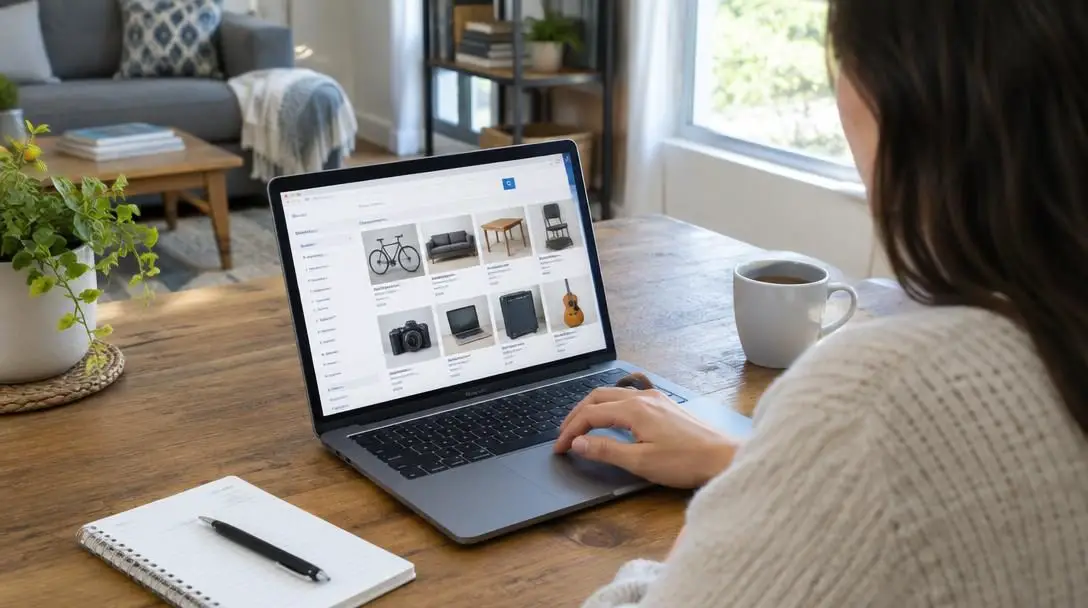
Conventional retail shopping provides predictability, clear return policies, and fixed shelf prices, but it rarely delivers the deepest possible discounts. Whether shopping in big-box stores or through online storefronts, consumers pay extra for corporate overhead, inventory storage, and customer support infrastructure. By contrast, modern digital classifieds facilitate peer-to-peer commerce, connecting individual buyers directly with local sellers who often care more about freeing up closet space or clearing out a garage than maximizing their profit margins.
Because peer-to-peer transactions bypass commercial intermediaries, they offer an unmatched avenue for finding deeply discounted pre-owned and gently used items. However, classified marketplaces operate without corporate safety nets: customer service desks do not exist, and private sales are almost universally final. Capitalizing on these platforms requires a methodical approach that blends market research, multi-platform searching, diplomatic negotiation, and careful on-site inspection.
Key takeaways
- Private classified listings offer significant savings because individual sellers frequently prioritize decluttering over turning a steep profit.
- Polite negotiation works well on older listings, whereas opening with an aggressively low offer can alienate the seller.
- Checking retail prices before making an offer prevents you from accepting the risks of an as-is sale for an insignificant discount.
- Broad keyword searches across the entire platform uncover miscategorized items that other prospective buyers miss.
- Dedicated free sections feature valuable goods like appliances and gaming gear, but claiming them requires rapid communication and immediate pickup.
Core Strategies for Securing Classified Deals
Securing genuine bargains on classified platforms is a skill that relies on understanding seller motivations and utilizing digital search tools effectively. Rather than passively waiting for bargains to appear, experienced buyers use five practical strategies to surface the best deals and negotiate favorable prices.
Haggle on the Asking Price
Unlike major retailers such as Walmart or Best Buy, where store clerks cannot alter the price tag on an item, peer-to-peer marketplaces are built on flexible pricing. Haggling is almost always an option when interacting with independent sellers. While some advertisements specify that an asking price is firm, many sellers expect some degree of negotiation and intentionally leave room to adjust.
A seller's willingness to lower the price increases significantly when an item has lingered on the platform for several weeks without receiving serious inquiries. Over time, the motivation to recover original retail costs gives way to the simple desire to clear clutter. When presenting an offer, etiquette is critical. Submitting an insultingly low bid immediately can offend the seller and terminate the discussion. Instead, initiate a friendly conversation, demonstrate genuine interest, and politely ask whether they are open to negotiating with a prompt, dependable buyer.
Do Not Stick to a Single Website
A common pitfall for deal seekers is platform loyalty. Limiting searches to one marketplace creates an incomplete picture of regional inventory and pricing trends. While Craigslist remains one of the most widely recognized destinations for local advertisements, confining your browsing to it alone means overlooking substantial pools of local sellers.
Alternative platforms such as OfferUp, LetGo, and Facebook Marketplace host robust classified communities with distinct user bases and features. For instance, Facebook Marketplace links advertisements directly to personal user profiles. By eliminating anonymity, this social integration provides added peace of mind, allowing buyers to see who they are communicating with before coordinating a physical meeting. Broadening your search across several applications ensures you never miss a prime deal posted elsewhere.

Because classified transactions are conducted between private individuals without return desks, scoring true bargains demands diligent price verification and swift negotiation.
Search in All Categories
Digital marketplaces organize items into meticulous catalogs of departments and subcategories. While structured categories help organize browsing, they often obscure incredible values from buyers who adhere strictly to catalog hierarchies. Sellers frequently miscategorize goods due to haste, technical confusion, or indifference.
To locate hidden bargains that bypass standard category filters, utilize the overarching "for sale" directory or the primary search bar. Using keyboard shortcuts like CTRL+F across broad result pages can uncover specific items tucked away in obscure corners of the platform. For example, a buyer searching for a retro video game might discover that the listing was placed in a general household liquidation or estate sale rather than the dedicated video game subcategory. Searching universally lets you connect with sellers before their listings receive mainstream attention.
Check Retail Prices and Research Market Value
An asking price displayed in a classified advertisement may look appealing in isolation, but without baseline research, you risk paying near-retail rates for used goods. Before reaching out to make an offer, visit mainstream commercial retailer websites to verify the current selling price of the brand-new model.
Purchasing goods through private sales carries unavoidable risks because there are no manufacturer warranties, replacement guarantees, or return windows. If a pre-owned item on a classified ad is listed only 5 percent below the manufacturer's suggested retail price (MSRP), buying it makes little financial sense. A modest saving does not offset the potential loss of purchasing a malfunctioning or defective product as-is. To make a classified purchase worthwhile, aim for a massive discount compared to the retail store price. Furthermore, focus your searches locally to avoid excessive fuel costs and lengthy travel times that quietly erode your overall savings.
Regularly Browse the "Free" Section
Almost every prominent digital classified venue features a dedicated section where users post items at zero financial cost. These listings are typically generated by individuals undergoing major relocations, remodeling homes, or completing comprehensive seasonal cleanouts. In these situations, the owner prioritizes clearing square footage immediately over financial gain.
Because free listings operate on a strict first-come, first-served basis, frequent monitoring is essential. Valuable and fully operational items—such as functional lawnmowers, furniture, and classic video game consoles—routinely appear in these sections. The users who successfully claim these zero-dollar opportunities are those who check listings several times throughout the day, communicate instantly, and arrive for pickup without delay.

Comparing Major Classified Marketplaces
Selecting the right digital platform depends on the types of items you seek and your preferences regarding user verification. The table below outlines how common digital platforms compare in their operations and feature sets.
| Platform | Seller Identity Model | Primary Listing Advantage | Key Search Consideration |
|---|---|---|---|
| Craigslist | Anonymous / Email relay | Deep archive of varied local goods | Requires broad keyword and CTRL+F search |
| Facebook Marketplace | Tied to personal profile | High identity visibility and trust | Algorithm-heavy; check search parameters often |
| OfferUp | In-app profile and ratings | Mobile-first local browsing | Combines local pickups with shipping options |
| LetGo | Mobile user account | Fast visual listing creation | Often features rapid neighborhood cleanouts |
Step-by-Step Guide to Purchasing on Classifieds
Transforming general bargain-hunting tips into an effective routine requires discipline and consistency. Following a structured series of steps ensures you find genuine deals, negotiate fairly, and protect yourself against scams or defective purchases.
- Establish clear search parameters: Identify the specific product models, revisions, or acceptable condition grades you need before browsing to prevent impulse purchases.
- Verify the retail baseline: Look up the product on primary retailer websites to identify current retail pricing and ensure you demand an adequate discount for taking on private-sale risk.
- Cast a wide digital net: Enter exact model numbers and product keywords into the main search bars of multiple platforms, including Craigslist, Facebook Marketplace, and OfferUp.
- Assess the advertisement and seller profile: Scrutinize all provided photographs for hidden defects, read descriptions thoroughly, and check user profiles or ratings where available.
- Send a polite initial message: Inquire about the item's availability and cordially ask if the seller is open to price negotiation, keeping your counteroffer reasonable.
- Coordinate a secure, local meeting: Arrange to meet in a convenient, well-lit public space, keeping the travel distance short so fuel expenses do not negate your savings.
- Inspect and test before paying: Examine the item in person, testing all switches, power inputs, or moving parts before handing over payment, as all sales are final.
Mistakes That Drain Your Savings
Even motivated shoppers can make errors that compromise the savings they hope to achieve. Avoiding these common traps keeps your peer-to-peer shopping safe and economical.
- Assuming used means discounted: Many private sellers base their prices on sentimental attachment or what they paid years ago. Always cross-check current retail store pricing before negotiating.
- Submitting offensive lowball offers: Bidding far below market value right away often prompts sellers to ignore your messages entirely, shutting down any chance of reaching a compromise.
- Underestimating travel costs: Driving across multiple counties to save a modest amount on an item can easily cost you more in fuel and travel time than buying it locally.
- Restricting queries to narrow subcategories: Relying solely on platform category trees blinds you to mislabeled goods listed under broad or incorrect classifications.
- Waiting to respond to free listings: Items in the free section disappear rapidly; waiting even an hour to inquire often means losing out to an earlier responder.
- Overlooking the finality of private sales: Purchasing an item priced near retail without a warranty leaves you completely unprotected if the product breaks the following week.
Advanced Tactics: Automated Alerts and Inspection Kits
Once you are comfortable searching multiple platforms and negotiating prices, you can implement advanced tactics to gain an edge over other buyers. Setting up automated notifications through classified apps allows you to receive instant alerts the moment a target item is posted. This ensures you can contact motivated sellers or claim zero-dollar listings before the general public notices them.
Additionally, preparing a mobile testing kit makes on-site evaluations fast and foolproof. Carrying common household batteries, a portable power bank, a small screwdriver, and a flashlight allows you to test power connections, check battery compartments for corrosion, and verify that moving components operate smoothly before concluding the transaction.
Frequently asked questions
How much lower than the asking price should I offer when haggling?
A reasonable starting offer generally ranges between 10 and 20 percent below the listed asking price, depending on how long the item has been listed. Offering an excessively low price right away can offend the seller and end the conversation.
Why is it risky to buy items on classifieds that are only slightly below retail?
Classified transactions are private, as-is sales that do not include warranties, guarantees, or return policies. A small discount, such as 5 percent below retail, is not large enough to justify the financial risk of receiving a broken product.
How do broad searches help find miscategorized items?
Many sellers post items quickly or lack technical expertise, causing them to choose the wrong subcategory. Searching from the main homepage search bar or using CTRL+F across broad categories reveals listings that other buyers miss.
What makes Facebook Marketplace different from traditional platforms like Craigslist?
Facebook Marketplace connects listings directly to personal user profiles, reducing seller anonymity. This added transparency helps buyers verify who they are communicating with before meeting in person.
What items are most commonly found in the free section?
Free sections frequently feature items from home moves or decluttering projects, such as functional lawnmowers, home furniture, building materials, and classic video game consoles.
The bottom line
Shopping through digital classified advertisements is one of the most effective ways to acquire household goods, tools, and entertainment products at a fraction of their retail cost. By branching out across multiple platforms, searching broad categories, verifying market values, and haggling with tact, you can consistently secure meaningful bargains. Approaching every transaction with patience, verified information, and a structured inspection process ensures your classified purchases deliver lasting value without unnecessary risk.





