5 Tips To Sell Your House

Selling a home is widely recognized as one of the most stressful experiences a property owner can face. The emotional weight of saying goodbye to a familiar living space is frequently compounded by the logistical challenge of coordinating two monumental transactions simultaneously: relinquishing your current residence while organizing the purchase and move into your next one. Juggling overlapping moving dates, navigating twin financial commitments, and tracking shifting market variables can rapidly overwhelm even the most organized homeowner.
The contemporary housing market has shifted considerably compared to previous generations. In the past, sellers typically listed a home and fielded a modest selection of standard offers backed by traditional bank financing. Today, sellers often navigate a fast-moving landscape filled with intense competition, where multiple bids arrive from everyday families, retirees offering cash upfront, and corporate investment entities building commercial residential portfolios. Navigating this environment demands a methodical, deliberate strategy from initial maintenance through closing.
Key takeaways
- Target your pre-listing renovation budget toward underlying structural fixes, bathrooms, kitchens, and outdoor living areas while avoiding purely cosmetic overhauls.
- Partnering with an experienced real estate agent provides critical negotiation leverage, broad market exposure, and expert management of complex legal documentation.
- A home's exterior functions as the visual handshake of a showing, making pristine curb appeal and exterior pressure washing vital for drawing buyers inside.
- Decluttering living spaces down to essential furniture and thoroughly sanitizing every surface helps prospective buyers envision themselves in the space.
- Evaluating incoming purchase offers requires analyzing contingency terms, buyer types, and financing reliability rather than automatically accepting the highest headline number.
Understanding the Mechanics of a Modern Property Sale
To navigate a property sale effectively, homeowners must understand how a personal residence transitions into a competitive asset on the open market. This process unfolds across three essential phases: physical property preparation, targeted marketing and visual representation, and transaction management.
During the property preparation phase, sellers must resist the temptation to overhaul every room with trendy upgrades. Real estate valuation does not operate on a direct dollar-for-dollar return for every decorative adjustment. Introducing brand-new interior doors or high-end appliances often wastes financial resources, as incoming owners routinely prefer to install fixtures that align with their distinct tastes. Real value is established by resolving hidden functional defects and enhancing foundational areas like plumbing, outdoor gathering zones, and primary utility spaces.
The marketing and visual presentation phase determines how the home is framed to prospective buyers before they ever schedule a tour. Because most buyer journeys commence online through photo galleries, a house must look immaculate on camera. Clutter, crowded furniture arrangements, and neglected siding can dissuade buyers from attending an open house. Treating exterior landscaping as an inviting introductory handshake ensures that drive-by interest translates directly into foot traffic.
Finally, transaction management governs the legal and monetary conclusion of the sale. Once a property attracts offers, sellers must weigh the risks and benefits of various buyer profiles. Balancing traditional mortgage contingencies, rapid cash transactions, and institutional buyers requires steady oversight and comprehensive contract execution.
Five Strategic Pillars for a Successful Home Sale
Securing the best possible financial outcome while minimizing personal stress requires adhering to five foundational principles. The table below outlines how each strategic focus area contributes to listing success.
| Strategic Pillar | Primary Focus Area | Costly Mistake to Avoid | Intended Outcome |
|---|---|---|---|
| Smart Renovations | Bathrooms, kitchens, outdoor decks, and underlying repairs | Over-improving bedrooms, interior doors, and living areas | Prevents repair demands during buyer home inspections |
| Agent Representation | Local market exposure, bidding wars, and legal documentation | Selling entirely unrepresented to save on commission fees | Maximizes final sales value while eliminating paperwork errors |
| Curb Appeal | Lawn edging, power washing siding, and professional landscaping | Neglecting walkways, garden beds, and front exterior siding | Creates an inviting first impression that draws buyers inside |
| Interior Staging | Deep floor sanitization, neutral lighting, and minimalism | Leaving family photographs and excess decorative furniture on display | Allows buyers to project their own future into the floor plan |
| Bid Evaluation | Assessing cash offers, corporate entities, and financing terms | Blindly accepting the highest price without reading contingencies | Guarantees a reliable, stress-free path to contract closing |
Focus on the Right Renovations
Renovating a home prior to listing is a widely accepted practice, yet sellers frequently squander their preparation budgets on low-return aesthetic updates. When preparing a home for listing, remedying known functional problems should always take precedence over decorative flourishes. Fixing lingering plumbing leaks, electrical inconsistencies, or roof concerns prevents prospective buyers from leveraging inspection reports to demand steep price reductions.
When selecting interior rooms to improve, focus your resources on the bathrooms and kitchen. Upgrading a dated bathroom often yields the most fruitful return of any interior remodel, giving buyers confidence in the property's overall upkeep. Similarly, extending the functional footprint of the home by constructing or refinishing an exterior deck, porch, or patio delivers exceptional value. Conversely, you should avoid investing significant capital into standard bedrooms and living rooms. Incoming owners almost always plan to redecorate these spaces to match their personal aesthetic preferences.
Work With a Trusted Real Estate Agent
Attempting to sell a property without seasoned representation can be compared to a professional athlete entering contract negotiations without an agent. Just as an unrepresented athlete risks missing out on millions of dollars in guaranteed funds and bonuses, an unrepresented home seller risks leaving thousands of dollars in equity on the table.
A trusted real estate professional brings an established network of qualified buyers, fellow agents, and market connections to your listing. This industry reach can generate competitive interest and ignite bidding wars that push your final sales price well above the baseline listing. Furthermore, an agent handles the dense, complex paperwork required by modern real estate laws. Even when arranging a sale directly to an acquaintance or family member, retaining an experienced agent ensures that transfer contracts, disclosures, and legal mandates are executed without costly oversights.
Prioritize Exterior Beauty and Curb Appeal
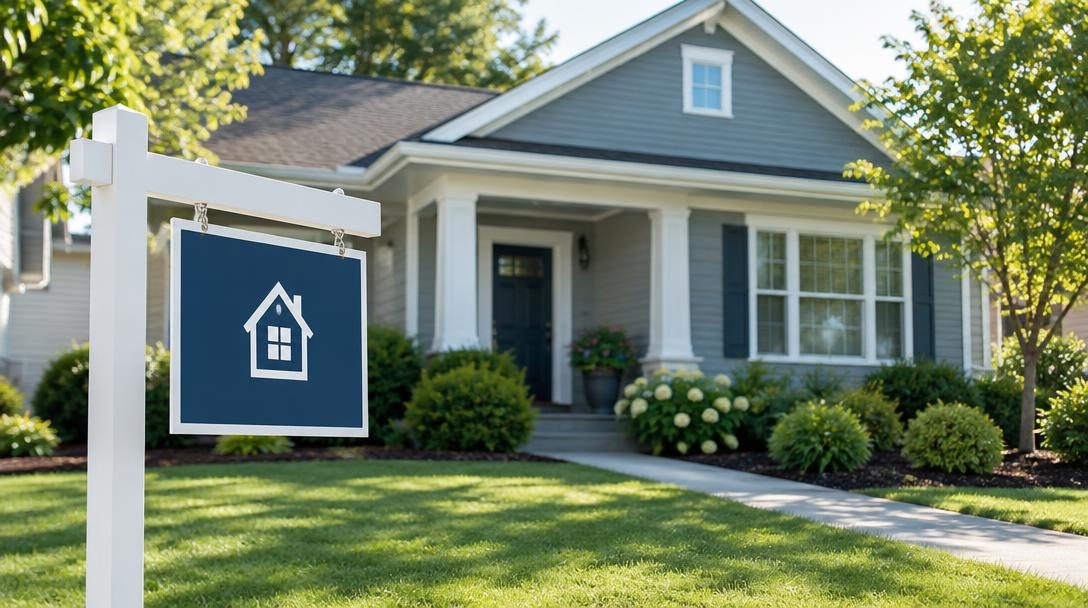
A residence may feature an interior architectural layout stunning enough to bring a master builder to tears, but that craftsmanship provides zero advantage if buyers refuse to step past the front steps. The exterior serves as the physical handshake of any viewing, establishing an immediate psychological baseline before a visitor ever turns the door handle.
Maximizing curb appeal requires methodical exterior maintenance:
- Mow the lawn evenly, establish crisp perimeter edging along walkways, and remove stray brush, fallen branches, and yard debris.
- Hire a professional landscaper to refresh planting beds, prune overgrown shrubbery, and install fresh mulch.
- Rent a heavy-duty power washer to blast away dirt, mildew, and weather stains from siding, stone walkways, driveways, and front porches.
Presenting a crisp, meticulously maintained exterior reassures buyers that the unseen components of the property have received the exact same level of conscientious care.
The exterior serves as the initial handshake of any showing, making an immediate impression that sets the tone for the entire visit.
Deep Clean and Declutter the Interior
Once the exterior of the property is pristine, the interior must be prepped to showcase spatial volume and cleanliness. When staging the inside of a home for public showings, the governing rule is that less is always more. Sellers should strip away personal keepsakes, family portrait galleries, and miscellaneous collectibles. Buyers need a clean, neutral canvas so they can envision their own furnishings and daily life within the walls.
Remove non-essential pieces of furniture, keeping only core structural elements like sofas, beds, and dining sets visible. Opening up floor space makes rooms register as substantially larger in person and across wide-angle digital listing photographs. Ensure that all flooring surfaces, especially wall-to-wall carpets and hardwood planks, undergo intensive deep cleaning. Lastly, replace worn or dated window drapes with clean, minimalist window treatments to flood the living quarters with natural sunlight.
Look Deeply at Every Bid
In a dynamic real estate environment, sellers are frequently rewarded with multiple competing offers. While the instinctive reaction is to sign the contract displaying the largest headline purchase price, seasoned sellers carefully analyze the terms, buyer motivations, and financing structures supporting each offer.
Evaluating an incoming bid requires balancing several critical elements:
- All-cash transactions: Cash purchases carry immense appeal because they bypass mortgage underwriting protocols, eliminate bank appraisal disputes, and drastically accelerate the closing timeline. Retirees often present strong, straightforward cash proposals.
- Financed offers with contingencies: A financed offer boasting a high top-line dollar amount may come attached to lengthy inspection timelines, appraisal clauses, or fragile loan pre-approvals that increase the risk of the deal collapsing.
- Corporate buyers versus residential buyers: Institutional entities actively acquire single-family homes to build commercial portfolios. Sellers should weigh whether they feel comfortable selling to an investment firm that may influence neighborhood market affordability, or whether they prefer passing the keys to an individual or family seeking a personal home.
Costly Mistakes That Derail Home Sales
Even experienced homeowners can fall into common traps when preparing a property for the open market. Avoiding these standard miscalculations protects your bottom line and prevents unnecessary delays during closing.
- Over-improving with superficial interior upgrades: Spending substantial capital replacing interior doors or installing high-end kitchen appliances often fails to generate a return, as buyers prefer to select their own fixtures.
- Neglecting exterior upkeep: Allowing siding to gather grime or letting the lawn grow untamed ruins curb appeal and discourates prospective buyers before they step foot inside.
- Displaying personal clutter during open houses: Leaving personal mementos, family photos, and excess decorative items out during photography and walkthroughs makes rooms feel tight and impersonal to visitors.
- Attempting an unrepresented sale: Foregoing professional representation to avoid commissions often leads to lower ultimate bids, protracted listing timelines, and dangerous legal vulnerabilities.
- Chasing high bids blindly: Committing to the highest numerical offer without verifying financing proof, appraisal contingencies, or buyer background can result in failed escrows weeks into the transaction.
Step-by-Step Preparation Checklist
Executing an orderly timeline keeps pre-listing stress to a minimum and guarantees that your home enters the market at peak presentation. Follow this structured roadmap to prepare your property methodically.
- Conduct a thorough, honest walkthrough of your entire house to log deferred maintenance problems, paying careful attention to plumbing, electrical systems, and roof health.
- Assess the primary high-value zones, planning targeted upgrades for the kitchen, bathrooms, and exterior living extensions like decks or patios.
- Interview and hire an experienced local real estate agent to review the condition of the home, outline market pricing, and confirm which repairs will deliver real returns.
- Book professional landscapers and rent a power washer to deep clean the home exterior, exterior walkways, and front porch.
- Box up and store personal memorabilia, collections, and non-essential furniture to create open, spacious interiors.
- Hire a professional cleaning service to thoroughly sanitize the property, treating hardwood floors, shampooing carpets, and installing fresh, light-filtering window treatments.
Frequently asked questions
Which home renovations provide the best return on investment when selling?
Focusing your pre-sale capital on resolving deferred maintenance issues, remodeling bathrooms, updating kitchens, and adding or repairing outdoor living spaces like decks and patios yields the highest returns. Avoid pouring funds into regular bedrooms or purely decorative additions like new interior doors, as incoming buyers frequently replace them.
Why should I hire a real estate agent instead of selling the house myself?
A trusted agent brings broad market exposure that can trigger competitive bidding wars, helping you net top dollar for your asset. Additionally, agents manage the immense volume of legal documentation and contract deadlines, protecting you from costly legal liabilities and freeing up your personal time.
Do I still need an agent if I am selling my house directly to a friend or relative?
Yes. Retaining an agent when selling to a family member or personal acquaintance ensures that all legal disclosures, contract contingencies, and financial documentation are handled accurately and objectively, preventing future disputes or legal pitfalls.
How can I make my home look substantially bigger in listing photos?
To maximize visual space, remove all excess furniture and keep only essential anchor pieces, such as sofas and beds, in each room. Declutter surfaces, pack away personal mementos, replace heavy curtains with clean, light-filtering window treatments, and ensure all floors are deep cleaned.
Should I always accept the highest offer submitted for my home?
Not necessarily. A higher offer loaded with complex financing contingencies or lengthy inspection terms may fall apart before closing. Conversely, an all-cash offer from a buyer such as a retiree eliminates mortgage underwriting hurdles and offers a far more reliable, rapid closing path.
The bottom line
Selling your home does not have to turn into an overwhelming logistical crisis. By focusing your renovation budget strictly on high-impact areas, hiring qualified professional representation, perfecting your exterior curb appeal, and staging a spotless interior, you position your property at the top of the local market. When the bids begin rolling in, looking past the headline price tag to review buyer terms and financing reliability ensures a smooth, rewarding transition into your next chapter.