
5 Toys You Forgot Were Massively Popular
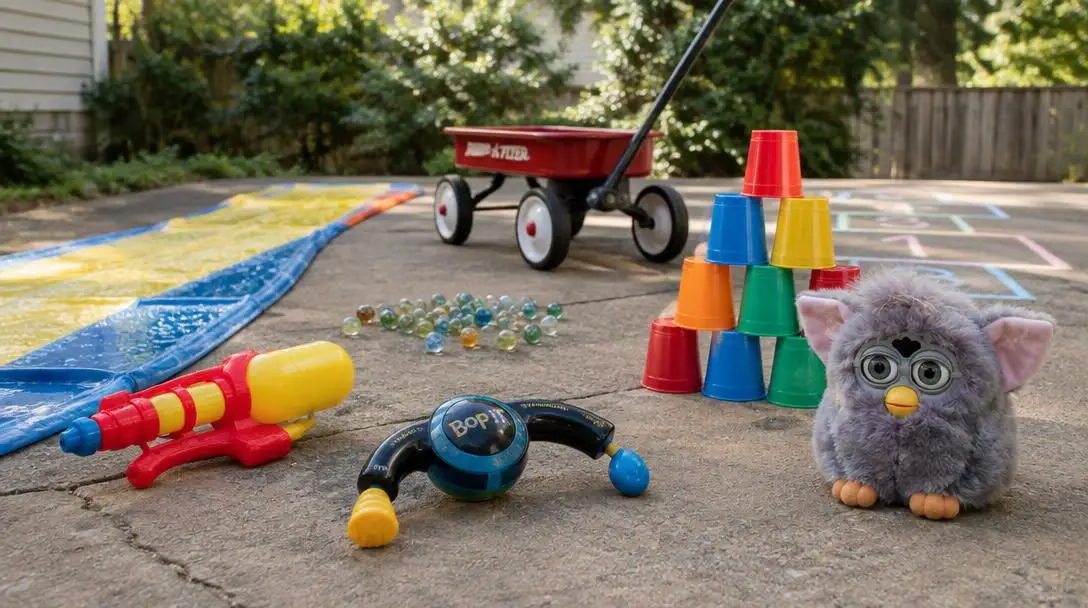
Opening up a neglected storage trunk, exploring an attic, or sorting through bins in a garage frequently sparks an unexpected reunion with relics of childhood. Playthings occupy an unusually powerful position in those nostalgic memories, especially items that completely commanded playground culture for an intense season before fading into the background. Across the 1980s, the 1990s, and the dawn of the new millennium, a unique combination of playground word-of-mouth, clever industrial design, and energetic marketing campaigns propelled a handful of unassuming items to the center of daily youth life.
While a few legacy brands managed to retain steady visibility over several generations, other creations became the ultimate signature fads of their specific eras. From driveway impact games and pocket-sized virtual pets to ankle-bruising outdoor contraptions and tactile spheres, these objects captured children's attention with singular intensity. Examining their rise, mechanics, and eventual quiet withdrawal into nostalgia offers a fascinating look at how swiftly youth pastimes, consumer trends, and entertainment habits evolve.
Key takeaways
- Fad toys spread rapidly because they combined simple, immediately understood physical or digital play mechanics with strong social visibility on playgrounds.
- Extensive branding, licensing agreements, and promotional media frequently transformed simple physical playthings into obsessive collector trends.
- While peak cultural crazes typically subsided within a few years, several of these products permanently reshaped expectations for personal transport and handheld virtual entertainment.
- Proper preservation of vintage toys requires removing old batteries, avoiding moisture on paper elements, and protecting synthetic polymers from temperature extremes.
At a glance: Five unforgettable playground sensations
Before exploring the distinct origins of each item, the following comparison highlights the mechanics, peak periods, and play styles that defined these unforgettable products.
| Toy | Peak Era | Primary Play Style | Key Defining Element |
|---|---|---|---|
| POGs | Mid-1990s | Collectible driveway impact game | Cardboard circular disks and heavy plastic slammers |
| Tamagotchi | Late 1990s | Handheld virtual simulation | Egg-shaped LCD keychain demanding continuous care |
| Razor Scooter | Turn of the millennium | Urban personal transport | Folding lightweight aluminum frame with 360-degree steering |
| Skip-It | 1980s and mid-1990s | Outdoor rhythmic jumping | Ankle hoop tethered to a swinging weighted ball |
| Koosh Ball | Late 1980s into the 1990s | Tactile indoor tossing | Thousands of soft, radiating natural rubber filaments |
Five iconic toys that ruled their eras
Each of the following five products commanded immense cultural attention, turning mundane afternoons into competitive tournaments or personal caretaking marathons.
POGs
- Origins: Traditional Hawaiian game known as Milk Caps
- Peak Popularity: Mid-1990s
- Core Components: Cardboard illustrated disks and heavy slammers
- Licensing Reach: Major motion pictures, sports leagues, and consumer brands
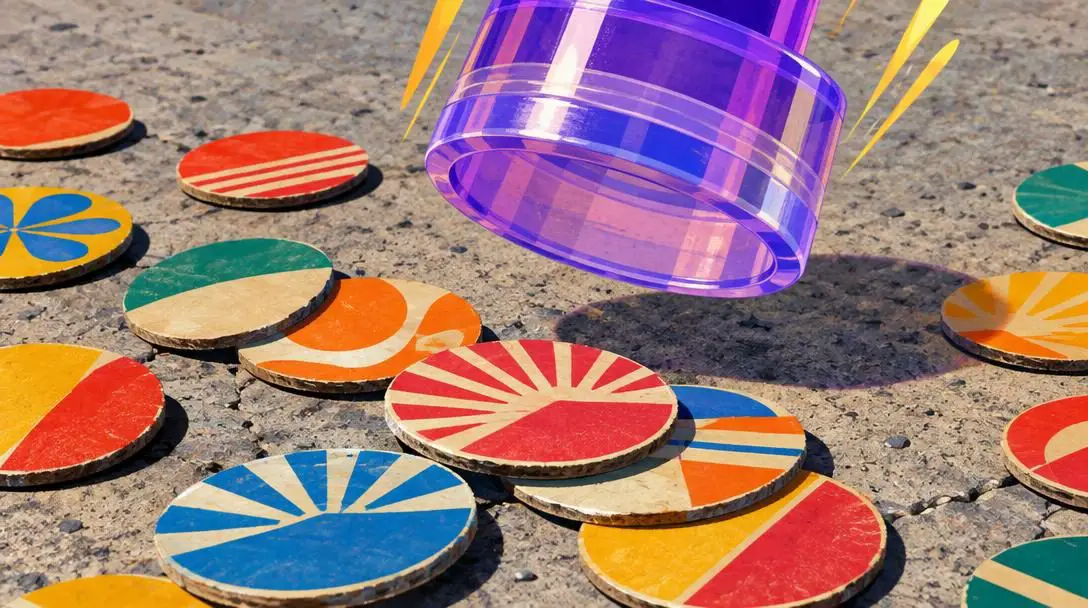
Few items encapsulate the sensory and social landscape of the mid-1990s quite like POGs. Although the trend felt entirely modern to the schoolyard crowds of the era, the fundamental pastime originated decades earlier in Hawaii as Milk Caps. In that traditional setup, children recycled the cardboard caps from glass milk or juice bottles, dropping a heavier disk onto a stack to claim whichever landed face up. The game erupted into an international consumer obsession following an ambitious branding initiative that created official POG equipment.
Once commercialized, the game rapidly expanded through lucrative licensing contracts. Collectors suddenly found their circular disks emblazoned with imagery from major motion pictures, NFL teams, popular comic characters, and fast-food chains. Driven by dreams of future financial windfalls, thousands of children assembled thick, plastic-sleeved binders of untouched disks. Although the commercial craze faded as swiftly as it appeared, the distinctive sound of heavy plastic slammers colliding with cardboard disks remains a universal hallmark of millennial playground memories.
Tamagotchi
- Meaning of Name: Translated as Egg Watch
- Debut: Launched in Japan in 1996
- Global Sales: Tens of millions of units worldwide
- Display Format: Low-resolution liquid crystal display (LCD)
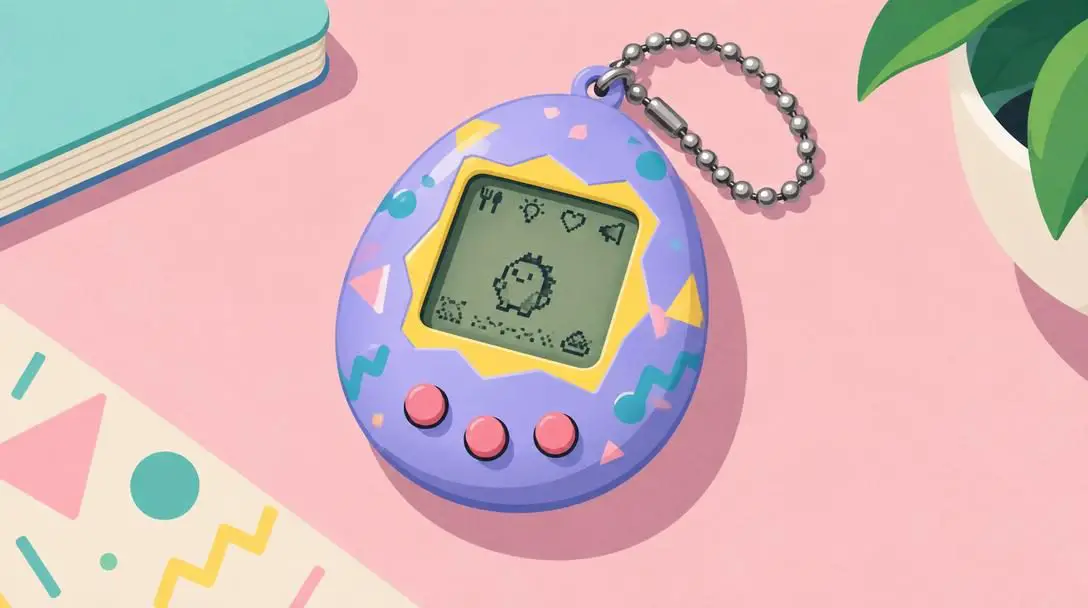
First introduced to the Japanese market in 1996, the Tamagotchi quickly transformed the expectations surrounding electronic entertainment. Combining the Japanese word for egg with the English word watch, this compact keychain unit housed an interactive digital creature that demanded persistent vigilance. Rather than acting as a standard watch, the device challenged users with simulated caretaking duties: owners had to feed their pet, provide fluids, clean up waste, discipline misbehavior, and supply medicine during illness.
The pocket pet became a global phenomenon, moving tens of millions of units across international markets within months. Because neglecting the device for even a few hours could result in the untimely death of the virtual creature, the toy created widespread disruptions in classrooms and households. While the brand retained steady interest and spawned numerous iterations in Japan, mainstream cultural mania in most Western territories burned intensely for roughly a year before receding to niche enthusiast communities.
Razor Scooter
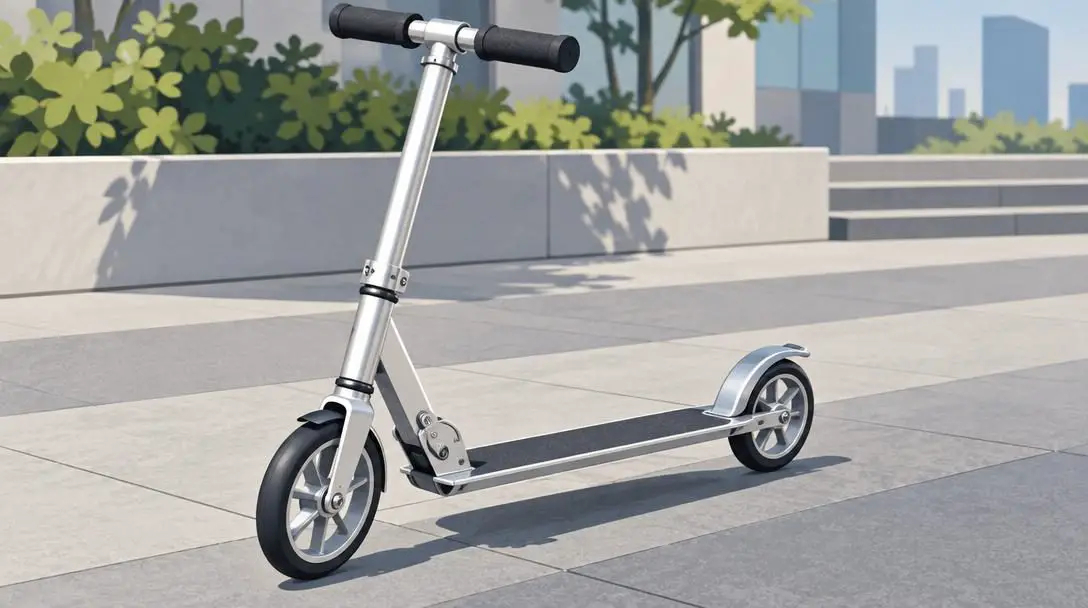
- Key Innovation: Collapsible lightweight aluminum frame
- Peak Cultural Boom: Around the year 2000
- Handlebar Design: Foam grips with full 360-degree rotation
- Current Status: Still actively manufactured worldwide
At the turn of the millennium, personal neighborhood transit was thoroughly reinvented by the arrival of the Razor Scooter. Wheeled kick scooters had existed for decades, but early designs were typically heavy, cumbersome wooden or steel contraptions with rigid frames. Razor transformed this format by introducing an aircraft-grade aluminum chassis, smooth polyurethane wheels, and an intuitive folding latch that enabled users to collapse the scooter and stow it beneath an arm or inside a backpack.
Equipped with soft foam handlebar grips and a steering column capable of uninterrupted 360-degree spins, the scooter became an essential staple of neighborhood sidewalks. That same agile steering, however, gave birth to a shared physical rite of passage: thousands of millennials and zoomers carry faint scars on their ankles and shins from swinging metal decks. Though the fever pitch of its initial release has leveled out, the Razor remains in continuous production and serves as an enduring foundation of personal wheeled recreation.
Skip-It

- Initial Debut: 1980s craze
- Resurgence: Mid-1990s television broadcast revival
- Mechanical Basis: Ankle ring, connecting arm, and weighted plastic ball
- Collector Market: Original-run 1980s units hold premium value
Long before scooters began impacting young lower legs, the Skip-It stood as the premier source of playground bruises and aerobic workouts. The toy made its first substantial splash in the 1980s as a novel physical challenge, but it reached unprecedented visibility during the mid-1990s. This secondary resurgence was powered heavily by relentless commercial broadcasts during after-school programming, showcasing children effortlessly bouncing over rotating tethers in suburban driveways.
The genius of the product rested in its uncomplicated design: players slipped a molded plastic ring over one ankle, propelled a weighted ball on a tether in a wide horizontal loop via leg momentum, and hopped cleanly over the sweeping cord with their opposite leg. While modern iterations incorporated electronic revolution counters into the spinning ball, pristine original models from the initial manufacturing run remain sought-after pieces among vintage toy collectors.
Koosh Ball

- Inventor: Scott H. Stillinger in 1987
- Construction: Thousands of natural rubber filaments
- Promotional Milestone: Fired into audiences on daytime talk television
- Current Parent Company: Hasbro
The story of the Koosh Ball began in 1987 when inventor Scott H. Stillinger sought to develop an indoor ball that would be easy for his young children to catch without bouncing out of their grasp or breaking household furnishings. His solution was an ingenious tactile structure consisting of approximately two thousand thin, supple rubber filaments bound together securely at a solid central core. The resulting sphere yielded an extraordinarily soft texture and a satisfying physical sound when landing in open hands.
By the late 1990s, the brand had firmly entered pop culture history, aided substantially by television host Rosie O'Donnell regularly launching branded Koosh balls into her studio audience with slingshots. Corporate partnerships quickly produced special editions featuring iconic character faces and customized color combinations. Now owned by Hasbro, the product line continues to generate active releases, even if it no longer holds the singular retail ubiquity it once commanded.
While some toys maintained sustained visibility, others became defining fads of their specific eras, illustrating how quickly play patterns can shift.
The simple mechanics behind massive play fads
A common thread linking these wildly popular crazes is how each relied on direct, readily graspable mechanical, material, or digital principles. Rather than requiring complex instruction manuals, their functionality was immediately apparent upon contact.
Cardboard disc competitions operated on basic pneumatic and kinetic displacement. When a player propelled a thick, weighted slammer down onto a vertical column of disks, trapped air pocketed between the layers rapidly expanded while kinetic energy rippled through the pile. This combined shockwave broke surface friction, flipping lower disks into the air. The outcome depended partly on raw force, but also on angling the strike to maximize air pressure beneath the edges.
Pocket digital companions relied on early virtual state machines programmed into compact microcontrollers. Running off tiny watch batteries, the internal clock triggered discrete state updates at set intervals. When hunger, discipline, or hygiene meters dropped below programmed thresholds, the unit triggered audible beeps and updated its liquid crystal screen. This gave the impression of an autonomous biological rhythm, driving a powerful psychological compulsion to intervene before the virtual pet expired.
Rhythmic hopping devices and folding scooters maximized rotational kinetic energy. The swinging ankle tether used centrifugal force to keep the weighted ball extended at the maximum radius of its line, creating a predictable orbital cadence that tested unilateral coordination. Conversely, folding aluminum scooters leveraged miniature precision bearings and low-friction polyurethane tires, translating modest foot pushes into rapid forward glide across smooth concrete.
Finally, filament toss spheres represented a triumph of aerodynamic drag and material damping. The thousands of radiating natural rubber strands produced significant surface area relative to the ball's overall mass. As it sailed through the air, high drag slowed its flight speed, while the flexible filaments instantly collapsed upon impact, absorbing kinetic energy and preventing the ball from rolling away or damaging nearby walls.
Preserving and caring for vintage toys
Whether you have pulled an old plastic bin from your family attic or are actively building a nostalgic display, managing older toys requires thoughtful conservation techniques. Materials like early plastics, natural rubber, and printed cardboard degrade easily under adverse environmental conditions.
- Inspect all surfaces for material degradation, taking note of brittle plastic edges, peeling adhesive graphics, or sticky rubber filaments.
- Open battery housings on electronic devices immediately to inspect for corrosion, carefully removing depleted alkaline or button cells to protect circuitry.
- Dust paper and cardboard goods using a clean, dry, soft-bristle brush, never applying moisture, water, or commercial glass cleaners to printed cardboard milk caps.
- Wipe hard plastic surfaces down using a microfiber cloth lightly dampened with lukewarm water, keeping chemical solvents away from printed logos and paint applications.
- Store all preserved pieces in a climate-controlled room that remains free from excessive humidity swings, extreme attic heat, and direct sunlight exposure.
Common missteps when handling vintage playthings
Interacting with classic toys often involves widespread misconceptions regarding their secondary market value, physical resilience, and daily maintenance.
- Assuming high production volume equals high market value: Because products like milk caps and virtual keychains sold by the tens of millions, standard baseline editions carry very low financial value today. Only rare misprints, limited regional packaging, or pristine first-run units command collector premiums.
- Using harsh chemical cleaners on aging polymers: Rubbing alcohol, bleach, and citrus-based degreasers can strip factory inks, cloud clear acrylics, and accelerate the breakdown of vintage natural rubber.
- Engaging in strenuous play without protective gear: Attempting to recreate childhood feats on older folding scooters or ankle hoops often leads to painful bruises, falls, or severe ankle strikes.
- Forcing stiff mechanical hinges or latches: Structural polymers and folding levers can grow brittle after multiple decades in storage; applying excessive brute force to free a stuck hinge can snap the housing clean off.
Frequently asked questions
Why were cardboard milk cap games called POGs?
The term originated from Passion Orange Guava, a popular tropical fruit juice produced in Hawaii by Haleakala Dairy. Children initially played the traditional game using recycled cardboard bottle caps from that specific beverage, which eventually inspired the official brand name when the game was commercialized worldwide.
Are original Tamagotchi devices still functional today?
Yes, most original units remain operational provided they have not suffered internal battery leakage. Once the rear casing is opened, old button cells are removed, and a fresh set of appropriate batteries is installed, the LCD and microcontroller typically power back up without issue.
Why did so many children get injured by early folding scooters?
Early models combined lightweight aluminum decks with freely rotating 360-degree handlebars. When a rider stumbled or attempted a sudden jump, the unwieldy deck would whip around its vertical axis, delivering forceful impacts directly against the user's exposed ankles and shins.
What makes original Skip-It models valuable to collectors?
First-generation releases produced during the 1980s did not feature the built-in mechanical or electronic counters found on later 1990s editions. Their relative rarity, simpler molded aesthetic, and fragile plastic components mean surviving units in mint condition command higher interest among vintage toy collectors.
Can sticky or melting Koosh ball filaments be restored?
Unfortunately, when natural rubber filaments degrade into a sticky or liquified state, it signals irreversible polymer breakdown often caused by ultraviolet light and heat exposure. Once this chemical deterioration occurs, the material cannot be restored to its original elasticity.
The bottom line
The toys that swept through playground culture during the closing decades of the twentieth century achieved monumental success not through complicated operational manuals, but through immediate physical feedback and community engagement. Whether passing digital pets under school desks, slamming plastic weighted disks against cardboard stacks, or nursing bruised shins from an errant scooter spin, these items served as active cultural currency for millions of children.
Though mainstream fads inevitably fade as newer technologies emerge, the foundational charm of these playthings remains intact. They remind us of a distinctive transitional era in toy design that balanced physical outdoor coordination with emerging digital simulations. Looking back at them today offers more than just fond nostalgia; it provides a direct window into how collective enthusiasm can transform everyday materials into lasting generational icons.





