
5 TV Law Shows From Most To Least Realistic
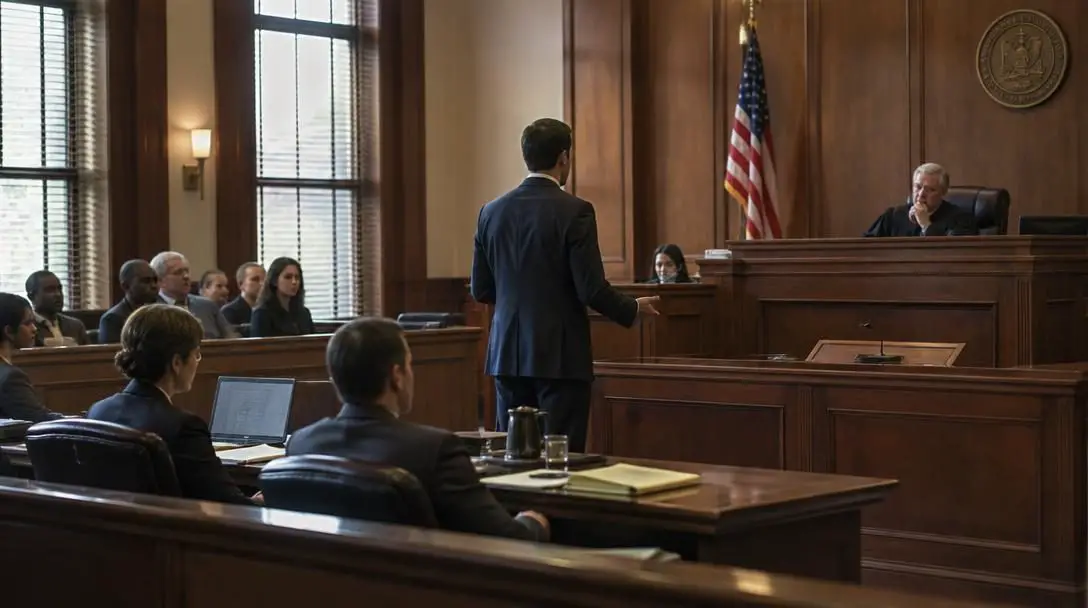
Lawyers may carry a complicated reputation in the public eye, but they have provided endless fuel for compelling television for decades. Whether audiences tune in for suspenseful courtroom confrontations, intense tactical maneuvers, or an inside peek into the turbulent lives of legal power players, the small screen offers dozens of portrayals to sample. Yet while courtroom dramas reliably entertain, their relationship with real-world jurisprudence ranges from strikingly authentic to completely absurd.
Television writers frequently face a choice between strict technical accuracy and gripping narrative pacing. In many cases, the further a show strays from genuine courthouse procedure, the more theatrical and fun it becomes to watch. Examining how popular programs stack up against genuine courtrooms reveals which series respect the rule of law and which are guilty of dramatic misrepresentation.
Key takeaways
- Legal dramas fall along a wide spectrum of authenticity, with some capturing procedural grind while others prioritize pure soap opera flair.
- Better Call Saul tops the rankings for realism due to its faithful focus on administrative red tape, ethical struggles, and small-firm survival.
- Iconic tropes like sudden courtroom confessions, library research marathons, and unannounced visits to opposing counsel rarely happen in actual legal practice.
- Shows like Suits and Ally McBeal sacrifice real-world procedural rules and ethics in favor of fast-paced storytelling and eccentric character comedy.
- Understanding the distinction between television fiction and real court operations prevents unrealistic expectations during actual legal proceedings.
Ranked: 5 TV law shows from most to least realistic
To determine how famous television programs mirror the legal field, legal professionals examine factors such as procedural adherence, research methods, and ethical conduct. Below is the definitive ranking of five prominent series, ordered from the most authentic depiction to the most outlandish fiction.
| Show Title | Setting | Primary Legal Focus | Realism Level |
|---|---|---|---|
| Better Call Saul | Albuquerque, New Mexico | Solo practice, elder law, public defense, compliance | High (Ranked #1) |
| Law & Order | New York City | NYPD investigations and Manhattan DA prosecution | Moderate-High (Ranked #2) |
| The Practice | Boston, Massachusetts | Criminal defense and small firm litigation | Moderate (Ranked #3) |
| Suits | New York City | High-stakes corporate law and firm politics | Low (Ranked #4) |
| Ally McBeal | Boston, Massachusetts | Civil litigation, personal injury, eccentric disputes | Very Low (Ranked #5) |
Better Call Saul

- Setting: Albuquerque, New Mexico
- Franchise: Prequel/spinoff to Breaking Bad
- Realism Rank: #1 (Most realistic)
If you are not intimately familiar with day-to-day legal practice, finding this Breaking Bad spinoff at the very summit of the list might come as a shock. Yet industry insiders consistently celebrate the program for its painstakingly accurate depiction of the American legal machine. Rather than relying solely on grand courtroom showdowns, the series grounds its drama in the authentic challenges faced by struggling solo practitioners and regional lawyers.
The storylines capture the administrative burdens, repetitive public defense caseloads, and document-heavy grind that define actual practice. Law firm partner Jordan Rothman highlighted the show's rare verisimilitude, observing, “It’s hard to relate all of the instances in which the show accurately depicts the practice of law.” From elder law nuances to procedural motions and the seductive slide down the slippery slope of professional misconduct, the series mirrors real attorney dynamics with uncanny precision.
Law & Order
- Setting: New York City
- Broadcast History: Aired for a decade plus multiple spinoffs
- Realism Rank: #2
It comes as no surprise that this legendary broadcast franchise earns a spot near the top of the realism hierarchy. Running for a full decade in its original run and spawning a vast network of spinoffs, the series built its reputation on a distinct two-part structure. Each episode dedicates its first half to the detectives of the New York City Police Department investigating a crime, before pivoting to the prosecutors of the Manhattan District Attorney's Office working to secure a conviction.
By balancing street-level law enforcement with prosecutorial strategy, the show illustrates the friction between gathering admissible evidence and securing a conviction under strict evidentiary standards. The show is particularly famous for its “ripped from the headlines” story structure, borrowing narrative seeds from true crimes and public court controversies. While the legal timelines are compressed to fit an hour of television, the procedural arguments, evidentiary hearings, and plea bargain conferences closely track genuine statutory processes.

The Practice

- Setting: Boston, Massachusetts
- Firm Profile: Small, cash-strapped defense firm
- Realism Rank: #3
Created by David E. Kelley, The Practice served as a grounded, gritty sibling to Kelley's more eccentric courtroom series. Focusing on a tight-knit Boston defense firm handling criminal matters, the program stands out for highlighting the gritty, financially perilous nature of running an independent legal office. Rather than operating out of glistening glass skyscrapers, the show's attorneys frequently scramble to meet overhead, track down delinquent client payments, and manage massive case volumes.
Where the series truly shines is its commitment to the ethical dilemmas of criminal defense. The attorneys do not merely navigate legal rules, witness testimony, and trial conduct with meticulous attention; they routinely grapple with their own consciences when defending difficult clients. The show depicts the emotional and moral weight borne by practitioners who must enforce constitutional guarantees for individuals they know may be guilty of heinous acts.
Suits

- Network: USA Network
- Premise: Unlicensed genius practicing at an elite Manhattan firm
- Realism Rank: #4
This slick cable hit kicks off with an inherently implausible foundation: a brilliant college dropout who never attended law school manages to con his way into an associate position at an elite Manhattan corporate law firm. From that starting point forward, the show largely abandons procedural realism in favor of high-gloss corporate intrigue and combative melodrama.
According to assessments from law firm Orsus Gate, the show presents numerous fictions about what corporate attorneys actually do all day. Fictional attorneys routinely burst into opposing counsel's private offices without notice, slam blue folders on mahogany desks, and utter a few supposed “magic words” that instantly force a settlement. Furthermore, characters are constantly shown spending late nights leafing through physical volumes in a book-lined law library, ignoring the fact that modern legal research takes place overwhelmingly via computerized databases. As Orsus Gate points out, these dramatic shortcuts can warp public expectations by making litigation look like an instantaneous war of threats rather than an exhaustive battle of briefs.
Ally McBeal

- Lead Actress: Calista Flockhart
- Era: Debuted in the late 1990s
- Realism Rank: #5 (Least realistic)
While this late-1990s cultural phenomenon turned Calista Flockhart into a global superstar and won legions of dedicated viewers, its runaway success had virtually nothing to do with real courtroom practice. The show treated the legal profession as a whimsical backdrop for eccentric relationship drama, surreal physical comedy, and bizarre personal neuroses.
The series remains infamous for absurd narrative flourishes, such as hallucinated dancing babies, wildly inappropriate office attire, and characters with oddities like senior partner John Cage and his memorable “wattle fetish.” Firm attorneys regularly abandoned legal decorum to go undercover on absurd personal missions or participate in romantic entanglements that rivaled musical chairs. Week after week, the courtroom heard outlandish cases that tested credulity, earning the show an undisputed crown as the least realistic legal series on modern television.

Television frequently substitutes nuanced statutory analysis with rapid rhetorical triumphs and dramatic showdowns designed to force an immediate surrender.
Why television diverges from real-world courtrooms
The gap between fictional courtrooms and real legal offices is not an accident of poor writing; it is a structural byproduct of entertainment production. In real life, legal disputes move forward with methodical deliberation. A civil lawsuit or criminal trial involves extensive pre-trial phases, written interrogatories, sworn depositions, motion hearings, and dense evidentiary briefing long before anyone delivers an opening statement.
Television production, however, must contend with relentless formatting limitations. A typical broadcast hour offers roughly forty to forty-five minutes of narrative space. If writers adhered strictly to genuine procedural rules, entire seasons would be spent waiting out statutory response windows, reviewing electronic discovery files, and completing compliance logs. To keep audiences engaged, producers compress timelines, invent dramatic physical library sessions, and create explosive face-to-face confrontations that would result in immediate disciplinary sanctions in real life.
Navigating the real legal process
Because television portrays the justice system as a series of sudden twists and rhetorical mic-drops, real clients often enter the legal system with skewed expectations. If you need to navigate an actual civil or criminal proceeding, follow these structured steps to ensure your process remains grounded in reality:
- Verify professional credentials: Confirm that your attorney holds an active, valid license in good standing with the appropriate state or regional bar association, avoiding the dramatic fictions of unlicensed practitioners.
- Select the right firm structure: Match your specific issue to the appropriate firm size, recognizing that solo defense practices, regional boutiques, and large corporate entities operate with vastly different resources and billing models.
- Establish professional communication protocols: Expect substantive updates through formal correspondence, scheduled telephone conferences, and documented case filings rather than dramatic hallway encounters.
- Prepare for procedural timelines: Understand from the outset that civil litigation and criminal cases require months of pre-trial motions and discovery before reaching a settlement table or courtroom.
- Examine fee structures carefully: Review retainer agreements, hourly billing rates, and administrative costs in detail so you understand the exact financial requirements of your legal representation.
Common mistakes: separating TV tropes from legal reality
Consuming hundreds of hours of broadcast courtroom drama often leaves viewers with subconscious misconceptions about how cases are won and lost. Recognizing these widespread myths is essential for anyone interacting with the legal system:
- Expecting sudden witness confessions: Unlike television witnesses who break down in tears during cross-examination, real witnesses rarely recant their stories on the stand because prior depositions lock their testimony into the record.
- Anticipating overnight trials: Fictional attorneys frequently file a complaint on Monday and argue before a jury on Friday, whereas real-world court dockets face backlogs that demand extended patience.
- Relying on rhetorical magic words: Winning a case requires rigorous documentary evidence and legal precedent, not clever insults or dramatic one-liners delivered at a conference table.
- Misjudging lawyer conduct rules: Attorneys cannot legally snoop through opponents' offices, engage in unauthorized undercover stings, or fabricate evidence to secure a morally satisfying victory.
- Looking for physical library teams: Expecting legal teams to pore through thousands of dusty physical books ignores the modern reality of efficient computerized statutory databases.
Frequently asked questions
Which TV law show is considered the most realistic?
Better Call Saul is widely cited by legal professionals as the most accurate portrayal of the law on television, thanks to its believable focus on public defense, administrative hurdles, document review, and the daily survival of small-firm practitioners.
Why is Suits considered unrealistic by actual lawyers?
Suits relies on several major legal fictions, including an unlicensed associate practicing law at an elite firm, attorneys making unannounced drop-in visits to opposing counsel, cases settling over singular catchphrases, and a reliance on physical library books instead of modern online legal databases.
Are Law & Order cases based on real events?
Yes. Law & Order is famous for its “ripped from the headlines” format, drawing premise inspiration from real-world criminal investigations and controversial trials while fictionalizing specific facts and character names for dramatic purposes.
Why did Ally McBeal rank as the least realistic legal series?
Ally McBeal prioritized eccentric comedy, romantic drama, and surrealism over legal realism, featuring hallucinated dancing babies, extreme character fetishes, bizarre courtroom decorum, and lawyers embarking on undercover schemes that would never happen in authentic practice.
Do real lawyers research cases in large book-filled libraries?
No. While television shows use physical libraries with leather-bound books for visual atmosphere, almost all modern legal research is performed using specialized online search platforms and electronic legal databases.
The bottom line
Courtroom dramas remain an irresistible staple of entertainment television because they provide high stakes, moral tension, and clear resolutions. Yet there is a profound difference between a show designed to mimic the grind of the profession and one that uses the courtroom merely as a stage for emotional fireworks. Enjoying programs like Suits or Ally McBeal for their style and eccentric charm is part of the fun of watching television, provided viewers remember that the actual justice system runs on quiet procedural rules, structured discovery, and professional discipline rather than Hollywood theatrics.