
5 Unbelievable Facts About Birds

Birds are a constant, dynamic presence in the global landscape, inhabiting every biome from dense tropical rainforests to densely populated suburban neighborhoods. Biologists estimate that roughly 50 billion individual birds exist worldwide, divided among approximately 18,000 distinct species. Each species has developed unique anatomical and behavioral traits that allow it to thrive, forage, and navigate diverse environments across the planet.
Despite how frequently we encounter these feathered creatures, many of their survival mechanisms remain surprising to the casual observer. From deceptive beak structures that mimic serrated jawbones to neurotoxic chemical defenses and extreme cardiovascular limits, avian evolution has produced biological solutions found nowhere else in the animal kingdom. Understanding these adaptations also illuminates the severe conservation challenges facing modern birds, particularly regarding predation by domestic animals.
Key takeaways
- Modern birds do not grow genuine enamel-and-bone teeth, but predatory species like the Double-toothed Kite use sharp keratin ridges called tomial teeth to grip prey.
- The hooded pitohui of New Guinea carries a potent neurotoxin within its skin and plumage, making it one of the world's few chemically toxic birds.
- The ostrich possesses the largest eyes of any terrestrial animal at five centimeters across, with ocular structures that physically exceed the size of its brain.
- Hummingbirds are the only avian species capable of sustained backward flight, supported by shoulder-rotated figure-eight wing strokes and heart rates surpassing 1,200 beats per minute.
- Free-ranging outdoor cats represent the single largest direct threat to wild bird survival, causing more than 2.4 billion avian deaths annually in the United States alone.
Comparative overview of distinct avian adaptations
| Species or Subject | Primary Adaptation or Impact | Key Anatomical Feature | Ecological Function |
|---|---|---|---|
| Double-toothed Kite | Specialized beak grip | Keratinous tomial ridges | Subduing agile prey without heavy jawbones |
| Hooded Pitohui | Chemical toxicity | Neurotoxin-infused skin and feathers | Passive defense against handling and predators |
| Common Ostrich | Expansive vision | 5-centimeter diameter eyes | Early detection of savannah predators |
| Hummingbird | Omnidirectional flight | Figure-eight shoulder articulation | Stationary hovering and backward aerial maneuvering |
| Domestic Cat | Introduced predator pressure | Silent stalking and predatory reflex | High-volume opportunistic predation on native fauna |
Five remarkable avian traits and ecological realities
While birds share common heritage dating back to theropod dinosaurs, divergence across disparate ecological niches has yielded remarkable physical specializations. The following five subjects illustrate how evolutionary pressures have transformed bird anatomy, sensory perception, and human-wildlife dynamics.
Double-toothed Kite
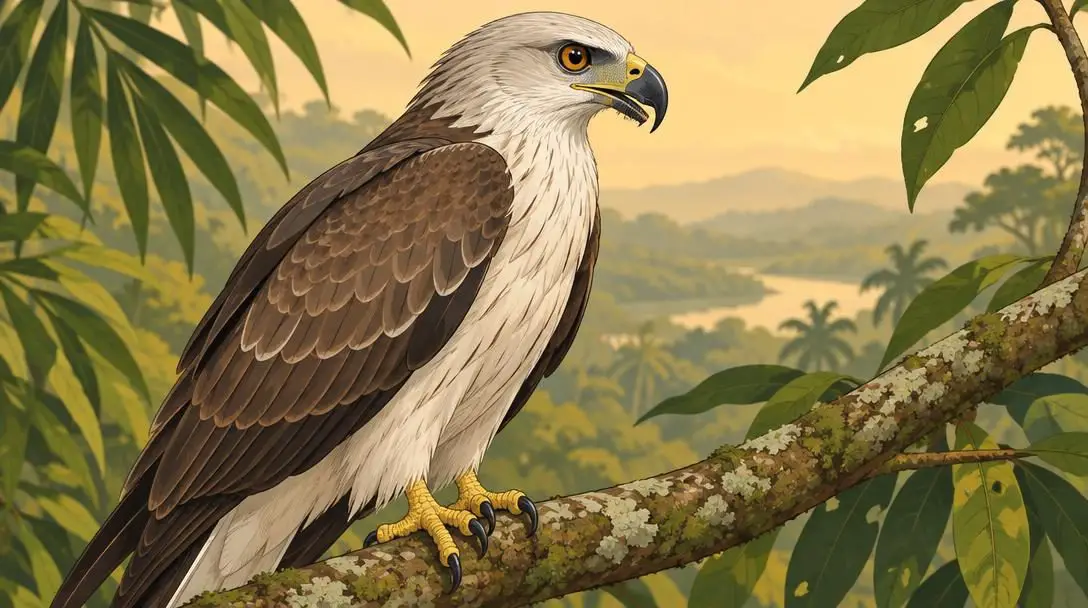
- Distinction: Pseudo-toothed raptor
- Material Composition: Hardened keratin
- Functional Structure: Tomial ridges
The suggestion that modern birds possess teeth often provokes skepticism, and biologically speaking, skepticism is justified. True teeth composed of dentin and enamel are completely absent in living avian species. However, several birds appear to violate this rule at first glance. The Double-toothed Kite displays pronounced, tooth-like projections along the cutting edge of its upper mandible. Rather than rooted bone, these projections are tomial teeth—chiseled structures formed entirely out of the beak's exterior keratin sheath.
These keratin projections serve as an evolutionary work-around. By developing razor-sharp tomial ridges, the Double-toothed Kite can capture, secure, and sever writhing insects and small lizards without carrying the heavy skeletal weight of a tooth-bearing jaw. This adaptation preserves the aerodynamic efficiency required for flight while retaining the predatory effectiveness seen in toothed reptiles.
Hooded Pitohui
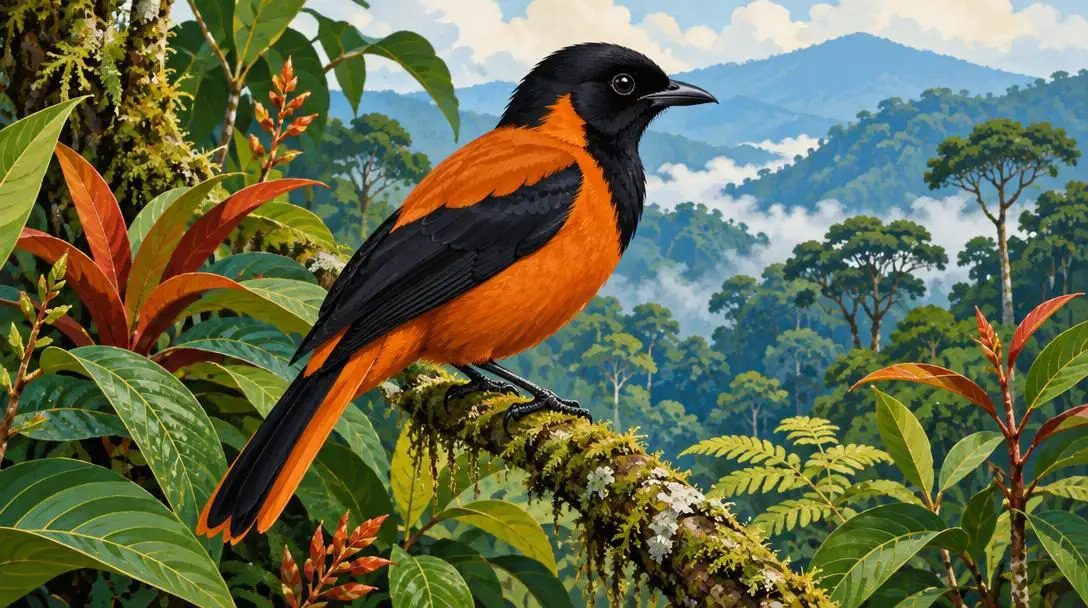
- Geographic Range: New Guinea
- Habitat: Hill forests
- Defensive Mechanism: Cutaneous neurotoxin
When assessing poisonous wildlife, people instinctively think of dart frogs, specific amphibians, or poisonous insects. Birds are almost universally viewed as non-toxic, yet the hooded pitohui breaks this biological mold. Resembling an ordinary songbird or common oriole with vibrant plumage, the hooded pitohui inhabits the hills and forests of New Guinea. In 1990, researchers confirmed that this species harbors dangerous levels of neurotoxins within its skin and feathers.
Because the hooded pitohui is poisonous rather than venomous, it does not inject toxins through hollow fangs, barbs, or bites. Instead, its poison acts as an all-encompassing chemical shield. Contact with the bird’s plumage or ingestion of its tissues exposes predators to neurotoxins that irritate mucus membranes, induce numbness, and deter predation. This passive defense strategy is exceptionally unusual among the world's 18,000 avian species.
Common Ostrich
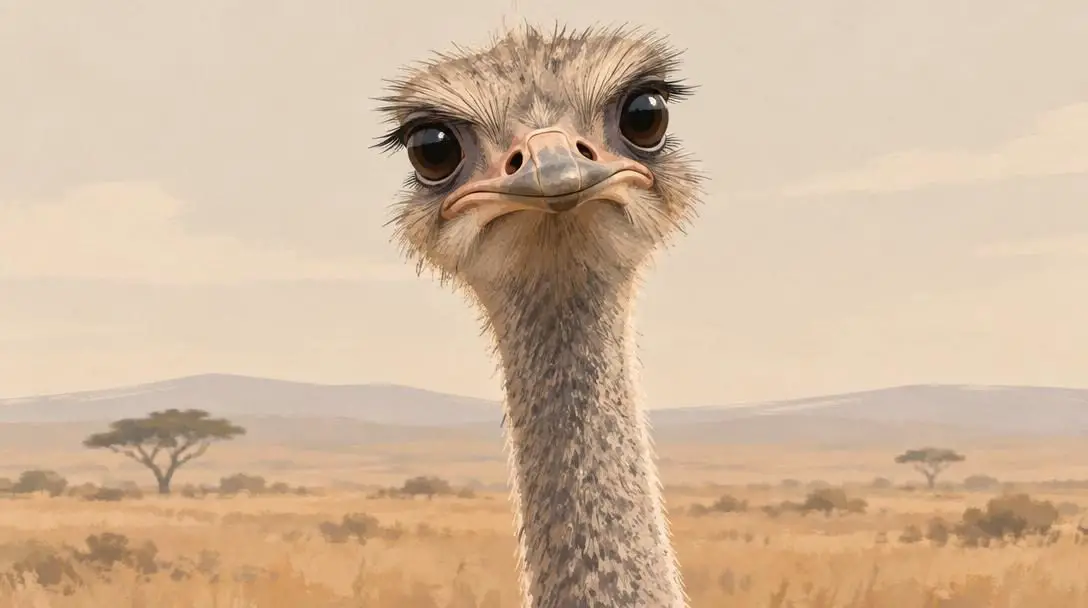
- Ocular Diameter: Approximately 5 centimeters
- Physical Comparison: Eyes larger than brain
- Primary Sensory Defense: Long-range visual acuity
Terrestrial mammals such as elephants and rhinoceroses possess massive physical proportions, leading many people to assume they also possess the largest eyes on land. In reality, that record belongs to the common ostrich. An ostrich eye measures approximately 5 centimeters across, an enormous size for an animal that stands around eight feet tall. The ocular chambers occupy so much internal skull cavity that both eyes together physically outweigh and exceed the volume of the ostrich's brain.
This immense ocular size is an evolutionary response to life in open terrain. Ostriches rely on early visual warning to spot swift predators like lions and cheetahs from considerable distances, giving their powerful legs sufficient time to initiate evasive running. In contrast, nocturnal birds like owls feature eyes that are elongated, rigid tubes anchored by sclerotic rings. Because owl eyes cannot swivel within their sockets, owls evolved remarkable cervical flexibility to rotate their heads across vast arcs, proving that birds solved visual challenges through diverse evolutionary pathways.
Hummingbird
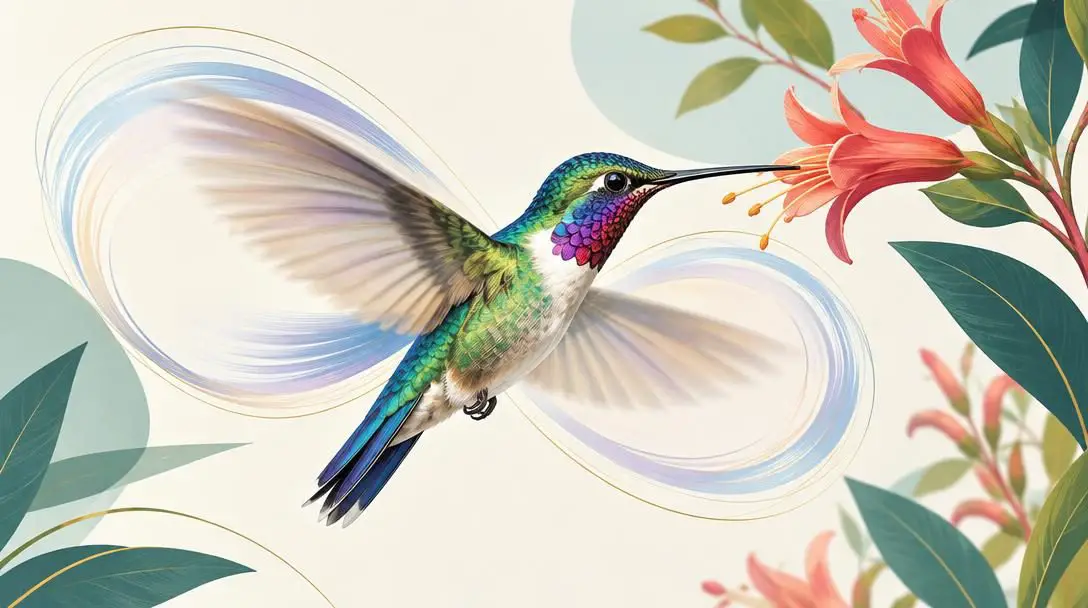
- Flight Capability: Omnidirectional, including sustained backward flight
- Cardiovascular Output: Exceeds 1,200 beats per minute during flight
- Migratory Feat: Non-stop flight capabilities exceeding 500 miles
The hummingbird represents an absolute extreme in vertebrate metabolic design. As the smallest of all birds, hummingbirds possess physical adaptations tailored exclusively to sustained hovering and high-precision foraging. Unlike other bird species that generate lift predominantly via downward flapping, hummingbirds articulate their wings from flexible shoulder joints, tracing a continuous figure-eight pattern. This movement generates lift during both the forward and backward strokes, granting them the unique ability to fly backwards and upside down.
Operating these miniature aerial engines requires an astonishing physiological expenditure. A hummingbird’s heart can beat more than 1,200 times per minute during active flight, rapidly saturating its muscles with oxygen. This metabolic power allows individual hummingbirds to undertake demanding journeys, including non-stop flights spanning over 500 miles. Because their bodies are streamlined strictly for aerial performance, their legs and feet are dramatically reduced in size, functioning almost solely as perches rather than instruments for walking.
Modern birds shed heavy bones and calcified teeth millions of years ago, engineering specialized keratin ridges and lightweight frames that make flight possible.
Domestic Cat
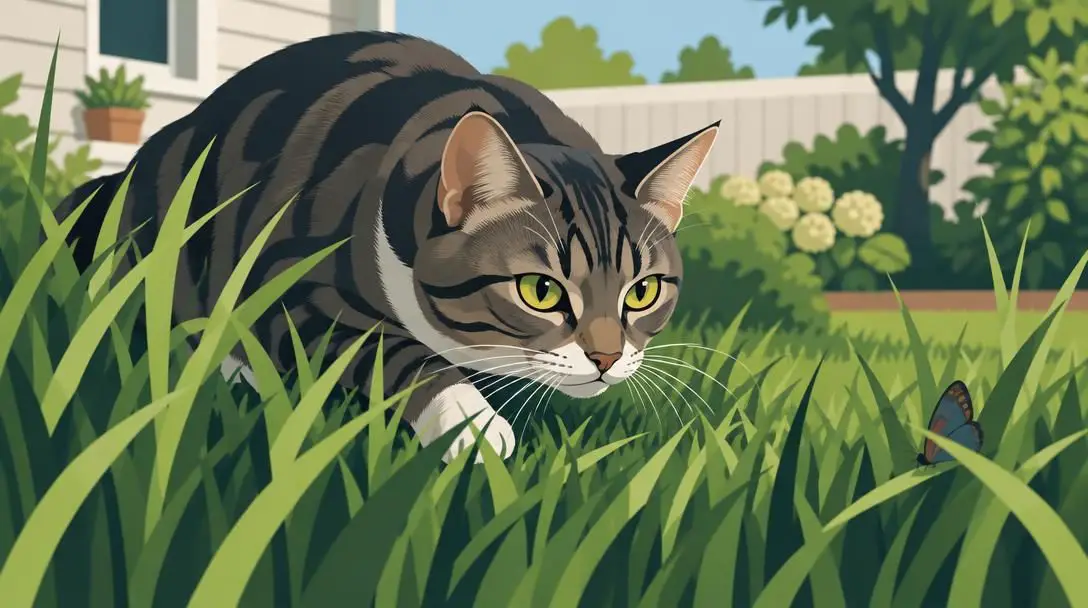
- Annual Avian Toll: More than 2.4 billion birds in the United States
- Hunting Driver: Innate predatory instinct
- Vulnerability Zone: Ground foragers and low-nesting species
While wild birds have evolved complex survival traits against native predators over millions of years, they face unprecedented mortality from an introduced source: the domestic cat. Cat owners are familiar with the predatory fixation felines exhibit when watching birds through windows, marked by chattering sounds and dilated pupils. When cats are allowed to roam freely outdoors, this instinctual drive translates into catastrophic ecological consequences.
In the United States alone, free-ranging outdoor domestic cats kill more than 2.4 billion wild birds every single year. This mortality rate makes domestic cats the single greatest direct, human-linked threat to native avian populations. Because feline predation is driven by ingrained predatory reflexes rather than nutritional hunger, feeding outdoor cats does not prevent them from stalking, catching, and killing local birds.
The evolutionary biology behind avian mechanics
To grasp why modern birds display such idiosyncratic biological traits, it is necessary to examine their evolutionary emergence from theropod ancestors. As ancient avian lineages developed active, powered flight, their physical architecture underwent comprehensive structural revisions. The primary physical constraint of flight is weight: every surplus milligram requires additional metabolic energy to lift and maintain in the air.
This aerodynamic requirement drove the evolutionary abandonment of heavy bone structures, thick skulls, and calcified teeth. In place of heavy, dentin-packed jaws, modern birds evolved lightweight mandibles covered by a tough, regenerating sheath of keratin known as the rhamphotheca. The specialized ridges observed in birds of prey like the Double-toothed Kite demonstrate how natural selection reshuffled existing structural materials to serve predatory roles without adding structural ballast.
A similar principle governs sensory evolution. An ostrich’s large, panoramic eyes offer wide-angle vigilance across grassland plains, prioritizing defensive vision over cognitive complexity. In aerial specialists like hummingbirds, the trade-off manifests in cardiovascular allocation: an oversized heart, rapid respiration, and continuous nectar ingestion compensate for virtually non-functional legs. Every feature of avian anatomy reflects a rigorous balance between metabolic expense, weight constraints, and ecological survival.
Practical guidelines for responsible bird conservation and observation
With roughly 50 billion birds sustaining global ecosystems through insect control, seed dispersal, and pollination, human stewardship plays a pivotal role in maintaining avian health. Applying structured, conscientious wildlife practices protects native birds while allowing birdwatchers to observe them responsibly.
- Secure Domestic Pets Indoors: Eliminate the primary source of anthropogenic bird mortality by maintaining domestic cats inside the home. For cats that enjoy the outdoors, install screened patio enclosures or utilize harnesses to stop predatory stalking.
- Maintain Clean Supplemental Feeders: When feeding hummingbirds to support their 1,200 beat-per-minute metabolisms, wash nectar feeders regularly using hot water to eradicate toxic mold and fungal blooms. Fill feeders solely with a refined white sugar and water solution, omitting artificial red food dyes.
- Establish Protective Flora Buffers: Plant dense native shrubs and understory vegetation around yard perimeters. This foliage provides vital escape cover for small birds fleeing terrestrial ambush predators.
- Position Observational Feeders for Safety: Place feeding stations either within three feet of window glass to minimize fatal collision velocities or at least thirty feet away, ensuring clear visibility around the feeder base so foraging birds are not surprised by ambushers.
- Practice Non-Intrusive Field Ethics: When observing raptor beak ridges, owl neck rotations, or rare foreign species like New Guinea pitohuis, keep a respectful distance. Rely on high-magnification spotting scopes and telephoto lenses rather than encroaching upon resting, nesting, or foraging sites.
Widespread misconceptions about bird physiology and behavior
Due to the familiarity of backyard birds, many casual observers harbor mistaken assumptions regarding avian biology and wildlife care. Clarifying these errors helps prevent unintentional harm to local bird populations.
- Assuming Well-Nourished Cats Will Not Kill Birds: Many pet owners believe keeping a cat's food bowl full eliminates its hunting urge. In reality, hunting is an independent predatory sequence triggered by movement, meaning well-fed cats continue to hunt with full efficiency.
- Confusing Poisonous Adaptations with Venomous Attacks: Observers frequently label the hooded pitohui as venomous. Because the bird delivers its toxins passively via skin contact rather than actively injecting compounds through fangs or stings, it is scientifically classified as poisonous.
- Mistaking Keratin Beak Ridges for Skeletal Teeth: People viewing the beak of a Double-toothed Kite often assume birds retained ancient dinosaur teeth. Beak ridges are made of keratin, the same fibrous protein found in claws and hair, rather than mineralized dental enamel.
- Expecting Hummingbirds to Hop or Walk: Birdwatchers sometimes worry when a hummingbird sits completely motionless without walking. Hummingbird feet are biologically reduced to clasp small perches; their leg skeletal structure does not support terrestrial walking or sustained hopping.
- Believing Owls Can Shift Their Gaze Without Moving: Because owls possess extraordinary nocturnal sight, people assume their eyes pivot like human eyes. Owl eyes are rigid tubes locked into bone sockets, requiring total head rotation to shift their visual field.
Frequently asked questions
Do any modern bird species possess real teeth?
No modern bird species possesses true teeth composed of enamel and dentin. Birds with "toothed" appearances, such as the Double-toothed Kite, actually possess tomial teeth, which are sharp serrations formed directly out of the beak's exterior keratin sheath.
How does the hooded pitohui acquire its skin toxins?
The hooded pitohui absorbs neurotoxins from its natural diet in the forests of New Guinea, sequestering the defensive chemical compounds across its skin tissue and feather shafts to deter predators and parasites.
Why are an ostrich's eyes larger than its brain?
The ostrich evolved in open African savannahs where spotting predators from vast distances was critical for survival. Natural selection prioritized huge ocular structures spanning five centimeters wide, occupying the majority of the skull cavity.
How can hummingbirds sustain such high heart rates?
A hummingbird's heart beats over 1,200 times per minute to supply its flight muscles with constant oxygen during rapid figure-eight wing strokes. They fuel this intense cardiovascular output by consuming high volumes of sugar-rich flower nectar daily.
Why do outdoor cats kill so many birds even when well-fed?
Hunting in felines is an innate reflex triggered by the sound, sight, and movement of prey. It operates independently of hunger, meaning well-fed domestic cats will still instinctively capture and kill native birds when let outside.
The bottom line
The global avian population of 50 billion birds represents an astonishing catalog of evolutionary success. From the non-mineralized tomial ridges of the Double-toothed Kite to the chemical defenses of the hooded pitohui and the high-speed physiology of the hummingbird, birds exhibit sensory and physical adaptations that push the boundaries of vertebrate biology. Yet, despite millions of years of refined evolution, birds remain uniquely susceptible to modern human-induced pressures, particularly the predatory impact of billions of free-roaming domestic cats. Recognizing the intricate adaptations of these animals highlights the importance of protecting the ecological environments they rely upon every day.