5 Unrealistic Soap Plotlines From Major TV Shows
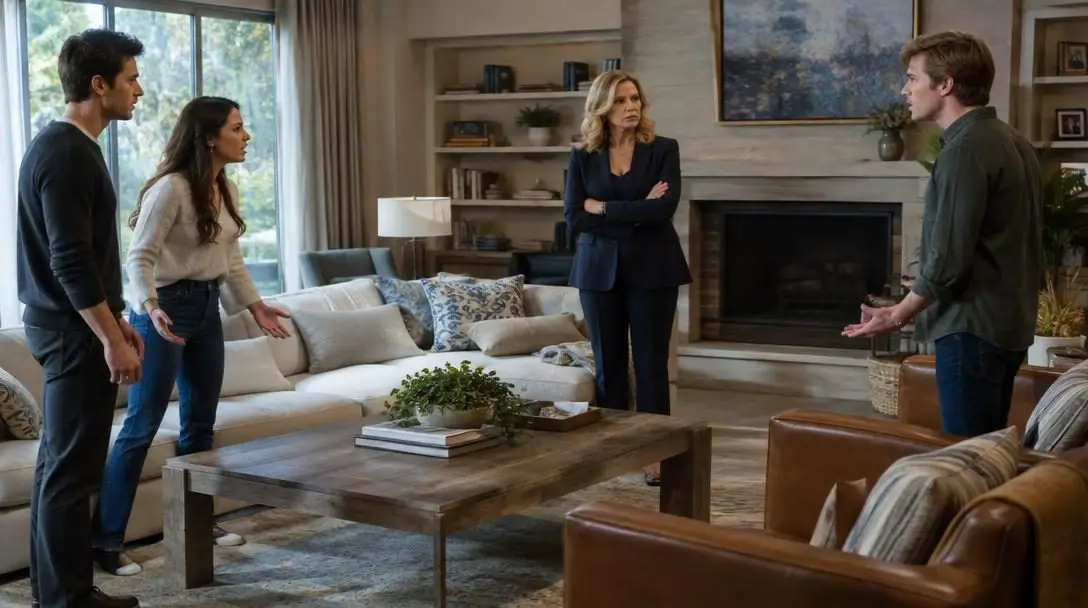
For generations, soap operas have served as the bedrock of serialized television drama, captivating audiences with daily installments of heightened romance, bitter family feuds, and tangled paternity disputes. While typical daytime conflicts revolve around love triangles, contested inheritances, and courtroom confrontations, running five episodes every week across thousands of broadcast hours presents a monumental creative challenge. Sooner or later, writing teams burn through conventional relationship drama, forcing them to find drastic ways to capture viewers during competitive sweeps periods.
To break through the television noise and shake up stagnant ratings, daytime and primetime soaps have periodically abandoned grounded realism entirely. In their pursuit of shocking hooks and watercooler conversations, long-running productions have embraced supernatural monsters, impossible identity twists, talking pets, and reality-erasing retcons. Looking back at broadcast history highlights five specific soap plotlines where the boundaries of credulity were completely shattered.
Key takeaways
- Daytime and primetime soap operas occasionally venture into supernatural, camp, or surreal territory to solve creative fatigue and spike viewer ratings.
- Iconic missteps range from bloodsuckers invading Port Charles to reanimated corpses haunting Salem on Halloween.
- Convoluted parentage twists and bizarre talking animal devices have alienated viewers by subverting established emotional stakes.
- Contract negotiations and actor departures have prompted infamous narrative resets, most notably the season-long dream erasure on Dallas.
Bizarre and unrealistic storylines that baffled viewers
While audiences tune into serials expecting high melodrama, certain creative decisions cross the threshold from engaging escapism into utter bewilderment. Here are five of the most outlandish plotlines aired by major network dramas, ranked among television's most surreal creative departures.
General Hospital: Vampires in Port Charles
- Show: General Hospital
- Year Introduced: 2013
- Key Characters: Lucy Coe, Heather Webber
- Head Writer: Ron Carlivati
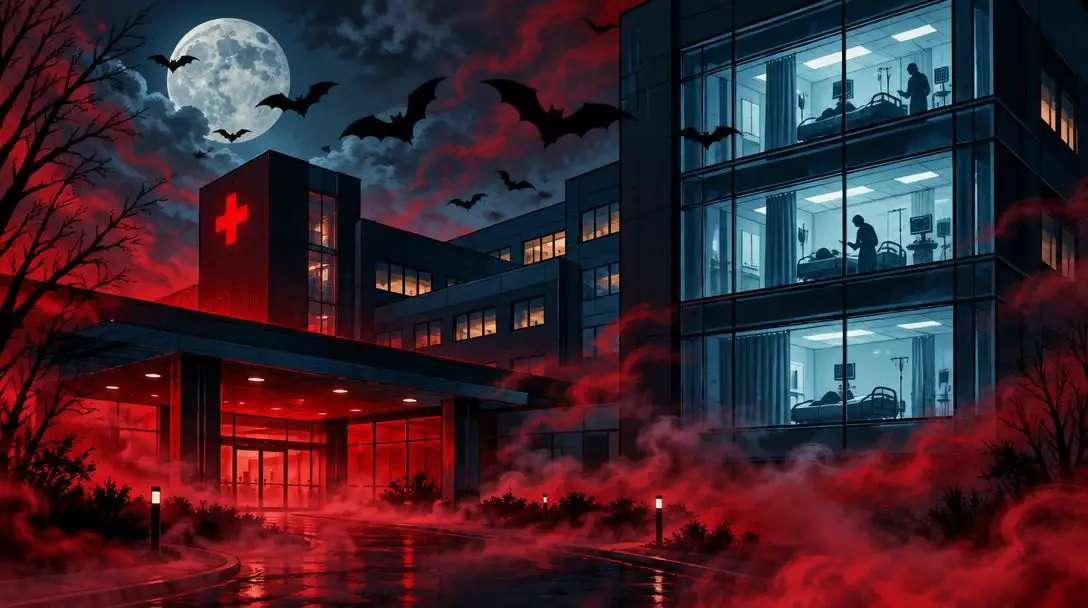
For half a century, General Hospital operated as a relatively grounded medical and mob-centric daytime serial. While the residents of Port Charles frequently endured bizarre mob wars, secret islands, and weather-controlling freeze rays, the show retained a basic human framework. That changed drastically in 2013 when the production introduced an overt vampire storyline, leaning directly into supernatural elements that divided loyal viewers.
Head writer Ron Carlivati publicly acknowledged the absurdity of introducing vampires into the daytime institution while simultaneously defending the creative direction. Carlivati noted that although the premise was intentionally over-the-top, it remained anchored to character dynamics. He argued that long-time character Lucy Coe was eccentric, yet not completely detached from reality like villain Heather Webber, meaning her earnest belief in the presence of bloodsuckers could drive an entertaining narrative. The plot coincided with the massive cultural wave surrounding the Twilight series, prompting some viewers to embrace the spooky camp while others saw it as an unwelcome departure from the show's core identity.
Days of Our Lives: Reanimated Zombies
- Show: Days of Our Lives
- Context: Halloween special arc
- Resurrected Characters: Nick Fallon, Charlie Dale, Deimos Kiriakis
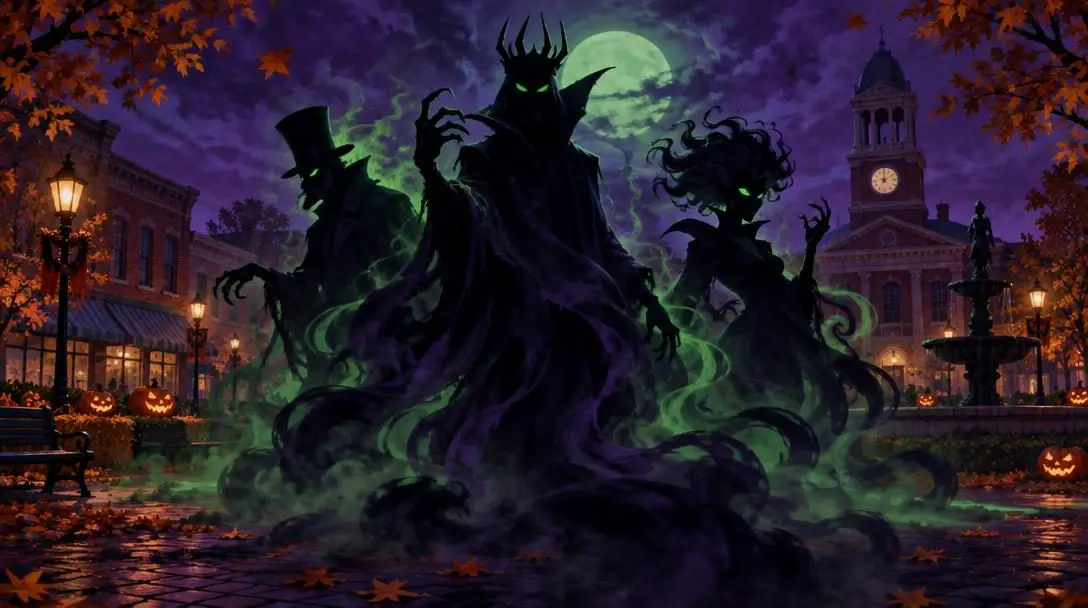
Vampires are not the only supernatural creatures to invade daytime television. Days of Our Lives, an institution known for pushing boundaries with possessed heroines and demonic interventions, took an overtly horrific detour by bringing the dead back to life as literal reanimated zombies. The story arc centered around a seasonal Halloween framing, yet it forced viewers to watch detestable past villains roam the familiar streets of Salem.
The undead invasion brought back deceased antagonists Nick Fallon, Charlie Dale, and Deimos Kiriakis to terrorize their surviving enemies. The resulting episodes produced instantly memorable, unintentionally humorous television dialogue. When confronted with the flesh-and-blood zombie incarnation of actor Mike Manning's character, one resident famously uttered the disbelief-ridden line, "You can't be here, your dead." While timed specifically for the holiday, the literal reanimation of corpses remains one of the show's most bizarre spectacles.

Passions: The Vincent and Valerie Arc

- Show: Passions
- Central Figure: Vincent Clarkson / Valerie Davis
- Major Tropes: Secret alter egos, incestuous seduction, biological impossibilities
Throughout its broadcast run, Passions earned a distinct reputation for indulging in unapologetic absurdity, including resident witches, magical spells, and living ventriloquist dolls. Even within that heightened universe, the long-running storyline involving Vincent Clarkson stood out as one of the most convoluted and controversial narrative arcs in television history.
The arc saw Vincent take on the alternate persona of Valerie Davis, creating a deeply confusing representation of intersex and transgender identity. The narrative revealed that Vincent possessed the anatomical capability to carry a pregnancy, which the character utilized as Valerie to seduce their own biological father and conceive a child. Despite the sensitive subject matter and significant criticism regarding its execution, the storyline was notably embraced by a segment of viewers and critics who appreciated its sheer audacity. However, it remains a quintessential example of soap opera excess spiraling beyond logical constraints.
One Life to Live: The Talking Shih Tzu
- Show: One Life to Live
- Characters Involved: Tina Lord, Liam, David the Shih Tzu
- Plot Resolution: Infant paternity reveal
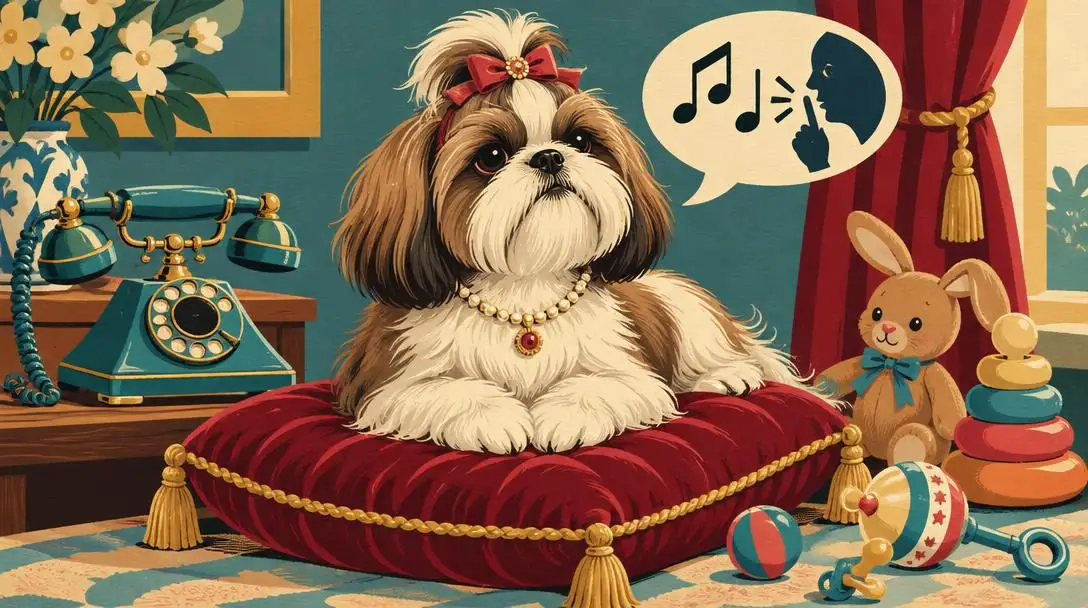
ABC's One Life to Live was never entirely immune to peculiar conceits, having previously sent its characters through time-travel portals to the nineteenth-century Old West. Yet near the end of its broadcast run, the show embraced a trope typically reserved for animated satires like The Simpsons or Family Guy: an articulate, talking dog.
The story centered around Tina Lord and her pet Shih Tzu, named David. David did not simply bark playfully; he began verbally communicating with Tina and an infant toddler named Liam. Rather than using the talking animal device for simple comedic relief or moral fables, the writers used the Shih Tzu as an expositional tool to break a major narrative mystery. David the dog communicated the true biological identity of toddler Liam's father, solving a central daytime melodrama through canine dialogue and leaving long-term fans utterly flabbergasted.
Dallas: The Entire Season Dream Reset
- Show: Dallas
- Central Character: Bobby Ewing
- Key Actor: Patrick Duffy
- Plot Device: Single-season dream sequence
While daytime serials are notorious for eccentric turns, primetime soaps have executed some of the most frustrating narrative tricks in television history. The most notorious instance occurred on the blockbuster drama Dallas, following the departure and subsequent return of star Patrick Duffy as Bobby Ewing.
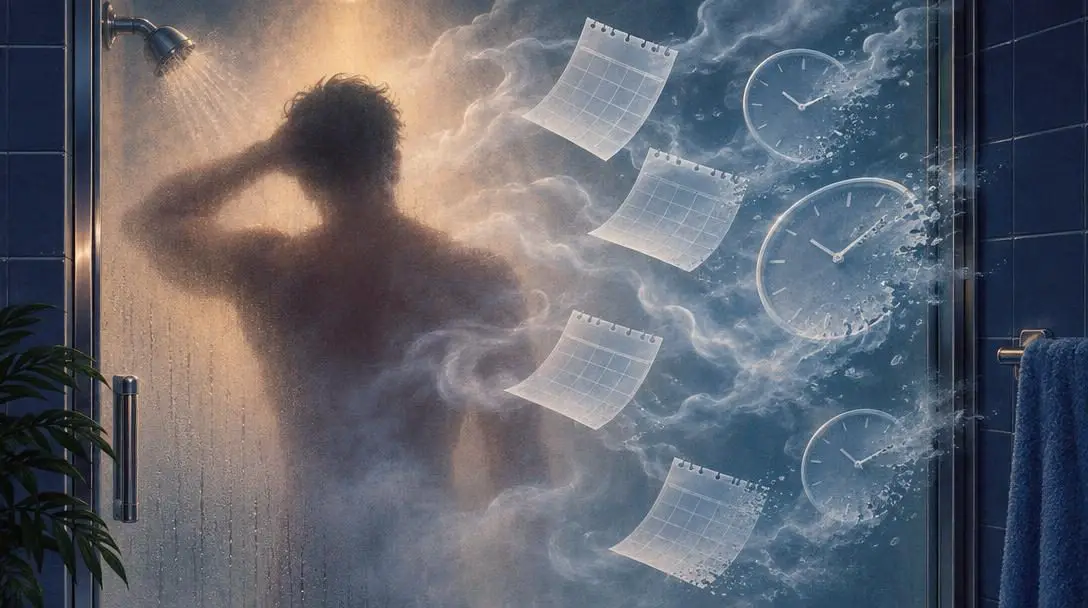
When Duffy decided to leave the show, the creative team crafted an elaborate, emotionally devastating sendoff in which Bobby was struck by a car and died at the hospital. An entire subsequent season focused on the grief, family power shifts, and legal fallout following his tragic passing. However, when Duffy negotiated his return to the production for the next season, the writers faced an impossible dilemma. Their solution was to reveal Bobby casually showering, explaining away an entire year of high-stakes corporate warfare, deaths, and marriages as a single bad dream experienced by Pamela Ewing. The move wiped out months of audience emotional investment and cemented the "shower scene" as the ultimate serialized narrative cop-out.

Dismissing months of storytelling as an illusion destroys the viewer pact by proving their emotional investment did not matter.
At a glance: comparing the most unrealistic storylines
Every major soap relies on different creative shortcuts when attempting to jolt its audience. The following comparison highlights how these five storylines handled genre conventions, underlying motivations, and the resulting narrative consequences.
| Show | Outlandish Element | Key Characters Involved | Core Motivation | Audience Reaction |
|---|---|---|---|---|
| General Hospital | Vampires in Port Charles | Lucy Coe, Heather Webber | Capitalizing on contemporary vampire trends | Polarizing mix of fan amusement and deep frustration |
| Days of Our Lives | Reanimated undead corpses | Nick Fallon, Charlie Dale, Deimos Kiriakis | Halloween sweeps entertainment | Meme-worthy dialogue and camp novelty |
| Passions | Intersex seduction and pregnancy | Vincent Clarkson, Valerie Davis | Taboo escalation and identity intrigue | High critical discussion alongside heavy criticism |
| One Life to Live | Canine dialogue revealing paternity | Tina Lord, Liam, David (Shih Tzu) | Eccentric resolution to family mystery | Widespread confusion among long-term viewers |
| Dallas | Season-long dream reset | Bobby Ewing, Pamela Ewing | Accommodating cast contract negotiations | Enduring outrage over wasted viewing time |
The narrative mechanics behind soap opera escalation
To understand why seasoned writing rooms approve such bizarre premises, one must consider the operational pressure cooker of ongoing serial production. Daytime dramas deliver approximately two hundred and fifty original episodes every year, whereas standard primetime scripted programs produce anywhere from eight to twenty-two installments. Writers must sustain engagement across hundreds of hours without seasonal hiatuses to replenish their ideas.
This relentless pace encourages specific narrative tactics:
- The cliffhanger imperative: Serials rely on end-of-episode hooks to ensure viewers tune in the next afternoon. As ordinary romantic misunderstandings become routine, cliffhangers escalate toward life-or-death scenarios and supernatural events.
- Balancing camp with emotional grounding: Writers often attempt to anchor impossible events through reliable, familiar character personalities. If a trusted protagonist treats an absurd circumstance with absolute gravity, the creative team hopes the audience's suspension of disbelief will hold.
- Contract-driven retcons: When actors quit, die, or change their minds about departing, narrative continuity takes a back seat to logistics. Extreme resets allow producers to rehire fan-favorite performers without being constrained by past continuity.
Developing high-concept twists without alienating audiences
Writers working across serialized mediums can push boundaries and embrace bold concepts without sacrificing emotional integrity. When executing extreme twists or high-concept turns, following a structured creative process helps preserve narrative continuity.
- Establish universe rules early: Lay the groundwork for extraordinary events well in advance. Introducing elements like the supernatural requires a gradual introduction so foreign concepts do not break the world's internal logic.
- Anchor absurdity in character psychology: Even if a character talks to a pet or suspects their neighbor is an undead creature, their psychological reactions must remain authentic to who they are.
- Avoid invalidating viewer investment: Structural twists should build upon past events rather than erasing them. Concluding long-running arcs with dreams or hallucinations devalues the audience's time.
- Approach complex identities with rigorous care: Outlandish identity revelations must be handled with empathy and research to avoid turning sensitive personal topics into exploitative spectacle.
- Use contained thematic framing: If an arc departs wildly from baseline reality, framing it through a holiday special, fantasy vignette, or standalone framework keeps the core canon intact.
Common storytelling mistakes in long-running serials
When productions scramble for immediate shock value, they frequently make missteps that erode viewer loyalty. Keeping serialized fiction engaging requires steering clear of several common traps:
- The total narrative reset: Wiping away an entire run of episodes as a dream or hallucination tells viewers that paying attention carries no emotional reward.
- Chasing external cultural fads: Injecting outside pop culture trends into an established universe—such as sudden vampire lore during a teen fantasy craze—often feels hollow and inorganic.
- Deus ex machina resolutions: Solving complex interpersonal dilemmas with talking animals, sudden amnesia, or miraculous gadgets undermines character agency.
- Tone whiplash: Forcing sudden horror tropes into a grounded relationship drama can alienate core fans who tuned in for emotional intimacy rather than macabre spectacle.
- Discarding decades of established lore: Long-term fans retain detailed memories of character histories; ignoring foundational backstories for an easy twist destroys critical trust.
Frequently asked questions
Why did Dallas decide to erase an entire season as a dream?
Actor Patrick Duffy had originally chosen to leave the show, prompting writers to kill off Bobby Ewing. When Duffy agreed to return for the following season, producers used Pamela Ewing's dream to resurrect Bobby and resume the character's central storyline.
Did General Hospital permanently keep vampires as part of its universe?
While the 2013 vampire storyline involving Lucy Coe made a high-profile splash during the peak of cultural vampire popularity, the show gradually shifted back toward its traditional mix of medical emergencies, family romance, and organized crime drama.
Which characters returned as reanimated corpses on Days of Our Lives?
The Halloween zombie storyline featured the resurrected corpses of past villains Nick Fallon, Charlie Dale, and Deimos Kiriakis returning to haunt the living residents of Salem.
How did the dog communicate in One Life to Live?
Tina Lord's Shih Tzu, named David, verbally communicated directly with both Tina and toddler Liam, eventually speaking out loud to reveal the identity of the child's true biological father.
The bottom line
Soap operas occupy a unique space in television culture, balancing sincere melodrama with uninhibited theatrical camp. While storylines featuring talking dogs, waking zombies, and year-long dream sequences stretch credulity past its breaking point, they also represent an audacious form of broadcast storytelling. The ongoing challenge for any daily serial is striking the balance between shock value and authentic human drama. When that balance falters, television history inherits unforgettable spectacles that fans continue to dissect for decades.