5 Ways Robotics Could Impact Society
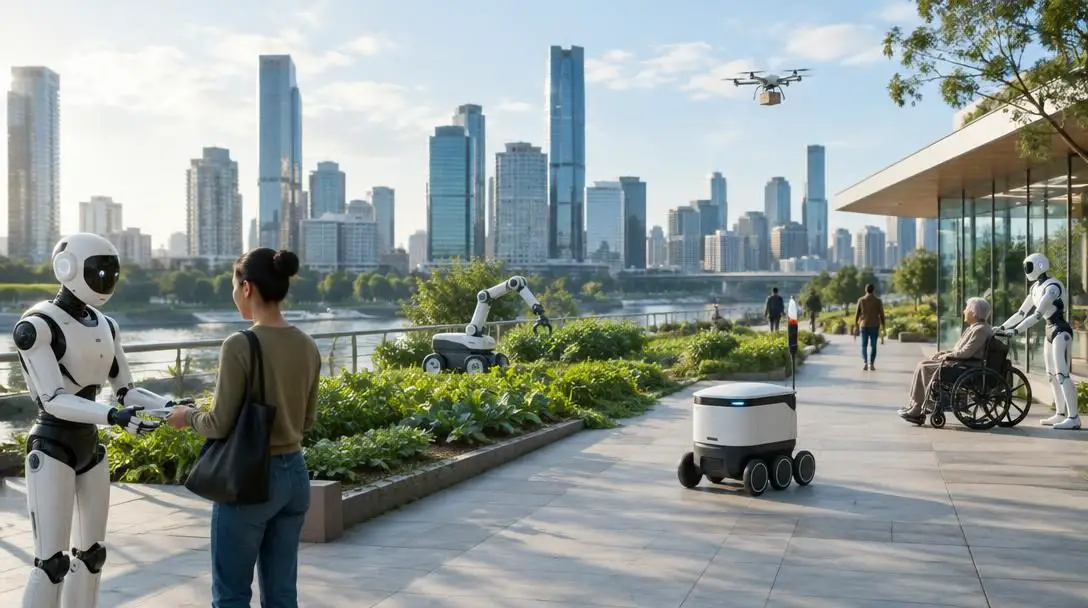
Robotics has emerged as a transformative discipline capable of reshaping the foundations of daily life, commerce, and civic institutions. Over past decades, mechanical engineering and computing advances have elevated automated equipment from crude, repetitive instruments into sophisticated systems capable of executing intricate maneuvers. Today, robotics is expanding rapidly beyond isolated manufacturing cells into sensitive human environments, including healthcare facilities, educational settings, and emergency disaster zones.
Because modern robots operate with unprecedented speed, precision, and operational versatility, their integration brings substantial efficiency gains alongside critical economic, ethical, and social questions. Navigating this profound transition requires understanding both the practical applications of autonomous technology and the systemic safeguards required to ensure machines serve human welfare.
Key takeaways
- Robotics enhances speed and precision across manufacturing, healthcare, education, and public safety while lowering operating costs.
- Widespread automation threatens routine manual jobs but simultaneously creates demand for technical roles like robot maintenance, programming, and oversight.
- Robots deployed in surgical suites, elder care, and classrooms improve access and personalization but introduce risks regarding data privacy and the loss of interpersonal empathy.
- Autonomous and semi-autonomous systems rely on a continuous operational loop of sensory perception, algorithmic computation, and mechanical actuation.
- Sustainable adoption requires thorough impact assessments, workforce reskilling initiatives, strict data governance, and meaningful human oversight.
The 5 Core Areas of Societal Impact
Robotic technologies are fundamentally altering how tasks are performed across industrial, professional, and civic sectors. Examining the core areas where these tools are deployed illustrates both the practical benefits gained and the social frictions that accompany technological transition.
Increased Efficiency in Manufacturing and Production
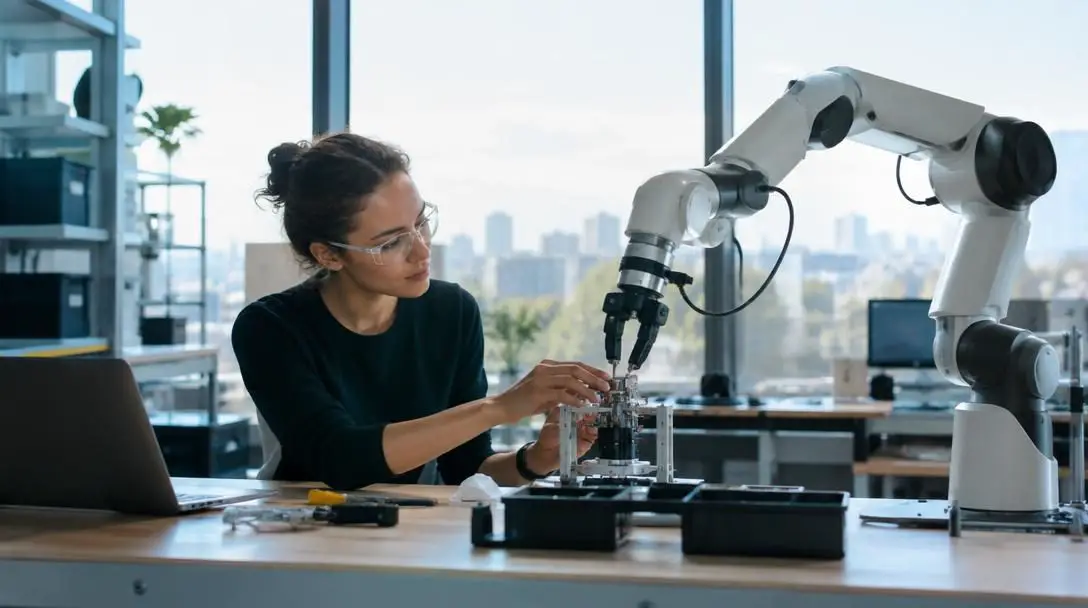
In manufacturing and industrial production, robotics delivers immediate and measurable advantages in output and quality control. As automated machinery grows more sophisticated, robots perform complex physical actions with significantly higher speed and accuracy than human personnel. This elevated standard of execution drives greater overall productivity, tightens quality margins, reduces manufacturing defects, and curbs operational costs for enterprises facing intense global competition.
However, this industrial transformation exerts profound pressure on labor markets. The growing prevalence of industrial robots introduces an inherent risk of job displacement for workers whose roles center on routine, repetitive manual tasks. While certain positions are phased out, automation also spurs the creation of new employment opportunities within technical domains. Sustaining automated environments creates vital demand for skilled personnel who handle robot programming, routine mechanical maintenance, and broader system oversight.
Improved Healthcare and Medical Treatment
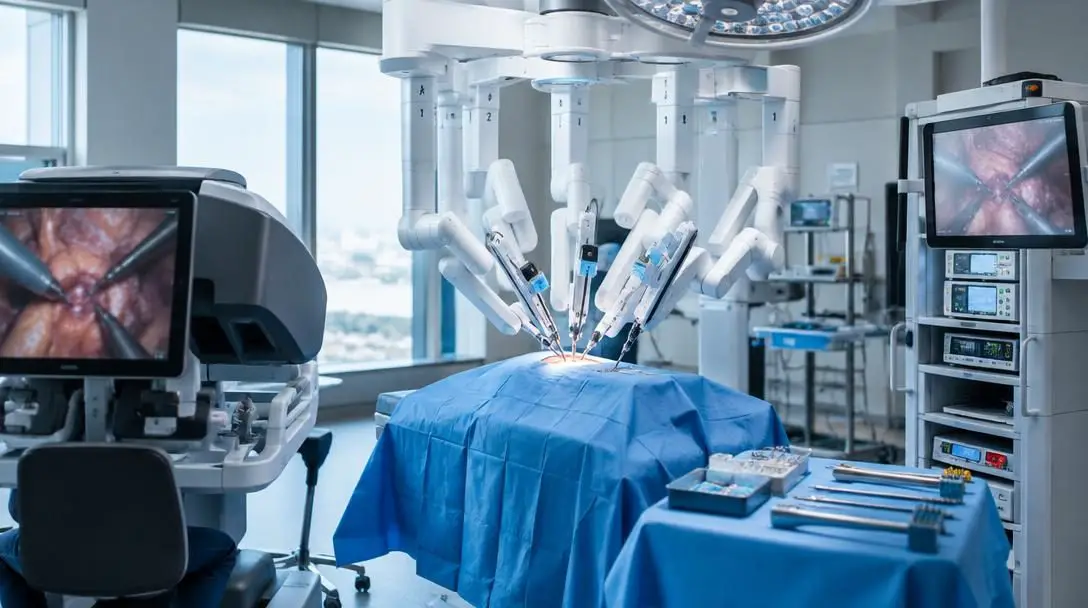
Modern robotics is revolutionizing clinical medicine through high-precision interventions and direct bedside support. In operating theaters, specialized surgical robots allow surgeons to perform minimally invasive procedures with elevated control, dexterity, and steady visualization. By operating through tiny incisions with mechanized instruments, these systems minimize trauma to surrounding tissue, reduce patient recovery times, and optimize clinical outcomes.
Beyond surgery, robotic platforms assist in routine patient care and physical therapy. Mobile and articulated robots assist individuals dealing with severe mobility challenges, aiding in physical transfers and rehabilitation exercises. In geriatric care, robotic companions help address social isolation among elderly patients. Nevertheless, replacing human caregivers with automated devices raises critical ethical dilemmas, particularly when tasks requiring interpersonal empathy, bedside intuition, and genuine emotional connection are delegated to machines.
Enhanced Education and Learning
Educational institutions are integrating robotics to enrich instructional delivery and introduce customized pacing for diverse student bodies. In classroom environments, robots serve as versatile educational platforms that teach foundational computer programming, mechanical logic, and problem-solving strategies. Interactive educational robots provide immediate, objective feedback on exercises, keeping learners engaged through tactile, responsive participation.
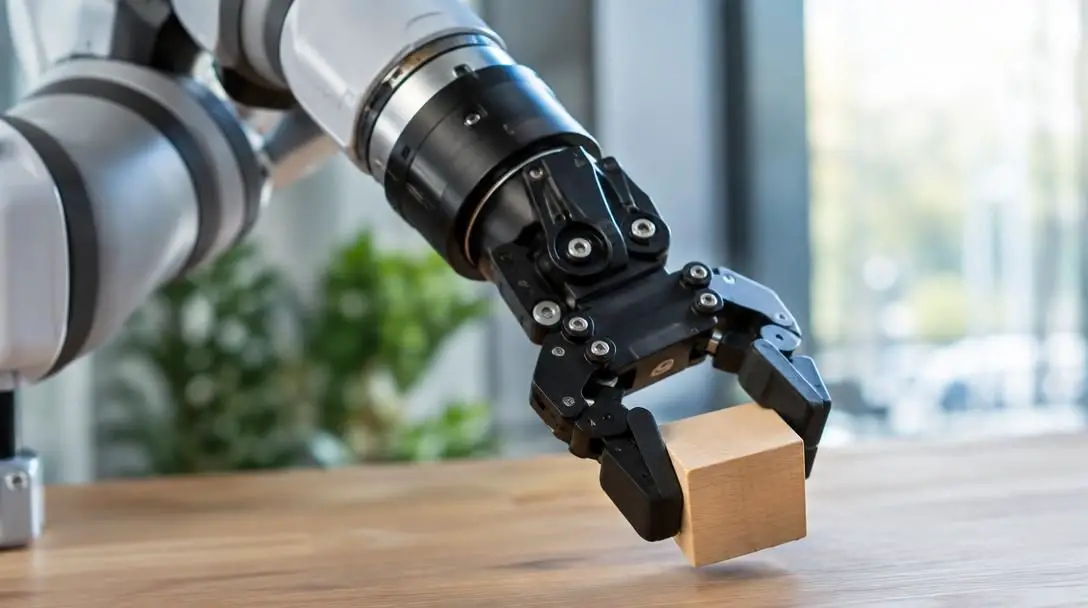
Robotic instructional aids expand access to quality learning resources and enable differentiated instruction that matches an individual student's developmental pace. Yet the growing presence of educational robotics generates concern regarding the displacement of human instructors. Because education relies on mentorship, emotional support, and collaborative social development, robotic systems must function strictly as supportive instructional supplements rather than substitutes for certified teachers.
Increased Safety and Security
Public safety, infrastructure defense, and emergency response represent domains where robotics directly mitigates physical danger to human life. Robotic platforms are regularly tasked with environmental monitoring, persistent site surveillance, and hazardous reconnaissance. In public venues, automated systems scan for and identify potential hazards and security threats before human law enforcement or civilian bystanders are put in harm's way.
During natural disasters or industrial catastrophes, robots navigate collapsed buildings, toxic chemical spills, and unstable debris fields to execute search-and-rescue missions. These deployments accelerate emergency response timelines and shield human first responders from extreme physical hazards. At the same time, expanding robotics into safety sectors triggers public alarm over invasive civil surveillance and the potential weaponization of autonomous systems in military applications.
Ethical and Social Implications
The widespread integration of autonomous machines presents structural challenges that extend far beyond technical efficiency. From an economic perspective, unmanaged job displacement caused by automation can spur localized unemployment, exacerbate wage inequalities, and generate community-level instability if workforce transitions are not proactively coordinated by industry and civic leaders.
Data privacy represents another pressing vulnerability. Because modern robots depend on extensive sensory arrays—including cameras, spatial lidar, and environmental detectors—they gather immense volumes of data regarding private spaces, behaviors, and personal routines. Unregulated data collection poses severe risks to individual privacy. Furthermore, granting robots greater autonomous decision-making power creates potential conflicts with personal autonomy and legal accountability, requiring transparent standards for algorithmic behavior.
Balancing productivity gains against social responsibilities will determine whether robotics fosters broader economic prosperity or exacerbates societal divides.
Evaluating Core Robotic Impacts at a Glance
Comparing the operational scope, benefits, and societal hazards across primary deployment sectors clarifies where policy interventions and engineering safeguards are most urgently required.
| Impact Domain | Primary Applications | Operational Advantages | Key Societal Risks |
|---|---|---|---|
| Manufacturing and Production | Assembly lines, complex machining, repetitive fabrication | Higher throughput, lower production defects, reduced operational expenses | Displacement of routine manual laborers, regional economic disruption |
| Healthcare and Medicine | Minimally invasive surgery, patient mobility, companionship | Reduced physical tissue trauma, accelerated recovery, enhanced therapy access | Erosion of empathetic human caregiving, high technical adoption hurdles |
| Education and Learning | Coding platforms, interactive tutoring, adaptive instruction | Higher student engagement, immediate feedback, individualized learning paces | Potential substitution of certified teachers, loss of social mentorship |
| Safety and Security | Hazardous reconnaissance, surveillance, disaster search and rescue | Rapid emergency response, reduced danger to first responders | Intrusive public surveillance, threat of weaponization and misuse |
| Ethics and Society | Algorithmic decision-making, spatial data logging, labor coordination | Systemic consistency, automated operational tracking | Compromised individual privacy, legal liability gaps, loss of human autonomy |
How Modern Robotic Systems Operate
Robotic platforms succeed across diverse settings because of a coordinated hardware-software loop. Rather than functioning as static machines, autonomous systems continuously interact with dynamic, unpredictable surroundings through four core processes.
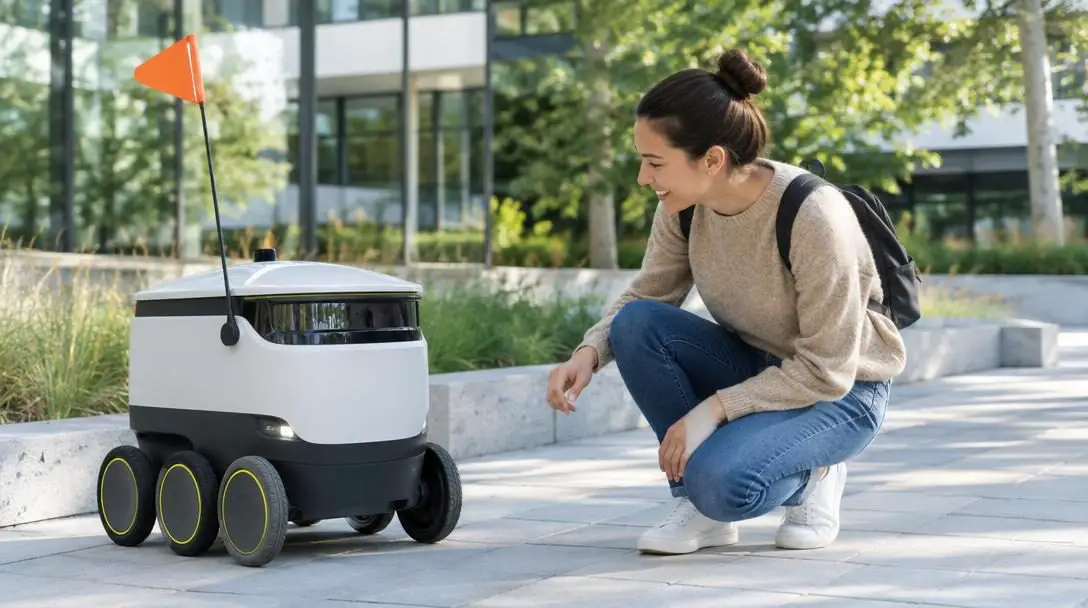
- Sensory Input and Perception: A robot scans its immediate physical environment using specialized sensor payloads, including optical digital cameras, acoustic microphones, depth detectors, and tactile pressure sensors. This continuous stream of raw environmental feedback enables the machine to identify physical barriers, construct spatial maps, and monitor environmental fluctuations.
- Control Systems and Computation: The collected sensor data flows directly to onboard processing units governed by dedicated software algorithms. These computational units interpret sensory signals, calculate spatial coordinates, evaluate navigational goals, and formulate precise motion paths in real time.
- Mechanical Actuation: Once the central computing system determines an operational course, it issues electronic instructions to physical actuators, servomotors, and hydraulic linkages. These mechanisms translate digital directives into physical mechanical force, allowing the machine to grasp delicate surgical tools, move industrial parts, or maneuver through disaster rubble.
- Data Storage and Connectivity: Most current robotic systems maintain continuous network connectivity to transmit operational telemetry, download firmware upgrades, and log diagnostic status. This pipeline allows organizations to aggregate sensory data into central servers, track performance metrics, and refine operational software over time.
Practical Steps for Responsible Implementation
Integrating robotic systems safely requires organizations to look beyond short-term hardware capabilities. Leaders must establish deliberate deployment methodologies that safeguard worker welfare, customer privacy, and operational integrity.
- Conduct a Thorough Needs and Impact Assessment: Define the exact operational problem requiring automation. Evaluate whether introducing robotics will demonstrably enhance physical safety, reduce operational bottlenecks, or improve quality, while projecting the specific changes human personnel will encounter.
- Prioritize Workforce Transition and Reskilling: Establish structured retraining programs before deploying machinery. Offer current workers clear pathways to transition into technical specialties such as robot operation, diagnostic troubleshooting, system programming, and preventative maintenance.
- Establish Rigorous Data Security and Privacy Protocols: Formulate explicit institutional policies covering all sensory data captured by robotic hardware. Encrypt data streams, restrict database access through role-based permissions, and define strict data retention windows to protect individuals in private or public spaces.
- Maintain Meaningful Human Oversight: Integrate human checkpoints into robotic operational loops, especially in clinical healthcare, educational evaluations, and public safety enforcement. High-consequence decisions impacting human health and fundamental legal rights must remain under human discretion.
- Implement Phased Rollouts with Continuous Testing: Introduce automated equipment via limited pilot programs. Use these trial periods to test hardware reliability, solicit candid feedback from frontline operators, and correct unexpected operational friction before expanding deployment across an entire enterprise.
Common Pitfalls in Robotic Adoption
Organizations moving rapidly toward automation frequently make critical miscalculations that diminish productivity, waste capital, and alienate workforces. Avoiding standard adoption errors ensures sustainable technology integration.
- Overlooking the Human Factor: Treating robotic rollouts strictly as engineering upgrades while ignoring employee sentiment creates friction. Failing to consult workers breeds organizational resistance, increases anxiety regarding job security, and depresses workplace morale.
- Assuming Full Autonomy Equals Superior Performance: Removing human oversight under the assumption that automated logic is flawless invites catastrophic failures. Robots lack human contextual judgment, common sense, and empathy, making complete autonomy dangerous in unstructured, high-stakes environments.
- Neglecting Maintenance and Infrastructure Demands: Budgeting solely for initial hardware acquisition while ignoring long-term maintenance costs results in broken equipment and extended downtime. Facilities must account for spare parts, software maintenance, and specialized support staff.
- Failing to Address Ethical and Autonomy Risks Early: Postponing governance policies until after machines are operational creates critical liabilities. Privacy standards, data security boundaries, and accountability protocols must be codified prior to live operations.
- Treating Automation as a One-Size-Fits-All Solution: Deploying robotics merely for novelty rather than addressing a proven operational inefficiency squanders capital. Simple manual processes should not be overcomplicated with expensive, high-maintenance machinery.
Strategic Considerations for the Future of Automation
As robotic platforms become more versatile and affordable, their footprint across society will expand. Navigating this evolution requires forward-thinking collaboration among educators, lawmakers, and corporate leaders to protect public well-being.
First, national education systems and vocational centers must align training curricula with the realities of an automated economy. As routine manual assembly diminishes, instructional programs must focus on teaching robot maintenance, software coding, and systems engineering. Preparing students and mid-career professionals for technical maintenance and oversight will alleviate localized unemployment and supply industry with essential technical talent.
Second, legal authorities must establish modern regulatory guidelines that define liability and operational boundaries. Clear statutory rules are needed to determine accountability when an autonomous system malfunctions, causes personal injury, or damages property. Similarly, legal frameworks must strictly define how automated security systems can monitor public spaces, preventing unlawful digital surveillance and unauthorized military misuse.
Finally, enterprises must recognize that sustainable technology adoption requires balancing commercial productivity with civic responsibility. Embracing transparent deployment practices, funding employee reskilling programs, and maintaining human control over critical decisions ensures that robotics elevates human potential rather than marginalizing human workers.
Frequently asked questions
Will the rise of robotics eliminate all manufacturing jobs?
No. While industrial robots displace human workers performing repetitive manual tasks, they simultaneously generate demand for specialized technical roles. Human expertise remains indispensable for robot programming, mechanical upkeep, sensor calibration, and overall operational management.
How do surgical robots improve patient outcomes?
Surgical robots allow surgeons to operate through tiny incisions with extraordinary control and mechanical precision. By reducing damage to surrounding healthy tissue, these minimally invasive procedures lead to decreased physical trauma, fewer surgical complications, and faster patient recovery times.
Why is robotic data collection a major privacy concern?
Modern robots rely on an extensive array of sensors, including cameras, microphones, and spatial mapping tools, to navigate their surroundings. In schools, hospitals, and public streets, these systems capture vast amounts of personal and behavioral data that could be vulnerable to security leaks or invasive surveillance if unregulated.
Can educational robots replace human teachers?
Educational robots are designed to support human teachers, not replace them. While robots excel at delivering interactive coding lessons, tracking exercises, and providing immediate feedback, they lack the emotional intelligence, empathy, and social mentorship essential for comprehensive student development.
What fundamental components do robots need to operate?
Robotic systems operate through an interconnected loop comprising sensory inputs (cameras, depth sensors, lidar), computing units running algorithms, mechanical actuators (motors, joints, hydraulics) to execute physical movement, and data connectivity infrastructure for remote monitoring and software updates.
The bottom line
Robotics offers undeniable advantages, from lowering industrial production costs and refining surgical precision to protecting human first responders in disaster zones. Yet realizing these societal benefits requires active management of the accompanying disruption. By addressing workforce displacement through robust reskilling initiatives, enforcing strict data privacy standards, and preserving human oversight over critical decisions, society can harness the power of robotics to build a safer, more productive future.