5 Ways To Help Your Car Last Longer And Break Down Less

A vehicle is one of the most substantial financial investments most people will ever make. Whether you drive a brand-new model fresh off the dealership floor or a dependable pre-owned commuter car, your automobile delivers vital everyday personal freedom and financial value. Looking after your vehicle not only guarantees reliable transportation wherever your travels take you, but also protects your car's long-term resale and trade-in value while dramatically extending its overall operational lifespan.
Modern passenger cars are intricate mechanical and electrical systems constructed from thousands of precision components operating in continuous harmony. Over thousands of miles, operating heat, physical friction, chemical degradation, and general road stress steadily wear down vital assemblies. When routine maintenance tasks are ignored, this wear accelerates, turning minor, affordable adjustments into catastrophic mechanical breakdowns. Practicing proactive vehicle care keeps your car running at peak performance and keeps you off the side of the road.
Key takeaways
- Proactive vehicle maintenance prevents minor mechanical wear from escalating into severe, expensive breakdowns.
- Consulting your owner's manual reveals exact fluid specifications, maintenance intervals, and optimal operating habits.
- Routine fluid and filter replacements protect vital systems against friction, heat buildup, and foreign particulate damage.
- Replacing brake pads before they wear thin protects expensive metal rotors and ensures safe stopping power.
- Operating the air conditioner periodically during colder seasons keeps internal compressor seals lubricated and prevents refrigerant leaks.
How Modern Vehicle Systems Work in Harmony
To understand why routine maintenance is essential, it helps to understand how an automobile's primary assemblies interact during an ordinary commute. A vehicle relies on interconnected networks governed by hydraulic pressure, friction control, chemical cooling, and clean air intake. When any one of these networks fails, surrounding assemblies inevitably absorb extra stress.
At the center of any traditional automobile sits the internal combustion engine. Inside, metal components slide and rotate past each other at thousands of revolutions per minute under blistering internal temperatures. Engine oil generates a microscopic protective barrier across these moving metal surfaces. This critical oil film minimizes metal-on-metal friction, carries away intense localized heat, and keeps damaging soot suspended until it can be captured.
Beyond the engine block, specialized fluids perform vital hydraulic and cooling duties throughout the chassis. Transmission fluid cools internal components and allows gears to shift smoothly without harsh grinding. Power steering fluid supplies the hydraulic force needed to turn the front wheels effortlessly, while brake fluid conveys the physical pressure of your foot directly to the calipers at each wheel hub.
The vehicle's braking assembly uses sacrificial friction to control momentum. When you push the pedal, hydraulic lines squeeze the brake pads tightly against the spinning metal rotors. The friction compound on the pads wears down gradually by design, protecting the underlying metal rotors while bringing thousands of pounds of vehicle safely to a complete halt.
Taking care of an automobile is an ongoing commitment to preventative care rather than a reactive chore when something breaks.
Simultaneously, filtration systems protect these mechanical loops from premature degradation. Engines consume thousands of cubic feet of air to ignite fuel efficiently. The intake air filter traps airborne dirt, road dust, and grit before they enter the cylinders, while the oil filter traps metallic particles and carbon deposits to keep circulating lubricants clean. Even the climate control system operates as an intricate, pressurized loop where circulating refrigerant transports specialized lubricants across rubber seals and hoses, keeping the compressor components airtight and fully operational.
5 Core Ways to Make Your Car Last Longer
You do not need professional mechanical training to keep your automobile in prime condition. By incorporating five core maintenance habits into your ownership routine, you can prevent premature part failures and extend your vehicle's working lifespan by years.
Read the Owner's Manual
The manufacturer's owner's manual is the single most valuable, underutilized resource included with your vehicle. Many drivers leave it sealed in the glove box, missing out on crucial operating instructions engineered specifically for their vehicle's make, model, and engine configuration.
You do not need to read the manual cover to cover in one evening. Instead, focus on the maintenance section, which outlines recommended inspection milestones, factory fluid capacities, correct tire inflation pressures, and service intervals. Reviewing this guide also uncovers hidden convenience settings and specific operational recommendations that make your day-to-day driving safer and more comfortable.
Never Miss an Oil Change
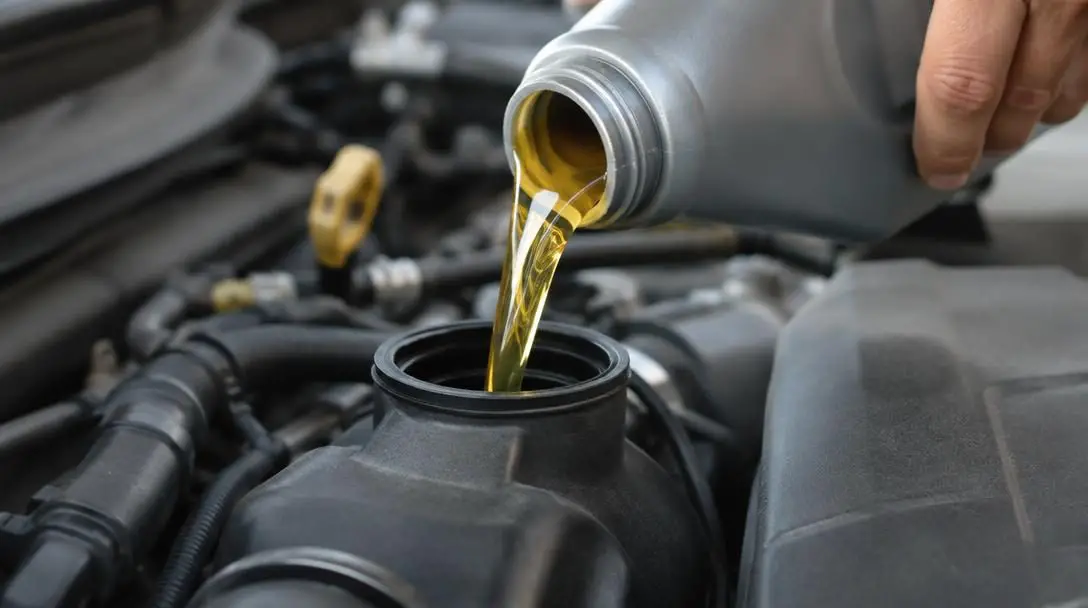
Engine oil is the lifeblood of your vehicle. Over time and repeated heat cycles, motor oil inevitably degrades, losing its initial viscosity and accumulating soot, fuel residues, and micro-debris. When oil breaks down, moving parts suffer direct metal-to-metal contact, leading to severe friction, overheating, and catastrophic engine failure.
Staying on top of your oil changes also presents an ideal opportunity to review the vehicle's other operational fluids. A comprehensive service visit should include inspections of your transmission fluid, power steering fluid, and brake fluid. Combining these fluid inspections with your scheduled oil change ensures that minor leaks or fluid contamination are discovered before they trigger expensive mechanical damage.
Replace Brake Pads When It's Time
Brake pads wear down naturally through ordinary driving, and they must be replaced before their friction lining is exhausted. The lifespan of your brake pads depends heavily on your driving habits, local terrain, typical traffic density, and the quality of the friction material itself. Stop-and-go city traffic, heavy hauling, and steep downhill descents wear down pads much faster than steady highway cruising.
Modern vehicles frequently feature an illuminated dashboard indicator to signal brake wear. However, your ears and physical senses often provide the earliest warning signs. Listen for a high-pitched squealing sound when applying the brakes. If that warning is ignored, you may eventually hear a harsh, metallic grinding noise or feel a pulsing vibration through the brake pedal and steering wheel. Replace thin pads immediately to preserve the smooth metal rotors and keep your stopping distances safe.
Change Filters as Needed
Your vehicle relies on a network of dedicated filters to keep contaminants away from sensitive internal systems. The engine air filter stops ambient road grit and pollen from reaching the combustion chambers, while the oil filter strains circulating debris out of the lubrication loop. Allowing either filter to become clogged restricts vital flow, forces the engine to work significantly harder, and encourages internal abrasive wear.

Have your technician inspect these filters during regular oil changes, and replace them whenever they show noticeable buildup. Resist the urge to purchase low-grade, bargain-bin filters to save a few dollars. High-quality filters offer superior filtration media, maintaining unrestricted airflow and clean lubrication to keep your engine operating at peak efficiency.
Use Your A/C Periodically
Air conditioning systems are prone to gradual refrigerant leaks if they sit idle for long stretches of time. Inside the closed air conditioning circuit, flexible rubber hoses and mechanical compressor seals rely on oil suspended within the refrigerant to remain supple, pliable, and properly seated. When the system remains turned off throughout the fall and winter, these rubber seals dry out and shrink, allowing pressurized refrigerant gas to leak out.
To protect your climate control system, turn on the air conditioner for a few minutes once or twice a month, regardless of the outdoor temperature. Running the system circulates the internal lubricant across every gasket and hose connection, preventing dried-out seals and ensuring your cabin stays cold when summer temperatures arrive.
Core Maintenance Areas at a Glance
| Maintenance Area | Primary Function | Warning Signs or Key Risk | Recommended Service Focus |
|---|---|---|---|
| Owner's Manual | Provides manufacturer-specific service intervals and specifications | Using incorrect fluid grades; missing scheduled factory service | Consult service schedule and fluid specifications regularly |
| Engine Oil & Fluids | Lubricates moving parts, limits friction, and carries away heat | Sludge formation, metal wear, overheating, fluid discoloration | Replace oil on schedule; inspect brake, steering, and transmission fluids |
| Brake Pads | Creates controlled friction against rotors to halt the vehicle safely | Audible squealing, harsh grinding, pedal vibration, longer stopping distance | Inspect pad thickness; replace friction pads before rotors are scored |
| Air & Oil Filters | Strains soot, dust, and particulate matter out of internal circuits | Restricted airflow, dirty oil circulation, reduced fuel efficiency | Check during routine oil changes; install high-quality replacements |
| A/C System | Cools cabin air and circulates internal compressor lubricants | Dried-out rubber seals, loss of cooling performance, refrigerant leaks | Run the system periodically throughout all seasons to lubricate seals |
Setting Up a Practical Routine Maintenance Schedule
Consistency is the secret to getting hundreds of thousands of dependable miles out of any car. Rather than treating maintenance as an unexpected chore, establish an organized schedule that takes the guesswork out of ongoing vehicle ownership.
- Review the factory maintenance log: Open your owner's manual to the service schedule table. Note the exact mileage and calendar milestones specified for oil changes, fluid flushes, and filter replacements.
- Mark your personal calendar: Add recurring service reminders to your smartphone or personal calendar for oil inspections, tire rotations, and seasonal wiper blade replacements so service dates never pass unnoticed.
- Schedule bundled service appointments: When booking a standard oil change, request a comprehensive multi-point inspection. Have your technician inspect brake pad thickness, test power steering fluid, and inspect the engine air filter simultaneously.
- Conduct regular sensory checks: Pay close attention to how your car performs every day. Watch for dashboard warning indicators, feel for abnormal steering vibrations while braking, and listen for unusual squeaks, squeals, or grinding noises.
- Exercise the climate control system: Turn on your vehicle's air conditioner for a brief period at least once or twice each month, even during cold weather, to circulate internal refrigerant oil through the compressor seals.
Common Vehicle Maintenance Mistakes to Avoid
Many vehicle owners unintentionally shorten their car's lifespan through simple oversights and poor maintenance habits. Avoiding these widespread mistakes will keep your vehicle running smoothly and save you from major repair bills:
- Skipping the owner's manual: Assuming all cars use the same service schedules or fluid viscosities can cause premature component wear and void warranty coverage.
- Focusing exclusively on engine oil: Neglecting auxiliary fluids such as transmission fluid, power steering fluid, and brake fluid leaves vital mechanical assemblies unprotected.
- Postponing brake pad replacements: Driving on worn-out pads until they produce grinding sounds causes deep gouging on the metal brake rotors, dramatically increasing repair costs.
- Installing cheap or substandard filters: Cutting corners on budget air or oil filters allows abrasive grit to bypass the media, accelerating engine wear.
- Leaving the air conditioner off all winter: Failing to engage your A/C system during colder months allows rubber O-rings and compressor gaskets to dry out and leak refrigerant.
- Procrastinating on minor maintenance: Delaying minor fixes like new wiper blades, air filters, or fluid top-offs often allows small problems to snowball into complex breakdowns.
Frequently asked questions
How often should I check my vehicle's owner's manual?
You should review the manual whenever your vehicle approaches a milestone service interval, when warning lights appear, or before buying replacement fluids, wiper blades, and filters. Familiarizing yourself with the maintenance schedule early prevents missed service intervals.
What happens if I delay my scheduled oil change?
Delaying an oil change causes the lubricant to break down, lose its viscosity, and become saturated with soot and abrasive particulates. Over time, degraded oil leads to accelerated metal-on-metal wear, higher operating temperatures, and potential engine failure.
How can I tell if my brake pads need to be replaced?
The clearest warning sign is a high-pitched squealing sound when you depress the brake pedal. You may also notice steering wheel or pedal vibrations, dashboard warning lights, or a harsh metallic grinding noise if the pads have worn down to their backing plates.
Why should I run my car's air conditioning during winter?
Running your air conditioning periodically circulates lubricant mixed within the refrigerant. This lubricant coats internal rubber seals and hoses, keeping them pliable and preventing refrigerant leaks when the system is needed in warmer weather.
Is it worth spending extra money on high-quality filters?
Yes. Premium air and oil filters use superior filtration media that trap fine contaminants without restricting critical airflow or oil circulation. Substandard filters can let abrasive dust and grit pass into sensitive engine components.
The Bottom Line
Automotive longevity is rarely a matter of luck; it is the direct outcome of disciplined, proactive maintenance. Every mile you drive places demands on your engine, transmission, brakes, and climate systems. By respecting your car's mechanical needs and addressing minor wear immediately, you turn a complex machine into a dependable partner for the road ahead.
Take a few moments this week to evaluate your car's current maintenance status. Check your records to see when the engine oil and filters were last renewed, listen closely for faint brake squeals on your next drive, and inspect your windshield wipers. Pull the owner's manual out of your glove compartment, compare its service intervals to your recent receipts, and schedule any overdue services. Committing to routine care today protects your vehicle's resale value, prevents unexpected breakdowns, and gives you complete peace of mind on every journey.