5 Worst Major Airports In Europe
Air travel is rarely described as a relaxing pastime, and spending hours confined to an airplane cabin can test anyone's patience. Yet the overall quality of a trip is frequently determined before an aircraft ever leaves the tarmac. When terminals run smoothly, they serve as efficient, almost invisible conduits; when operations falter, lengthy flight delays, lost luggage, and sudden cancellations turn air hubs into grueling endurance tests.
Across Europe, a volatile mix of aging terminal infrastructure, sudden post-pandemic passenger surges, and widespread staffing shortages has pushed several prominent hubs to their breaking points. While assessing which airport is the absolute worst is inherently subjective—shaped by whether an individual passenger prioritizes punctual departures, efficient border checks, clean restrooms, or reliable air conditioning—certain hubs consistently provoke traveler outrage across independent rankings and consumer feedback.
Key takeaways
- Major European hubs struggle primarily from a combination of legacy infrastructure, acute staffing shortages, and post-restriction passenger surges.
- London Heathrow and London Gatwick frequently lead disruption tables for flight delays, cancellations, and premium ground transit costs.
- Leisure airports in Crete and Portugal suffer severe bottlenecks, including queues extending outside terminal doors and unconditioned departure lounges.
- Opting for carry-on luggage and arriving prepared for minimal amenities can significantly mitigate the impact of terminal disarray.
At a glance: Europe's most challenging transit hubs
While operational headaches can surface anywhere, five European airports stand out for recurring passenger friction, severe bottlenecks, and infrastructure deficits. The table below outlines how these facilities compare across primary operational pain points and terminal conditions.
| Airport | Location | Primary Operational Hurdles | Terminal & Amenity Limitations |
|---|---|---|---|
| London Heathrow Airport | United Kingdom | High flight delays, cancellations, lost luggage | Costly ground rail; crowded mall-style concourses |
| London Gatwick Airport | United Kingdom | Staff shortages, flight cancellations, luggage warnings | Tiny waiting areas, severe heat during air conditioning outages |
| Lisbon Portela Airport | Portugal | Multi-hour immigration lines, general service delays | Legacy facility overwhelmed by post-COVID traffic spikes |
| Chania International Airport | Crete, Greece | Extreme queues spilling outside, prolonged waiting times | Scarce seating, lack of entertainment, expensive low-quality food |
| Herakleion International Airport | Crete, Greece | Substantial passenger congestion, rolling delays | Non-functional air conditioning, dirty bathrooms, expensive food |
The five most frustrating airports across Europe
Each of the following hubs represents a unique intersection of high passenger volume and distinct localized challenges. Whether dealing with complex airspace coordination or under-resourced regional terminals, these locations frequently test the resilience of international passengers.
London Heathrow Airport
- Survey Standing: Ranked worst by airline passengers in a Priority Pass survey
- Core Disruptions: Flight delays, cancellations, and lost baggage
- Express Transit Time: 15 minutes to Paddington station in West London
London Heathrow Airport frequently appears at the very top of informal complaints and formal passenger surveys alike. In an assessment conducted by Priority Pass, airline travelers corroborated this reputation, highlighting Heathrow's frequent operational missteps. The hub leads European statistics in flight cancellations, accompanied by persistent delays and an unfortunate tendency to misplace passenger baggage.
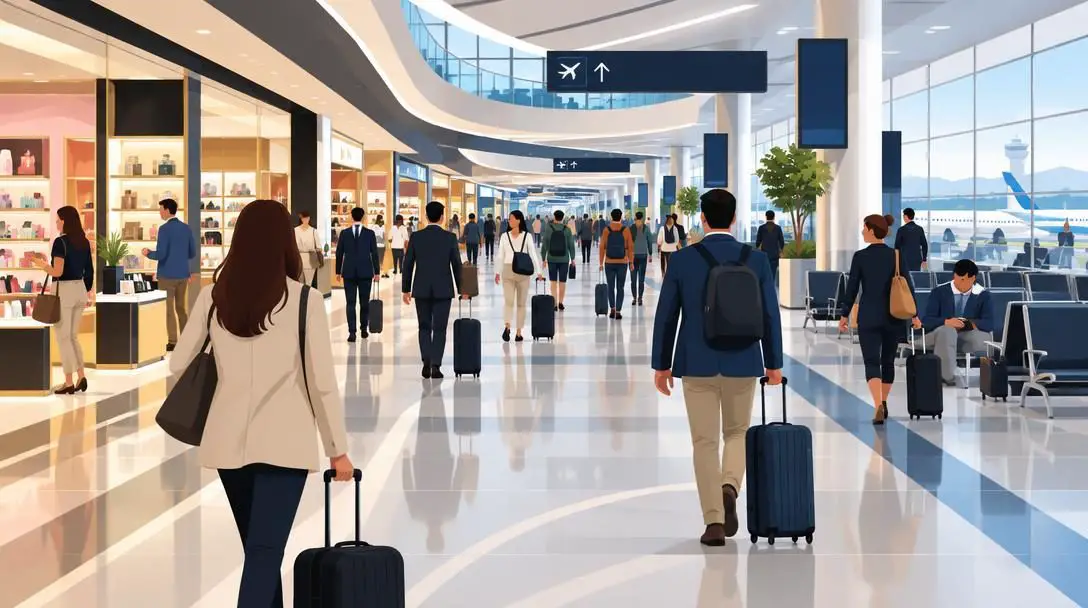
Reaching the facility presents its own financial and logistical hurdles. Travelers must balance their budget against their schedule: taking the London Underground tube network involves a slow, drawn-out journey, whereas opting for the high-speed Heathrow Express from Paddington station in West London reaches the airport in just 15 minutes but carries an expensive fare. If there is a silver lining for travelers facing long flight delays, it lies in the terminal's retail core. Heathrow operates much like a massive shopping mall that happens to have runways attached, providing extensive retail and dining options to pass the time.
London Gatwick Airport
- Hub Ranking: London's second busiest airport
- Luggage Guidance: Formally warned travelers against checking bags due to staff shortages
- Express Transit Time: 15 minutes to Central London via Gatwick Express
Travelers hoping for an easier passage through London’s second busiest air facility, Gatwick Airport, are often disappointed. Passenger reviews frequently rate Gatwick just as harshly as Heathrow, noting that it suffers from the same fundamental issues of cancellations and lengthy delays. Operational friction reached such an intensity that the airport previously warned passengers to avoid checking luggage altogether because severe ground handling staff shortages made reliable baggage processing impossible.
Inside the facility, physical conditions can deteriorate rapidly during peak travel windows. Gatwick is notorious for its exceptionally tiny waiting rooms, which become overwhelmed during schedule disruptions. This lack of space was exacerbated during a recent London heatwave when terminal air conditioning failed, resulting in passengers passing out from excessive heat. Ground transport mirrors Heathrow's dilemma: passengers can take a slower bus or regional train to save money, or pay nearly double for the Gatwick Express to reach Central London in 15 minutes.

Lisbon Portela Airport
- Location: Lisbon, Portugal
- Critical Bottleneck: Multi-hour border control and immigration queues
- Facility Age: Older infrastructure operating above intended capacity
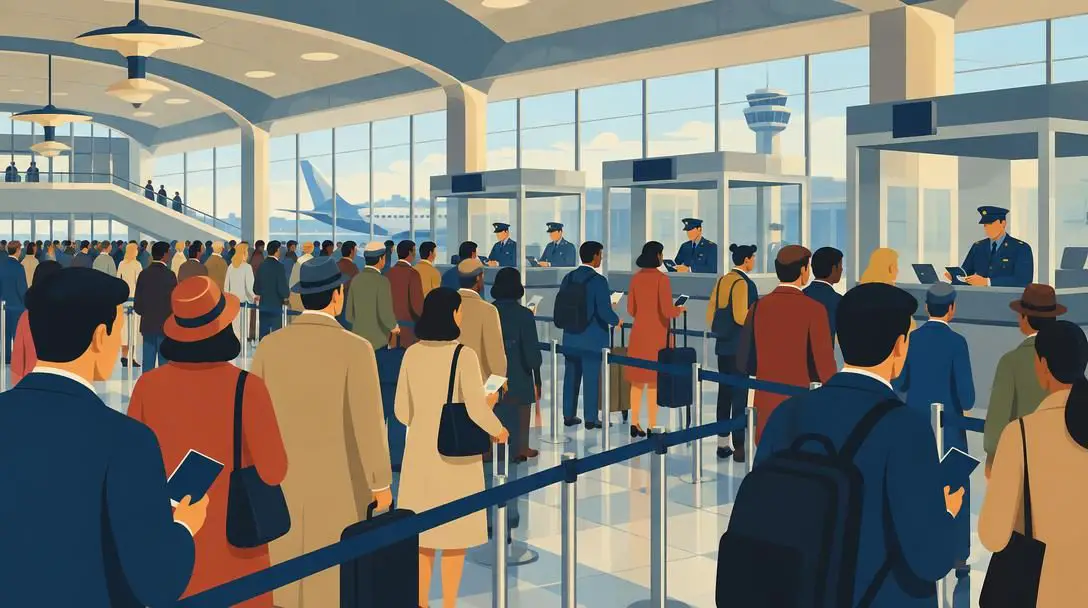
Lisbon Portela Airport in Portugal contends with the same wave of flight delays and cancellations impacting broader European aviation, but its most critical vulnerability lies at the border. International arrivals and departures routinely report standing in line for hours simply to clear immigration control. The facility is an older structure never intended to manage the massive influx of modern tourist volumes.
When Europe lifted its COVID-19 travel restrictions, Lisbon Portela experienced immediate operational chaos. As tourist traffic surged back, lines backed up across the terminal footprint. Stranded passengers were forced into exhausting, motionless queues for basic operational services, security checkpoints, and passport processing booths, turning routine transits into grueling waiting games.
Older terminals engineered for twentieth-century passenger numbers simply cannot absorb modern travel spikes without buckling under the strain.
Chania International Airport
- Location: Island of Crete, Greece
- Queue Severity: Passenger lines frequently spill outside the terminal
- Terminal Environment: Minimal seating and expensive, lower-quality food
Serving the popular Mediterranean destination of Crete, Greece, Chania International Airport is frequently characterized by arriving and departing vacationers as chaotic. Because the physical building is constrained, passenger queues during summer turnover days often back up past the check-in hall, forcing travelers to wait outside in the heat before even entering the terminal.
Once past security, passengers find little respite. The facility provides minimal seating, meaning large numbers of travelers must sit on terminal floors or lean against partition walls while awaiting boarding calls. Entertainment and terminal amenities are practically non-existent, and the food offerings inside the departure area are widely reported to be costly despite failing to deliver decent quality.
Herakleion International Airport

- Location: Island of Crete, Greece
- Interior Climate: Chronic lack of functional air conditioning
- Sanitation Reports: Bathrooms frequently described as dirty and unkept
Also located on the Greek island of Crete, Herakleion International Airport mirrors many of Chania’s structural limitations while adding environmental and sanitation difficulties. The terminal has earned widespread passenger notoriety for dense crowds, extensive processing lines, and an almost total absence of reliable, functional air conditioning during sweltering summer travel periods.
Basic passenger amenities at Herakleion remain a persistent source of visitor frustration. While food and beverages are accessible inside the concourse, vendors charge top dollar for standard fare. Compounding the physical discomfort of heat and long waits, traveler feedback consistently notes that the airport's public restrooms are unkept and poorly maintained throughout high-volume operational days.
How systemic bottlenecks cascade across terminals
Understanding why European airports experience severe disruption requires looking at the aviation ecosystem as an intricate, interdependent chain. An airport is not a single operational unit; rather, it is a facility shared by commercial airlines, national border agencies, private ground handling services, security contractors, and municipal transport providers. If any single component falters, the failure immediately ripples outward.
When inbound flights encounter European airspace congestion, aircraft touch down behind schedule. This compresses the turnaround window during which ground handling personnel must clean the cabin, refuel the jet, and unload cargo. If ground handlers are facing severe staff shortages—as observed at Gatwick—baggage cannot be transferred promptly, creating the dual nightmare of misplaced luggage and missed departure slots. Missing an assigned takeoff slot compounds delays across subsequent flight legs.
A similar cascading effect governs physical bottlenecks inside terminal buildings. Older facilities like Lisbon Portela were designed for a fraction of today's passenger volumes. When hundreds of travelers step off wide-body aircraft simultaneously following border reopenings, customs and border control checkpoints rapidly hit capacity limits. With no auxiliary space to absorb the overflow, queues extend backward into gate areas and departure corridors, preventing departing passengers from reaching their gates and triggering rolling schedule chaos.
Navigating stressed European terminals
While ordinary passengers cannot resolve systemic infrastructure deficits or municipal rail pricing models, adopting deliberate travel habits can significantly reduce the risk of missed connections and transit distress.
- Determine your ground transport priorities early. In hubs like London, decide whether saving cash or preserving time matters more. Budgeting extra time for cheaper bus or underground services protects your wallet, while paying a premium for the 15-minute Heathrow Express or Gatwick Express guarantees a rapid journey.
- Travel carry-on only whenever airports report ground constraints. When hub managers publicly disclose ground handling constraints and advise against checking baggage, heed that counsel. Keeping your bags in your possession avoids lost luggage headaches entirely.
- Pack personal comfort necessities for regional terminals. When flying through smaller Mediterranean facilities like Chania or Herakleion, anticipate minimal seating and broken climate systems. Carry high-protein non-perishable snacks, keep empty water bottles ready for post-security refilling, and wear lightweight, breathable clothing.
- Clear passport control immediately upon arrival. At airports known for severe immigration delays, such as Lisbon, proceed straight to border queues without lingering at terminal retail shops. Processing backlogs can consume multiple hours without warning.
Costly mistakes to avoid at problem airports
Passenger miscalculations frequently turn manageable delays into severe disruptions. Avoiding these common assumptions can preserve both your schedule and your sanity:
- Assuming modern air conditioning is universal: Relying on terminals to be climate-controlled during high summer is a mistake; facilities like Gatwick and Herakleion have left passengers exposed to oppressive indoor temperatures.
- Underestimating airport transit durations: Choosing low-cost commuter trains or bus links to London terminals without allocating an adequate buffer often leads to missed boarding cutoffs.
- Checking luggage despite active warnings: Disregarding explicit airport alerts regarding baggage staff shortages drastically heightens the chance of landing without your essential belongings.
- Relying on airport vendors for quality dining: Assuming regional holiday hubs offer appetizing, fairly priced cuisine frequently leads to purchasing overpriced, low-quality snacks out of sheer necessity.
- Postponing border processing: Treating passport control as a quick formal check right before flight departure in facilities like Lisbon risks missing departures due to multi-hour lines.
Frequently asked questions
Why is London Heathrow rated poorly despite having so many shops and amenities?
While Heathrow offers extensive shopping and dining options comparable to an upscale retail mall, it consistently struggles with core operational logistics. The airport leads European rankings in flight cancellations, suffers from chronic flight delays, and experiences elevated rates of lost baggage, all of which overshadow its interior comforts.
Is the Gatwick Express worth the extra cost over standard regional trains?
The choice depends entirely on your schedule and budget. The Gatwick Express reaches Central London in approximately 15 minutes, offering maximum speed and convenience. However, standard trains and commuter buses cost roughly half the price, making them far better options if you have sufficient time before your flight.
Why are lines so long at Lisbon Portela Airport?
Lisbon Portela is an older facility built to accommodate significantly lower passenger numbers than it currently handles. When European travel restrictions lifted after COVID-19, inbound passenger traffic surged dramatically, overwhelming passport control and border processing infrastructure.
What conditions should travelers expect when flying out of Crete's regional airports?
Both Chania and Herakleion airports on the island of Crete face severe crowding during peak travel seasons. Passengers should anticipate extensive check-in queues that sometimes spill out into the exterior heat, minimal gate seating, expensive food options, and frequent issues with indoor air conditioning.
How can I prevent my luggage from being lost at crowded European hubs?
Whenever an airport flags ground handling staff shortages—as Gatwick did—the safest strategy is to travel strictly with carry-on luggage. By bypassing the checked baggage drop and retrieval carousels, you eliminate the risk of mishandled bags entirely.
The bottom line
Modern air travel requires a pragmatic approach that treats airport transit as a critical part of your overall itinerary rather than a mere transitional detail. When building European travel plans, evaluating the operational limitations of specific hubs is just as important as securing an affordable airfare. Cheap tickets routed through hubs with severe baggage constraints or chronic border bottlenecks can quickly cost you hours of comfort and significant unexpected expenses.
Whether facing the sprawling, mall-like concourses of London Heathrow, the sweltering gate areas of Herakleion, or the lengthy passport lines of Lisbon, being informed transforms the travel experience. By packing strategically, budgeting travel time realistically, and prioritizing carry-on luggage whenever operational warnings are issued, travelers can navigate even Europe’s most challenging airports with confidence.