
A Beginner’s Guide to Converting Currency
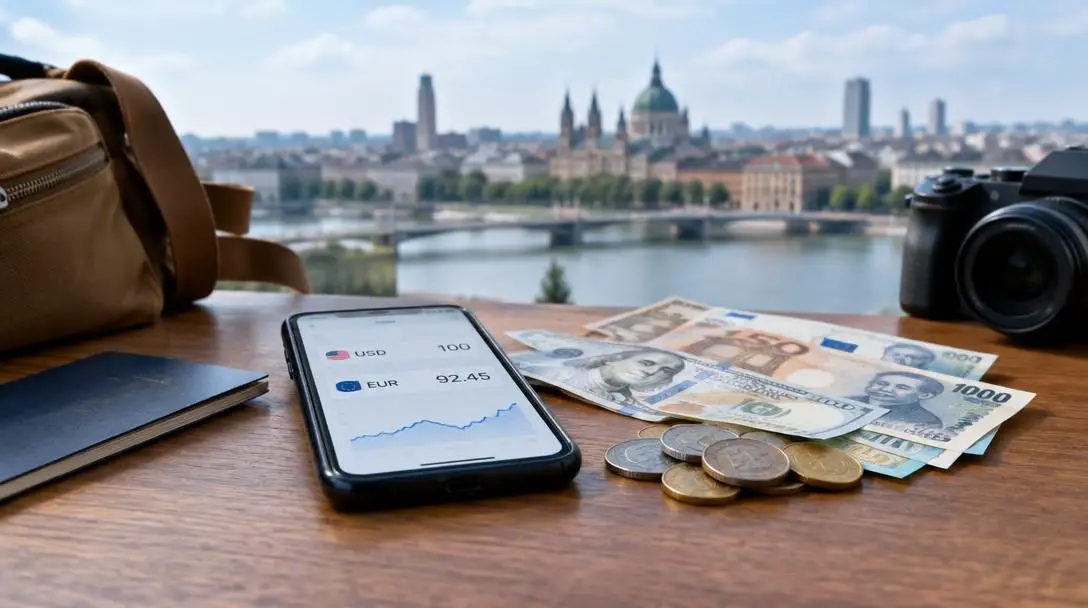
Preparing for an international journey requires balancing countless logistical details, from assembling the right wardrobe to securing flights and accommodations. Yet, one of the most vital components of traveling abroad is determining how you will manage your money once you touch down on foreign soil. Because each nation maintains its own independent monetary framework, the domestic currency stored in your home checking account cannot simply be handed to a street vendor, taxi driver, or market merchant in another country.
While modern digital payment instruments like credit and debit cards have expanded globally, traveling entirely cashless introduces significant vulnerabilities. Physical money remains indispensable for paying small service gratuities, purchasing regional transit passes, buying food at traditional stalls, and covering expenses during unexpected technological outages. Transforming your domestic capital into foreign legal tender is therefore an unavoidable prerequisite of international exploration. By mastering the core principles of foreign exchange rates, retail fee models, and transaction channels, you can seamlessly access your funds while protecting your hard-earned travel budget.
Key takeaways
- Exchange rates fluctuate continuously throughout the day based on broader macroeconomic indicators, international trade flows, and central bank interest rate policies.
- Retail financial intermediaries rarely offer the baseline mid-market rate, instead embedding costs into customer transactions through direct service fees and exchange rate spreads.
- Withdrawing funds from destination ATMs generally provides more competitive conversion rates than standalone currency kiosks, provided foreign transaction and network fees are kept in check.
- Following a structured, multi-step preparation plan prevents budget shortfalls and shields you from deceptive zero-commission marketing claims.
- Safeguarding cash overseas requires splitting up funds, utilizing discreet accessories like money belts, and strategizing how to spend leftover coins and notes before heading home.
Demystifying the Mechanics of Foreign Currency Exchange
To navigate foreign monetary systems with ease, travelers must look past the numbers displayed on storefront placards and understand the underlying mechanisms that govern currency conversion. At the foundation of every financial exchange sits the exchange rate, which represents the direct mathematical ratio at which one national currency can be converted into another. When viewing a currency pair, the figure denotes how many units of the foreign currency you can purchase with a single unit of your home funds, or vice versa.
Global foreign exchange markets operate continuously, causing currency values to remain in constant motion. Values rise and fall based on shifting geopolitical stability, national trade balances, consumer inflation, and sovereign interest rate decisions. In the institutional finance sector, massive banks trade billions of currency units directly with one another. This institutional trading generates what is known as the mid-market rate or interbank rate. This benchmark represents the true midpoint between what global buyers are bidding and what sellers are asking for any given currency pair.
The mid-market rate is the figure presented on financial news networks, business portals, and mobile search engines. However, retail consumers converting modest sums for personal leisure almost never receive this pure baseline rate. Instead, individual travelers must conduct business through retail intermediaries, including domestic retail banks, overseas automated teller machine (ATM) networks, credit card processing conglomerates, and dedicated foreign exchange kiosks located in transit hubs. These businesses must generate revenue to cover overhead and generate profit, which they achieve through two distinct mechanisms:
- Direct service charges: A flat administrative surcharge or variable percentage-based fee appended to your receipt to process the foreign currency transaction.
- Exchange rate spreads: The calculated markup between the interbank wholesale value and the retail rate offered directly to the consumer. A provider buys foreign currency cheaply and sells it to consumers at a substantial premium, retaining the difference as gross profit.
Evaluating Your Currency Exchange Options
Deciding where and when to trade your cash is one of the most consequential financial decisions of your pre-trip planning. Different channels offer varying compromises between upfront convenience, absolute safety, and overall transaction cost. Analyzing the primary conversion pathways ensures you select the optimal solution for your destination and itinerary.
| Exchange Channel | Typical Exchange Rate | Convenience Level | Primary Risk or Drawback |
|---|---|---|---|
| Destination Bank ATMs | Near mid-market baseline | High upon arrival | Accumulation of out-of-network and foreign operator fees |
| Home Bank Pre-Orders | Moderate to favorable | Moderate (requires lead time) | Inconvenience of holding substantial physical cash while traveling |
| Transit & Airport Kiosks | Significantly below mid-market | Immediate and accessible | Excessive retail rate spreads and inflated retail commissions |
Destination Bank ATMs
For a vast majority of international voyagers, obtaining local paper tender through an automated teller machine upon arrival represents the best compromise between convenience and pricing efficiency. Because automated teller terminals tie into global interbank communication lines, the underlying conversion is frequently calculated at or very near wholesale interbank rates. This approach removes the psychological burden of carrying thousands of dollars in cash through airport checkpoints, allowing you to withdraw modest reserves whenever you enter a new city. The primary drawback involves domestic and foreign machine surcharges, which can erode your savings if you withdraw funds in frequent, low-value increments.
Home Bank Pre-Orders
Ordering foreign currency through your domestic retail branch before heading to the airport guarantees immediate operational readiness when your plane lands. By coordinating with your local banking institution a week or two in advance, you can obtain a designated sum of physical foreign notes delivered directly to your branch. Having foreign notes ready allows you to bypass airport lines and immediately fund bus tickets, taxi fares, or train passes without frantically searching for an operational ATM in a foreign terminal. The trade-off is that retail bank branches generally offer slightly less favorable rates than overseas bank machines and require proactive scheduling before departure.
Transit and Airport Kiosks
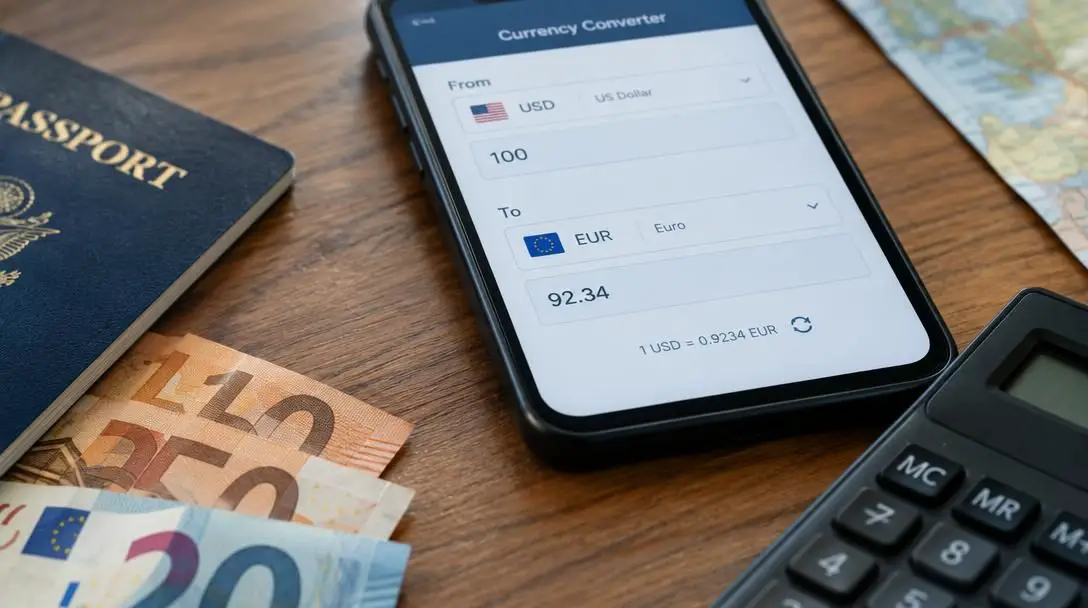
Physical currency exchange kiosks positioned within international arrival terminals, border crossings, and major train stations cater directly to travelers who require immediate currency without prior preparation. While these desks provide unmatched physical accessibility at odd hours of the night, they represent the most economically disadvantageous method for converting capital. Due to prime airport real estate leases and round-the-clock staffing costs, kiosk vendors apply aggressive rate spreads, often selling you foreign currency at rates dramatically below the actual interbank benchmark.
Relying blindly on zero-commission marketing signs often masks exorbitant exchange rate markups embedded directly into retail transactions.
A Structured Step-by-Step Guide to Converting Currency
Executing an efficient currency exchange plan requires following a logical sequence. Rather than leaving your finances to chance at the airport terminal, implementing this organized checklist safeguards your funds and guarantees you hold adequate local legal tender throughout your entire trip.
- Research current market exchange rates: Before finalizing any plans, look up the prevailing baseline exchange rates for your destination currency using reputable financial platforms or converter applications. Check these rates immediately before initiating transactions to ensure your baseline benchmarks reflect recent market fluctuations.
- Calculate your overall cash requirements: Build an itemized itinerary listing all anticipated daily expenses, including lodging, meals, regional transit, admissions, guided excursions, and shopping. Differentiate between fixed expenses that can be paid via credit cards and daily variable costs that necessitate physical paper bills.
- Convert your operational budget into destination currency: Take your projected cash requirement figures and convert them into the foreign denomination using the current exchange rate. Establishing this baseline gives you a clear mental reference point for local market pricing, keeping you from overspending when evaluating unfamiliar price tags.
- Consult your domestic banking institutions: Contact your debit and credit card providers to review fee schedules. Inquire about foreign transaction fees, international cash machine access fees, and global partner banking alliances that may allow you to make free cash withdrawals abroad.
- Determine your overarching transaction strategy: Decide how much capital you wish to carry in advance versus how much you will withdraw at your destination. A balanced approach typically involves securing a small cash cushion before departure while relying on verified overseas bank ATMs for ongoing expenses.
- Execute your planned conversions: Trade your funds through your chosen channels, examining every printed receipt to ensure that transaction totals, applied rates, and service fees align precisely with quoted figures.
- Organize and store your funds securely: Immediately put away all dispensed currency in private before stepping away from the teller window or ATM. Separate larger reserve bills from minor daily spending money so you never display large amounts of cash in public spaces.
Hidden Surcharges: How Fees Diminish Your Travel Budget
A major pitfall of navigating unfamiliar financial environments is underestimating the layered fees that financial institutions add to cross-border transactions. Hidden costs can silently consume a substantial percentage of your vacation budget if you do not actively monitor your account ledgers. Evaluating these primary fee categories allows you to deploy defensive spending habits while traveling.
The first major area of expense involves automated teller machine charges. When you use your domestic debit card in an international terminal, you are frequently assessed two independent charges for a single withdrawal. The foreign machine operator routinely charges an out-of-network access surcharge for utilizing its hardware. Simultaneously, your domestic home institution may bill an out-of-network terminal fee coupled with a foreign exchange processing surcharge. If you make five or six small withdrawals over a week, these cumulative fees can take a noticeable bite out of your spending money.
The second category consists of retail exchange counter markups. Physical booths frequently display prominent advertisements promising zero commission or no transaction fees. In practice, these businesses simply widen the exchange rate spread, offering you significantly fewer units of foreign cash for each domestic dollar sold. The absent commission fee is simply replaced with an unfavorable conversion rate, functioning as an invisible surcharge that costs you money on the transaction balance.
The third category includes foreign transaction fees levied directly by credit card issuers. Whenever you swipe or tap a standard domestic credit card overseas, the merchant terminal initiates a settlement process that crosses international borders. Card issuers frequently assess a supplementary fee, typically ranging between one and three percent of the total purchase amount, simply for facilitating the foreign transaction. Choosing travel-oriented credit products that explicitly waive foreign transaction penalties is an effortless way to eliminate this recurring financial drain.
Protecting Physical Cash and Personal Finances on the Road
Once you complete your currency conversion and hold foreign banknotes, your immediate responsibility shifts toward loss prevention and personal security. Unlike a lost credit card, which can be instantly deactivated and refunded through your issuing bank, stolen or misplaced physical currency is permanently gone. Adopting sensible, time-tested physical security routines keeps unexpected misfortunes from derailing your journey.
The most important safeguard for international travelers is diversifying your financial storage. Never consolidate all of your paper cash, emergency backup credit cards, primary debit cards, and identity passports into a single carrying pouch, backpack, or wallet. If that single bag is lost or stolen, your entire economic infrastructure disappears simultaneously. Instead, distribute your resources: lock your primary reserve cash and secondary backup cards inside your hotel room's digital safe, carrying only the small amount of cash needed for that specific day's outings.
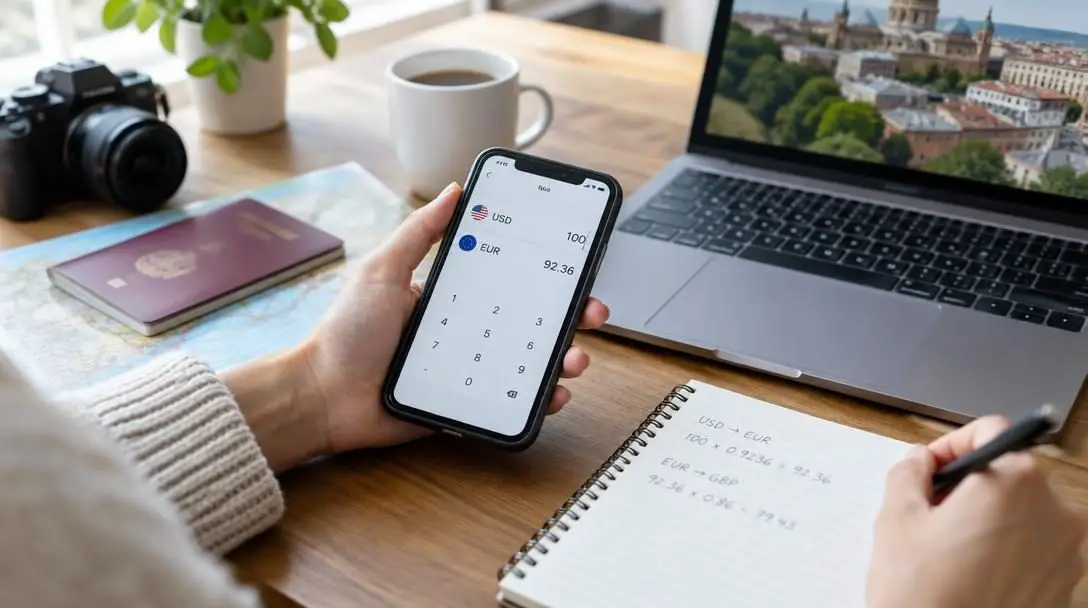
When moving through crowded transit terminals, street bazaars, or congested sightseeing venues, use secure carrying methods. Standard back pockets and unsecured open tote bags represent easy targets for experienced pickpockets. Concealed, under-garment waist pouches, slash-resistant cross-body bags, or zippered internal jacket pockets dramatically lower your exposure to theft. When paying for souvenirs or meals, extract only the specific bills needed for the immediate purchase rather than pulling out a large roll of cash in view of onlookers.
Costly Traps: Common Currency Mistakes Travelers Make
Inexperienced travelers often make avoidable errors that needlessly drain their financial resources. Reviewing these recurring mistakes will help you preserve your capital and avoid unnecessary friction when managing money abroad:
- Exchanging your entire budget at airport kiosks: Succumbing to the convenience of the first arrival terminal kiosk often means accepting some of the widest rate spreads in the travel industry. Limit your kiosk activity to converting small emergency sums.
- Relying on outdated exchange rates: Currency values change continually. Using rates observed weeks or months ago can distort your calculations, leading you to misjudge the true affordability of local services and goods.
- Conducting repeated small ATM withdrawals: Visiting cash machines every single morning causes fixed administrative fees to multiply rapidly. Withdraw larger, calculated blocks of cash every few days to minimize flat transaction fees.
- Overlooking your home bank's fee disclosures: Traveling without reading your domestic financial institution's international fee schedules leaves you vulnerable to unexpected charges across every point-of-sale transaction.
- Keeping all financial assets in one place: Stashing all available paper money and payment cards in a single wallet leaves you completely vulnerable if that single item is dropped or stolen.
- Assuming electronic payments are universal: Expecting every regional taxi driver, remote shopkeeper, and rural market stall to accept digital cards can leave you stranded without a way to pay. Always maintain a small reserve of physical cash.
Advanced Preparation and Managing Residual Currency
After mastering basic foreign exchange principles, you can incorporate modern payment innovations into your overall financial plan. Many contemporary travelers now utilize digital wallets, contactless smartphone applications, and specialized international debit cards offered by modern fintech providers. These modern products frequently feature automatic currency conversion at pure interbank rates, comprehensive fee waivers for global transactions, and mobile apps that let you freeze compromised accounts with a single tap.
Equally critical is formulating an exit strategy for managing leftover currency before concluding your trip. Converting loose coins and small paper bills back into domestic funds upon returning home is notoriously difficult, as most domestic financial desks and commercial exchange counters only accept larger banknotes. Those that do accept small bills often apply punitive buyback spreads that yield negligible returns.
To avoid coming home with unusable currency, carefully monitor your cash balances during the final forty-eight hours of your journey. Plan your spending to exhaust smaller coins and banknotes on daily transit and casual dining. Alternatively, you can settle a portion of your final hotel invoice with your remaining foreign cash, charging only the remaining balance to your credit card. Any remaining low-value coins can also be donated to airport charity receptacles, turning loose change into valuable community support.
Frequently asked questions
What is the interbank or mid-market exchange rate?
The interbank or mid-market exchange rate is the true wholesale baseline rate at which large institutional banks trade currencies with one another. It serves as the midpoint between global purchase and sale prices and is the standard figure displayed on major financial news platforms and search engines.
Is it cheaper to exchange currency before departing or upon arrival?
Using a local bank ATM upon arrival in your foreign destination is generally more cost-effective than exchanging physical money prior to leaving home. Overseas ATMs pull directly from interbank networks, whereas domestic retail branches and airport counters generally factor substantial retail markups and logistical shipping overhead into their exchange rates.
Why should I avoid currency exchange kiosks located in airports?
Airport kiosks face high operational costs and expensive commercial rents, which they offset by offering consumer rates that are significantly worse than the mid-market rate. While they provide instant convenience, their wide exchange spreads make them one of the most expensive ways to purchase foreign legal tender.
What should I do if an overseas payment terminal asks to charge me in my home currency?
Always decline the prompt and choose to be billed in the local currency of the country you are visiting. Selecting your domestic currency activates dynamic currency conversion, an optional convenience feature that applies arbitrary, unfavorable exchange rates and hidden conversion surcharges managed by the foreign merchant's processor.
Can I convert leftover foreign coins back into domestic currency when I return home?
Most commercial banks and currency counters will not exchange physical foreign coins, accepting only medium-to-large paper banknotes. It is best to spend your remaining coins on small everyday purchases, use them to pay off a portion of your final hotel bill, or donate them to charity collection bins before departing your destination.
The Bottom Line
Navigating international currency exchange does not have to be an intimidating or needlessly expensive part of global travel. By recognizing the mechanics of the foreign exchange market, you can look past misleading zero-commission marketing claims and identify the real costs of your transactions. Prioritizing destination bank ATMs over airport kiosks, carrying the right fee-free payment products, and remaining mindful of exchange rate spreads helps protect your travel funds from avoidable fees.
Equally important is taking deliberate steps to protect your physical money once you obtain it. Dividing your cash reserves, staying discreet in crowded areas, and establishing a plan to spend down residual coins ensures your financial affairs remain orderly from start to finish. With thorough preparation, careful monitoring of fee structures, and disciplined security habits, you can focus on enjoying your journey with complete financial peace of mind.