Advantages & Disadvantages of Investing in Commercial Properties
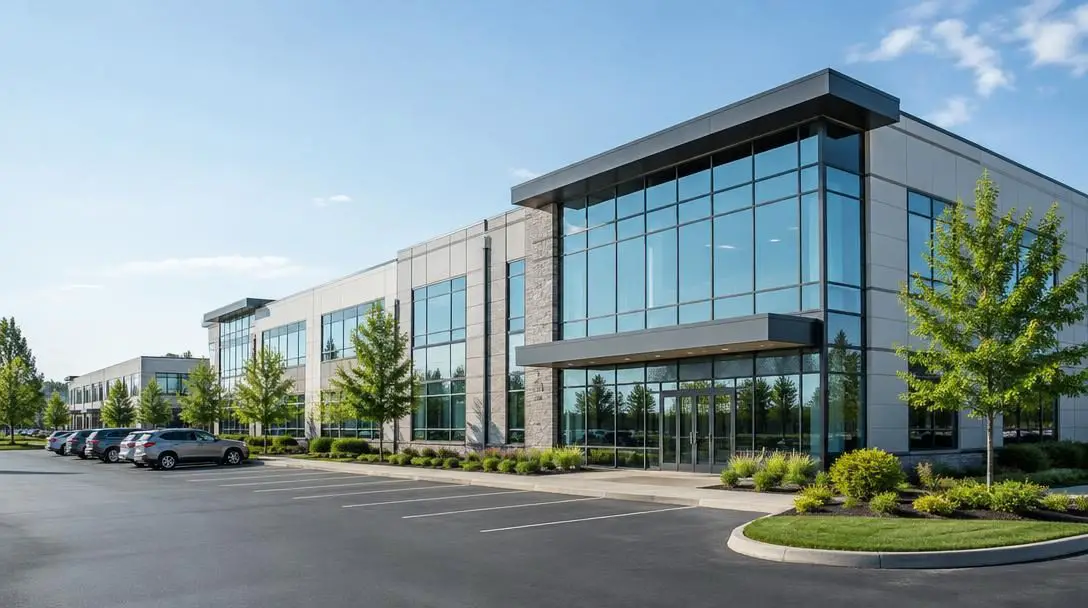
Investing in commercial properties stands as an enduring avenue for building wealth, offering both established businesses and individual investors a concrete way to expand their financial horizons. Rather than placing total reliance on traditional paper assets like stocks and bonds, capital directed into commercial buildings establishes a physical stake in local business infrastructure. This tangible foundation provides an avenue to spread risk across diverse asset classes while establishing reliable, long-term cash flow.
However, the commercial real estate arena requires rigorous planning and significant financial commitment. Unlike consumer-oriented residential spaces, commercial holdings operate under different leasing structures, distinct tax benefits, and substantial operational hurdles. Prospective buyers must carefully weigh the lucrative benefits of consistent rental yield and asset appreciation against the risks of heavy up-front acquisition costs, management demands, and unexpected market shifts.
Key takeaways
- Commercial real estate provides steady income generation alongside substantial long-term capital appreciation driven by local economic growth.
- Favorable tax provisions, including write-offs for operational expenses, mortgage interest, and asset depreciation, significantly lower taxable income.
- Substantial upfront capital, ongoing management expenses, and extensive due diligence are necessary to manage the high entry barriers.
- Rigorous tenant screening and robust insurance policies are critical safeguards against property damage, vacancies, and legal disputes.
What Defines Commercial Real Estate?
Commercial real estate encompasses properties designed exclusively for business activities, commercial operations, or enterprise profit generation rather than private residential living. These spaces house working organizations that carry out daily operational duties, store warehousing inventories, provide specialized professional services, or sell consumer goods directly to the public. Because the occupants are operating commercial enterprises, the agreements governing these spaces differ markedly from personal residential leases.
For investors looking to step away from traditional financial assets, commercial property offers meaningful diversification. Physical real estate interacts directly with local economic drivers rather than broader paper-market sentiment. As regional commercial hubs grow, business density increases demand for physical square footage. However, understanding this marketplace requires continuous awareness of municipal economic vitality, neighborhood infrastructure development, and overall corporate tenant stability.
Major Advantages of Commercial Property Investment
The decision to acquire commercial real estate is typically driven by a combination of capital growth, immediate cash flow, and tax-advantaged wealth building. When acquired strategically, these properties serve as multi-tiered financial engines.
Long-Term Growth Potential
Over extended holding horizons, commercial real estate historically exhibits significant capital appreciation. As local business hubs expand and surrounding economic activity flourishes, the demand for well-located commercial parcels escalates. Property value appreciation reflects both the rising cost of land and the earning power of the businesses occupying the district. Investors who maintain their buildings in high-demand economic corridors position themselves to harvest substantial equity upon eventual resale.
Favorable Tax Structure
The tax treatment governing commercial real estate is widely regarded as far more advantageous than the rules applied to standard equities or fixed-income portfolios. Property owners are permitted to deduct legitimate operating expenses, including maintenance costs, administrative fees, and ongoing service contracts. Additionally, deduction provisions for mortgage interest and structured asset depreciation enable investors to reduce their taxable income footprint while preserving incoming cash flow.
Income Generation and Cash Flow
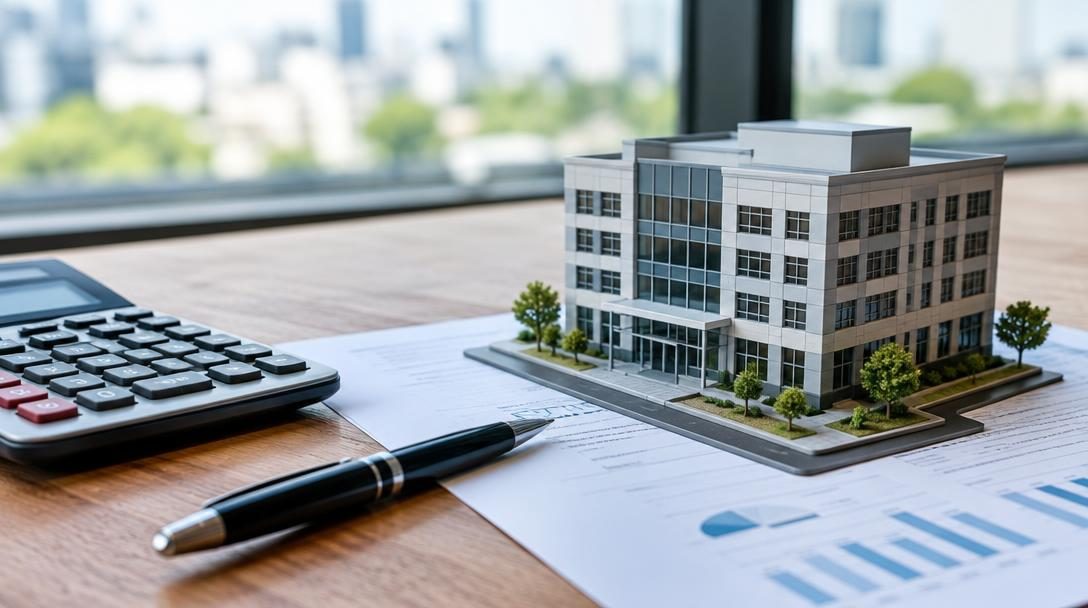
A core benefit of commercial buildings is their capacity to produce regular, predictable rental revenue. Leases signed by business tenants establish ongoing cash payments that primarily cover the building's operational overhead and underlying financing debts. Beyond meeting operational debt service, the remaining surplus yields direct profit. Well-managed portfolios often yield enough consistent, passive cash flow to sustain lifestyle needs or fund subsequent acquisition initiatives without requiring outside personal employment.
A well-structured commercial property portfolio can generate sufficient recurring rental cash flow to completely cover operational debt while providing self-sustaining income for the investor.
Core Disadvantages and Challenges to Consider
While the financial upside of commercial ownership is well documented, entering this arena presents distinct obstacles. Overlooking the operational complexities or financial requirements can place an investor under intense liquidity strain.
High Initial Cost and Capital Requirements
Acquiring commercial assets demands substantially more capital than entering residential real estate or purchasing public securities. Investors must supply significant liquid funds for large down payments or obtain extensive commercial credit lines. Beyond the nominal purchase price, upfront expenses mount quickly due to compulsory structural surveys, environmental checks, building inspections, and extensive legal fees associated with closing complex contracts.
Ongoing Management Costs and Professional Overhead
Maintaining a commercial building involves ongoing, unavoidable overhead that must be paid regardless of tenant occupancy. Costs tied to routine structural maintenance, general upkeep, utility oversight, and marketing vacant spaces must be funded out-of-pocket or subtracted directly from gross rental proceeds. Investors lacking extensive property management experience often must hire third-party specialists to oversee leasing compliance, vendor management, and legal guidelines, introducing additional recurring fees.
Tenant Acquisition and Management Hurdles
Securing reliable corporate tenants is frequently a protracted, demanding endeavor requiring aggressive marketing and vetting. Once a tenant is placed, owners carry the risk of lease defaults, late payments, or physical damage exceeding contract specifications. If a commercial tenant breaches their agreement or refuses payment, landlords must navigate formal eviction processes that are legally demanding, time-consuming, and financially draining.
Underlying Market Risk and Physical Perils
Real estate assets remain fundamentally tied to the physical world and local macroeconomic cycles. Property valuations do not appreciate in a guaranteed, linear path; neighborhood shifts, corporate closures, or regional economic downturns can compress asset values rapidly. Furthermore, physical structures face ongoing risks from severe storms, fires, and natural disasters. Without thorough, continuous insurance policies, unaddressed structural damage can lead to devastating out-of-pocket capital losses.

Commercial Real Estate Investment Dimensions
To help prospective investors evaluate the balance of rewards and responsibilities, the following table compares key operational dimensions inherent in commercial real estate ownership.
| Investment Dimension | Primary Advantage | Associated Challenge | Primary Risk Mitigation |
|---|---|---|---|
| Capital Deployment | Long-term property appreciation and equity building | Steep initial purchase prices and closing fees | Securing robust credit lines and maintaining cash reserves |
| Cash Generation | Reliable monthly rental revenue from business tenants | Extended vacancies between leases | Formulating structured tenant marketing and vetting plans |
| Tax Efficiency | Depreciation schedules and operational write-offs | Complex compliance rules and tax accounting | Retaining specialized commercial real estate accountants |
| Asset Management | Control over building upgrades and operational strategy | Continuous repair costs and regulatory obligations | Hiring experienced property managers and legal counsel |
| Physical Security | Tangible asset value independent of paper markets | Exposure to property damage and natural disasters | Purchasing comprehensive property insurance policies |
The Commercial Property Investment Lifecycle
Navigating commercial real estate successfully requires understanding how an investment progresses from initial conception to sustainable income generation. The lifecycle generally follows five key stages:
- Capital Sourcing and Financing: Investors secure funding by aggregating liquid capital, establishing commercial lending relationships, and arranging contingency lines of credit to handle acquisition requirements.
- Acquisition and Due Diligence: Prospective properties undergo exhaustive inspections to evaluate structural integrity, environmental compliance, and legal title history before closing contracts.
- Tenant Sourcing and Contract Execution: Owners run targeted marketing campaigns to source stable business tenants, executing thorough commercial lease contracts that govern maintenance duties and rental rates.
- Income and Cash Flow Cycle: Monthly lease payments are collected and allocated directly toward operating overhead, maintenance requirements, and debt commitments, leaving the remainder as net income.
- Long-Term Property Care: Continual reinvestment in building upkeep preserves the structure's physical integrity, ensuring the property remains appealing to top-tier commercial tenants and primed for capital appreciation.
Step-by-Step Guide: Entering the Commercial Market
Executing an entry into commercial property requires systematic preparation to minimize unnecessary financial exposure. Following an orderly framework ensures every baseline variable is accounted for before capital is put on the line.
- Evaluate Liquidity and Credit: Take an exhaustive audit of your available cash reserves. Confirm you possess sufficient capital to fund the initial down payment, legal fees, and mandatory inspections while keeping a liquid safety cushion for sudden capital repairs.
- Study Local Economic Conditions: Perform thorough research on the geographic market you intend to enter. Pinpoint areas displaying steady economic growth and increasing demand for specialized commercial space to optimize long-term appreciation.
- Assemble a Professional Support Team: Retain experienced commercial real estate attorneys, accountants, and property advisors early. These professionals ensure contract compliance, guide municipal zoning checks, and maximize allowable tax depreciation schedules.
- Carry Out Exhaustive Inspections: Commission detailed physical and environmental surveys prior to signing final purchase documents. Uncovering hidden structural faults early prevents costly financial emergencies post-closing.
- Establish Robust Insurance Coverage: Secure broad commercial insurance packages designed to defend your asset against storm damage, accidental fire, liability claims, and natural disasters.
- Formulate a Tenant Sourcing Strategy: Design an active vetting and marketing framework to attract dependable business tenants. Establish clear leasing guidelines regarding payment schedules, space usage, and physical maintenance responsibilities.
Critical Mistakes to Avoid
New commercial real estate investors frequently encounter severe setbacks by failing to account for standard real estate principles. Avoiding these common traps is essential for preserving working capital:
- Underestimating Incidental Up-Front Costs: Fixating exclusively on the property's listing price while ignoring closing costs, attorney fees, and inspection charges can quickly wipe out operating liquidity.
- Failing to Budget for Ongoing Maintenance: Neglecting regular preventative maintenance allows physical conditions to degrade, which drives away high-paying tenants and erodes overall property valuation.
- Inadequate Tenant Vetting: Moving tenants into spaces without strict financial background checks or clear commercial lease agreements frequently leads to rent defaults and costly legal eviction battles.
- Operating Without Professional Guidance: Attempting to manage complex zoning codes, commercial contracts, and tax structures without legal and financial experts often produces expensive compliance missteps.
- Underinsuring the Physical Structure: Cutting corners on property coverage leaves the building vulnerable to unforeseen physical disasters, exposing the owner to catastrophic out-of-pocket restoration bills.
Frequently asked questions
How does commercial property differ from residential property?
Commercial property is used specifically for business activities, retail, storage, or enterprise profit rather than private living. This leads to distinct lease agreements, commercial zoning regulations, different tax rules, and higher upfront capital requirements compared to consumer-oriented homes.
What specific tax deductions can commercial property owners claim?
Owners can write off normal operating expenses, building maintenance fees, and mortgage interest associated with the property. Furthermore, structured asset depreciation deductions allow investors to decrease their overall taxable income significantly over time.
Why are upfront costs so much higher for commercial buildings?
Commercial purchases require larger down payments, extensive structural and environmental inspections, and specialized legal support to close transactions. These additional due diligence and closing fees add substantial overhead beyond the raw purchase price.
What occurs if a commercial tenant refuses to pay rent?
When a tenant breaches the lease by withholding rent, the property owner must initiate a formal, legally structured eviction process. This procedure requires legal assistance, can take significant time to conclude, and often leaves the owner covering debt service out-of-pocket during the vacancy.
Can an investor earn a living purely from commercial property rental income?
Yes. If a commercial portfolio is well-structured with high occupancy and positive net cash flow after debt and maintenance expenses, the recurring lease income can provide sufficient capital to live off directly without secondary employment.
The Bottom Line
Investing in commercial properties represents a proven strategy for building scalable wealth, diversifying away from standard financial markets, and establishing passive revenue streams. The combination of long-term appreciation, durable rental cash flow, and generous tax deductions makes the sector uniquely attractive to long-term investors. However, the path is paved with high financial entry barriers, management obligations, and direct market risks that cannot be taken lightly.
Prospective investors should conduct an honest assessment of their personal liquidity, overall risk tolerance, and capacity for operational oversight before committing capital. Partnering with experienced legal and financial professionals, completing thorough property inspections, and instituting strict tenant vetting standards will ensure your commercial acquisition serves as a resilient, wealth-generating foundation for years to come.