Becoming An Expert Anagrammer Through Playing Scrabble
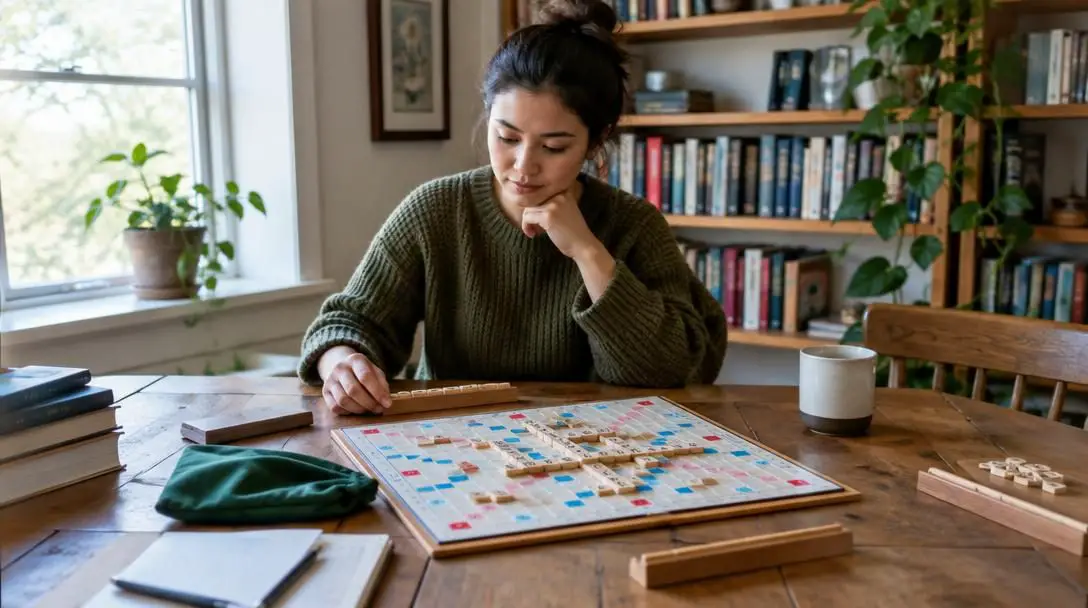
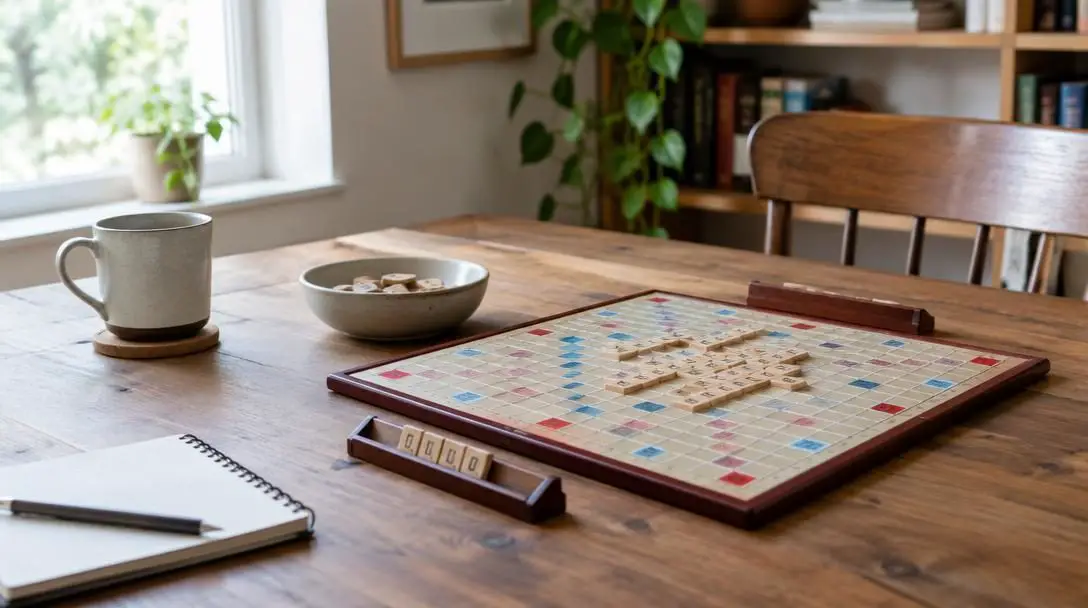
For decades, Scrabble has been a beloved staple in households around the world, presenting players with a deceptively simple challenge: transform a small wooden rack of seven letter tiles into high-scoring words. While many treat the game as a casual pastime, it is also a demanding arena that blends vocabulary, spatial reasoning, and strategic foresight. At the heart of this challenge lies the art and science of anagramming.
Rather than scanning a rack hoping for familiar words to jump out at random, experienced players treat letters as modular components that can be deconstructed and recombined in dozens of configurations. Approaching Scrabble through this analytical lens not only elevates your competitive play, but also sharpens your broader cognitive agility and transforms how you interact with language on and off the board.
Key takeaways
- Mastering Scrabble requires viewing letter tiles as modular phonetic building blocks rather than static words.
- Physically shuffling tiles and isolating prefixes and suffixes dramatically reduces rack complexity during a turn.
- High-scoring consonants like Q, X, and Z should be paired quickly with known anchors to avoid stalling rack turnover.
- Advanced players use board hooks and rare short vocabulary to multiply scoring opportunities across multiple axes.
- Regular Scrabble play stimulates cognitive function, supports memory retention, and offers stress-relieving social engagement.
The Mechanics of Anagramming on a Seven-Tile Rack
At its foundation, anagramming is the process of rearranging a specific collection of letters to create entirely new words. Everyday language frequently offers playful examples of this mechanic, such as shifting the letters in the word listen to reveal silent. In casual wordplay, anagrams often serve as lighthearted riddles, but on the Scrabble board, anagramming represents the primary engine of player performance.
When you read a book or write an email, your brain relies heavily on contextual clues, grammar, and linear narrative flow to anticipate the next word. Scrabble completely inverts this dynamic. Your rack presents a completely random set of seven tiles without semantic context, requiring you to work backward from raw data. You must mentally isolate letter clusters, experiment with potential permutations, and cross-reference them against your internal vocabulary under the pressure of the clock.
Experienced players see their letters as raw components that can be assembled, broken down, and rebuilt into multiple configurations.
Because the English language relies on structured phonotactic rules, letters rarely exist in isolation; they travel in predictable clusters. Developing your anagramming capability means training your eyes to spot these relationships instantly. Instead of looking at an undifferentiated jumble of seven letters, an experienced anagrammer immediately recognizes compound combinations, digraphs, and grammatical endings, reducing a chaotic rack to an organized set of manageable pieces.
Five Practical Steps to Build Anagramming Fluency
Building speed and accuracy on the rack does not happen by accident. By adopting a methodical approach to managing your tiles, you can train your mind to identify high-scoring plays without succumbing to analysis paralysis.
- Physically shuffle the tiles on your rack. Staring at the same fixed sequence of letters causes your brain to lock onto dead-end combinations. Physically sliding the tiles into new arrangements forces your visual processing centers to re-evaluate the letters from an entirely fresh perspective.
- Separate your vowels from your consonants. Grouping vowels on one side of your rack and consonants on the other provides an immediate visual assessment of your rack balance. This allows you to quickly decide whether your hand favors multi-syllable plays or requires defensive tile dumping.
- Isolate common prefixes and suffixes. When you identify common grammatical building blocks, move them to the outer edges of your rack. Separating fragments such as pre-, de-, -ed, and -tion simplifies your remaining letters and exposes potential root words.
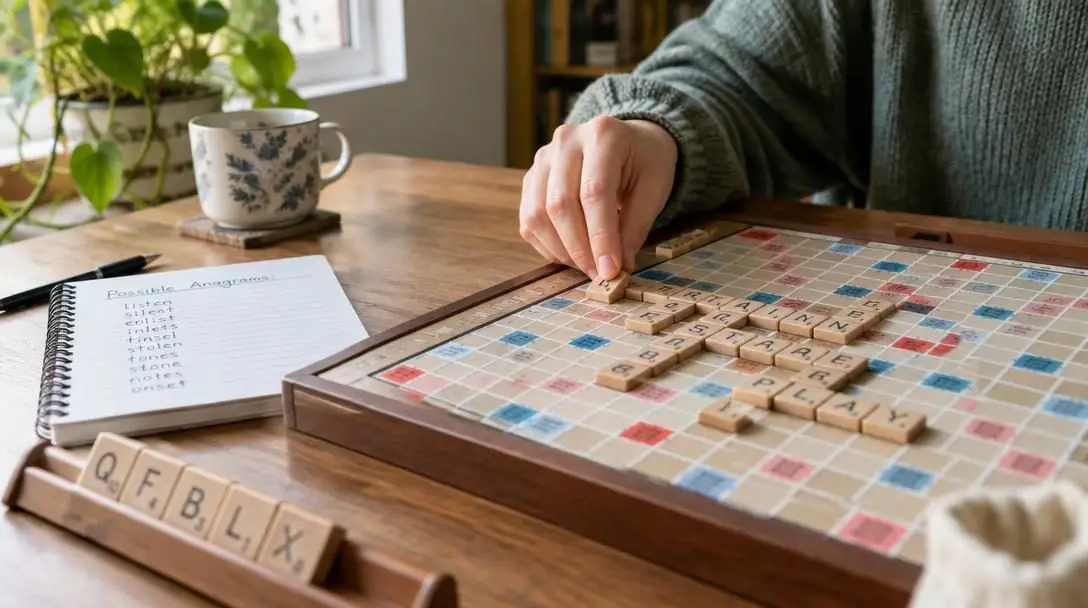
- Practice anagramming away from the board. Remove the stress of scorekeeping and board geometry by drawing seven random tiles from the bag and writing down every valid permutation you can find. This isolated exercise builds raw anagramming speed without external distractions.
- Master high-value letter pairings. Dedicate time to learning how high-point consonants interact with supporting vowels and common consonants. Knowing the exact letters that accommodate difficult tiles prevents them from stranding your hand during competitive games.
Advanced Strategies: Board Interaction and High-Scoring Words
Solving an anagram on your rack is only half the battle. To win competitive matches, you must integrate your hand with the existing geography of the board. The highest-scoring turns rarely come from finding long words in total isolation; rather, they come from weaving your letters through premium board squares and attaching them to existing plays.
Hooking Existing Board Words
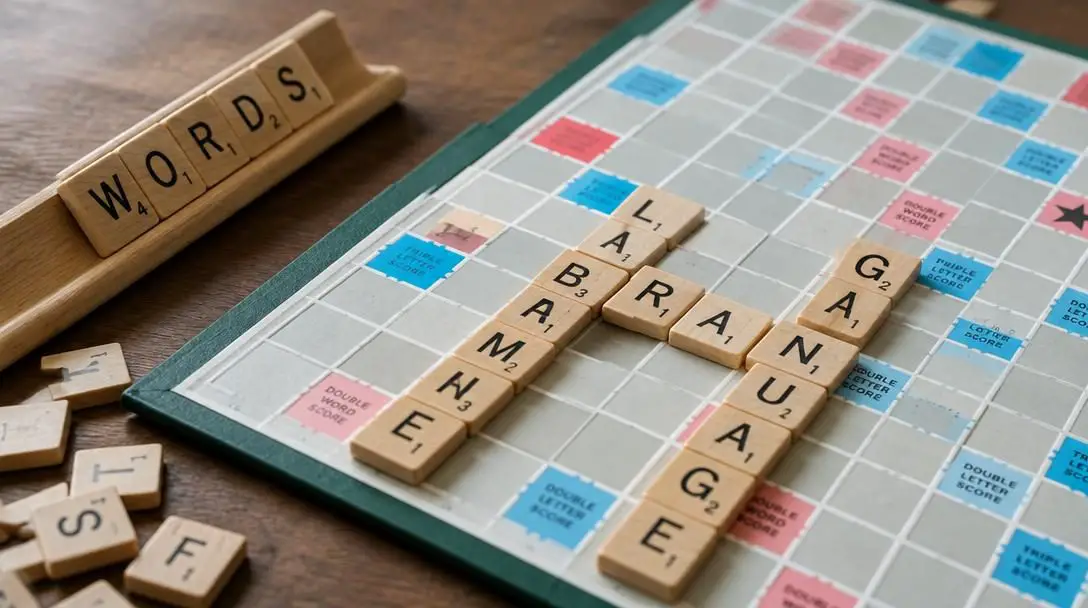
One of the most powerful tactical maneuvers in Scrabble is hooking, which involves attaching one or two letters to the beginning or end of a word already played on the board. For example, if the word cat is anchored on the board, you can add an s to the end to form cats, or prepend an h to create chat. Hooking allows you to play an entirely new word perpendicular to the original while simultaneously claiming points for the modified anchor word. When seeking hooks, your anagramming scope expands to include individual anchor letters across the grid.
Deploying High-Yield Short Words
Holding heavy tiles like Q, X, and Z can easily paralyze your rack if you wait around for an eight-letter masterpiece. Mastering compact, obscure vocabulary unlocks these high-scoring letters on cramped boards. A classic example is the word qi, a Chinese concept referring to life force, which gives players a legal way to deploy the 10-point Q without relying on a U. Mastering these short configurations keeps your rack fluid and prevents costly penalties at the end of the game.
Targeting Rare Multi-Tile Blockbusters
While short words offer consistency, possessing an expanded vocabulary of rare terms enables massive offensive swings. A famous competitive example is zyzzyva, the name of a tropical weevil, which boasts a base value of 41 points due to its dual Z tiles. While drawing such specific hands is rare, cultivating a broad knowledge of unusual English terms ensures that when the tiles align, you capitalize on the opportunity.
| Tile | Point Value | Core Challenge | Key Strategic Utility |
|---|---|---|---|
| Q | 10 | Heavily dependent on the letter U in standard English | Deployable without a U using short loanwords like qi to hit premium squares |
| X | 8 | Can lead to awkward vowel traps if held too long | Exceptional flexibility for parallel plays using short vowel pairs like ax and ox |
| Z | 10 | High scoring yield, but limited frequency in natural words | Devastating point multiplier when hooked into existing words or played on triple-letter scores |
Common Anagramming Traps and How to Avoid Them
Even seasoned word game enthusiasts frequently fall prey to psychological and tactical habits that reduce their anagramming speed. Recognizing these common mistakes will help you protect your score and maintain board control.
Fixating on Long Words While Ignoring the Board
Many players spend their entire turn searching for a dramatic, rack-clearing anagram, completely overlooking shorter placements that yield far more points. A modest five-letter word that hits a Triple Word Score or executes a double hook will almost always outperform a seven-letter word dropped onto an open, bonus-free area of the board.
Leaving High-Scoring Tiles Stranded
Refusing to play a letter like Q, X, or Z because you cannot find a 30-point play stalls your ability to draw fresh tiles. When you hoard high-point consonants, your hand stagnates, limiting your anagramming options on subsequent turns. If an optimal play is unavailable, use high-value consonants in short, reliable plays to refresh your rack.
Staring Passively at Stationary Tiles
Sitting completely still and waiting for inspiration to strike is the least efficient way to solve an anagram. When you keep your rack stationary, your brain continues to cycle through the same neural interpretations of those letters. Physically moving the tiles restarts your pattern-recognition process.
Neglecting Board Letters as Anagram Anchors
Limiting your focus strictly to the seven tiles on your rack cuts you off from the majority of scoring possibilities. High-level anagramming treats open board letters as an eighth or ninth tile in your hand. Always scan the board for accessible vowels and consonants that can serve as anchors for your rack's letter fragments.
Failing to Separate Common Word Fragments
Leaving prefixes, suffixes, and digraphs scattered randomly across your rack creates visual noise. When familiar fragments remain mixed with unrelated consonants, identifying the root word becomes significantly harder. Systematically pulling fragments to the side cleans your mental workspace.
Cognitive and Social Advantages of Scrabble Play
Engaging in regular Scrabble matches offers substantial mental and social benefits that extend far beyond board game night. The mental gymnastics required to analyze letter permutations, calculate point outcomes, and adapt to changing board states provides an intensive workout for the human brain.
Scientific studies have shown that engaging in demanding word games can improve memory retention and cognitive function in older adults. Navigating complex rules, recalling obscure vocabulary, and solving dynamic spatial puzzles challenges the brain to reinforce and maintain its neural pathways. Over time, regular anagramming serves as an accessible, stimulating routine that supports long-term mental sharpness.
Beyond cognitive maintenance, playing Scrabble in a shared physical setting provides vital social interaction. Sitting across a table to share strategic competition helps reduce stress, encourages meaningful conversation, and strengthens personal relationships. Combining focused mental effort with genuine personal connection makes Scrabble an uniquely rewarding lifelong hobby.
Frequently asked questions
What is the best way to practice anagramming on my own?
The most effective solo exercise is drawing seven random tiles from a Scrabble bag and writing down every possible word you can form without consulting the board or calculating points. This isolates pattern recognition from spatial strategy and builds rapid letter-pairing reflexes.
How can I play the letter Q if I do not have a U on my rack?
Memorizing valid non-U words is essential for every Scrabble player. Words like qi allow you to deploy the Q tile independently, freeing your rack from dead weight and capitalizing on available bonus squares.
Why is physically moving tiles better than mental anagramming?
Looking at a stationary set of letters causes the brain to fixate on specific, unhelpful letter orders. Physically shifting the tiles interrupts that visual feedback loop, presenting your visual cortex with new patterns and triggering alternative word associations.
What is a hook in Scrabble, and why does it matter?
A hook is an extra letter added to the front or back of an existing word on the board to form a new word, such as adding an s to cat to make cats. Hooks enable players to play words along perpendicular axes, scoring points for both the new word and the hooked word simultaneously.
Does playing Scrabble regularly offer long-term brain health benefits?
Yes. Research indicates that challenging word games support cognitive function and memory retention, particularly in older adults, by stimulating pattern recognition, linguistic recall, and strategic planning.
The bottom line
Transforming yourself into an expert anagrammer through Scrabble is an achievable, rewarding journey that requires both linguistic curiosity and disciplined rack management. By moving beyond static reading habits and treating your letters as flexible building blocks, you can uncover unexpected plays and exploit the geography of the board to its fullest potential.
Whether your goal is dominating your local club, winning friendly kitchen-table matches, or simply enjoying the cognitive benefits of lifelong mental exercise, the secret lies in active practice. Shuffle your rack, study your short words, look for hooks, and embrace the endless possibilities hidden within every draw of the tiles.