Can you make money homesteading?
The vision of trading corporate deadlines and crowded commutes for open fields, homegrown food, and complete self-sufficiency is a powerful dream for many aspiring homesteaders. Swapping office routines for honest physical labor and fresh air feels like the ultimate escape from modern pressures. However, once you take ownership of rural acreage, everyday economic realities assert themselves quickly.
Even if your ultimate ambition is to feed your household entirely from your own soil and detach from external commercial supply chains, modern life requires reliable cash flow. Mortgages, real estate taxes, tool replacements, and daily supplies demand immediate funds, making it critical to build practical revenue streams directly from your land and labor.
Key takeaways
- Homesteading rarely funds itself through a single paycheck, requiring landowners to layer fast-turnaround cash crops with slow-maturing farm ventures.
- Fixed overhead expenses such as property taxes, utility hookups, land debt, and equipment upkeep persist regardless of how self-reliant you become.
- Monetization opportunities span five primary categories: food items, handcrafted goods, live animal sales, educational content, and on-farm experiences.
- Financial resilience depends on running low-overhead startup projects first to support daily living while patiently cultivating long-term assets.
- Overlooking local zoning codes, neglecting detailed accounting, or leaning on one solitary revenue source are the most frequent financial missteps.
The Financial Realities Behind the Homestead Dream
Many individuals transition to rural living under unexpected economic circumstances. Some intentionally leave conventional employment behind to dedicate every waking hour to clearing fields, raising livestock, and setting up domestic systems. Others discover that the sheer physical workload of fixing perimeter fences, nursing sick animals, and weeding sprawling garden beds leaves zero hours in the day to maintain an outside job. In addition, rural properties are frequently isolated from major commercial centers, turning standard commutes into expensive, grueling slogs that drain both vehicle longevity and family energy.
Without an employer direct-depositing a paycheck every two weeks, your acreage must step into the gap. Unless a piece of land is paid for completely in cash upfront and operates entirely disconnected from public utilities, recurring invoices will show up in the mailbox every month. Planning for these non-negotiable costs protects a homestead from premature financial collapse:
- Land and housing debt: Mortgages and land contract notes are fixed obligations that demand timely monthly payment regardless of drought, frost, or pest pressure.
- Utility bills and water access: While working toward complete off-grid independence, many growers still lean on public electrical grids. Similarly, properties without fully developed, high-yield wells must tap into municipal water supplies, resulting in recurring monthly fees.
- Taxes and regulatory fees: County property taxes arrive every year without fail. Furthermore, operating work trucks, livestock haulers, and utility trailers necessitates yearly vehicle and farm equipment registrations.
- Maintenance and wear: Fences fail, tractors require fluid changes, hand tools snap, and barns need shingle replacements after rough weather. This ongoing wear and tear represents a steady drain on cash reserves.
- Household staples: A working homestead can produce bountiful calories, yet very few parcels supply personal toiletries, dish soap, household furnishings, cooking utensils, or grocery items that cannot be cultivated in local soil.
How Homestead Economics Work: Stacking Short-Term and Long-Term Assets
Thriving farmstead businesses rarely discover a single silver bullet that pays all the bills at once. Instead, seasoned operators construct a diverse portfolio of overlapping enterprises that monetize every physical resource, biological process, and personal skill available on the property. When every square foot of soil and every chore is evaluated for commercial utility, daily farm maintenance transforms into sellable output.
A stable rural enterprise intentionally strikes a balance between rapid cash turnover and patient capital building. Annual vegetable gardens, micro-dairy operations, and daily egg collection produce quick, liquid funds that satisfy weekly grocery runs, animal feed bills, and monthly power costs. In contrast, long-range undertakings like planting a diverse fruit orchard or breeding high-pedigree replacement livestock demand multiple seasons of labor and investment before yielding a harvest.
Short-term farm goods support your day-to-day budget while patient, multi-year projects mature quietly in the background to build long-term stability.
By stacking these systems together, the homesteader avoids the boom-and-bust trap that often breaks seasonal businesses. Immediate products act as the economic shock absorber, keeping operations solvent while the property's productive capacity expands with each passing year.
Five Core Avenues for Homestead Monetization
Depending on your regional climate, the topography of your land, personal physical endurance, and specific domestic skills, you can launch distinct commercial operations straight from the farmstead gate.
Selling Food Products and Pantry Goods
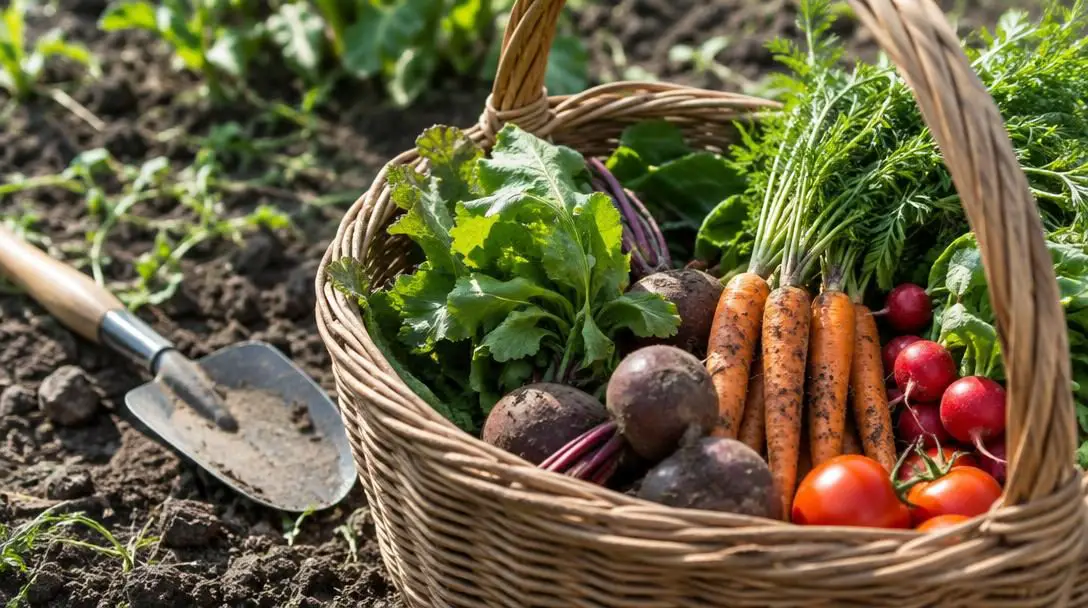
Surplus food represents the most natural, immediate commercial commodity on a working homestead. Whenever your vegetable plots, animal paddocks, or barns produce more yield than your kitchen table can consume, that excess can be sold directly to local consumers who value fresh, traceable nutrition. Fresh dairy offers steady returns; surplus milk from dairy cows or dairy goats can be marketed directly or processed into value-added homemade dairy goods such as soft or aged cheeses.
Livestock and poultry also open up profitable niches. Extra eggs collected daily from pastured laying hens are easy to move within neighborhood circles. You can also raise targeted batches of meat birds, turkeys, or grass-fed beef for local patrons wanting responsibly grown farm proteins. When gardening yields a glut of produce, seasonal fruits and garden vegetables can be sold raw, or transformed into high-margin pantry goods like homemade jams, jellies, and fresh-baked artisanal breads.
Handcrafting Usable Domestic Goods
Homesteading demands the continuous development of practical, hands-on crafting talents. Transforming raw ingredients into shelf-stable, utilitarian domestic items enables you to capture strong profit margins without needing thousands of acres of pasture. Using beeswax, base oils, and dried garden botanicals, you can handcraft soothing body balms, gentle skin lotions, and cold-process soaps.
Poured wax candles offer both functional emergency lighting and decorative ambiance for buyers seeking clean-burning home goods. Formulating everyday, safe household cleaning products addresses the surging consumer demand for chemical-free, straightforward household supplies. Furthermore, mastering traditional fiber arts—such as sewing, quilting, or knitting durable garments and household textiles—allows you to convert raw yardage or scrap cloth into heirloom-grade functional wares.
Raising, Breeding, and Selling Animals
Under attentive management and sound husbandry, livestock naturally multiply, creating an active marketplace for live animals and animal byproducts. Rather than selling animals solely for meat, homesteaders can focus on raising quality breeding stock. Developing healthy herds of dairy goats or resilient sheep allows you to supply new homesteaders looking to establish their own foundation herds.
Smaller-scale breeding operations are equally lucrative and require far less acreage. Gathering fertile eggs from your poultry flock and running them through tabletop incubators lets you market day-old chicks directly to backyard poultry enthusiasts every spring. Shearing fiber animals such as sheep or alpacas yields raw fleeces or processed wool that can be sold directly to spinners, crafters, and fiber artists. Even worm cultivation offers easy income: breeding worms in dark, moist plastic bins produces valuable compost helpers for local vegetable growers alongside active live bait for area anglers.
Educating and Sharing Your Expertise
Every single failure, layout adjustment, animal health dilemma, and infrastructure repair on your land provides you with valuable practical knowledge. Aspiring growers living in suburban neighborhoods or transitioning onto land are eager to learn field-tested approaches that bypass costly trial and error. Monetizing your experience requires minimal capital compared to raising large livestock.
You can establish a presence on platforms like Parler or comparable social networks, setting up exclusive membership tiers where subscribers pay an ongoing fee to access behind-the-scenes tutorials, live Q&A sessions, and operational logs. Hosting community workshops on your property enables you to teach high-demand domestic skills such as seasonal food preservation, sourdough bread baking, small-scale animal care, and bio-intensive vegetable gardening. Additionally, writing detailed instructional how-to guides, self-publishing informational books, or maintaining an ad-supported homestead blog documents your journey while generating steady intellectual-property income.
Hosting Experiences on the Property
If you have an outgoing personality and take pride in curating welcoming spaces, your physical property can become an agritourism destination. Pastoral views, weathered timber barns, and open green pastures can be transformed into rustic event spaces for private gatherings, milestone parties, and outdoor country weddings.
Seasonal harvest attractions capitalize on traditional family holiday outings. Dedicating an acre or two to cut-your-own Christmas trees establishes a multi-year holiday tradition, while planting an autumn pumpkin patch draws weekend crowds looking for seasonal outings. Furthermore, constructing or retrofitting a few small rustic cabins or off-grid tiny homes lets you operate farm-stay rentals, welcoming urban travelers looking to unplug, breathe country air, and recharge in a tranquil setting.
Comparing Homestead Revenue Strategies
Selecting the best mix of income streams requires matching your land's acreage, your upfront savings, and your timeline for profitability. The table below outlines how these diverse enterprises compare across essential operational attributes.
| Enterprise Category | Primary Products or Services | Initial Capital Requirement | Income Realization Timeline |
|---|---|---|---|
| Food and Pantry Staples | Raw milk, cheeses, surplus eggs, freezer meats, garden vegetables, jams, baked goods | Low to moderate | Fast (days to months) |
| Handcrafted Goods | Botanical soaps, skin balms, poured candles, domestic cleaners, sewn or knit textiles | Low | Fast (weeks) |
| Animal Breeding and Byproducts | Breeding goats and sheep, day-old chicks, raw wool and alpaca fiber, live bait worms | Moderate to high | Moderate (seasonal to annual) |
| Educational Services | Platform memberships, in-person workshops, instructional guides, how-to blog content | Very low | Fast to moderate (weeks to months) |
| On-Farm Experiences | Outdoor wedding venues, cut-your-own Christmas trees, pumpkin patches, tiny home rentals | Moderate to high | Slow (several seasons to multi-year) |
Step-by-Step Blueprint to Launch a Homestead Business
Transforming personal self-sufficiency hobbies into a legitimate, profitable farm enterprise requires methodical preparation. Adopting an orderly approach prevents wasted funds and spares your family from unnecessary physical exhaustion.
- Conduct an exhaustive resource audit: Walk every boundary line of your acreage. Catalogue your tillable soil, standing outbuildings, barns, fences, hand tools, and heavy machinery. Assess your own physical endurance alongside the specific domestic and trade skills your family possesses to determine which tasks you can comfortably sustain daily.
- Select immediate, low-overhead ventures: Choose one or two low-barrier projects that produce cash right away without requiring major loans. Selling surplus chicken eggs, bundling fresh produce, or crafting simple botanical cleaners and soaps can establish cash flow within weeks.
- Plot multi-year capital investments: Lay the groundwork for long-maturing ventures that compound in value over time. Map out your orchard rows, buy foundational breeding stock, plant your holiday tree patches, or begin architectural planning for guest rental cabins.
- Establish direct-to-consumer sales channels: Determine how your products will reach paying buyers. Build a simple roadside farm stand, join neighborhood market exchanges, leverage digital community platforms, or establish direct-to-consumer delivery networks via word of mouth.
- Monitor cash flow and input costs: Track every financial metric with absolute precision. Record purchases of livestock feed, seed packets, canning lids, packaging supplies, and equipment fuel. Compare these operational expenses against your sales figures to guarantee your prices produce authentic profit.
Common Traps That Derail Homestead Finances
Running a successful rural business presents unique operational pitfalls that often catch first-generation homesteaders unprepared. Steering clear of these routine mistakes will keep your business afloat through seasonal downswings.
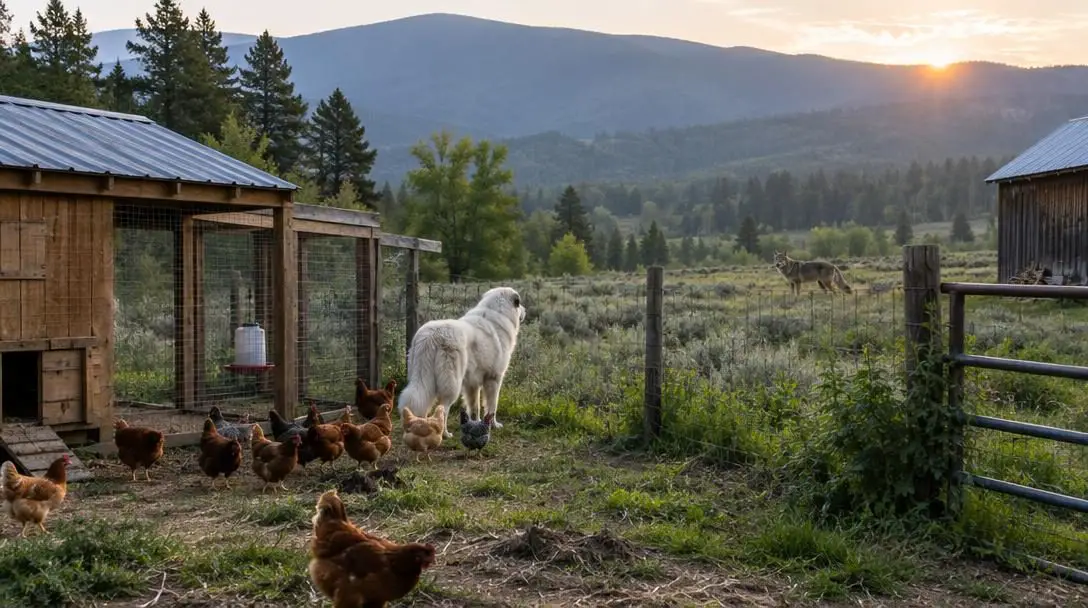
- Betting everything on a single crop or animal: Relying exclusively on one agricultural venture leaves your homestead exceptionally vulnerable. A sudden poultry predator, a prolonged summer drought, or a localized blight can wipe out your entire revenue pipeline overnight if you lack alternative streams.
- Underestimating ongoing operational overhead: Beginners frequently calculate potential profit based on gross harvest volume while overlooking property taxes, equipment repairs, vehicle registrations, and routine infrastructure maintenance. These hidden expenses eat up paper profits rapidly.
- Overlooking local zoning codes and legal ordinances: Launching guest cabins, hosting public weddings, or processing raw agricultural foods without verifying municipal guidelines can trigger severe regulatory fines, shut down orders, and legal disputes.
- Skipping necessary research and market preparation: Diving headlong into complex livestock breeding, large-scale orchards, or expensive soap formulations without assessing local buyer demand or mastering the underlying crafts often leads to abandoned projects and empty bank accounts.
Frequently asked questions
Can you earn a full-time living homesteading without an off-farm job?
Yes, but it typically requires combining multiple complementary revenue streams rather than relying on a single crop. Successful full-time homesteaders support their baseline living costs through immediate products like eggs, garden produce, and handmade goods while building long-term assets such as fruit orchards, breeding herds, or rental accommodations.
What are the lowest-cost enterprises to start on a homestead?
Selling fertile hatching eggs, fresh chicken eggs, surplus vegetables, and homemade botanical soaps or household cleaners require very little starting capital. Teaching workshops, publishing homesteading guides, or starting a paid membership community on platforms like Parler are also low-cost ventures because they leverage your existing skills rather than expensive physical assets.
Why is it risky to focus on only one farm product?
Agricultural enterprises are subject to environmental and biological disruptions such as predatory animals, insect blights, unseasonable freezes, and fluctuating feed costs. Relying on a single output leaves your household completely unprotected if that specific harvest or herd fails.
Do homestead businesses have to pay standard taxes and fees?
Yes. Moving to the countryside does not eliminate regular financial responsibilities. Homesteaders must cover county property taxes, annual registration fees for trucks and trailers, and legal taxes on the business income generated from direct farm sales or agritourism activities.
How long does it take for a homestead to become profitable?
Fast-turnaround products like poultry eggs, seasonal vegetables, and handmade domestic soaps can produce immediate revenue within weeks or months. However, high-yield long-term assets—such as full-bearing fruit orchards, established animal breeding operations, and farm stay rental cabins—typically require several seasons of steady labor and investment before turning a strong profit.
The Bottom Line
Generating a viable living from a homestead is a practical, achievable reality, but it requires approaching your land with the mindset of an entrepreneur. True self-reliance is not about cutting yourself off from economic exchange; it is about building resilient systems that generate healthy cash flow from the resources right beneath your feet.
Before investing your savings into new equipment or livestock, carefully evaluate your physical stamina, your family's long-term lifestyle ambitions, and the natural gifts of your acreage. Choose enterprises that integrate smoothly into the chores you already perform every morning and evening. By pairing immediate, cash-flowing goods with durable, slow-maturing farm assets, you can construct an enduring, profitable homestead that stands the test of time.