Collecting Rare Coins: A Guide to Starting Your Collection
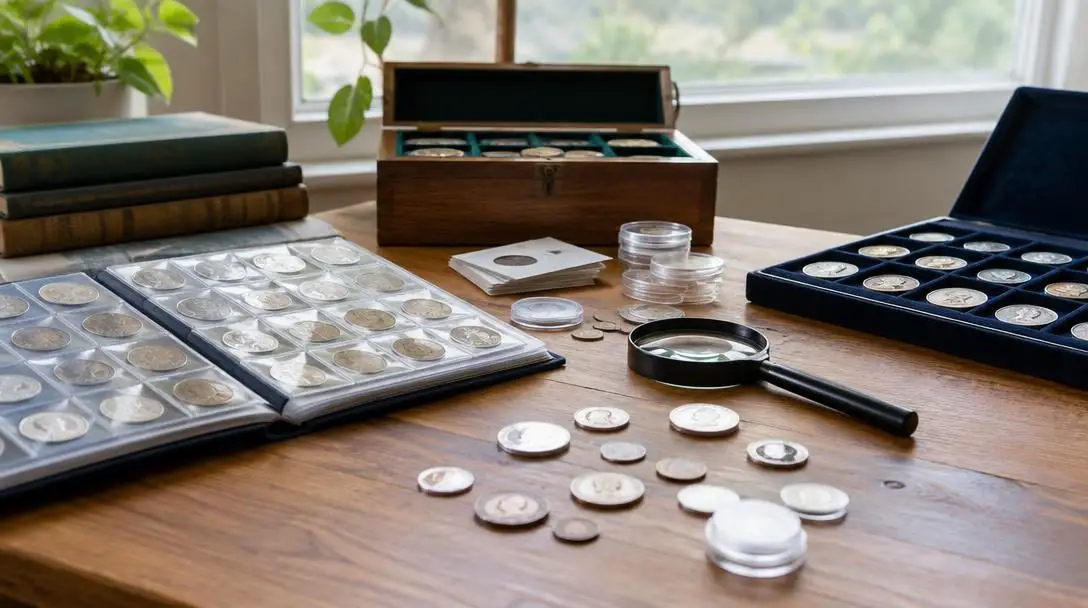
Collecting rare coins bridges the gap between historical curiosity and disciplined financial strategy, captivating hobbyists across generations. For many enthusiasts, the primary allure lies in the thrill of the hunt—the pursuit of tracking down elusive issues and holding a tangible artifact from centuries past. Yet, moving from a curious beginner to a seasoned numismatist involves a substantial learning curve that demands patience, study, and careful planning.
To establish a collection that brings both aesthetic satisfaction and long-term security, collectors must master the core mechanics of the numismatic marketplace. This entails understanding how coins are formally appraised, structuring a focused acquisition plan, practicing museum-grade storage and preservation, and executing a prudent exit strategy when it is time to sell. By building strong habits from the outset, you protect your capital and gain genuine enjoyment from holding pieces of world history.
Key takeaways
- Numismatics combines historical study with tangible asset collecting, historically performing well against traditional assets like stocks, bonds, and real estate over long horizons.
- A coin's market value relies on an intersection of physical condition, rarity, chronological age, and standardized grade.
- Handling coins strictly by their edges and storing them in dark, climate-controlled environments prevents permanent environmental degradation.
- Cleaning a coin with chemicals or abrasives strips away its original patina, irreversibly lowering its collector grade and market value.
- When liquidating, partnering with vetted dealers or specialized auction houses during strong market periods maximizes investment returns.
Understanding Numismatics and Market Dynamics
The formal practice of studying and collecting currency is known as numismatics. While everyday currency functions merely as a medium of economic exchange, numismatic coins are evaluated for their artistic design, minting history, cultural context, and relative scarcity. Over centuries, this pursuit evolved from a specialized pastime among aristocrats into an organized international marketplace supported by professional dealers, major auction firms, and independent grading authorities.
Before spending money on your first piece, educating yourself on market fundamentals is crucial. New collectors should immerse themselves in reference literature, historical auction records, and educational resources provided by leading industry institutions. Organizations such as the American Numismatic Association (ANA) and the Professional Coin Grading Service (PCGS) publish detailed guides, historical research, and market analyses that help beginners grasp how coins are categorized and valued.
From an investment perspective, high-grade rare coins have demonstrated a strong historical track record, often performing better over the long term than traditional investments like stocks, bonds, or real estate. However, coin values do not move in a straight line. The market experiences cyclical fluctuations driven by shifting supply and demand dynamics, broader political and economic factors, and evolving grading criteria. Navigating these cycles requires a foundational understanding of what makes a particular coin desirable to future buyers.
The Four Pillars of Rare Coin Evaluation
Determining the value of a rare coin requires more than checking whether the metal looks bright or readable. A coin's overall standing is determined through an intersection of four critical factors: condition, rarity, age, and grade. Comprehending how these attributes interact allows you to spot genuine value and avoid overpaying for mediocre specimens.
| Evaluation Pillar | Primary Assessment Factors | Market Impact |
|---|---|---|
| Physical Condition | Sharpness of strike, metal preservation, surface marks, scratches, luster | Directly sets the baseline for the coin's preservation score |
| Scarcity and Population | Total mintage, survival rates, known specimens in higher tiers | Creates supply constraints that drive competitive market bidding |
| Chronological Age | Historical era, minting date, cultural significance of the issue | Supplies historical interest, though age alone does not guarantee high value |
| Standardized Grade | Third-party assessment by professional verification services | Establishes a universal, authenticated benchmark for pricing and liquidity |
Physical Condition
Condition measures the physical state of preservation of the coin. Evaluators examine the sharpness of the original strike, the amount of detail remaining on high relief areas, the presence of contact marks or surface scratches, and how much of the original mint luster remains intact. Wear from circulation softens intricate details, significantly separating heavily circulated examples from pristine specimens.
Scarcity and Population
Rarity is determined by how many examples of a specific coin survive today, rather than how many were minted originally. A coin produced in large quantities centuries ago might be exceptionally scarce today if the vast majority were melted down, lost at sea, or destroyed. The surviving population—particularly in top condition—exerts tremendous upward pressure on market pricing.
Chronological Age
Age grants historical context and depth to a collection, giving collectors direct contact with past empires, revolutions, and eras of economic transformation. However, age must always be weighed alongside scarcity and preservation. An ancient bronze piece found in abundant quantities may be worth far less than an early twentieth-century gold issue with an extremely small surviving population.
Standardized Grade
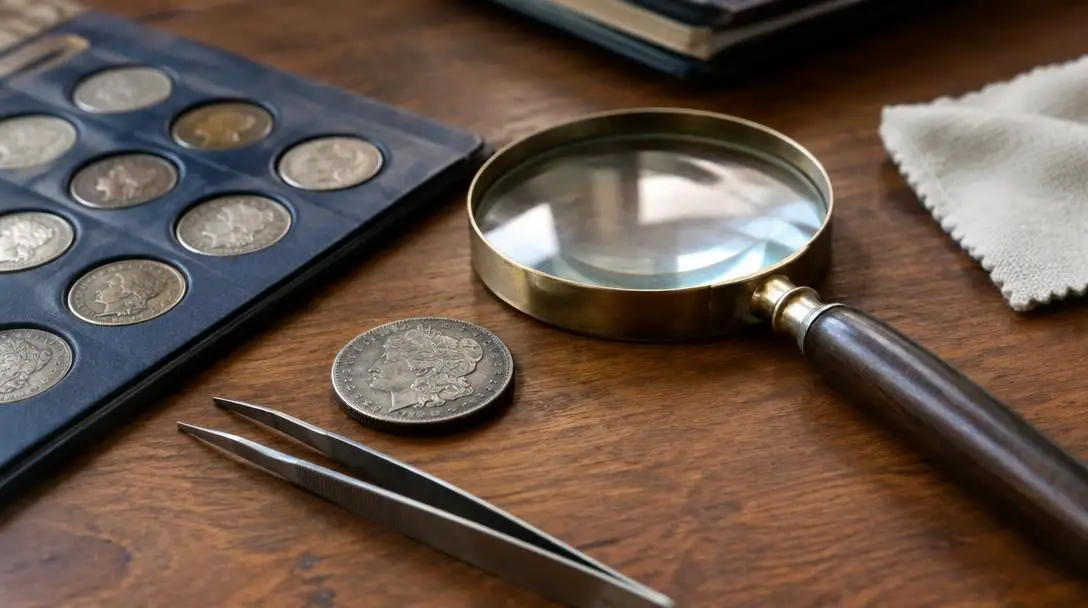
Grading is the formalized process of establishing a coin's condition using universally accepted criteria. Because counterfeits, altered dates, and added mint marks are ongoing risks in the marketplace, third-party authentication is essential. Professional grading services examine the coin for authenticity, evaluate its preservation state, assign an official numerical grade, and encapsulate it in a tamper-evident, sonically sealed holder commonly called a slab.
Holding an ancient or rare coin provides an immediate, tactile connection to the political, economic, and artistic history of human civilization.
Primary Venues for Acquiring Rare Coins
Finding high-quality coins requires exploring multiple sourcing channels. Diversifying your search methods allows you to inspect specimens in person, compare prices across dealers, and network with experienced collectors who share your specific interests.
Reputable Coin Dealers
Working with an established, professional coin dealer is one of the safest ways to source authentic material. Reputable dealers carry diverse inventories across various price tiers and historical periods. More importantly, seasoned dealers offer guidance, share historical context, provide honest condition appraisals, and help you refine your acquisition strategy.
Numismatic Coin Shows
Attending commercial coin shows offers beginners exposure to hundreds of dealers under one roof. Shows allow collectors to view vast inventories side by side, inspect coins under magnifying loupes, and interact face-to-face with regional and national specialists. The competitive showroom environment is ideal for price comparison and direct negotiation.
Peer Collector Networks
Connecting with other collectors expands your access to off-market opportunities. Experienced peers often trade duplicate pieces, share valuable intelligence regarding market trends, and introduce beginners to private sales before items reach public commercial channels. Cultivating relationships within the collector community creates long-term trading opportunities.
Numismatic Clubs and Societies
Joining local clubs and national numismatic societies provides a structured educational framework. Club meetings feature guest lectures, coin presentations, and study sessions that accelerate your learning curve. Mentorship gained through local chapters helps beginners steer clear of costly mistakes while participating in a supportive community.
Step-by-Step Guide to Launching Your Collection
Embarking on a numismatic journey without a clear roadmap often leads to scattered purchases and wasted capital. Approaching your acquisitions systematically ensures that your collection remains coherent, financially manageable, and personally rewarding over the long haul.
- Commit to initial numismatic education: Read introductory books, review historical auction archives, and examine educational guides produced by organizations like the American Numismatic Association and PCGS to understand grading and pricing baselines.
- Establish a practical collecting budget: Determine a comfortable spending limit that aligns with your personal finances. While maintaining financial discipline is vital, remember that collecting is an enjoyable hobby—set spending boundaries that allow you to participate without stress.
- Locate and vet reputable dealers: Identify dealers with established histories in the numismatic trade and clear reputation records. Select professionals who readily answer detailed questions and maintain transparent return and authenticity policies.
- Define a cohesive collecting scope: Avoid buying unrelated coins at random. Select a specific country, a defined historical era, or a distinctive design theme to provide your collection with direction and purpose.
- Target pieces with strong fundamentals: Acquire authenticated, professionally slabbed coins that possess aesthetic appeal, historical significance, and upward growth potential within your chosen focus.
- Prepare preservation tools before purchases arrive: Have specialized archival-grade holders, handling trays, and climate-controlled storage ready so every coin is protected the moment you receive it.
Essential Handling and Preservation Rules
Rare coins are delicate historical artifacts that can easily suffer physical and environmental damage if handled or housed incorrectly. Metal surfaces are susceptible to chemical reactions caused by airborne pollutants, high moisture levels, and the natural oils found on human skin.
To preserve your collection over decades, keep your items stored inside protective cases placed in a temperate, dark location with moderate humidity. Environmental stability is critical: sharp swings in ambient temperature or exposure to excessive moisture can accelerate oxidation and tarnish, while prolonged exposure to direct sunlight can degrade protective holders and cause uneven toning across coin surfaces.
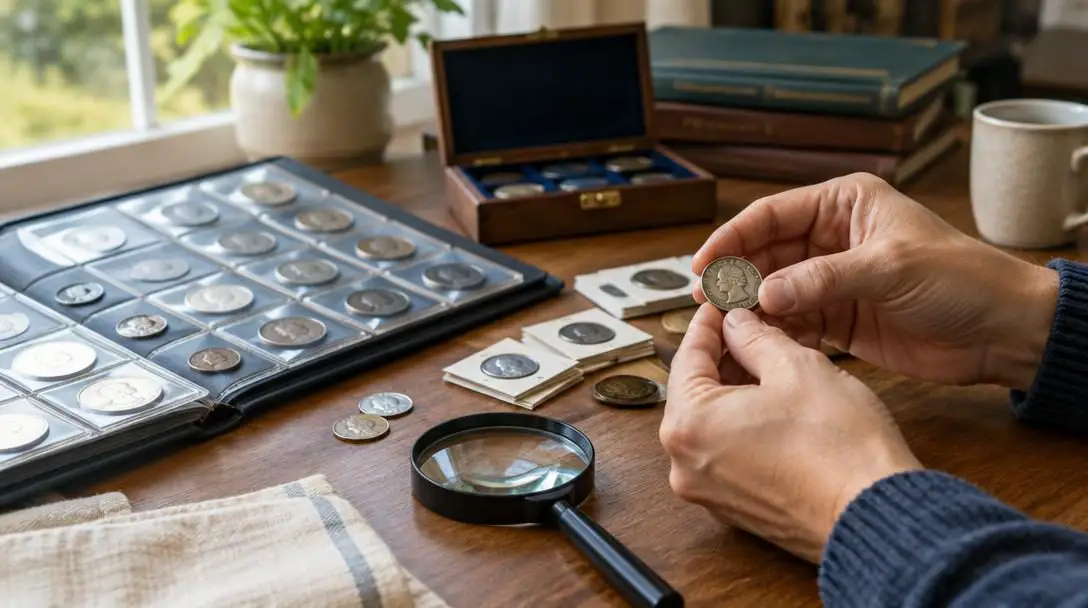
Handling requires consistent discipline. Before touching any loose, unencapsulated coin, ensure your hands are washed thoroughly and dried completely. Use cotton gloves or specialized plastic-tipped tongs whenever handling high-grade specimens. Always grip the coin firmly by its outer rim between your thumb and forefinger—never touch the obverse or reverse fields, as finger contact transfers microscopic oils that cause indelible blemishes.
The natural outer layer that forms across a coin over decades of exposure to ambient air is known as its patina or toning. In the eyes of numismatists and grading services, an original, undisturbed patina is an essential marker of historical integrity. Using chemical dips, abrasive pastes, or polishing cloths strips this layer away, leaving an unnatural, washed-out finish that immediately drops the coin's technical grade and drastically diminishes its market value.
Common Traps for Beginner Collectors
Avoiding standard early pitfalls is just as crucial as knowing which coins to buy. Beginners who bypass core principles often end up with overgraded specimens, damaged metal, or unfocused holdings that prove difficult to liquidate.
- Cleaning tarnished coins: Attempting to restore a bright, shiny appearance through chemical washes or abrasive wiping permanently scratches delicate metal fields and removes original luster.
- Impulsive buying without research: Purchasing coins before studying historical auction records, price guides, and population reports frequently results in paying premium prices for common issues.
- Sourcing from unverified sellers: Acquiring uncertified raw coins from unknown online sellers or generalist antique outlets increases exposure to altered mint marks, repaired surfaces, and counterfeit strikes.
- Substandard storage habits: Storing raw coins in non-archival vinyl holders containing damaging plasticizers, or keeping them in damp basements or hot attics, leads to active surface corrosion.
- Overextending personal finances: Committing funds beyond your disposable discretionary budget turns an engaging, relaxing hobby into a stressful financial burden.
- Accumulating disconnected inventory: Buying mismatched coins without a unifying theme makes it difficult to cultivate specialized knowledge, track market performance, or sell the collection as a cohesive unit.
Long-Term Strategy and Navigating the Selling Process
As your knowledge expands and your collection matures, your numismatic objectives may evolve. You might decide to streamline your holdings, upgrade individual specimens to superior grades, shift into an entirely new historical era, or liquidate specific assets to harvest accumulated investment gains. Knowing how and when to sell is just as vital as knowing how to buy.
Because the rare coin market fluctuates according to economic cycles, regional political shifts, and supply-demand imbalances, being selective about market timing is paramount. Selling into a strong, active market with high collector demand yields far better financial returns than forced selling during an economic downturn or period of soft collector interest.
When you decide to sell, selecting the appropriate sales avenue dictates your net proceeds. You can work with a trusted, reputable dealer who will evaluate your inventory fairly and make a direct purchase offer. This method provides immediate liquidity and removes transaction uncertainty.
Alternatively, public auction firms offer an outstanding route for truly rare or high-demand pieces. Auctions expose your coins to a broad, international pool of motivated bidders, creating competitive pressure that can drive final realized prices far above estimated values. Regardless of whether you hold coins for decades for pure aesthetic enjoyment or manage them as an alternative asset portfolio, approaching rare coin collecting with analytical rigor ensures lasting satisfaction.
Frequently asked questions
What is the difference between coin collecting and numismatics?
Coin collecting generally describes the recreational assembly of coins for enjoyment or personal interest. Numismatics is the formal, systematic study and evaluation of physical currency, encompassing its historical context, artistic design, minting metallurgy, and economic impact.
Why does cleaning a coin ruin its monetary value?
Cleaning alters the metal's microscopic surface layer, causing hairline scratches, removing original mint luster, and stripping the natural patina that forms over decades. Numismatists and grading services prize original surfaces, and cleaned coins receive downgraded or altered details designations that drastically diminish market demand.
What is a coin slab, and why is it important?
A coin slab is a rigid, tamper-evident plastic capsule used by third-party grading organizations like PCGS to enclose an authenticated coin. It protects the metal from physical contact and environmental contamination while clearly displaying the coin's verified grade and certification details.
How do rare coins compare to traditional investments like stocks or real estate?
Over long historical holding periods, quality rare coins have demonstrated capital growth competitive with, and at times exceeding, traditional assets like stocks, bonds, and real estate. However, coin values fluctuate based on collector demand, grading criteria, and economic trends, requiring specialized knowledge to navigate successfully.
Where should I keep my rare coins at home?
Store your coins inside protective holders located within a temperate, dark environment with moderate, stable humidity levels. Avoid areas prone to temperature spikes or dampness, such as attics, garages, or unfinished basements, and keep them away from direct sunlight.
The bottom line
Entering the world of rare coins offers a rare blend of historical preservation, artistic appreciation, and wealth-building potential. Becoming a successful collector does not require limitless capital, but it does demand intellectual curiosity, careful attention to condition and authenticity, and disciplined handling practices. By defining a clear collecting theme, partnering with verified professionals, and leaving natural surfaces untouched, you ensure your collection delivers lasting historical and financial value.