
Cooking and Baking as Hobbies: Recipes for Success
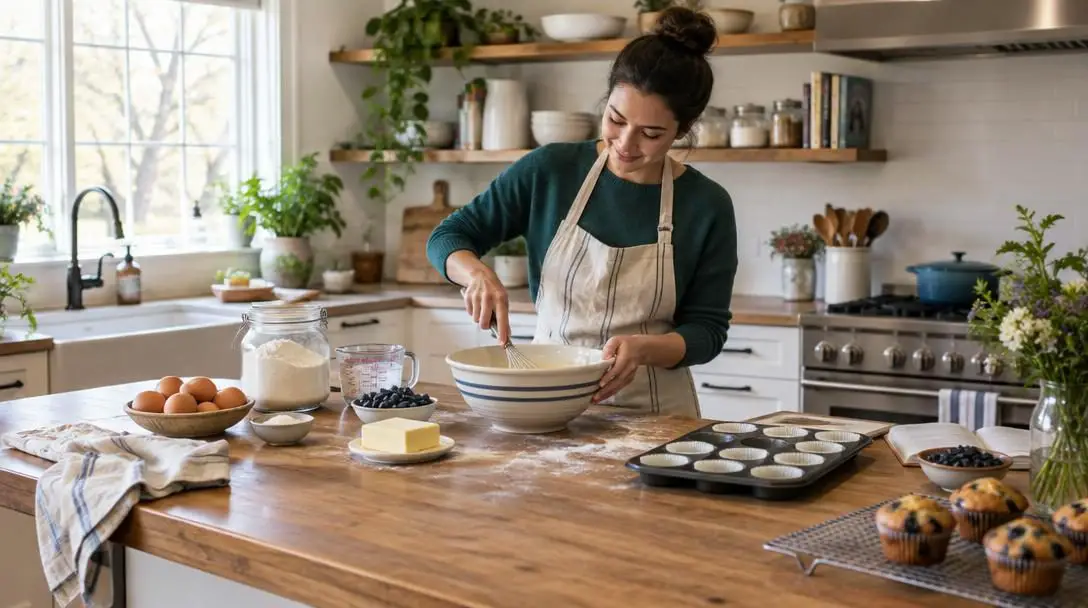
Modern living is frequently defined by fast-paced routines, packed schedules, and an unrelenting expectation of instant gratification. In such an environment, preparing daily meals can easily be reduced to a mechanical chore or solved entirely through prepackaged convenience foods that disconnect eaters from the process of creation. Looking at the kitchen through a fresh perspective reveals that the art of cooking and baking offers far more than simple physical survival; preparing food by hand serves as a dynamic creative outlet, an authentic avenue for personal expression, and a profound source of everyday satisfaction.
Culinary pursuits bridge the gap between essential domestic labor and creative leisure. When approached deliberately, time spent standing over a cutting board or peering beside an oven door slows down the tempo of the day and demands tactile presence. Whether you are returning to long-forgotten techniques or encountering raw culinary ingredients for the very first time, adopting cooking and baking as dedicated hobbies brings substantial benefits to personal well-being, turning ordinary dinners into an active and rewarding craft.
Key takeaways
- Culinary skills grow through an ongoing cycle of planning, practical execution, sensory evaluation, and constructive reflection.
- A solid foundation begins with simple recipes and fundamental kitchen tools rather than complicated projects or specialized gadgets.
- Frequent taste testing during the cooking process is essential for understanding spices and mastering flavor balance.
- Visual presentation elevates everyday dining, turning both savory plating and baked good decoration into accessible creative outlets.
- Embracing semi-homemade shortcuts eliminates unnecessary kitchen stress while keeping the focus on personal effort and fun.
How Culinary Skills Develop Over Time
In the culinary arts, mastery is never achieved in a single afternoon. Instead, culinary competence evolves through an interactive, recurring cycle consisting of planning, practical execution, sensory evaluation, and constructive reflection. Every time a home cook approaches the counter to attempt a recipe, they engage multiple senses at once, steadily internalizing cause-and-effect relationships that make future efforts feel intuitive rather than rigidly mechanical.
This progression generally moves cooks away from absolute recipe dependence and toward sensory intuition. In the earliest phases, a novice relies strictly on written instructions, anxiously monitoring digital timers and adhering to ingredient measurements to the letter. As recipes are repeated, however, the cook begins to notice subtle visual, tactile, and auditory cues. They learn to identify the exact shade of golden brown that indicates a loaf of bread is finished, the distinct sound of butter sizzling at the precise temperature for searing, and the fragrant aroma that signals minced garlic has softened rather than burned.
Baking leans heavily on structural balance, ingredient proportions, and thermal dynamics, requiring strict attention to the precise interactions taking place between wet and dry components. Savory cooking, on the other hand, allows for dynamic adjustment while the pan remains over direct heat. By combining both approaches, home cooks develop a well-rounded appreciation for how ingredients transform under heat, how moisture behaves, and how individual seasonings come together to create a unified profile.
Shifting the objective from merely getting dinner on the table to learning a craft transforms the kitchen into a space for lifelong discovery.
Comparing Distinct Culinary Disciplines
Understanding the contrasting mechanisms behind savory cooking, sweet pastry, and blended preparation methods helps home cooks choose projects that align with their mood, energy levels, and developmental goals.
Savory Cooking
Savory cooking is fundamentally centered on dynamic flavor adjustments, thermal control, and sensory-guided experimentation. Cooks working in savory traditions enjoy high degrees of on-the-fly flexibility. If a sauce lacks depth, acid or aromatics can be introduced immediately while the pan is on the stove. This discipline trains the cook to rely heavily on visual cues and frequent palate evaluations.
Baking and Pastry
Baking and pastry arts represent a discipline grounded in structural chemistry, moisture ratios, and thermal dynamics. Unlike stovetop preparations, baked goods cannot be easily altered once placed inside the oven. Success relies on accurate weighing, strict adherence to component balances, and patience, teaching home cooks disciplined preparation and the science of food transformation.
The Semi-Homemade Approach
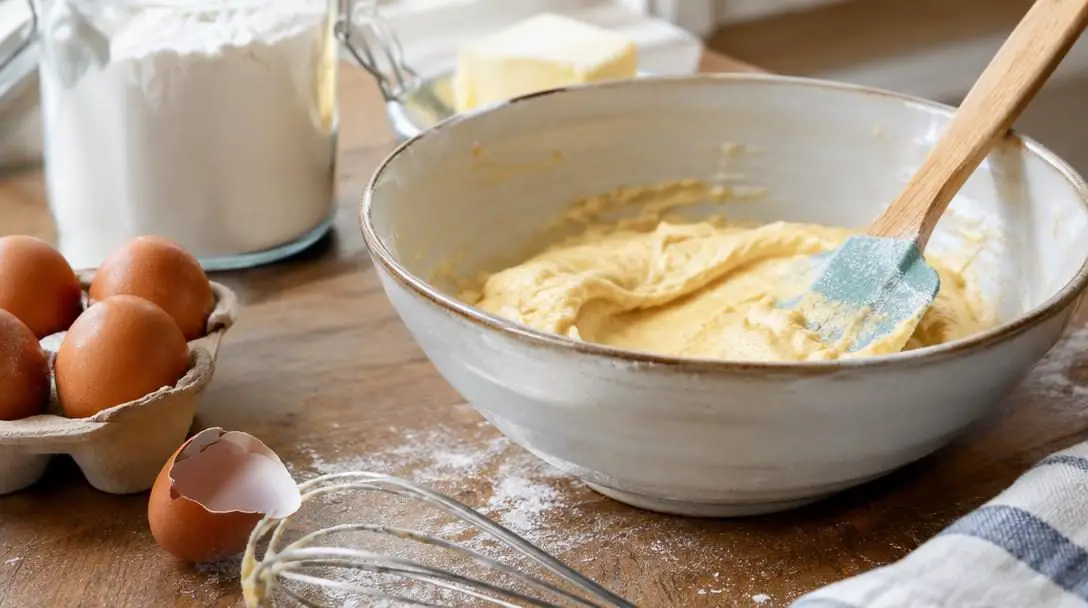
The semi-homemade discipline merges dependable store-bought components with scratch-made elements, offering an accessible bridge for beginners. By relying on pre-made staples to handle time-intensive or technically challenging bases, cooks can concentrate their creative energy on fresh additions, sauces, and customized seasoning profiles without enduring unnecessary kitchen fatigue.
tbody| Discipline | Primary Focus | Flexibility Level | Learning Curve |
|---|---|---|---|
| Savory Cooking | Flavor balance, heat control, seasoning adjustments | High; ingredients and spices can be altered during cooking | Sensory-driven through frequent tasting and visual cues |
| Baking & Pastry | Structural balance, thermal dynamics, component ratios | Low; relies on precise measurements and chemistry | Formula-driven requiring structural precision and patience |
| Semi-Homemade | Combining pre-made staples with scratch elements | Very High; custom adjustments eliminate preparation stress | Accessible entry point for testing complex flavor pairings |
Practical Steps for Starting Your Culinary Journey
Embarking on a culinary hobby requires a clear and systematic path forward so that initial excitement is not swallowed up by confusion, disorganization, or overambition. Establishing a steady foundation ensures consistent progress and ongoing enjoyment. Follow this practical sequence to guide your early experiences in the kitchen:
- Start with easy recipes: Approach learning with a simple mindset by deliberately selecting recipes that feature clear instructions and fewer ingredients, allowing you to build early confidence without excessive physical effort.
- Equip your kitchen with foundational tools: Assemble a sensible collection of fundamental utensils, reliable pans, baking sheets, baking dishes, and standard appliances before investing in expensive or specialized equipment.
- Engage in active taste testing: Sample your food consistently throughout the preparation process to learn how different seasonings and spices work together in real time.
- Practice decorating the plate: Dedicate an extra moment to arranging savory dishes cleanly or adding simple garnishes to baked items to develop visual presentation skills.
- Embrace the semi-homemade approach: Combine fresh homemade components with dependable store-bought shortcuts whenever an ambitious recipe feels slightly out of reach.
- Commit to having fun: Maintain an open mind toward missteps, treating every culinary imperfection as a valuable learning opportunity rather than an exhausting chore.
Common Mistakes and How to Avoid Them
Every home cook encounters bumps along the road, especially during the early phases of establishing a kitchen routine. Being aware of frequent pitfalls helps you navigate them gracefully without losing your passion for the craft.
- Overcomplicating early projects: Taking on an intricate, multi-layered cake or an elaborate multi-course meal on your first weekend can quickly lead to exhaustion; stick to short ingredient lists until spatial awareness and timing feel second nature.
- Overcrowding the workspace with advanced gear: Cluttering counters with specialized items before mastering basic pans and utensils creates confusion; build your toolkit gradually as specific recipe needs emerge.
- Fearing kitchen mistakes: Viewing imperfect outcomes as absolute failures ruins the enjoyment of the craft; diagnose what went wrong with heat, timing, or moisture, and treat it as a routine step toward competence.
- Skipping flavor evaluations: Waiting until food is served to taste it leaves you unable to correct seasonings; sample as you go to make bold, balanced adjustments while the meal is still on the stove.
- Neglecting presentation: Dumping food carelessly onto a plate deprives you of the visual excitement of dining; thoughtful plating instantly upgrades the dining experience for you and your guests.
- Feeling guilty about shortcuts: Believing that everything must be crafted entirely from scratch prevents people from trying new ideas; pairing store-bought shortcuts with homemade touches keeps the hobby accessible.
Flavor Foundations and Active Taste Testing
Cultivating a discerning palate is among the most exciting dimensions of adopting cooking and baking as a hobby. When you regularly taste test your creations, you stop viewing recipes as rigid formulas and begin recognizing them as dynamic frameworks of flavor. Understanding how individual seasonings, herbs, and spices interact with core ingredients allows you to cook with boldness, authority, and creative freedom.
Taste testing functions as an ongoing, responsive dialogue with your food. When sampling a simmering sauce, a warming soup, or a raw batter, take a conscious moment to isolate what you are experiencing on the tongue. Is the dish bright enough, or does it feel flat and heavy? Does it need an extra pinch of seasoning or a gentle counterpoint to tie the components together? By familiarizing yourself with a broad spectrum of seasonings, you learn how complementary elements enhance natural flavors rather than masking them.
This active sensory involvement also benefits those around you. Sharing your culinary creations turns friends and family into willing test subjects who participate in your ongoing progress. Their honest feedback, coupled with your personal observations, helps you refine subtle flavor combinations and builds the self-assurance needed to prepare well-put-together dishes for gatherings of any size.
The Art and Impact of Visual Presentation
Human perception is deeply tied to visual appeal; how appetizing a plate looks immediately shapes anticipation before the first bite is even taken. Presentation should never be viewed as an intimidating chore reserved exclusively for fine dining, but rather as an enjoyable creative extension of the cooking process itself.
Plating savory dishes involves thoughtful organization and spatial balance. Rather than spreading elements haphazardly across the surface, consider contrast and color harmony. Paying attention to color variety, wiping clean rims on serving dishes, and highlighting the natural textures of the ingredients can make a simple weeknight dinner look exceptionally inviting. A delicate sprinkle of fresh herbs or a neat arrangement of sliced vegetables instantly transforms everyday meals into something special.
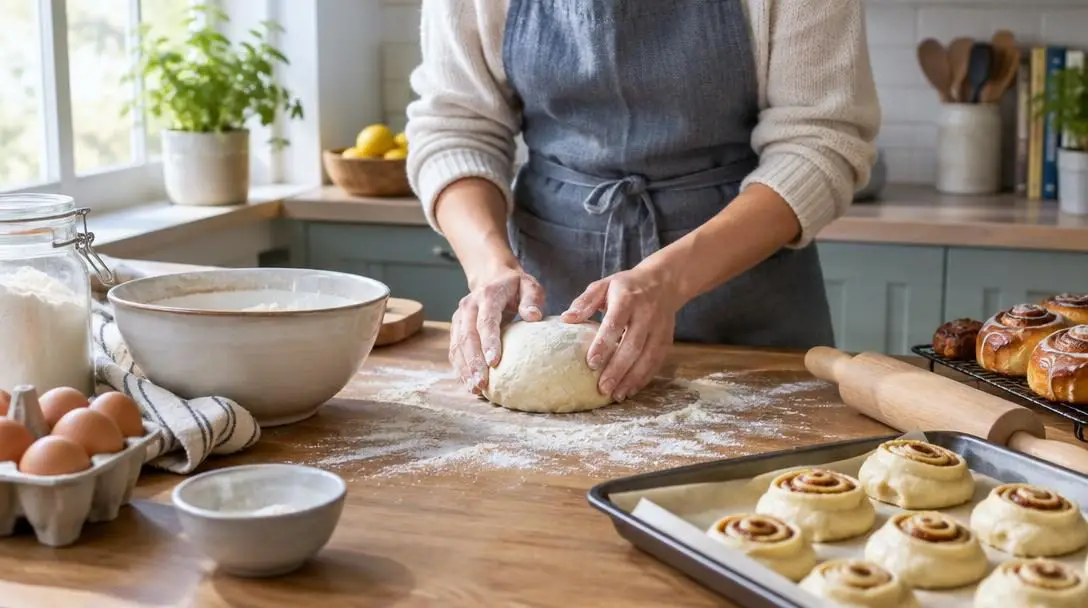
In baking, decoration provides an expressive outlet for hands-on creativity. Whether it involves piping icing along the borders of a cake, arranging fresh fruit symmetrically across a tart, or dusting a finished loaf with powdered sugar, decorating baked goods provides a tangible sense of accomplishment. You do not have to possess extraordinary artistic talents to succeed; even simple, clean visual treatments make your food look delectable and enticing to anyone seated at your table.
What to Consider Next as You Expand Your Skills
Once you feel entirely confident with kitchen fundamentals, your culinary hobby can evolve in many exciting directions. Advancing your kitchen practice involves gradually raising the bar while keeping the process enjoyable, creative, and completely stress-free.
Consider introducing intermediate recipes that challenge you with unfamiliar techniques. If you have spent your early weeks mastering basic pan-searing or simple quick breads, you might step into recipes that require gentle temperature regulation, more complex dough handling, or multi-step reductions. Take these steps deliberately, giving yourself time to assimilate each new technique before moving to the next.
You can also begin curating your tool collection with greater intention. As your repertoire expands, you will have a much clearer idea of which specialty baking pans, specialized utensils, or supplemental appliances will truly support your cooking style. Expanding your toolkit slowly ensures that every new addition serves a genuine, lasting purpose in your kitchen workspace.
Frequently asked questions
Do I need expensive cookware to start cooking as a hobby?
No. Beginners should start with a reliable assortment of foundational tools, including standard pans, baking sheets, baking dishes, fundamental utensils, and basic appliances, adding specialized equipment only as specific recipes demand.
How can I tell if my seasoning is correct while cooking?
Engage in active taste testing throughout the preparation process rather than waiting until the dish is served. Sampling as you go allows you to evaluate flavor balance, notice missing notes, and adjust seasonings safely.
What should I do if a recipe does not turn out properly?
Treat mistakes as natural steps in the learning cycle. Take a moment to evaluate what went wrong with heat, timing, or measurements, and use that constructive feedback to improve your next attempt.
Is it acceptable to use store-bought items when learning to cook?
Yes. The semi-homemade approach pairs pre-made items with fresh homemade touches, reducing stress and allowing beginners to take on exciting recipes without becoming overwhelmed.
Why does visual plating matter for casual home meals?
Because people eat with their eyes, thoughtful presentation builds anticipation and elevates the overall dining experience, turning everyday sustenance into an engaging creative outlet.
The bottom line
The ultimate measure of success in cooking and baking as pastimes is not determined by whether every creation mirrors professional perfection. The true reward lies in the steady rhythm of preparation, the sensory thrill of transforming raw ingredients into warm sustenance, and the shared delight of bringing people together around a dining table. By keeping an open mind, learning constructively from every misstep, and finding pleasure in the simplest tasks—from dicing an aromatic onion to watching a loaf rise through the oven door—you build a self-sustaining craft. Embracing the culinary arts as a regular habit enriches everyday life, offering a reliable wellspring of relaxation, discovery, and nourishing fulfillment for decades to come.