Does Your Cat Hate You? Here Are The Signs To Watch Out For
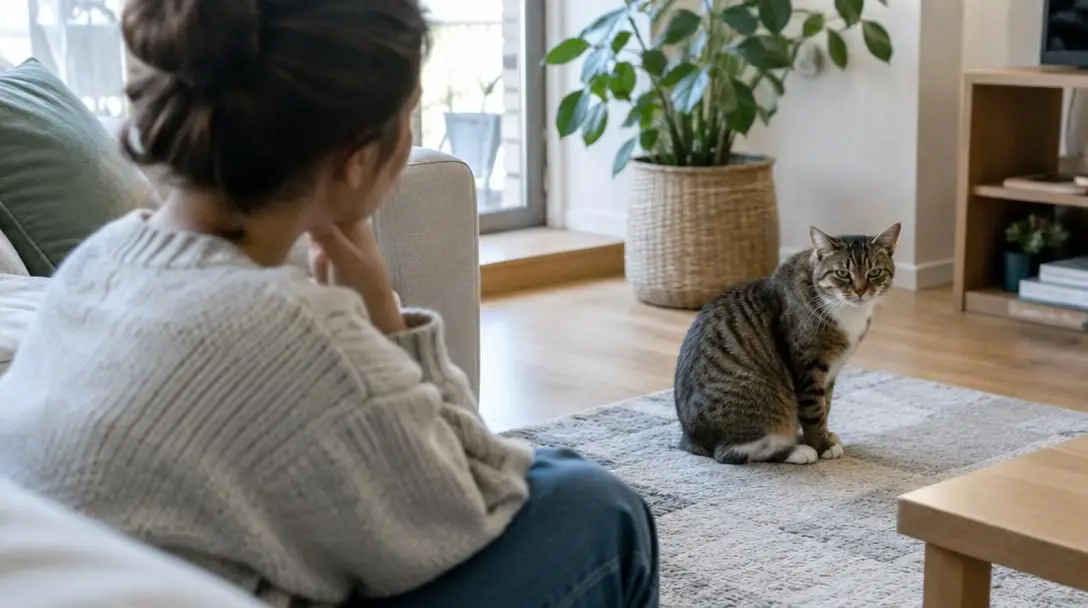
Living with a cat that seems cold, aloof, or outwardly hostile can leave any pet parent feeling bewildered and disheartened. When a feline companion darts under a sofa at your approach or lashes out during routine handling, it is natural to worry that your pet genuinely despises you. Cats have a longstanding cultural reputation for being mysterious, independent, and notoriously particular, which makes it easy to take their aloofness personally.
However, it is crucial to reframe how you interpret these tense moments. True hatred involves premeditated malice, an emotional concept that simply does not exist in feline cognition. In almost every circumstance, your cat does not hate you as an individual; rather, they hate a specific action you are taking, a scent you are wearing, or an environmental change that threatens their sense of safety. Decoding subtle body language is the key to identifying the real triggers behind their defensive reactions.
Key takeaways
- Feline hostility is rarely personal; it almost always stems from environmental discomfort, sensory overload, or boundary violations.
- Distinct physical cues, such as flattened ears, twitching tails, and unblinking stares, signal when a cat feels threatened or agitated.
- Rough biting and scratching during kittenhood is standard play behavior rather than deliberate malice or aggression.
- Adjusting household habits—such as opening doors quietly, eliminating harsh fragrances, and offering slow blinks—systematically restores trust.
- Persistent avoidance and aggression that survive gentle behavioral adjustments may point to an underlying medical issue or physical pain.
The Mechanics of Feline Communication
To understand why your cat seems resentful, you must first understand how cats interact with the world around them. Unlike dogs, which rely on boisterous facial expressions, tail wags, and loud vocalizations to make their emotions obvious, cats speak through delicate physical adjustments. Because cats evolved as both solitary hunters and small prey animals, their primary survival strategy is conflict avoidance. They rarely attack without first broadcasting clear, subtle physical signals that they feel unsafe or irritated.
Friction between cats and humans typically occurs because human communication styles clash directly with feline instincts. Humans are naturally social, tactile, and vocal creatures. We show love by leaning forward, initiating prolonged eye contact, speaking in loud voices, and offering spontaneous embraces. To an animal that views sudden movements and trapped spaces as immediate predatory threats, these affectionate gestures can feel overwhelming and invasive. When owners miss early warnings, cats feel forced to escalate to defensive measures like swiping or fleeing.
Key Warning Signs That Your Cat Dislikes Your Actions
Cats provide plenty of notice before their annoyance boils over into aggression. By carefully watching how your pet positions their body when you share a room, you can spot dissatisfaction early and prevent unnecessary conflict.
Your Cat Avoids You
Deliberate avoidance is one of the most straightforward indicators that a cat is uncomfortable with your current behavior. If your pet routinely scatters under furniture or bolts out of sight the moment you walk into a room, you must examine the immediate environment. Often, this retreat is simply the result of surprise, such as a door swinging open too quickly or heavy footsteps echoing across the floor. If the animal welcomes affection during quieter moments and displays no other signs of hostility, sudden movement is likely the sole culprit. However, if your pet consistently isolates itself whenever you are present, it strongly signals that they currently prefer not to interact with you.
Your Cat Stares at You and Does Not Blink
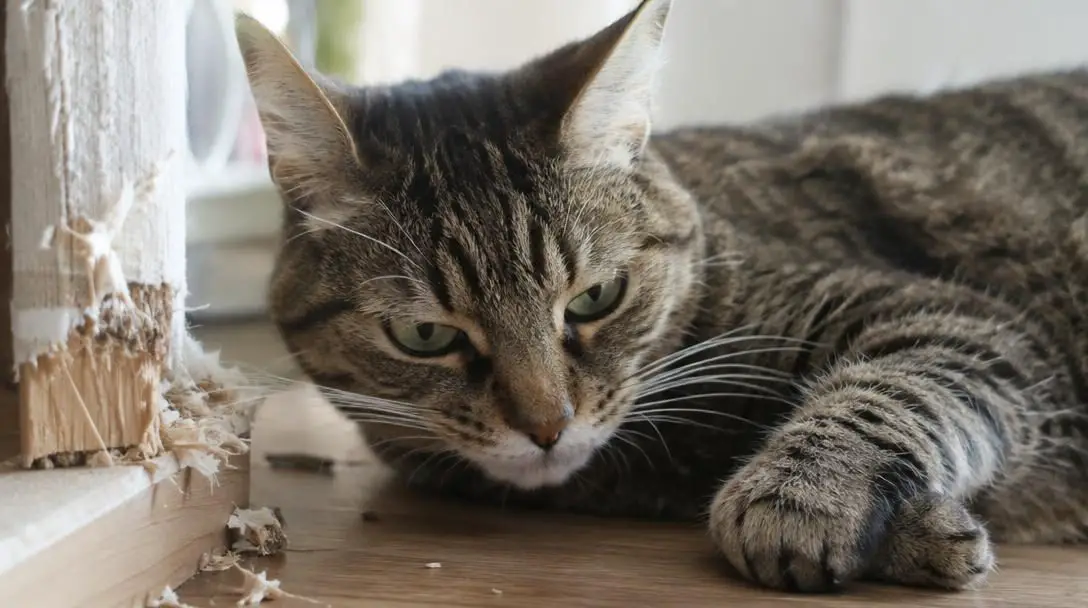
Direct eye contact holds intense social meaning in feline communication. When a cat feels deeply comfortable and secure in your presence, it shows trust by staring into your eyes and executing a slow, deliberate blink. Conversely, a cat that locks eyes with you and refuses to blink is not expressing affection; this unyielding gaze indicates a severe lack of trust and a state of high vigilance. Holding a cat's gaze without blinking back confirms to the animal that a standoff is underway. If you attempt slow blinks over several days and your cat continues to return only an icy, unblinking stare, your companion still perceives you with suspicion or active hostility.
Your Cat's Tail is Twitching
A twitching or lashing tail is an unmistakable indicator of rising irritation and consternation. While a dog wags its tail to show excitement or greeting, a cat's twitching tail indicates that its nervous system is overloaded and prepared for conflict. This behavior does not necessarily mean the cat hates you, but it proves something in the immediate surroundings is causing extreme agitation. It could be an unfamiliar cat prowling outside a nearby window or an overstimulating petting session. Approaching an animal in this state is dangerous; a twitching tail warns that the cat is on high alert and fully ready to deploy teeth and claws to defend its personal space.
Your Cat Has Its Ears Laid Back
A cat's ears act as a dynamic radar system for its emotional state, making ear placement one of the most reliable barometers of feline distress. When an animal flattens its ears horizontally against the back of its skull, it is signaling severe anger, terror, or acute distress. In the wild, cats flatten their ears to protect the delicate cartilage from claws and teeth during an imminent fight. If you see this posture, cease all movement immediately. A cat with flattened ears is on the verge of attacking, and physical engagement will almost certainly end in injury. Giving the animal a clear exit path and immediate space is the only safe response.
Decoding Feline Displeasure at a Glance
Understanding the differences between mild environmental irritation and imminent aggression helps you respond safely and appropriately. The table below outlines how to interpret these common warning signs and what actions you should take to defuse tension.
| Warning Sign | Underlying Feline Emotion | Escalation Risk | Recommended Owner Response |
|---|---|---|---|
| Darting or room avoidance | Startled, wary, or seeking physical autonomy | Low | Move softly, open doors gently, and allow the cat to emerge on its own time. |
| Staring without blinking | Suspicion, emotional distance, and profound lack of trust | Moderate | Offer deliberate, slow blinks and break direct eye contact to convey safety. |
| Restless, twitching tail | High agitation, sensory overload, or environmental distress | High | Stop touching the cat immediately, step back, and check windows for outdoor intruders. |
| Ears flattened backward | Severe anger, acute fear, and defensive readiness | Severe | Cease all interaction instantly, maintain distance, and let the animal decompress. |
How Feline Trust and Boundaries Work
Feline relationships do not thrive on unconditional compliance; they are built entirely on predictable surroundings, mutual trust, and total bodily autonomy. Unlike pack animals that instinctively look to human leaders for guidance, cats evaluate every single interaction through the lens of individual safety. When their boundaries are repeatedly respected, affection follows naturally. When those boundaries are crossed, defensive walls go up immediately.
A cat does not view forced physical affection as love; it perceives an inescapable hold as a direct breach of safety.
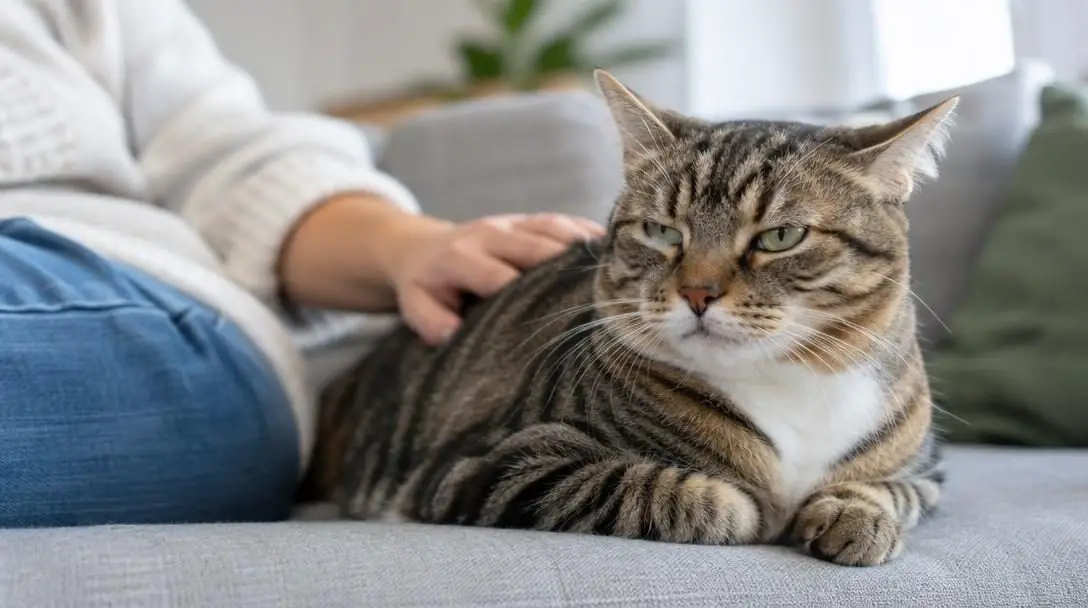
Personal space is inseparable from survival in a cat's mind. When well-meaning owners corner a pet for hugs, trap them on a lap, or ignore tail twitches during grooming, the cat feels its physical escape route has been cut off. Over time, these well-intentioned intrusions teach the cat that its owner is an erratic, unpredictable presence rather than a source of comfort.
Furthermore, sensory sensitivities frequently drive a wedge between humans and their pets. Cats possess an astonishingly acute sense of smell and hearing. Wearing a fragrance that the cat finds unpleasant—such as citrus-based perfumes, synthetic colognes, or strongly scented lotions—can make you physically intolerable to your pet. Similarly, feeding your cat food that is not tasty creates daily frustration. An unappealing meal plan sours their association with you as their provider, laying the groundwork for persistent daily tension.
Step-by-Step Guide to Repairing Your Bond
Rebuilding a relationship with an alienated or guarded cat requires steady patience and disciplined consistency. By removing common stressors and adopting feline-friendly social cues, you can slowly reshape how your pet perceives your presence.
- Eliminate unpleasant sensory triggers: Audit your daily grooming and household routines. Stop wearing strong colognes, scented lotions, or harsh chemical sprays that your cat finds unpleasant, and evaluate their daily diet to replace any food that is not tasty with a more palatable option.
- Adjust your physical movement: Minimize startling incidents by softening your stride throughout the home. Open and close interior doors slowly and deliberately, giving your cat ample warning so they are never taken by surprise when you enter a room.
- Deploy the slow blink technique: Whenever your cat locks eyes with you, resist the urge to stare back unblinkingly. Instead, hold their gaze for a moment, gently close your eyelids, and slowly open them again to demonstrate peaceful intent and show that they have your trust.
- Honor physical boundaries without exception: The moment you notice a twitching tail or ears turning back, withdraw your hands immediately. Never force petting sessions, and never attempt to pick up an animal that is showing physical signs of annoyance.
- Investigate hidden environmental stressors: When your cat displays unprovoked irritability, inspect your living area for outside agitators. Check windows and patio doors to ensure a stray cat or neighborhood animal is not lurking outside and provoking territorial distress.
- Divert kitten play onto appropriate outlets: If a young cat attacks your hands or ankles, recognize that scratching and biting during the kitten months is an exploratory play behavior. Immediately redirect their energy away from your body and onto durable toys to establish healthy boundaries without anger.
Common Mistakes That Deepen the Divide
When pet parents feel rejected, their emotional reactions often worsen the rift. Avoiding these frequent missteps is just as critical as practicing new bonding techniques:
- Forcing affection onto an unwilling pet: Scooping up a reluctant cat or persisting with strokes when they want to be left alone shatters trust and frequently prompts an aggressive physical strike.
- Using verbal or physical discipline: Yelling, stomping, or punishing an anxious cat for scratching or hiding reinforces their fear, convincing them that you are unstable, volatile, and dangerous.
- Blaming yourself for outside disturbances: Assuming your cat's foul mood is entirely about your behavior can cause you to overlook obvious external agitators, such as outdoor strays peering through low windows.
- Treating kitten play as genuine hatred: Misreading rough kitten play as deep-seated malice leads to unnecessary anxiety and counterproductive handling methods.
- Demanding overnight improvements: Expecting a nervous animal to transform after a single quiet entry or one slow-blink session creates unrealistic expectations; trust must be accumulated over weeks of reliable calm.
Frequently asked questions
Can a domestic cat actually feel the emotion of hatred toward its owner?
No, cats lack the cognitive architecture for human-style hatred or premeditated malice. When a cat acts aggressively or pulls away, it is responding instinctively to perceived danger, sensory discomfort, boundary violations, or past negative associations.
Why does my cat suddenly hide when I walk into the living room?
Sudden hiding is frequently caused by being startled by abrupt noises or rapidly swinging doors. However, if the cat avoids you consistently even during quiet moments, it indicates the animal currently feels untrusting or uncomfortable in your presence.
How does the slow blink technique communicate trust to an anxious cat?
In the feline world, closing one's eyes in the presence of another creature is the ultimate demonstration of safety, showing you do not view them as prey or an adversary. Offering a slow blink proves you pose no physical threat to their well-being.
What should I do if my cat's tail begins to twitch while I am petting it?
A twitching tail indicates that your cat is reaching sensory overload and becoming annoyed. Stop touching the animal immediately, pull your hands away, and allow the cat to remain undisturbed until its tail rests still and its posture relaxes.
Could an underlying health issue make my cat act like it hates me?
Yes, hidden pain or illness is a primary reason cats become defensive, irritable, or reclusive. If your pet continues to display intense hostility despite a calm environment and respectful handling, consult a veterinarian to rule out medical problems.
The Bottom Line
Mending a strained dynamic with your feline companion requires replacing human assumptions with feline understanding. When your cat acts out, runs away, or holds an icy gaze, resist the temptation to take their standoffishness personally. Instead, look at the situation objectively: check your movement, evaluate the fragrances you wear, inspect the palatability of their food, and scan the yard for lurking stray animals that could be setting your pet on edge.
Rebuilding trust is an exercise in quiet consistency. By softening your presence, mastering the slow blink, honoring their warnings, and granting your pet total autonomy over their personal space, you demonstrate that your home is safe. In time, your cat will realize that you are an ally, paving the way for a relaxed, peaceful partnership built on mutual respect.