From Pop To Classical: Matching Your Favourite Modern Genre To The Classical Composer For You

When Olivia Rodrigo released her record-breaking track "drivers license," listeners and music critics immediately drew parallels between her lyrical vulnerability, vocal delivery, and the songcraft of Taylor Swift. Comparing contemporary artists is a natural part of how modern audiences interact with culture. It creates familiar reference points, builds connections across different eras, and helps listeners contextualize what they are hearing. That same instinct for pattern recognition can easily reach beyond current radio trends. While pop music remains a defining cultural staple, exploring classical music offers a wholly distinct and immersive acoustic journey rooted in centuries of artistic heritage.
For many contemporary listeners, classical music can feel distant, locked behind formal concert venues, specialized performance rituals, and an intimidating reputation. Yet classical compositions established the theoretical, structural, and acoustic blueprints that commercial recording studios still rely on. By stripping away preconceived notions of formality and focusing on raw sonic characteristics—such as rhythmic drive, dynamic volume shifts, emotional vocals, and harmonic layering—anyone can find a natural bridge connecting their favorite modern genres to the classical canon.
Key takeaways
- Classical music provides the acoustic, structural, and theoretical foundations for almost all modern recorded genres.
- Bridging the gap between pop and classical traditions relies on matching sonic signatures like rhythmic drive, emotional intensity, and dynamic scale.
- Modern listeners do not need formal music theory training or concert hall attendance to appreciate historical compositions.
- Starting with single movements, recognizable pieces, and dedicated active listening creates an approachable entry path.
The Sonic Architecture: Pop Efficiency Meets Classical Scope
To understand why modern genres map so neatly onto historical works, it helps to examine how their musical architecture compares. Contemporary commercial music is built around efficiency and immediate connection. Most radio singles adhere to a concise verse-chorus-bridge framework engineered to deliver infectious vocal hooks within seconds. Classical compositions, by contrast, unfold across expansive formats, including the multi-movement symphony, the expressive solo sonata, and elaborate choral arrangements.
Because historical composers wrote without the aid of digital amplification, synthesizers, or modern studio mixing consoles, they depended entirely on acoustic dynamics, fluctuating tempos, and intricate harmonic counterpoint to sustain interest. A classical piece may develop multiple melodic themes simultaneously over extended durations, alternating between whisper-quiet passages and thunderous orchestral crescendos. Yet the fundamental building blocks—melody, harmony, rhythm, and timbre—remain identical across both eras. Recognizing that classical masters were the original sonic architects makes their expansive catalogs feel far more accessible.
At a Glance: Matching Modern Styles to Classical Masters
| Modern Genre or Artist Style | Classical Composer | Key Composition or Style | Shared Sonic Signature |
|---|---|---|---|
| Bedroom Pop & Alternative Ballads (e.g., Billie Eilish) | Claude Debussy | "Clair de Lune" | Atmospheric textures, spatial piano, and intimate, slow-burning moods |
| Pop Punk & Fast Rock | Antonio Vivaldi | "The Four Seasons" | Relentless tempo, aggressive string bowing, and rapid dynamic contrasts |
| Emotive Pop & Musical Theater (e.g., Post Malone) | Giuseppe Verdi | Italian Opera Works | Sweeping narrative drama, intense vocal climaxes, and passionate staging |
| Symphonic Rock & Stadium Anthems | Richard Wagner | "Ride of the Valkyries" | Monumental wall of sound, prominent heavy brass, and epic crescendos |
| Complex Electronic Music (e.g., Aphex Twin) | Johann Sebastian Bach | Baroque Counterpoint & Fugues | Mathematical precision, multi-layered rhythmic interplay, and recurring motifs |
The Matchups: Five Classical Composers for Modern Music Fans
Finding entry points into centuries of repertoire becomes straightforward when you align the specific acoustic qualities of your preferred playlists with historical works that share the exact same energy.
Claude Debussy

- Artistic Movement: Impressionism
- Representative Work: "Clair de Lune"
- Modern Counterpart: Bedroom pop and atmospheric ballads (e.g., Billie Eilish)
Listeners who gravitate toward the mellow, atmospheric textures and slow-burning pacing of modern alternative pop often find an immediate kindred spirit in French Impressionist composer Claude Debussy. Modern hits like Billie Eilish's "Bad Guy" rely on intimate spatial production, subtle room ambience, and unconventional dynamic spacing to establish a distinct, brooding mood. Debussy achieved a strikingly similar aesthetic at the turn of the twentieth century using acoustic instrumentation alone. His celebrated piano masterpiece, "Clair de Lune," foregoes rigid rhythmic structures in favor of fluid harmonic colors, delicate phrasing, and spatial resonance. The result is a dreamy, immersive soundscape that mirrors the quiet, introspective quality found in contemporary bedroom pop recordings.
Antonio Vivaldi

- Artistic Movement: Italian Baroque
- Representative Work: "The Four Seasons"
- Modern Counterpart: Pop punk and energetic guitar rock
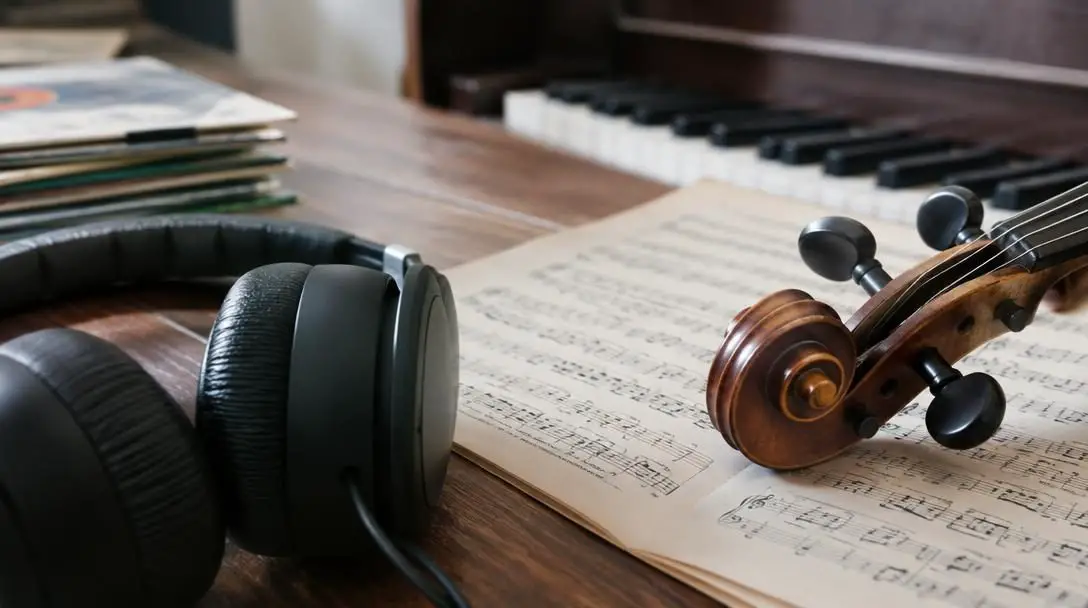
Fans of guitar-driven pop punk and high-tempo rock often crave relentless kinetic energy, driving momentum, and sudden dynamic explosions. That same raw adrenaline pulses through the Baroque concertos of Antonio Vivaldi. In masterworks like "The Four Seasons," Vivaldi pushes string ensembles to their technical limits. Rapid-fire violin bowing mirrors the furious downpicking of punk guitar riffs, while sudden, dramatic shifts in volume create the visceral impact of an amplified band cutting into a heavy chorus. The sheer velocity and sharp rhythmic articulation throughout Vivaldi's catalog offer an acoustic thrill ride that easily satisfies enthusiasts of fast, aggressive modern music.
Classical composers were the sonic architects who laid the groundwork for today's music creators, working with the exact same raw materials of melody, rhythm, and emotion.
Giuseppe Verdi
- Artistic Movement: Italian Romantic Opera
- Key Musical Focus: Dramatic vocal climaxes and narrative staging
- Modern Counterpart: Emotive vocal chart-toppers (e.g., Post Malone) and show tunes
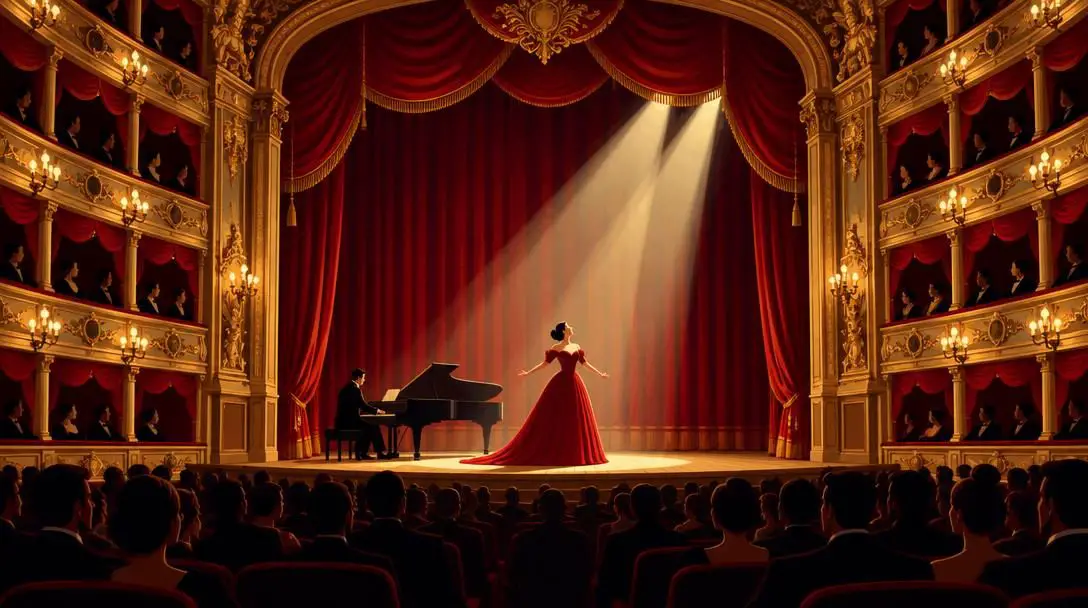
For music lovers drawn to passionate, emotionally raw vocalists like Post Malone, as well as admirers of modern musical theater, Italian opera is the ultimate classical equivalent. Giuseppe Verdi was a master of grand emotional storytelling, crafting vocal melodies designed to convey heartbreak, defiance, and high-stakes personal conflict. Verdi's theatrical productions rely on dynamic orchestral swells that push vocalists into sweeping, vulnerable climaxes. The theatricality, immediate emotional accessibility, and larger-than-life choruses found in Verdi's operas provide the direct historical ancestor to modern show tunes and dramatic, arena-filling pop ballads.
Richard Wagner

- Artistic Movement: Late Romanticism
- Representative Work: "Ride of the Valkyries"
- Modern Counterpart: Symphonic rock, heavy metal, and cinematic scores
When contemporary rock bands build a towering "wall of sound" using stacked amplifiers and dense layers of instrumentation, they are walking a path carved out by Richard Wagner. Wagner expanded the traditional orchestra to unprecedented proportions, employing massive sections of heavy brass to produce dark, overwhelming sonic force. His iconic piece "Ride of the Valkyries" exemplifies this maximalist approach, combining driving, relentless motifs with crushing brass themes that overwhelm the acoustic space. Listeners who love the epic grandeur of stadium rock, cinematic film themes, and heavy symphonic arrangements will feel right at home within Wagner's monumental orchestral world.
Johann Sebastian Bach
- Artistic Movement: German Baroque
- Key Musical Focus: Intricate counterpoint and structural precision
- Modern Counterpart: Experimental electronic music (e.g., Aphex Twin) and synthesizer production
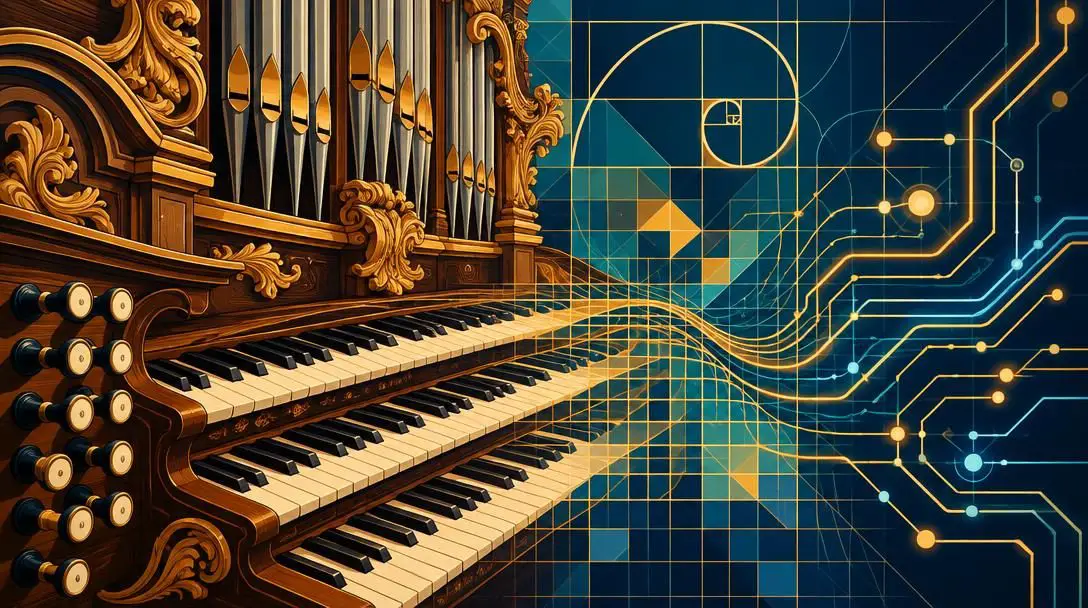
Electronic music producers and fans of intricate digital sequencing—such as the complex tracks of Aphex Twin—often discover a startling parallel in the keyboard and orchestral works of Johann Sebastian Bach. Bach's compositions are legendary for their rigorous mathematical precision and structural mastery. Through the use of counterpoint, Bach wove independent melodic voices together simultaneously, allowing separate lines to interact, collide, and resolve into a unified, shifting soundscape. This dense layering of polyphonic motifs mirrors the multi-track loops, interlocking synthesizer arpeggios, and rhythmic puzzles foundational to modern synthetic music production.
Five Steps for Starting Your Classical Listening Routine
Approaching a vast musical catalog spanning hundreds of years is much easier when you set up an accessible listening process. Rather than diving headfirst into an unfamiliar three-hour performance, follow these practical steps to build familiarity and comfort.

- Start with famous and recognizable compositions. Familiar melodies by giants like Wolfgang Amadeus Mozart, Ludwig van Beethoven, and Johann Sebastian Bach lower the initial barrier to entry, giving your ears recognizable musical landmarks.
- Anchor your sessions to single movements. Classical symphonies often exceed forty minutes, which can be exhausting for first-time listeners. Begin by enjoying a single standalone movement, such as one movement from a concerto or Claude Debussy's "Clair de Lune."
- Match pieces to your daily activities and moods. Curate your listening just as you would modern streaming playlists. Pair serene Baroque concertos by George Frideric Handel with study sessions or remote work, and turn to Vivaldi's high-tempo movements for active tasks.
- Follow a single instrument across the ensemble. In commercial pop, the vocal lead almost always commands your focus. When listening to instrumental works, choose one specific voice—like the cello section, the woodwinds, or the first violin—and track how it converses with the rest of the orchestra.
- Listen through quality headphones or speakers. Classical recordings document real acoustic environments and wide dynamic swings, from subtle solo passages to full orchestral explosions. Good hardware lets you hear spatial separation without needing to constantly adjust the volume.
Common Pitfalls for First-Time Classical Listeners
Transitioning from modern streaming playlists to historical acoustic recordings can cause minor friction if you apply commercial pop expectations to classical compositions. Avoiding these common traps will keep your listening sessions rewarding:
- Expecting an instant vocal hook: Pop singles are engineered to hook listeners within five seconds and deliver a chorus within thirty seconds. Classical compositions introduce musical ideas gradually through theme and variation, requiring a few minutes of patience before the primary motif reaches full expression.
- Treating the concert hall as an obligation: Many potential fans believe classical music can only be appreciated while dressed in formal attire in an expensive concert hall. Digital home listening through modern devices is just as legitimate and allows you to explore at your own pace.
- Dismissing an entire era based on one track: Classical music spans multiple stylistic movements across hundreds of years. If the mathematical counterpoint of the Baroque era feels rigid, the theatrical passion of Italian opera or the dynamic swings of Romanticism may offer a far better fit.
- Using the music exclusively as passive background noise: While ambient classical playlists are popular for studying or sleeping, passive playback makes it easy to miss subtle harmonic interplay and dynamic nuances. Dedicating ten minutes of focused listening reveals the composer's true craft.
Deepening Your Musical Appreciation
Once you identify the composers and eras that match your listening tastes, expanding your knowledge can significantly heighten your enjoyment. A natural next step is familiarizing yourself with the standard structural movements within an orchestral symphony or sonata. Understanding how an opening movement establishes tension, how a slow movement offers emotional reflection, and how a fast finale delivers resolution will allow you to anticipate structural shifts just as you anticipate the bridge or final chorus of a favorite song.
Another fascinating avenue of exploration is tracing how classical techniques shape modern media scores. Legendary soundtrack composers across film, television, and video games borrow directly from the orchestration techniques popularized by figures like Richard Wagner, Giuseppe Verdi, and Claude Debussy. Recognizing recurring leitmotifs and thematic variations in modern cinema adds a rich layer of context, showing that the acoustic traditions of the past remain vibrant and influential today.
Frequently asked questions
Do I need to know how to read sheet music to understand classical compositions?
No. Sheet music is merely the written transcription of the music, not the experience itself. Just as you do not need to read lyrics on a page to enjoy a pop or hip-hop track, your ears and intuitive emotional responses are all that are required to enjoy classical works.
Why do classical pieces often sound much quieter than modern pop songs?
Modern pop tracks undergo heavy audio mastering and dynamic compression to ensure consistent loudness across playback devices. Classical recordings preserve natural acoustic dynamics, leaving a wide margin between delicate, whisper-quiet passages and explosive, loud crescendos.
How can modern rock and metal fans find classical music they enjoy?
Rock and metal fans should look toward late-Romantic and early modern orchestral works that feature heavy brass, prominent percussion, and monumental dynamic swells. Richard Wagner's dramatic operatic pieces, such as "Ride of the Valkyries," offer the same driving intensity and wall-of-sound power found in stadium rock.
What is counterpoint, and why do electronic music producers appreciate it?
Counterpoint is the compositional technique of combining two or more independent melodic lines that sound simultaneously while remaining harmonically intertwined. Electronic producers like Aphex Twin use similar principles when layering interlocking synth arpeggios, polyrhythmic drum patterns, and independent basslines.
Is it acceptable to listen to just one movement of a symphony instead of the whole piece?
Yes. While symphonies are written as unified multi-movement collections, listening to individual movements or standalone pieces like Debussy's "Clair de Lune" is one of the most effective ways for beginners to build comfort and familiarity without feeling overwhelmed.
The Bottom Line
Expanding your musical horizon does not mean abandoning the modern artists you love. Instead, it allows you to trace the sonic DNA of modern hooks, atmospheric textures, and dramatic vocals back to the composers who first pioneered them. By using your existing musical tastes as a compass—whether you crave the intimate ambience of bedroom pop, the driving tempo of punk, or the intricate layering of electronic production—the rich world of classical music transforms from an intimidating museum piece into an exciting, deeply rewarding landscape of discovery.